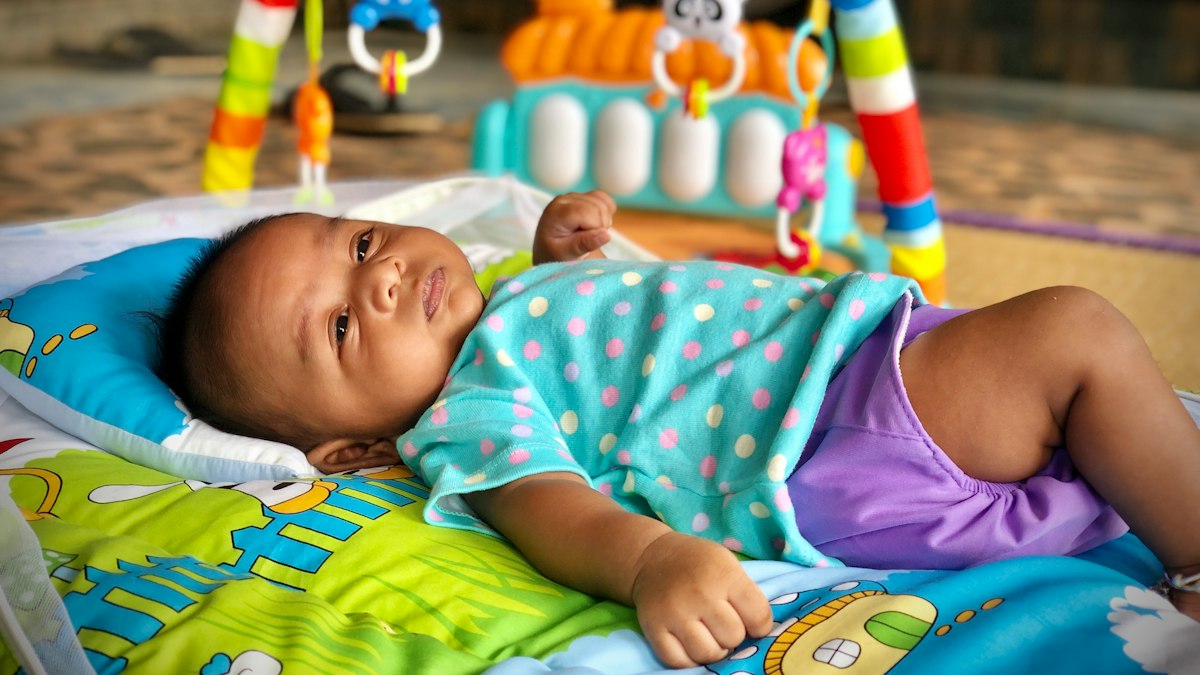
The first three years of a child’s life are filled with incredible changes. Babies learn to control their movements, recognize familiar faces, communicate their needs, explore their surroundings and gradually develop independence.
One of the best ways to support this development is through play.
You don’t need expensive toys, complicated equipment or structured lessons. Everyday activities such as talking, singing, stacking blocks, exploring textures and playing peek-a-boo can help children develop important physical, cognitive, social, emotional and language skills.
The key is to choose activities that match your child’s age and abilities while allowing them to explore at their own pace.
Here are seven simple play activities that support baby development from birth to age three.
Table of Contents
- Why Play Is Important for Early Development
- 7 Simple Activities to Support Baby Development
- How to Adapt Activities by Age
- Tips for Safe and Meaningful Play
- Final Thoughts
Why Play Is Important for Early Development
Play is much more than entertainment for babies and toddlers. It is one of the main ways young children learn about themselves and the world around them.
During the first three years, children develop several important skills:
- Motor skills: Reaching, grasping, rolling, crawling, walking and eventually jumping.
- Cognitive skills: Understanding cause and effect, recognizing objects, solving simple problems and exploring patterns.
- Language skills: Listening, recognizing sounds, responding to voices, learning words and beginning conversations.
- Social and emotional skills: Building relationships, expressing feelings, developing confidence and learning to interact with others.
- Sensory skills: Exploring different textures, sounds, colors, shapes and movements.
According to the American Academy of Pediatrics, play supports children’s physical, cognitive, language and social-emotional development. Importantly, parents and caregivers do not need sophisticated toys to create meaningful learning opportunities. Their attention and interaction are often the most valuable parts of play.
The following activities are easy to introduce at home and can be adapted as your child grows.
7 Simple Activities to Support Baby Development
Tummy Time and Reaching Games
Best for: Birth to 6 months and beyond, as appropriate.
Tummy time is one of the most useful early activities for developing physical strength and coordination.
When babies spend supervised time on their stomachs while awake, they practise lifting and turning their heads, using their arms and gradually strengthening their neck, shoulder and upper-body muscles.
These movements help prepare babies for later milestones such as rolling, sitting and crawling.
How to play:
- Place your baby on their tummy on a firm, safe floor mat while they are awake.
- Get down to their eye level and talk or smile.
- Place an age-appropriate toy just within reach.
- Encourage your baby to look towards the toy and gradually reach for it.
- Keep sessions short at first and increase them gradually as your baby becomes comfortable.
You can also try tummy time on your chest while you are awake and alert.
What your baby learns:
- Neck and upper-body strength
- Visual tracking
- Reaching and coordination
- Early movement control
Always supervise tummy time. Babies should be placed on their backs for sleep, not on their stomachs.
Peek-a-Boo and Hide-and-Seek Games
Best for: Around 4–18 months and older toddlers.
Peek-a-boo is a simple game that can produce plenty of laughter while helping babies understand an important concept: objects and people still exist even when they cannot see them.
This is related to object permanence, an important part of early cognitive development.
It also encourages babies to pay attention, anticipate what might happen next and interact with another person.
How to play:
- Sit facing your baby.
- Cover your face with your hands.
- Say something playful such as “Where is Mommy?”
- Uncover your face and say “Here I am!”
- Repeat the game, allowing your baby to anticipate the surprise.
As your child grows, you can hide a familiar toy under a cloth and encourage them to find it.
For toddlers, hide-and-seek can become more interactive. Take turns hiding a toy or finding each other in a safe room.
What your child learns:
- Object permanence
- Memory and attention
- Social interaction
- Anticipation and problem-solving

Sensory Play with Everyday Household Objects
Best for: Around 3 months to 3 years, with age-appropriate materials.
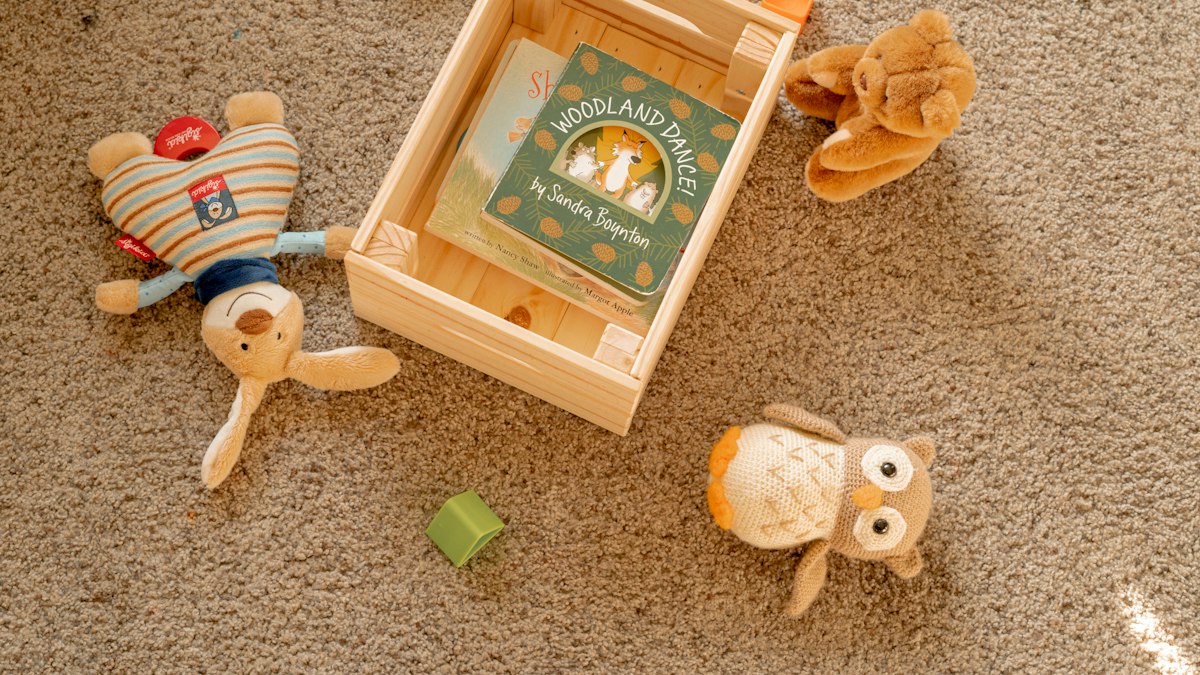
Young children discover the world through their senses. They learn by touching, looking, listening, smelling and, when safe, exploring objects with their mouths.
Sensory play provides opportunities to experience different textures, shapes, temperatures and sounds.
For more ideas, see our guide to 10 Simple Sensory Play Ideas for Babies Under 1 Year.
You don’t need a special sensory-play kit. Everyday household materials can provide plenty of opportunities.
How to play:
Create a small collection of safe objects with different textures, such as:
- A soft cotton cloth
- A large textured fabric toy
- A smooth, age-appropriate wooden toy
- A soft silicone teether designed for babies
- A crinkly baby-safe fabric book
Allow your baby to explore one object at a time while you describe what they are experiencing.
For example, say “This is soft” or “Listen to that sound.”
For older toddlers, introduce supervised sensory activities using large, safe objects and simple sorting games.
What your child learns:
- Sensory awareness
- Hand-eye coordination
- Curiosity and exploration
- Early vocabulary
- Understanding differences between objects
Avoid small objects, loose pieces and materials that can break apart or become choking hazards.
Stacking Blocks and Building Towers
Best for: Around 6 months to 3 years, depending on the activity and child’s abilities.
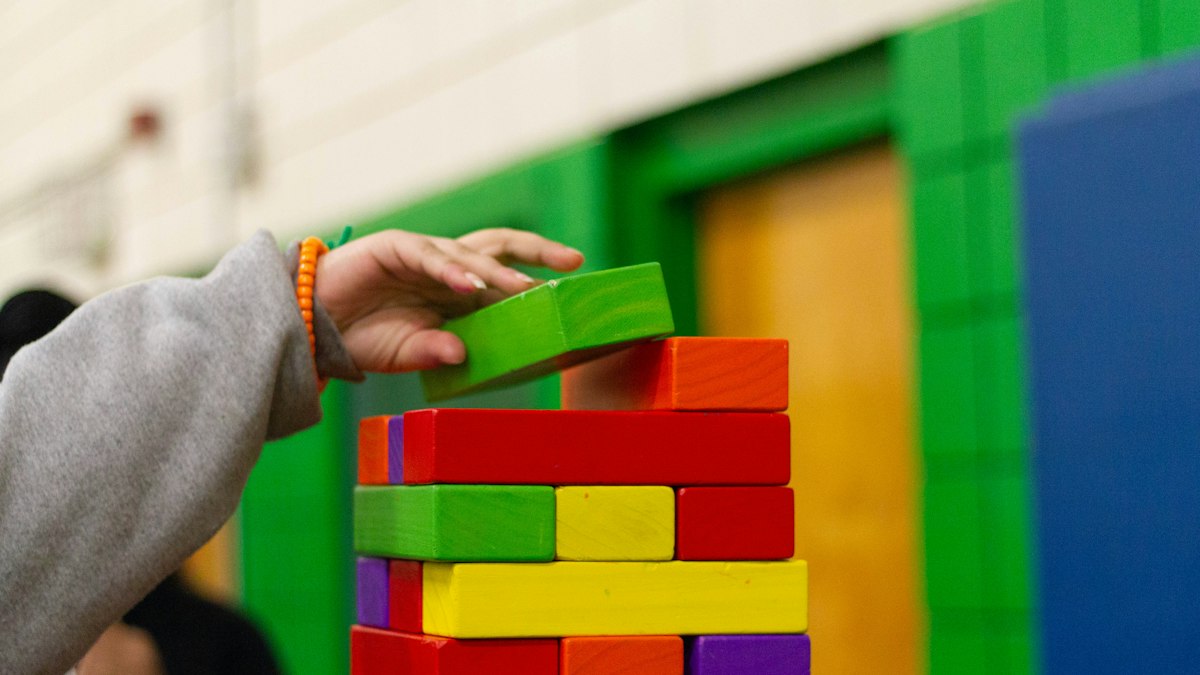
Building towers is a wonderful activity for developing fine motor skills, coordination and early problem-solving abilities.
Younger babies may enjoy touching, holding and knocking down large soft blocks. As they grow, they can begin stacking blocks, making simple structures and experimenting with different shapes.
How to play:
- Start with large, lightweight, age-appropriate blocks.
- Build a small tower in front of your child.
- Encourage them to place another block on top.
- Let them knock the tower down.
- Build it again together.
For older toddlers, introduce simple challenges:
- Build a tower with three blocks.
- Make a tall tower and a short tower.
- Sort blocks by color.
- Build a simple house or bridge.
Don’t worry if your child prefers knocking down towers rather than building them. Experimenting with what happens when a structure falls is also part of learning.
What your child learns:
- Fine motor skills
- Hand-eye coordination
- Spatial awareness
- Cause and effect
- Early mathematical concepts such as size, shape and balance
Reading Picture Books and Singing Songs
Best for: Birth to 3 years.
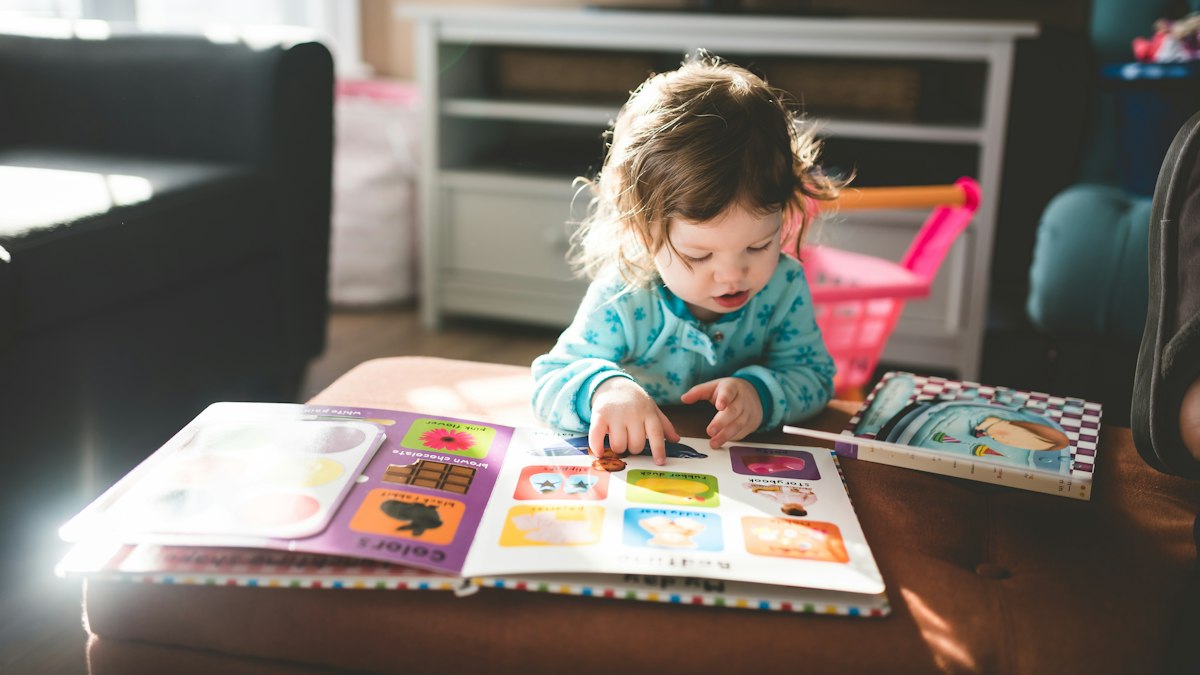
You can start reading to your baby from the earliest days of life. Even before babies understand words, they enjoy listening to familiar voices, rhythms and sounds.
Reading and singing support language development while creating opportunities for bonding.
Babies also begin recognizing facial expressions, sounds and familiar routines through these interactions.
How to play:
- Choose sturdy board books or soft fabric books for younger babies.
- Point to pictures and name familiar objects.
- Use different voices for animals and characters.
- Sing simple nursery rhymes and repeat familiar songs.
- Encourage older toddlers to point at pictures and name objects.
- Ask simple questions such as “Where is the dog?”
You don’t need to finish an entire book. Let your child turn pages, point to pictures or simply listen.
Repeating favourite books and songs is also beneficial. Repetition helps children become familiar with words, sounds and patterns.
What your child learns:
- Listening and communication
- Vocabulary development
- Recognition and memory
- Early literacy skills
- Emotional connection and bonding
Even a few minutes of shared reading every day can become a valuable family routine.
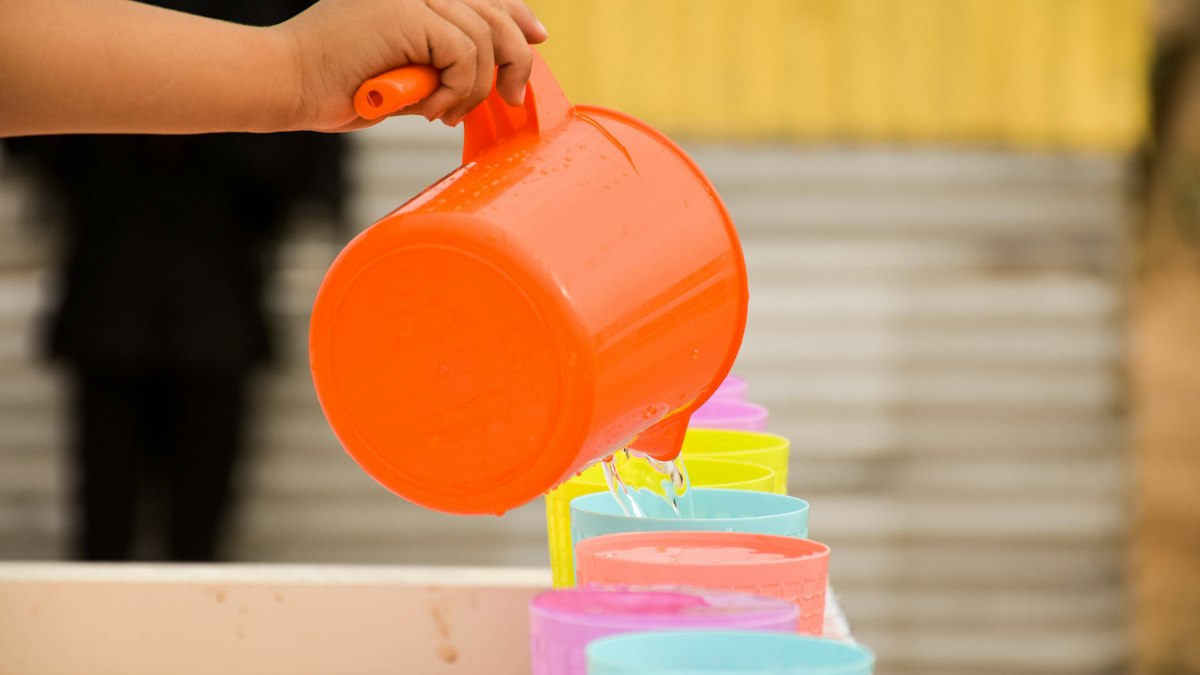
Water Play and Pouring Activities
Best for: Around 12 months to 3 years, with close adult supervision.
Water play can introduce toddlers to early scientific and mathematical concepts while encouraging coordination and sensory exploration.
Children enjoy discovering what happens when they fill, empty, pour and move water between containers.
How to play:
- Place a small amount of water in a shallow basin.
- Provide large, unbreakable plastic cups and containers.
- Show your toddler how to pour water from one container into another.
- Introduce simple words such as “full,” “empty,” “more” and “less.”
- Let your child experiment with filling and emptying containers.
You can also add a large sponge and demonstrate how it absorbs water and releases it when squeezed.
What your child learns:
- Hand-eye coordination
- Fine motor control
- Cause and effect
- Early mathematical concepts
- Problem-solving and sensory awareness
Important safety note: Water play requires constant, close adult supervision. Stay within arm’s reach of your child. Never leave a baby or toddler alone near water, even in a very shallow container. Empty the basin immediately when the activity is finished.
Pretend Play and Everyday Role-Playing
Best for: Around 18 months to 3 years and beyond.
As toddlers grow, they begin copying the people around them. They may pretend to cook, feed a doll, talk on a toy telephone or look after a stuffed animal.
Pretend play encourages imagination and gives children opportunities to practise communication and social skills.
It also helps them understand familiar activities and everyday routines.
How to play:
Start with simple pretend-play activities:
- Give your toddler a doll and a toy spoon to practise feeding.
- Pretend to prepare food together using toy kitchen items.
- Use a toy telephone and take turns having a conversation.
- Pretend to go shopping with a small basket.
- Encourage your child to give a stuffed animal a bath using pretend-play accessories.
You can also follow your child’s imagination rather than directing the entire activity.
If your toddler gives a teddy bear a pretend meal, join in and ask, “Is teddy hungry?”
What your child learns:
- Imagination and creativity
- Language and communication
- Social interaction
- Emotional understanding
- Sequencing and memory
Pretend play becomes increasingly complex during the toddler years, so give your child time and freedom to create their own little stories.

How to Adapt Activities by Age
Children develop at different rates, and the same activity can offer different learning opportunities depending on their age.
Here is a simple guide to adapting these seven activities as your child grows.
Birth to 6 Months
At this stage, babies are discovering their senses and gradually gaining control over their movements.
Focus on:
- Supervised tummy time
- Looking at faces and high-contrast pictures
- Listening to music and familiar voices
- Gentle reaching activities
- Exploring safe textures
Keep activities short and follow your baby’s signals. If your baby turns away, becomes upset or appears tired, take a break.
6 to 12 Months
Babies become increasingly interested in exploring objects and interacting with their surroundings.
Focus on:
- Peek-a-boo
- Reaching and grasping toys
- Exploring different textures
- Knocking down soft block towers
- Looking at picture books
- Crawling and moving in a safe environment
Allow your baby to explore independently while remaining close enough to supervise.
12 to 24 Months
Toddlers are becoming more mobile and curious. They enjoy repeating activities, copying adults and experimenting with everyday objects.
Focus on:
- Stacking and sorting large blocks
- Simple pouring activities with close supervision
- Pointing at pictures in books
- Pretend play with dolls and stuffed animals
- Walking and exploring safe spaces
- Simple songs with actions
At this age, repetition is particularly valuable. Children often want to perform the same activity again and again.
24 to 36 Months
Older toddlers are beginning to develop more complex language, imagination and physical coordination.
Focus on:
- Building towers and simple structures
- Pretend cooking and shopping
- Simple puzzles
- Drawing with age-appropriate crayons
- Singing songs and acting them out
- Playing simple turn-taking games
Encourage your child to make choices and try things independently, while offering help when needed.
Tips for Safe and Meaningful Play
The best play activities are enjoyable, age-appropriate and safe. A few simple principles can make everyday playtime more beneficial.
Follow your child’s interests. Some babies love music, while others prefer looking at faces or exploring objects. Observe what captures your child’s attention and build activities around those interests.
Keep activities simple. You don’t need expensive educational toys. Large blocks, board books, soft fabrics and everyday household objects can provide excellent learning opportunities.
Talk throughout the day. Describe what you are doing, name objects and respond to your baby’s sounds. Everyday conversations help build early communication skills.
Allow time for repetition. Repeating the same game is not a waste of time. Children learn through practising familiar actions and gradually discovering new ways to use them.
Prioritize physical safety. Always supervise babies and toddlers during play. Avoid small parts, loose objects, button batteries, magnets, plastic bags and toys with detachable components that could cause choking or injury. Check age recommendations and inspect toys regularly.
Keep screen time limited. The American Academy of Pediatrics’ updated 2026 guidance emphasizes protecting time for sleep, movement, reading, play and family interaction. For infants, routine screen exposure should be avoided; occasional brief, high-quality videos may be used, but should never replace interaction and play. For toddlers older than 18 months, the AAP recommends limiting screen time to no more than one hour per day, with high-quality content and caregiver involvement. Video calls with family can also be a useful way to maintain relationships.
Remember that play should be enjoyable. Your child does not need to complete activities or reach a particular result. The purpose is to explore, interact and have fun.
One more important point: developmental milestones are useful guides, not deadlines. If you have concerns about your child’s development or notice a loss of previously acquired skills, discuss them with your pediatrician.
Final Thoughts
Supporting your baby’s development doesn’t require complicated activities or expensive toys. Some of the most meaningful learning experiences happen through simple moments shared with parents and caregivers.
From tummy time and peek-a-boo to building block towers and pretend cooking, everyday play can help children develop physical, cognitive, language and social skills.
The most important thing is to spend time together, encourage curiosity and allow your child to explore at their own pace.
Remember, every child develops differently. Make playtime a happy part of your daily routine, celebrate small achievements and enjoy watching your little one discover the world.
Comments
7 responses to “7 Simple Play Activities That Support Baby Development (0–3 Years)”
[…] reading: 7 Simple Play Activities That Support Baby Development and Best Books for Kids by […]
[…] Keep activities short and follow your baby’s signals. If they turn away, become fussy or seem tired, give them a break. For more age-appropriate ideas, see our guide to play activities that support baby development. […]
[…] Keep activities short and flexible. Your baby’s mood, feeding needs and sleep will influence how much play they enjoy on a particular day. You can find more ideas in our guide to simple play activities that support baby development. […]
[…] Keep play relaxed and responsive. These activities are opportunities to connect, not tests or exercises that your baby must complete. Follow your baby’s cues and take breaks whenever needed. For more ideas, see our guide to play activities that support baby development. […]
[…] Keep play relaxed and responsive. These activities are opportunities to connect, not tests or exercises that your baby must complete. Follow your baby’s cues and take breaks whenever needed. For more ideas, see our guide to play activities that support baby development. […]
[…] Keep play relaxed and responsive. These activities are opportunities to connect, not tests or exercises that your baby must complete. Follow your baby’s cues and take breaks whenever needed. For more ideas, see our guide to play activities that support baby development. […]
[…] Keep play relaxed and responsive. These activities are opportunities to connect, not tests or exercises that your baby must complete. Follow your baby’s cues and take breaks whenever needed. For more ideas, see our guide to play activities that support baby development. […]