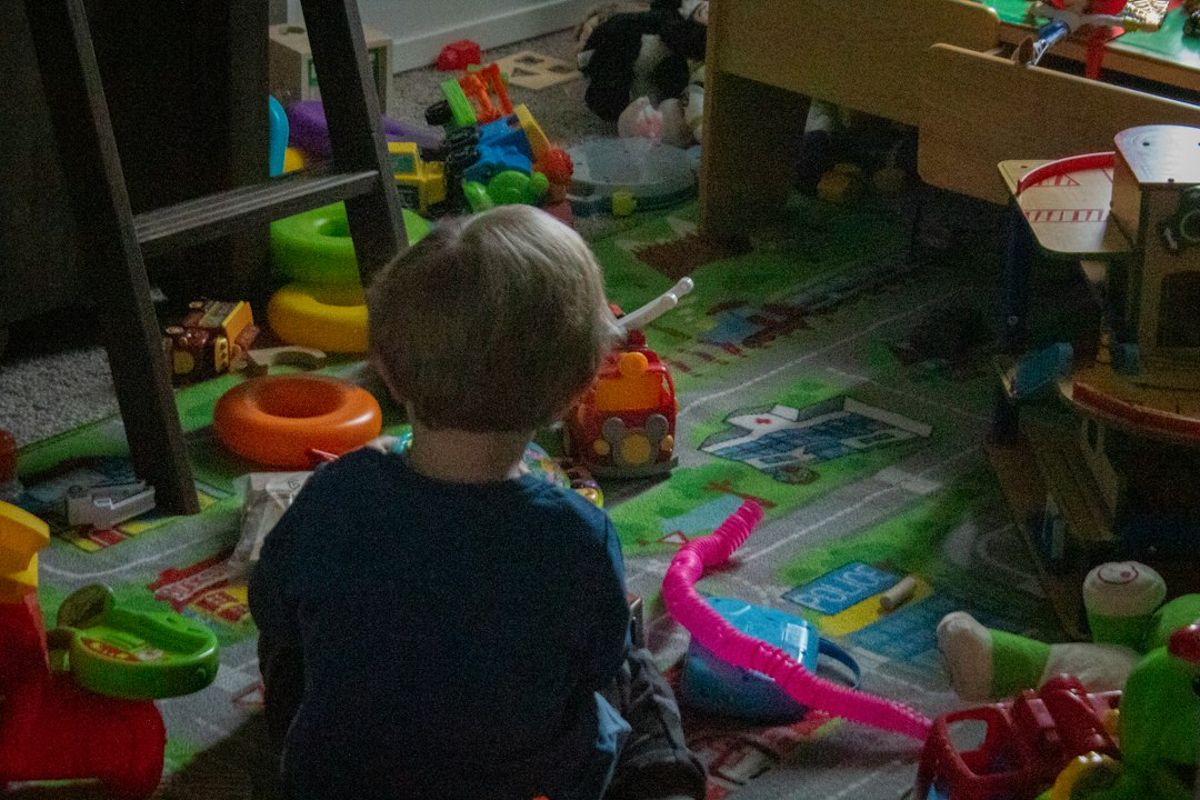
Eight months can be a busy and fascinating stage. Your baby may be sitting more steadily, moving around the floor in their own way, exploring objects with both hands and making a wider variety of sounds. Their personality may also become more noticeable as they show preferences for familiar people, toys and routines.
Your baby is learning through movement, repetition and interaction. A toy that rolls away, a familiar song or a simple game can become an opportunity to practise attention, coordination and communication.
Some eight-month-old babies are already crawling, while others are not. Some sit independently, while others still need support. These differences are normal. Development is a gradual process, and milestones should be used as helpful guides rather than strict deadlines.
Table of Contents
- What to Expect at 8 Months
- Physical and Cognitive Development
- Language and Social Development
- Feeding, Sleep and Safety
- Activities and When to Seek Advice
What to Expect at 8 Months
At eight months, your baby may be more interested in moving towards objects and people. They may sit to play, turn their body to reach a toy or try different ways of moving across the floor.
You may also notice more purposeful communication. Your baby might babble repeatedly, look towards a familiar person when they hear a voice or raise their arms when they want to be picked up.
Social awareness can become more noticeable too. Some babies are more cautious around unfamiliar people or become upset when a caregiver leaves. These reactions differ from child to child and can change over time.
Physical and Cognitive Development
Sitting with more control
Many babies are developing stronger sitting balance during this period. Your baby may sit for longer while using their hands to play. Some can sit without support, while others still need a nearby adult or occasional assistance.
Place your baby on a safe floor surface and stay close. Reaching for toys while sitting can help practise balance, but do not leave your baby alone on a raised surface.
Crawling and other ways of moving
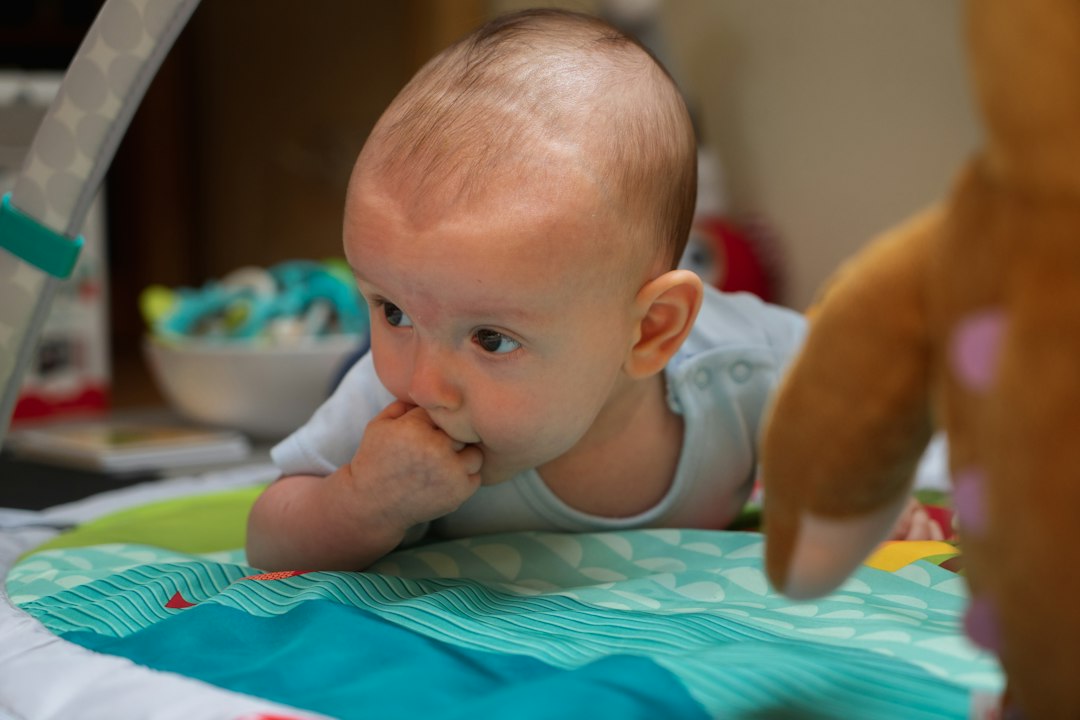
Some babies begin crawling on hands and knees around this stage. Others move by commando crawling, rolling, bottom shuffling or pivoting. Some babies do not crawl in the traditional way at all.
The important point is to provide safe opportunities for movement rather than trying to teach one specific crawling pattern. Clear the floor of small objects, cords, sharp edges and unstable items.
Hand coordination and exploration
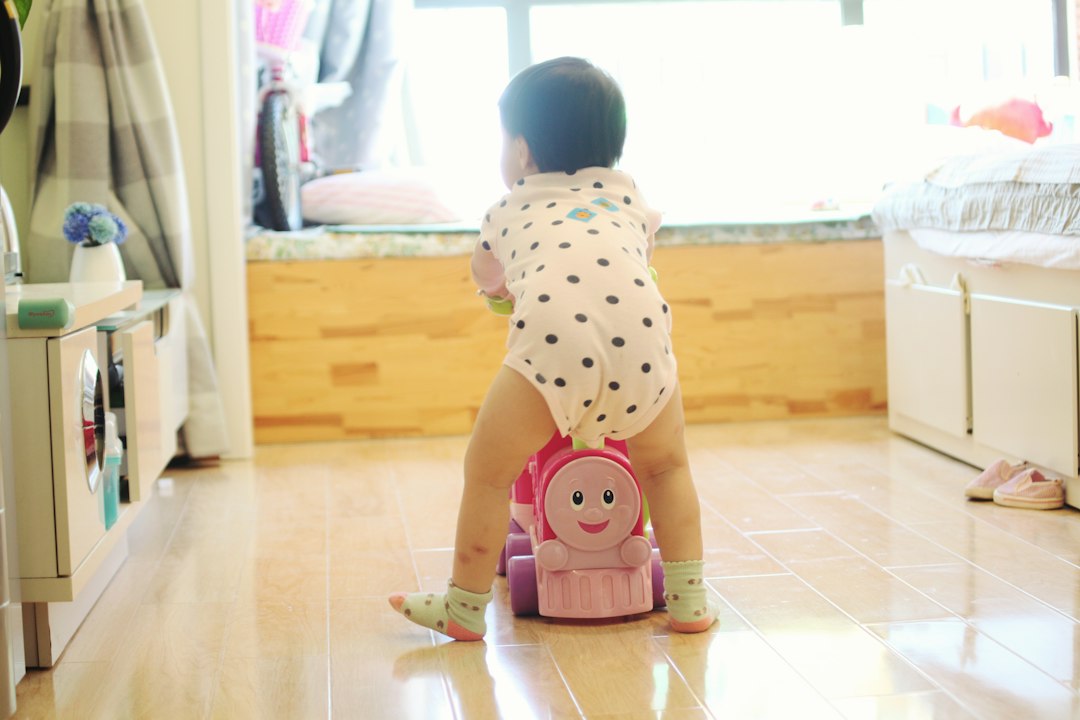
Your baby may move objects from one hand to the other, bang two toys together or use their fingers to explore food. They may enjoy dropping a toy and watching what happens when you pick it up.
These repeated actions help your baby learn about movement, sound and cause and effect. Offer safe toys that are easy to grasp and too large to swallow.
Learning about objects
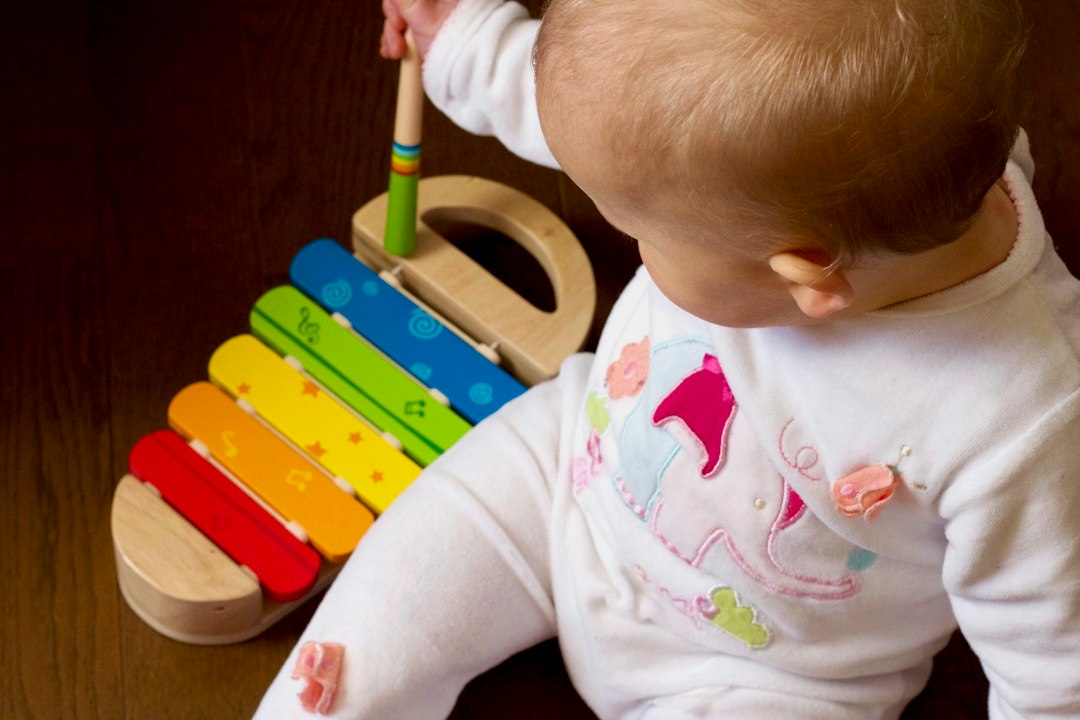
Your baby may begin to look for a toy that has partly disappeared from view. You can support this curiosity by hiding a toy partly under a cloth during supervised play and allowing your baby to reach for it.
Keep objects large, clean and safe. Never use plastic bags, loose strings or small household objects as play materials.
Language and Social Development
Babbling and listening
Your baby may make longer strings of repeated sounds, such as ba-ba-ba or ma-ma-ma. These are important steps in vocal development, but they are not necessarily meaningful words yet.
Talk to your baby throughout the day. Name objects, describe simple actions and respond when your baby makes sounds. Songs, picture books and familiar routines provide natural opportunities to hear language.
Responding to their name and familiar voices
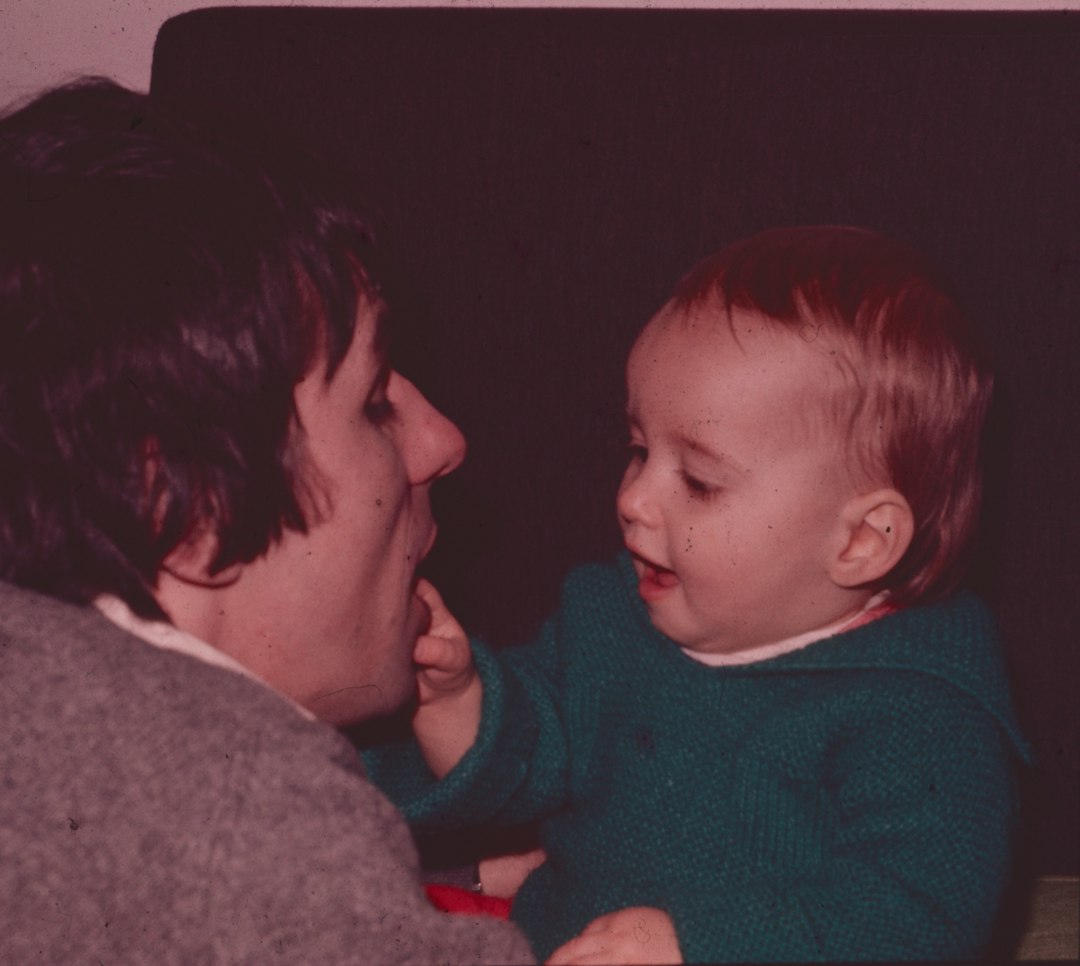
Some babies increasingly turn towards a familiar voice or respond when their name is called. The timing varies. Make sure your baby can see your face when you speak and reduce background noise during play.
Social awareness and separation
Your baby may show stronger preferences for familiar caregivers and may be cautious around unfamiliar people. They may also react when you leave the room. Offer reassurance, keep departures calm and allow your baby time to become comfortable with new people.
Shared games
Peek-a-boo, passing a toy back and forth and copying sounds are simple ways to build shared attention. Your baby may begin to anticipate a familiar action and smile before it happens.
Feeding, Sleep and Safety
By eight months, many babies are exploring a wider range of complementary foods. Offer a variety of suitable foods and textures according to your baby’s ability to manage them. Soft, well-cooked vegetables, mashed foods, suitable fruits, iron-rich foods and age-appropriate cereals can all form part of a varied diet.
Your baby may show interest in feeding themselves. With close supervision, you can offer appropriately prepared soft foods that are easy to handle. Avoid foods that are hard, round, sticky or difficult to chew. Always seat your baby upright and remain within reach during meals.
Breast milk or infant formula remains an important part of nutrition throughout the first year. Do not replace it with cow’s milk as the main drink before 12 months. Honey should also be avoided until after the first birthday.
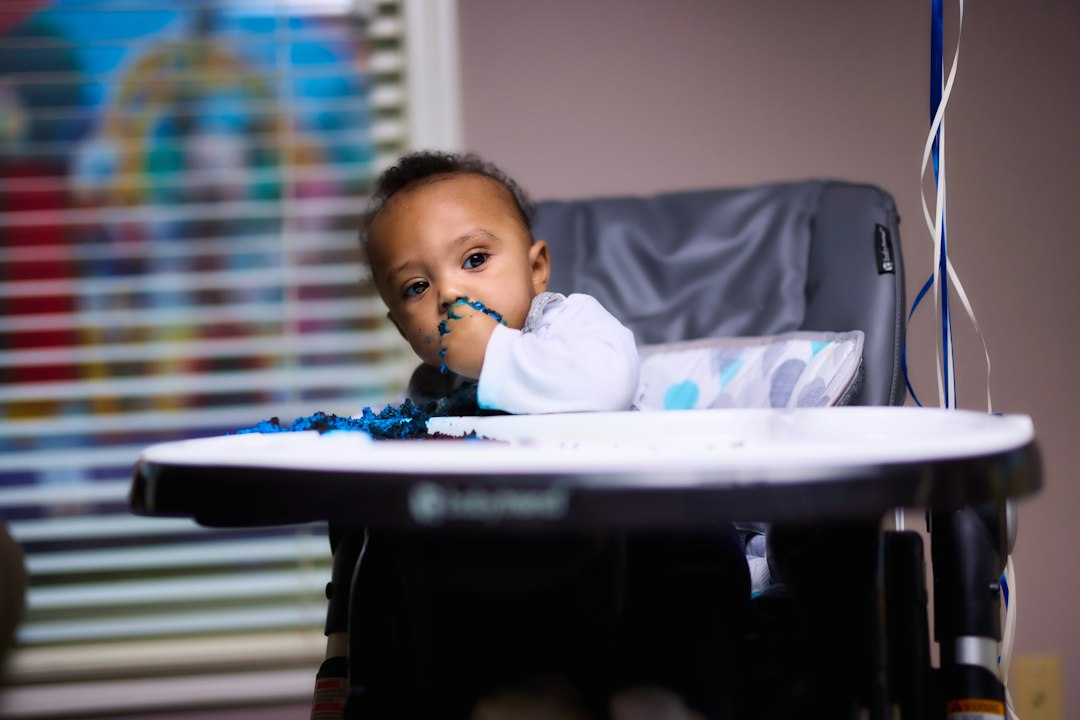
As mobility increases, home safety becomes especially important. Check floors for small objects, secure furniture that could tip, use safety gates where appropriate and keep medicines, cleaning products, batteries and cords out of reach. Never leave your baby unattended near water, even in a small amount.
Sleep can remain variable. Continue with a calm bedtime routine and follow safe-sleep recommendations: place your baby on their back at the start of sleep, on a firm, flat surface, with no pillows, loose blankets or soft toys in the sleep area.
Simple Activities to Try with Your 8-Month-Old
Hide and find — Partly cover a large favourite toy with a light cloth and encourage your baby to reach for it. This supports attention and early object permanence. Materials: One large toy and a light cloth. Safety: Keep the cloth away from your baby’s face and remove it immediately after the game.
Move and reach — Place a toy a short distance away on a clear floor and let your baby choose how to reach it. This encourages movement, coordination and problem-solving. Materials: A clear floor area and one favourite toy. Safety: Stay close, clear the area and never place toys on raised surfaces.
Tap and listen — Offer two safe infant toys that make a gentle sound when tapped together. Let your baby explore for 1–2 minutes. This supports cause-and-effect learning and listening. Materials: Two large, baby-safe toys. Safety: Avoid hard, heavy or breakable objects and keep sounds gentle.
Pass the toy — Offer a lightweight toy and allow your baby to move it between hands or offer it back to you. This practises coordination and social interaction. Materials: A large, easy-to-hold toy. Safety: Avoid small parts, strings and loose components.
Container play — Place a few large baby-safe toys in a sturdy open container and let your baby take them out one at a time. This supports exploration and problem-solving. Materials: A wide container and large infant toys. Safety: Use only objects too large to swallow; supervise continuously.
Picture-book conversation — Point to pictures, name familiar objects and pause for your baby to respond with sounds or gestures. This supports listening and early communication. Materials: A sturdy board book. Safety: Stay with your baby and keep books out of the sleep space.
Keep play relaxed and responsive. These activities are opportunities to connect, not tests or exercises that your baby must complete. Follow your baby’s cues and take breaks whenever needed. For more ideas, see our guide to play activities that support baby development.
When to Talk to Your Pediatrician
The CDC’s nine-month milestone checklist is a useful upcoming reference point. It includes skills such as sitting without support, moving objects between hands, making varied repeated sounds and looking when their name is called. These are skills most babies demonstrate by nine months, not a list that every eight-month-old must already complete.
Talk with your healthcare professional if you have concerns about movement, communication, hearing, vision, feeding or social interaction. Seek advice if your baby loses a skill they previously had. A clinician can assess development in context and recommend screening if needed.
Looking Ahead to 9 Months
The next month may bring new ways to sit, move, communicate and explore. Your baby may become more interested in games that involve taking turns, looking for hidden objects and exploring food with their fingers. Continue creating a safe environment where your baby can practise new skills at their own pace.
Sources for parents: CDC: Milestones by 9 Months · CDC: Foods and Drinks for 6 to 24 Month Olds · AAP: Safe Sleep
Sources and Further Reading
- CDC – Developmental Milestones by 6 Months
- CDC – Developmental Milestones by 9 Months
- WHO – Complementary Feeding for Infants and Young Children 6–23 Months
- CDC – About Sleep
Continue Exploring Baby Development
← Previous: Baby Development at 7 Months
Explore the complete series: Child Development by Age: A Complete Guide from Birth to 12 Years