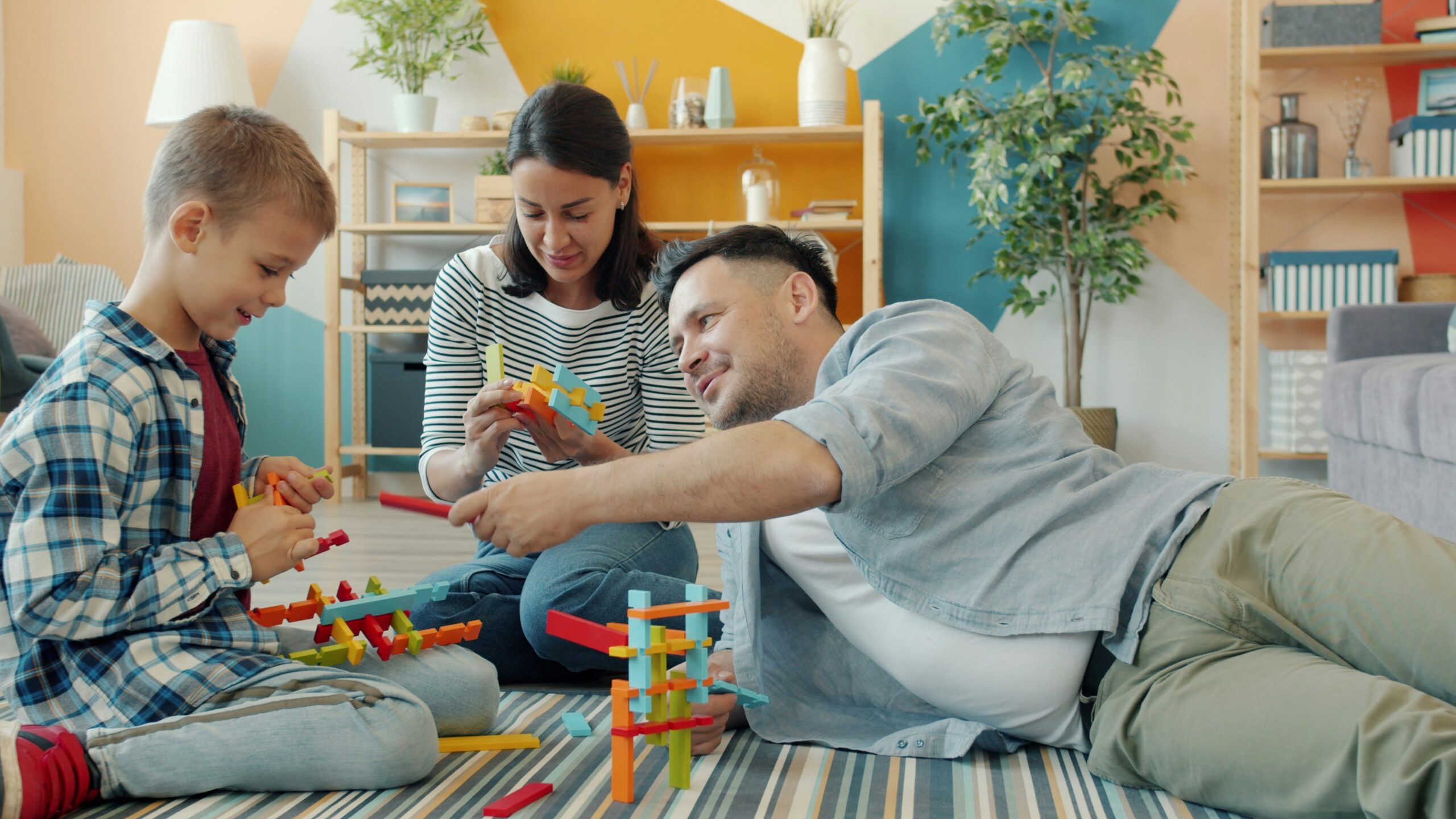
Understanding your child’s physical, cognitive, language, social and emotional development – and how to support every stage of growing up.
Every child grows at their own pace. One baby may take their first steps early, while another may spend more time developing the confidence to walk. One child may love books and storytelling, while another learns best through movement, building and hands-on exploration.
Understanding child development helps parents recognise these differences, support emerging abilities and identify when a child might benefit from additional guidance.
From the first smiles of infancy to the growing independence of the preteen years, childhood brings remarkable changes. Children’s bodies grow, their brains develop, their communication becomes more sophisticated, and their relationships with family and friends evolve.
This guide explores child development from birth to 12 years, covering the major developmental stages, important milestones, practical activities and ways parents can encourage healthy growth.
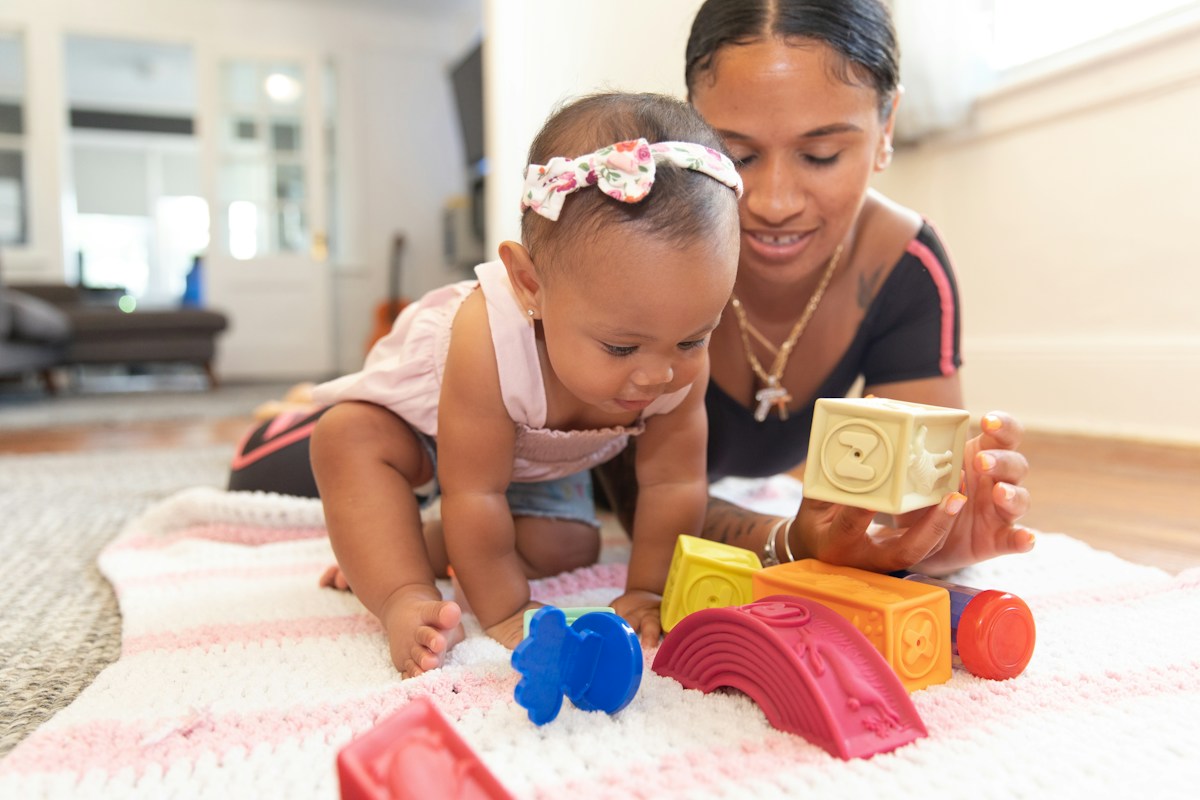
What Is Child Development?
Child development is the process through which children acquire the physical, cognitive, communication, social, emotional and everyday living skills they need as they grow.
It begins before birth and continues throughout childhood and adolescence. Development is influenced by genetics, nutrition, health, relationships, experiences, environment and opportunities to learn.
The early years are particularly important. During infancy and early childhood, the brain develops rapidly, creating foundations for learning, communication, relationships and emotional wellbeing. However, development continues throughout the school years, when children build more advanced reasoning, emotional awareness, social understanding and independence.
The World Health Organization describes nurturing care as including good health, adequate nutrition, safety and security, responsive caregiving and opportunities for early learning. These foundations support development across childhood.
Development is not a race. Children do not acquire every skill at exactly the same age, and differences in the timing of individual milestones are common.
The Five Main Areas of Child Development
Physical Development
Physical development involves changes in the body, movement and coordination. Gross motor skills include large movements such as crawling, walking, running, jumping and climbing. Fine motor skills involve smaller movements such as grasping objects, drawing, writing and using utensils. Balance, posture, strength and hand-eye coordination also develop throughout childhood.

Cognitive Development
Cognitive development refers to how children think, learn, understand and solve problems. It includes memory, attention, curiosity, cause and effect, pattern recognition, reasoning, planning, decision-making, imagination and creativity. Babies explore through their senses; toddlers experiment with objects; older children develop increasingly sophisticated reasoning.
Language and Communication Development
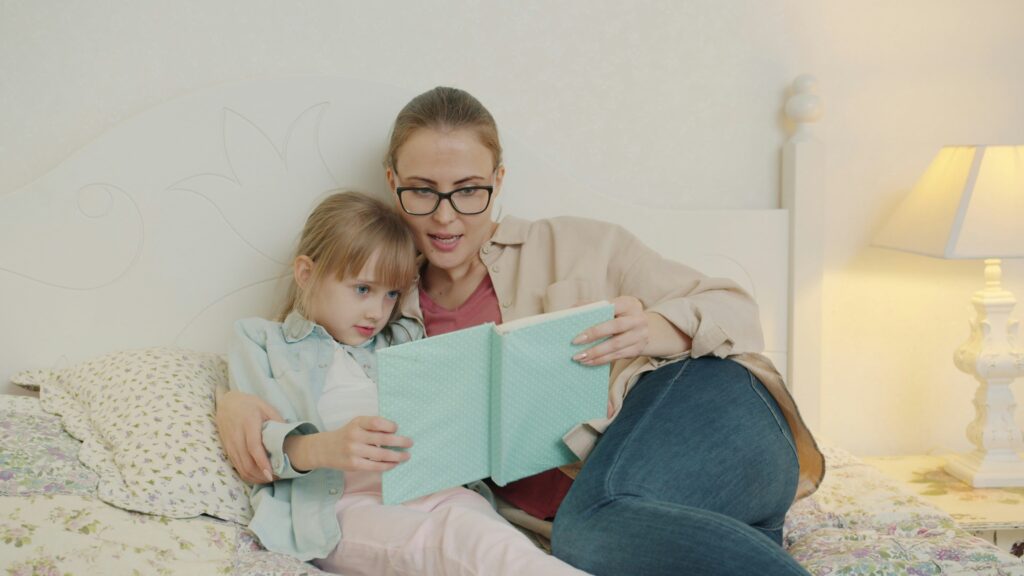
Language development begins long before a child says their first word. Babies communicate through crying, facial expressions, eye contact, sounds and gestures. Gradually, they understand words, respond to familiar voices and use spoken language. As children grow, vocabulary expands and they learn to express ideas, ask questions, tell stories and participate in conversations. Reading, writing and listening become increasingly important during the school years.
Social and Emotional Development
Social and emotional development describes how children understand their feelings, form relationships and interact with other people. It includes attachment, recognising and expressing emotions, confidence, empathy, cooperation, emotional regulation, friendships and identity. Young children depend on adults to help them manage emotions; older children gradually develop their own strategies while continuing to need support.
Independence and Everyday Skills
Independence develops gradually through everyday experiences. Skills include feeding, dressing, personal hygiene, following routines and instructions, managing belongings, taking responsibility for simple tasks and making age-appropriate decisions. Allowing children to practise these skills helps build confidence.
Child Development from Birth to 12 Years
Baby Development: Birth to 12 Months
The first year of life is a period of extraordinary development. Babies move from being almost entirely dependent on caregivers to becoming increasingly active, curious and interactive.
Physical development: Babies gradually gain control over their heads, arms, hands and legs. They begin reaching for objects, rolling, sitting, crawling or moving in other ways, and eventually may pull themselves up to stand. Not every baby follows exactly the same sequence; some skip crawling.
Cognitive development: Babies learn through looking, listening, touching and exploring. They begin recognising familiar people, understanding simple cause-and-effect relationships and searching for objects that disappear from view.
Language and communication: Early communication includes crying, cooing, babbling, gestures and facial expressions. Towards the end of the first year, many babies respond to familiar words and may use simple words or gestures.
Social and emotional development: Attachment becomes increasingly important. Babies develop familiar relationships with caregivers and may show separation anxiety or caution around unfamiliar people.
How parents can help: Talk and sing to your baby, provide supervised tummy time while awake, read simple picture books, offer safe age-appropriate toys and respond to sounds, expressions and gestures.
Explore the monthly guides: 1 month, 2 months, 3 months, 4 months, 5 months, 6 months, 7 months, 8 months, 9 months, 10 months, 11 months and 12 months.
Toddler Development: Ages 1–2
The second year brings significant changes in movement, communication and independence. Many toddlers develop walking skills, improve balance and begin running, climbing and squatting. Fine motor abilities improve as they pick up smaller objects, turn pages and use simple utensils.
Toddlers experiment with cause and effect, imitate adults and begin solving simple problems. Pretend play may emerge. Vocabulary develops at different rates, and many toddlers begin combining words into simple phrases during this period. Strong emotions and frustration are common as the desire for independence grows faster than the ability to communicate and regulate feelings.
Activities include stacking blocks, simple puzzles, picture books, singing action songs and supervised outdoor exploration.
Preschool Development: Ages 3–5
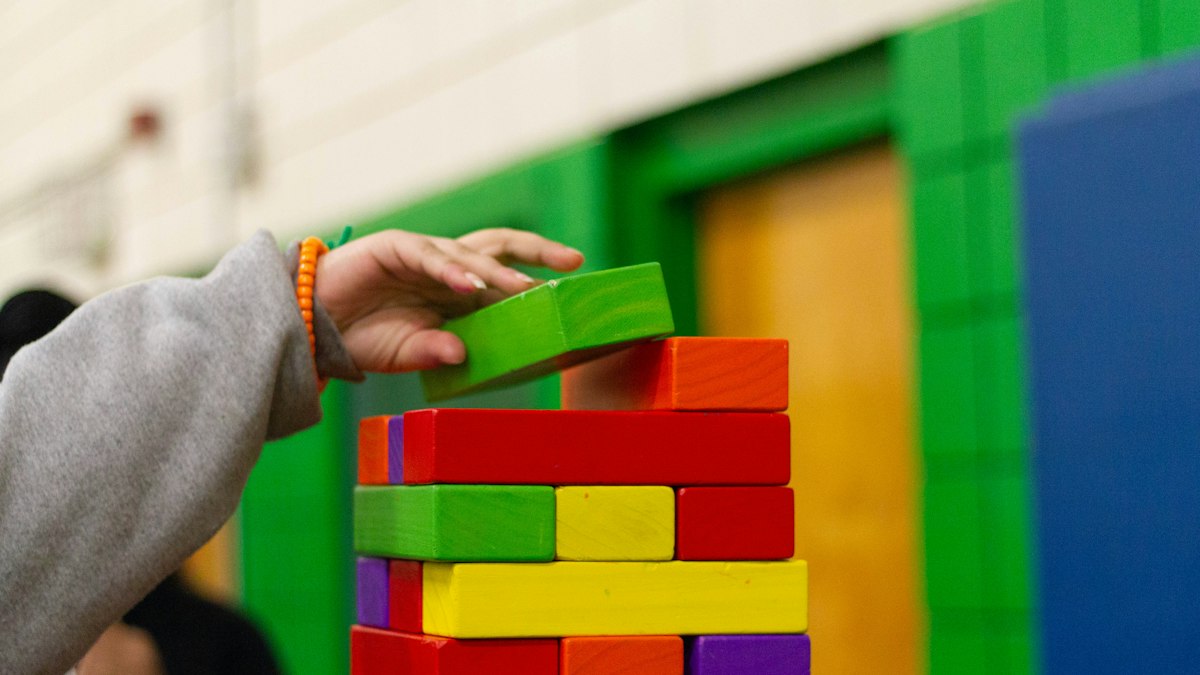
Between ages 3 and 5, imagination, communication and social abilities develop significantly. Children become more confident running, jumping, climbing, hopping and balancing. Drawing, building and manipulating objects help refine fine motor control.
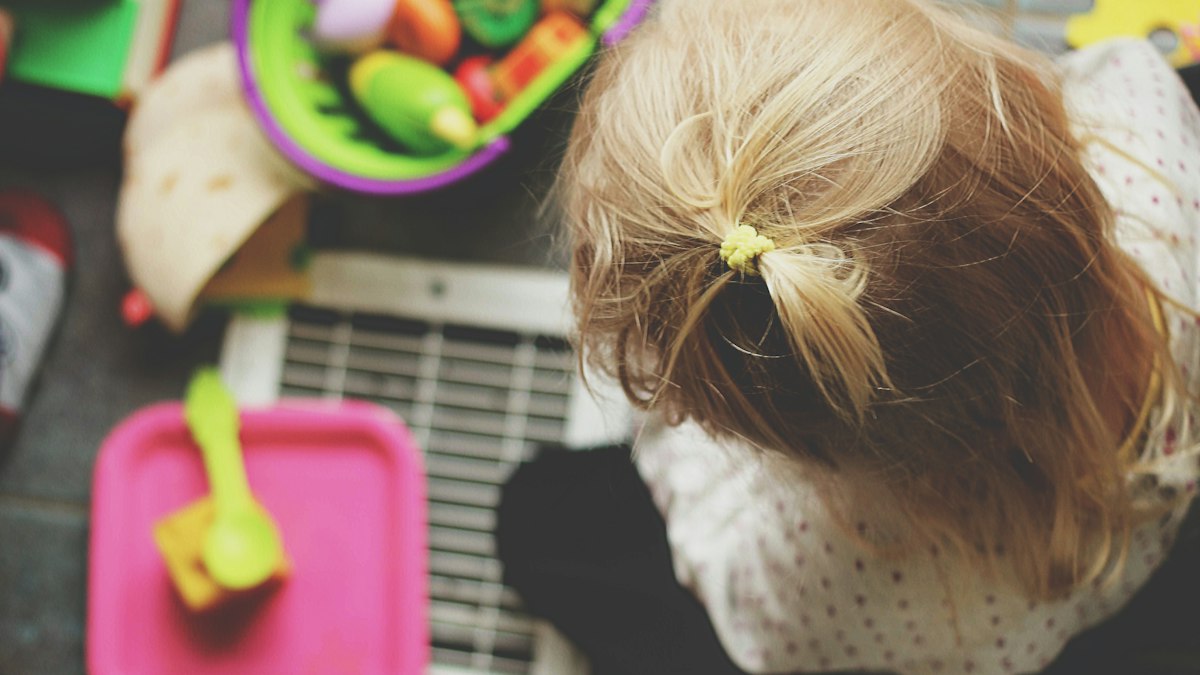
Imaginative play becomes more complex. Children ask questions, recognise patterns, learn basic numbers and begin understanding time, quantity and comparison. Sentences become longer, storytelling develops and many children show interest in letters, sounds and early writing.
Friendships and group play become more important. Children begin learning to share, take turns, cooperate and understand other people’s feelings, although managing disappointment can still be challenging. Drawing, storytelling, pretend games, puzzles and outdoor play are useful activities.
Early School Years: Ages 6–8
Starting school introduces new challenges and opportunities. Reading, writing and mathematics become central to learning. Children develop better memory, concentration and the ability to follow multi-step instructions. Balance, coordination, strength and endurance continue improving through sports, cycling, swimming and playground activities.
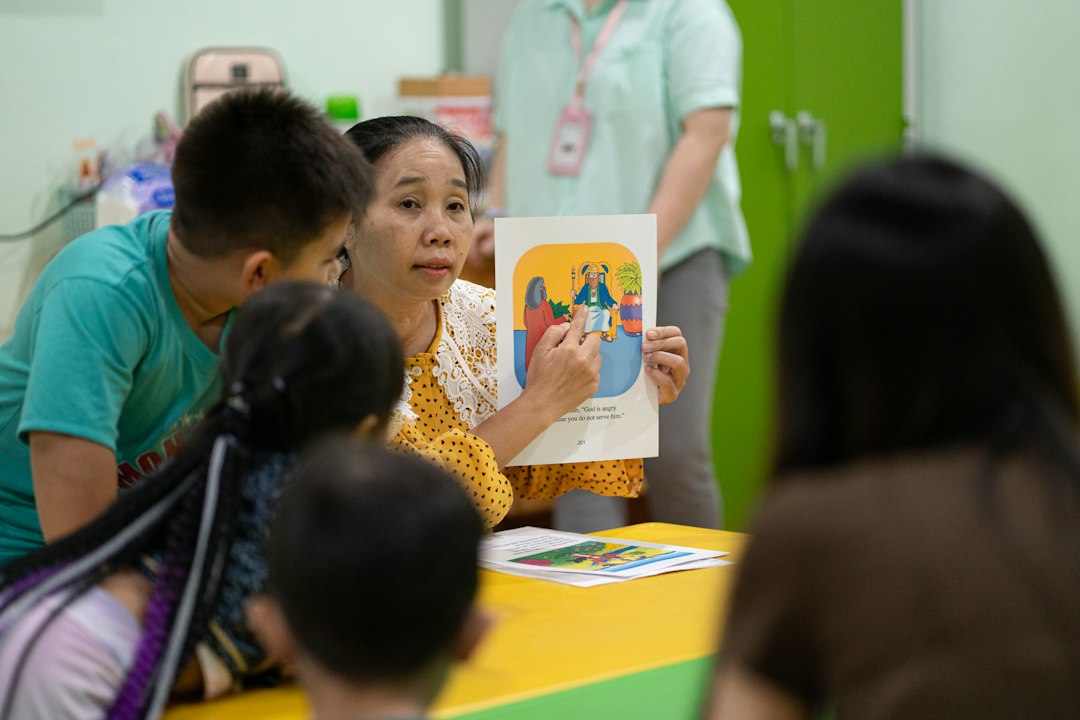
Friendships become more meaningful. Children may become sensitive to praise, criticism and perceived success or failure. They gradually take responsibility for school materials, simple household tasks and personal routines. Board games, team sports, reading together, creative projects and simple science experiments support learning.
Middle Childhood: Ages 9–10
Between ages 9 and 10, children often become more independent thinkers. Their interests may become more specialised, and friendships and peer relationships can have a stronger influence. Reasoning, comparison, problem-solving and communication become more sophisticated. Some children begin experiencing early signs of puberty, although timing varies considerably.
Children can increasingly organise schoolwork, manage belongings and take responsibility for agreed household tasks. Strategy games, creative writing, sports, music, coding projects and collaborative activities offer opportunities to practise new skills.
Preteen Development: Ages 11–12
The transition towards adolescence begins at different times. Some children begin puberty during this period, with growth spurts, changes in body shape, body hair and other hormonal changes. The timing and sequence differ between individuals.
Reasoning becomes more sophisticated. Children consider different perspectives, question assumptions and think more independently. Peer relationships can become particularly important, and children may seek more privacy while still needing emotional security and support from family. Team sports, creative hobbies, collaborative projects, independent reading and age-appropriate responsibilities can support this transition.
How Parents Can Support Healthy Development
Talk, Read and Listen Every Day
Conversation helps children develop vocabulary, communication skills and confidence. Read together, ask open-ended questions and encourage children to explain what they think. Describing everyday activities also creates learning opportunities.
Encourage Play and Exploration
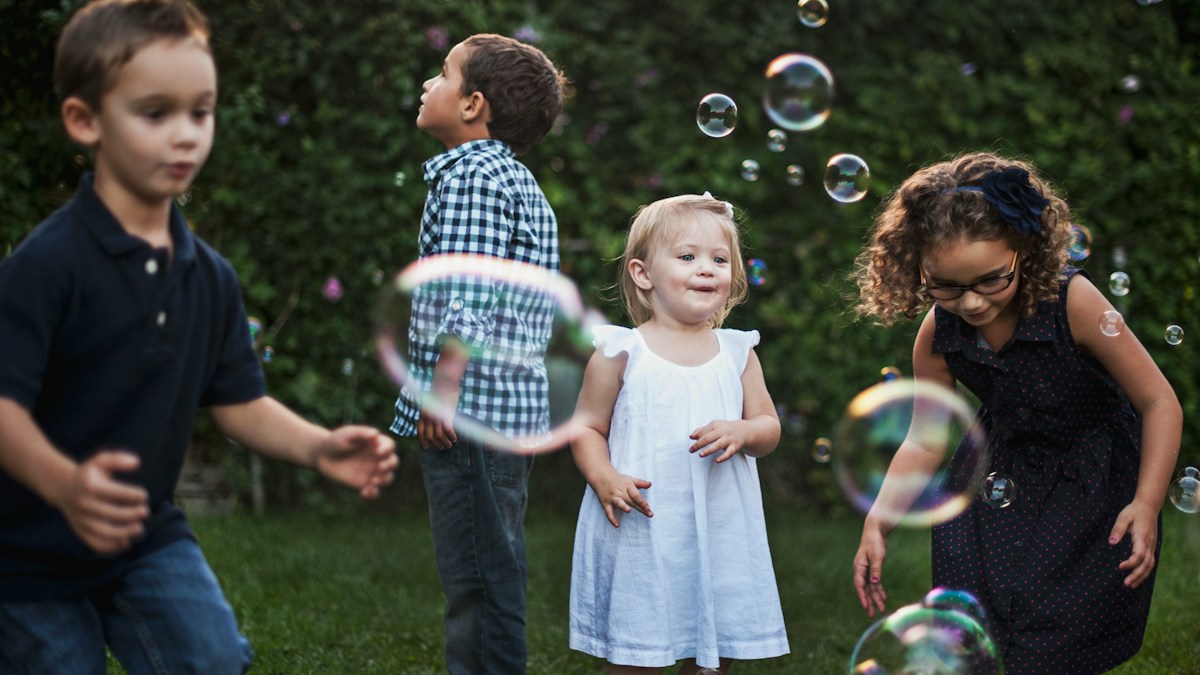
Play is one of the most important ways children learn. Building blocks, puzzles, drawing, pretend play, outdoor exploration and simple games encourage creativity, coordination, problem-solving and social skills. Leave room for unstructured play.
Support Physical Activity
Movement supports physical development and general health. Encourage age-appropriate activities such as walking, running, cycling, swimming, dancing and playground play. Choose activities children enjoy rather than focusing only on performance.
Build Emotional Security
Children need to feel safe, loved and understood. Listen when they express concerns, acknowledge their emotions and help them find appropriate ways to manage frustration. Make it comfortable to discuss mistakes and disappointments.
Encourage Independence
Allow children to try tasks before stepping in. Toddlers might attempt to use a spoon, preschoolers might put away toys, and older children might organise school materials. The goal is practice, not perfection.
Establish Healthy Everyday Routines
Consistent routines around sleep, meals, physical activity, schoolwork and family time can help children feel secure. Children also benefit from age-appropriate limits on digital media and opportunities to interact with people and the world beyond screens.
Developmental Milestones and When to Seek Help
Developmental milestones describe skills children commonly acquire as they grow. They include smiling and responding to familiar people, rolling, sitting, crawling and walking, using sounds and words, following instructions, playing with others and developing self-care skills.
Milestones are useful reference points, not strict deadlines. The CDC’s Learn the Signs. Act Early. programme provides milestone checklists at selected ages from 2 months through 5 years. These checklists describe skills that at least 75% of children can do by a particular age. They are not diagnostic tools and do not cover every month or every aspect of development.
For older children, parents can discuss progress in learning, communication, physical abilities, friendships and emotional wellbeing with teachers and healthcare professionals.
Consider discussing your child’s development with a pediatrician or qualified professional if your child is not developing certain expected skills, has persistent difficulties with communication or interaction, experiences significant movement or coordination difficulties, struggles with learning or everyday activities, or has concerns involving emotional wellbeing or social relationships. Loss of previously acquired skills warrants prompt professional assessment.
Parents should not wait for a particular birthday if they have concerns. Developmental screening and professional evaluation can help clarify a child’s individual needs. Seeking advice does not mean something is necessarily wrong; it is a way to make sure children receive appropriate support.
Every Child Develops in Their Own Way
There is no single timetable that describes every child’s journey from infancy to age 12. Some children develop language skills early, while others show strengths in physical activities, creativity or problem-solving. Some are outgoing, while others prefer quieter environments and smaller social groups.
The most valuable thing parents can provide is a supportive environment where children feel safe to explore, make mistakes, ask questions and develop their own interests. Rather than comparing children with siblings, classmates or developmental charts, focus on understanding your child’s progress over time.
Small everyday moments – reading a story, playing together, talking about the day, learning a new skill or simply listening – can make a meaningful contribution to healthy development. Growing up is not a competition. It is a journey, and children benefit most when they have supportive adults alongside them.
Explore Our Child Development Guides
This guide is the starting point for the WorldWithKids Child Development series. We will expand it with dedicated guides covering each stage of childhood.
Baby Development: Month by Month
1 Month · 2 Months · 3 Months · 4 Months · 5 Months · 6 Months · 7 Months · 8 Months · 9 Months · 10 Months · 11 Months · 12 Months
Child Development: Year by Year
Age 1 · Age 2 · Age 3 · Age 4 · Age 5 · Age 6 · Age 7 · Age 8 · Age 9 · Age 10 · Age 11 · Age 12
Related reading: 7 Simple Play Activities That Support Baby Development and Best Books for Kids by Age.
References: CDC – Learn the Signs. Act Early.; American Academy of Pediatrics – HealthyChildren.org; World Health Organization – Improving Early Childhood Development; UNICEF – Early Childhood Development; MedlinePlus – School-Age Children Development.
This article is intended for educational purposes and does not replace individual medical advice or developmental assessment.
Comments
One response to “Child Development by Age: A Complete Guide from Birth to 12 Years”
[…] For a broader overview of development throughout childhood, visit our Child Development by Age: A Complete Guide from Birth to 12 Years. […]