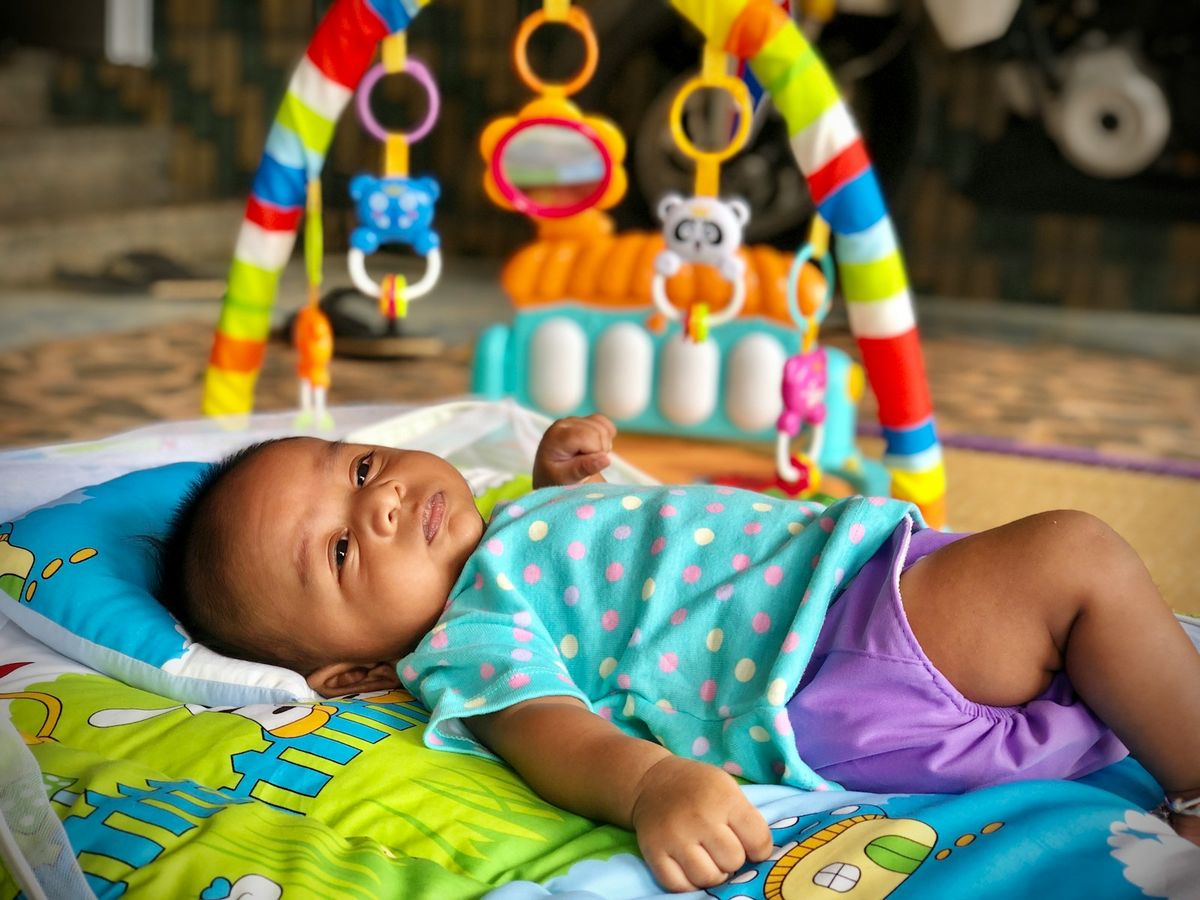
Five months is an exciting stage in your baby’s first year. Your baby may be becoming more expressive, reaching for toys with greater purpose, making new sounds and showing a growing interest in the people and objects around them. Everyday interactions are becoming more like little conversations, even though your baby is not using words yet.
Development does not happen at exactly the same speed for every child. Some five-month-old babies are already rolling, while others are still practising the movements that will help them get there. The most useful approach is to notice your baby’s progress over time, provide safe opportunities to explore and discuss any concerns with your healthcare professional.
Table of Contents
- What to Expect at 5 Months
- Physical and Cognitive Development
- Language and Social Development
- Simple Activities to Try with Your 5-Month-Old
- When to Talk to Your Pediatrician
What to Expect at 5 Months
At five months, many babies are more alert during the day and increasingly interested in what is happening around them. Your baby may recognise familiar voices, respond with smiles, laugh during playful interactions or become excited when a favourite person approaches.
You may also notice that your baby wants to participate more actively in everyday routines. They might reach towards a toy, watch you prepare a bottle, turn towards a familiar sound or become interested in the movement of people across the room.
These changes reflect several areas of development working together. Physical control helps your baby reach and explore. Vision and hearing help them notice what is happening. Social interaction encourages communication, while repeated experiences help your baby begin to understand simple patterns.
Physical and Cognitive Development
Growing head and upper-body control
Your baby’s neck and upper-body strength may be improving. During supervised tummy time, they may push up on their forearms, lift their head and look around. Some babies begin pushing through their hands as their strength develops.
Continue offering short, comfortable periods of tummy time while your baby is awake and directly supervised. If your baby becomes tired or frustrated, take a break and try again later.

Reaching, grasping and exploring
Your baby may now reach more deliberately for toys and bring objects towards their mouth. This is a normal way of exploring, but it means that anything within reach needs to be safe.
Choose large, lightweight, age-appropriate toys without detachable small parts, sharp edges or long cords. Stay close while your baby explores.

Rolling and changing positions
Some babies begin rolling from tummy to back around this stage, while others need more time. Your baby may twist their body, shift their weight or kick their legs as they practise.
Never leave your baby unattended on a bed, sofa or changing table. A baby who has not rolled before can surprise you with a sudden movement.
Language and Social Development
More sounds and early conversations
Your baby may experiment with squeals, coos, gurgles and other sounds. They may pause when you speak and make a sound in response. Try copying your baby’s sounds, waiting for a response and then answering again. This simple back-and-forth exchange helps build the foundations of communication.
Recognising familiar people
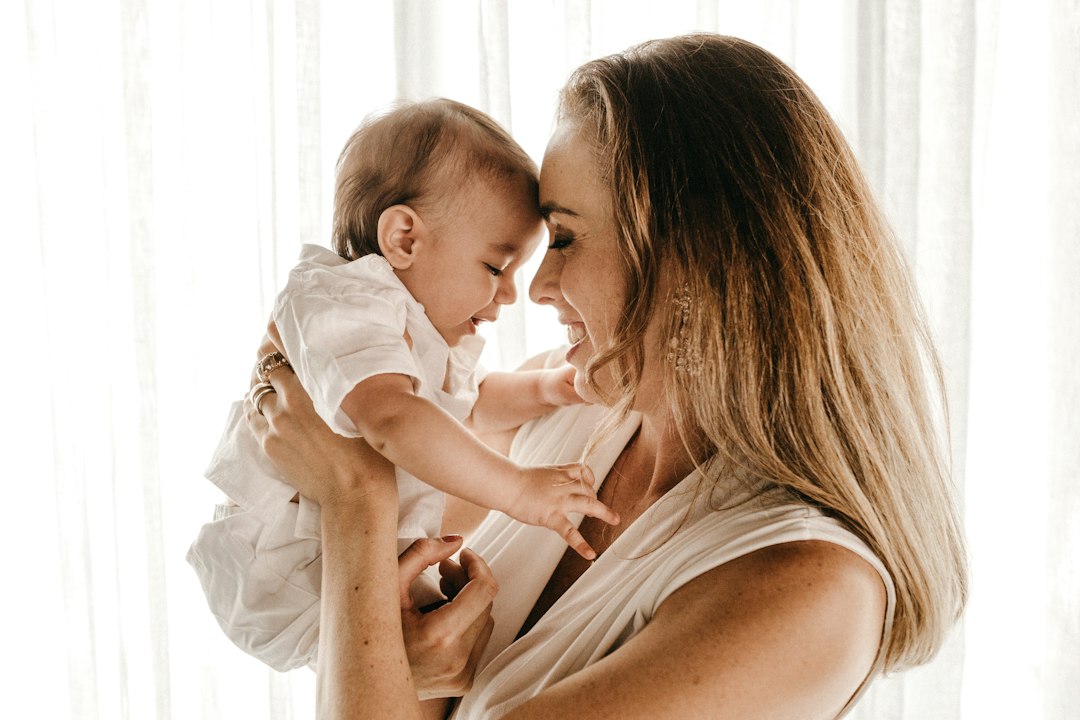
Your baby may show clear enjoyment when seeing familiar caregivers. Smiling, laughing, kicking excitedly or becoming calmer when held by someone familiar are all ways of expressing connection.
Learning through facial expressions
Babies pay close attention to faces. Smile, talk, sing and use gentle changes in expression during everyday interactions. Give your baby time to look at you and respond.

Feeding, Sleep and Daily Routines
Breast milk or infant formula remains your baby’s main source of nutrition at five months. Many babies are not developmentally ready for complementary foods until around six months. Do not start solids simply because your baby seems interested in watching you eat or wakes more often at night.
Readiness involves several abilities developing together, including good head and neck control, the ability to sit with support, coordination to bring food towards the mouth and the ability to swallow food rather than consistently push it out. Discuss timing with your baby’s healthcare professional.
Sleep patterns can continue to change. Some babies have longer stretches at night, while others still wake for feeds or comfort. A calm and predictable bedtime routine may help your baby recognise that sleep is approaching.
For every sleep, place your baby on their back on a firm, flat, non-inclined sleep surface. Keep pillows, loose blankets, bumpers and soft toys out of the sleep space.
Simple Activities to Try with Your 5-Month-Old
Reach and grasp — Offer a lightweight toy just within comfortable reach and let your baby try to touch or hold it for 2–3 minutes. This practises coordination and purposeful movement. Materials: A large, easy-to-hold infant toy. Safety: Avoid small parts, loose components and long cords.
Supported sitting and looking — Sit on the floor with your baby and support their trunk as needed while they look at or reach for a toy. This gives gentle practice with balance and posture. Materials: A clear floor mat and one toy. Safety: Keep your hands on your baby; do not leave them propped or sitting unattended.
Rattle, pause and listen — Gently shake a baby-safe rattle to one side, pause and let your baby turn towards the sound. This encourages listening and sound-location skills. Materials: A sealed, age-appropriate infant rattle. Safety: Keep the rattle away from the face and check that it has no detachable parts.
Rolling encouragement — During supervised floor play, place a toy slightly to one side and allow your baby to turn naturally towards it. This encourages body awareness and movement. Materials: A firm play mat and one toy. Safety: Never pull or roll your baby by the arms or legs.
Songs and shared reading — Sing or look at a sturdy picture book for 2–4 minutes, naming a picture and pausing. This supports listening, attention and connection. Materials: A cloth or board book, if available. Safety: Stay beside your baby and do not leave books or toys in the sleep space.
Keep play relaxed and responsive. These activities are opportunities to connect, not tests or exercises that your baby must complete. Follow your baby’s cues and take breaks whenever needed. For more ideas, see our guide to play activities that support baby development.

Picture-book moments: Show a few colourful pictures and name what you see. You do not need to read every word.
Gentle songs: Sing familiar songs and pause at predictable moments so your baby can listen and respond.
Keep activities short and follow your baby’s cues. A tired or overstimulated baby may look away, fuss or need a quiet cuddle.
When to Talk to Your Pediatrician
Discuss your baby’s development during routine health visits. Contact your healthcare professional if you have concerns about movement, hearing, vision, feeding, interaction or any skill your baby previously had and then lost. You do not need to wait for a particular appointment if something worries you.
Developmental milestones are useful observation guides, not a diagnosis. Your baby’s healthcare professional can consider their overall development and recommend screening or further assessment when appropriate.
Looking Ahead to 6 Months
The next month may bring new ways to explore toys, more expressive sounds and growing interest in food. Around six months, many babies reach an important stage for complementary feeding, provided they show the necessary readiness signs. Continue offering safe floor play, warm interaction and plenty of opportunities to practise at your baby’s own pace.
Sources for parents: CDC developmental milestones at 6 months · AAP developmental milestones · NHS: Help your baby learn to talk
Sources and Further Reading
- CDC – Developmental Milestones by 4 Months
- CDC – Developmental Milestones by 6 Months
- CDC – About Sleep
Continue Exploring Baby Development
← Previous: Baby Development at 4 Months
Explore the complete series: Child Development by Age: A Complete Guide from Birth to 12 Years