
Six months is a major milestone in your baby’s first year. Your baby may be becoming stronger, more expressive and increasingly curious about the world. Reaching for toys, laughing, making new sounds and exploring objects with their hands and mouth are all part of this stage.
For many families, six months also marks the beginning of complementary feeding. This is an important transition, but breast milk or infant formula remains a central source of nutrition. Starting solids should depend on developmental readiness, not simply the calendar.
Every baby develops at an individual pace. Use milestones as a way to observe progress, not as a strict test that your baby must pass on a particular day.
Table of Contents
- What to Expect at 6 Months
- Physical and Cognitive Development
- Language and Social Development
- Simple Activities to Try with Your 6-Month-Old
- When to Talk to Your Pediatrician
What to Expect at 6 Months
At around six months, many babies are more engaged with familiar people and enjoy playful interaction. Your baby may laugh, recognise familiar faces, reach for a favourite toy or become fascinated by their reflection.
You may notice that your baby is also becoming more active during floor play. They might roll from tummy to back, push up with straighter arms while on their tummy or lean on their hands when practising sitting.
The CDC lists several skills that most babies demonstrate by six months, including recognising familiar people, laughing, taking turns making sounds, reaching for a wanted toy and exploring objects with their mouths. These are observation points rather than a complete description of every baby’s abilities.
Physical and Cognitive Development
Strength, balance and movement
Your baby’s head and upper-body control may be more developed. During tummy time, they may push up with straight arms and look around. Some babies roll from tummy to back, while others are still practising.
When sitting, your baby may lean forward and use their hands for support. This is sometimes called tripod sitting. Stay close and provide support; do not leave your baby sitting on a raised surface.

Reaching and hand coordination
Your baby may reach for a toy with greater accuracy and use both hands to explore it. They may transfer an object between hands or bring it to their mouth to learn about its texture and shape.
Because mouthing is common, check toys and the floor area carefully. Avoid small objects, loose parts, button batteries, magnets and anything that could break into choking-sized pieces.

Curiosity and problem-solving
Your baby is beginning to learn through repetition. Dropping a toy, watching you pick it up and dropping it again can be an early exploration of cause and effect. Repeating a game is not wasted time; repetition helps babies understand what happens when they act.
Language and Social Development
Taking turns with sounds
Your baby may make squealing noises, blow raspberries or take turns making sounds with you. Respond to these sounds as if you are having a conversation. Pause, listen and answer.

Familiar faces and emotions
Your baby may show excitement when seeing familiar people and enjoy looking at themselves in a mirror. Laughter may become more frequent during games such as peek-a-boo.
Understanding the world through interaction
Talk about what your baby is looking at. Name a toy, describe a sound or point out a familiar object. These everyday exchanges build attention and early language understanding.
Starting Solid Foods
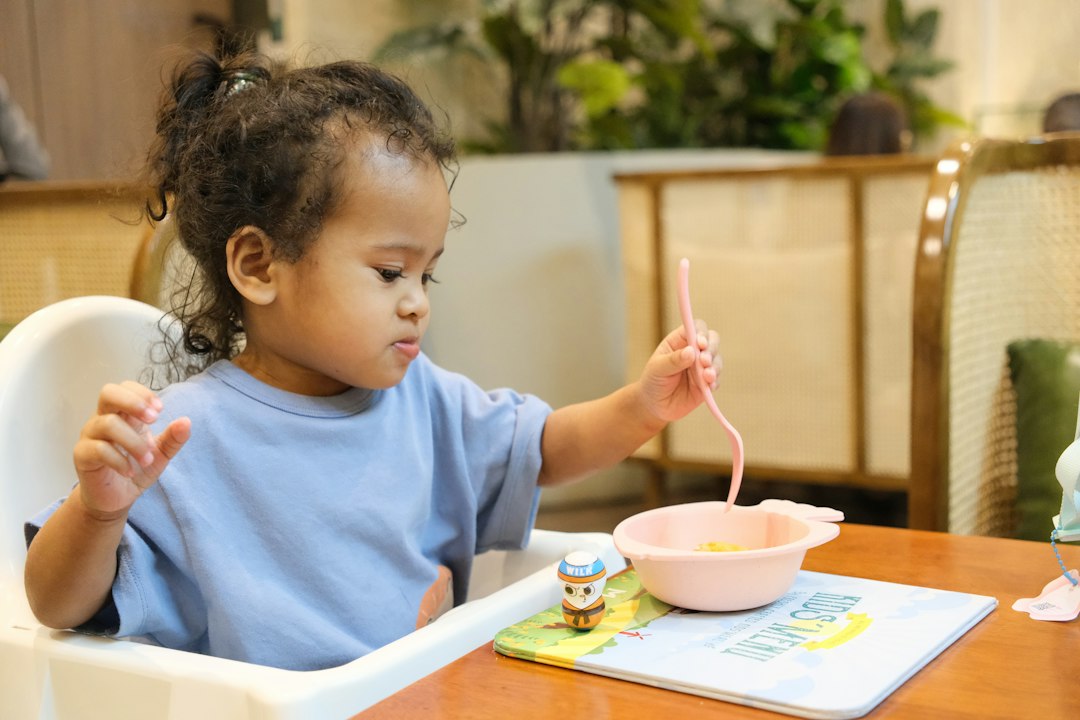
Around six months, many babies are ready to begin complementary foods alongside breast milk or infant formula. Look for readiness signs together: your baby can hold their head steady, sit with support, coordinate looking at food and bringing it towards their mouth, and swallow rather than consistently push food out.
Start with small amounts of soft, appropriately prepared food. There is no single required order for first foods. Depending on your family’s diet and your healthcare professional’s advice, options can include well-cooked and mashed vegetables, fruits, iron-rich foods, and suitable infant cereals.
Introduce one new single-ingredient food at a time initially, and follow professional guidance on observing possible reactions. Current guidance supports introducing common allergenic foods when complementary feeding begins, in age-appropriate forms. If your baby has severe eczema, a known food allergy or another medical concern, ask their healthcare professional about the safest approach, particularly for peanut introduction.
Avoid honey before 12 months. Do not offer whole nuts, whole grapes, popcorn, hard raw vegetables or other choking hazards. Your baby should be seated upright and closely supervised whenever eating.
Breast milk or infant formula continues to provide important nutrition throughout this stage. Solid foods complement milk feeds; they do not immediately replace them.
Sleep and Daily Routines
Some six-month-old babies begin to settle into more predictable sleep patterns, but night waking is still common. Teething, new skills, illness, hunger and changes in routine can all affect sleep.
A consistent wind-down routine can help: a feed, a quiet story, a cuddle and a calm sleep environment. Continue following safe-sleep guidance. Place your baby on their back at the start of every sleep, on a firm, flat, non-inclined surface with no loose bedding or soft objects.
Simple Activities to Try with Your 6-Month-Old
Peekaboo — Cover your face briefly with your hands, then reveal it with a smile. Repeat for 1–2 minutes to encourage attention and social interaction. Materials: None. Safety: Keep cloths away from your baby’s face; hands are enough.
Roll-and-reach play — During supervised floor time, place a toy to one side and let your baby turn or reach towards it. This gives practice with balance and coordinated movement. Materials: A firm, clear play mat and one toy. Safety: Do not pull your baby into a roll or leave them on a raised surface.
Two-hand toy exploration — Offer a lightweight toy that is easy to hold and allow your baby to explore it with both hands for 2–3 minutes. This supports grasping and hand coordination. Materials: A large, baby-safe toy. Safety: Use objects too large to swallow and avoid detachable pieces.
Supported sitting and reaching — Sit on the floor with your baby and provide support around the trunk as needed while they look at a toy. This practises postural control and reaching. Materials: A clear floor mat and one toy. Safety: Stay within arm’s reach and do not leave your baby sitting unsupported.
Babble conversations and books — Copy your baby’s sounds, pause for a response, or share a simple picture book for a few minutes. This supports early communication and shared attention. Materials: None, or a sturdy board book. Safety: Keep the interaction calm and follow your baby’s cues.
Keep play relaxed and responsive. These activities are opportunities to connect, not tests or exercises that your baby must complete. Follow your baby’s cues and take breaks whenever needed. For more ideas, see our guide to play activities that support baby development.
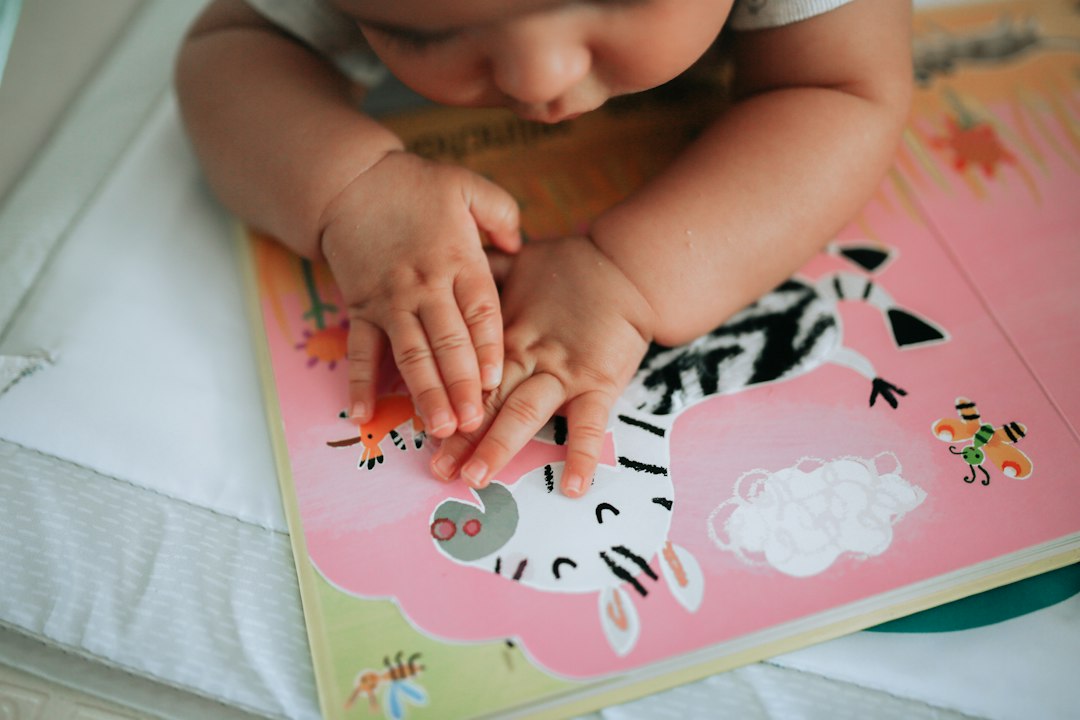
Food exploration: When your baby is ready for solids, allow them to look at, smell and explore safe food textures while seated upright and supervised.
When to Talk to Your Pediatrician
Talk with your baby’s healthcare professional if you have concerns about movement, interaction, hearing, vision, feeding or any loss of previously acquired skills. The CDC recommends discussing milestones and concerns at health visits. A milestone checklist is not a substitute for a validated developmental screening.
Looking Ahead to 7 Months
Over the next month, your baby may become more confident exploring objects, sitting with support and responding to familiar voices. Feeding experiences may gradually include a wider variety of suitable tastes and textures as your baby develops the skills to manage them safely. Keep offering responsive interaction and safe opportunities to move.
Sources for parents: CDC: Milestones by 6 Months · CDC: When, What and How to Introduce Solid Foods · AAP: Infant Food and Feeding
Sources and Further Reading
- CDC – Developmental Milestones by 6 Months
- WHO – Complementary Feeding for Infants and Young Children 6–23 Months
- CDC – About Sleep
Continue Exploring Baby Development
← Previous: Baby Development at 5 Months | Next: Baby Development at 7 Months →
Explore the complete series: Child Development by Age: A Complete Guide from Birth to 12 Years