
At seven months, your baby may be becoming a more active explorer. Sitting practice, reaching for toys, turning towards familiar voices and experimenting with new sounds can make everyday play feel very different from the early months.
Your baby may also be developing a stronger interest in food. If complementary feeding began around six months and your baby is ready, they may now be exploring a broader range of tastes and textures. Mealtimes can be messy, slow and full of new experiences.
There is no single way a seven-month-old should behave. Some babies sit confidently, while others still need support. Some roll frequently, while others focus on reaching, pivoting or moving in different ways. What matters is the overall pattern of development and your baby’s individual progress.
Table of Contents
- What to Expect at 7 Months
- Physical and Cognitive Development
- Communication and Social Development
- Feeding, Sleep and Daily Routines
- Activities and When to Seek Advice
What to Expect at 7 Months
Many seven-month-old babies are increasingly interested in people, objects and movement. Your baby may watch a toy as it moves, reach towards something just outside their grasp or enjoy repeating an action that makes a sound.
You may notice more varied babbling and stronger reactions to familiar routines. Your baby might become excited when they see a bottle, spoon or favourite toy. They may also show frustration when something interesting is out of reach.
These behaviours are part of learning. Your baby is discovering that actions can produce results and that familiar people respond to their sounds and expressions.
Physical and Cognitive Development
Sitting and balance
Your baby may be able to sit with less support than before. Some babies can sit briefly without assistance, while others still use their hands to steady themselves or need support around the body.
Practise sitting on the floor with a caregiver close by. Place a toy in front of your baby and allow them to reach for it while maintaining a safe position. Avoid leaving your baby unattended on a sofa, bed or raised surface.
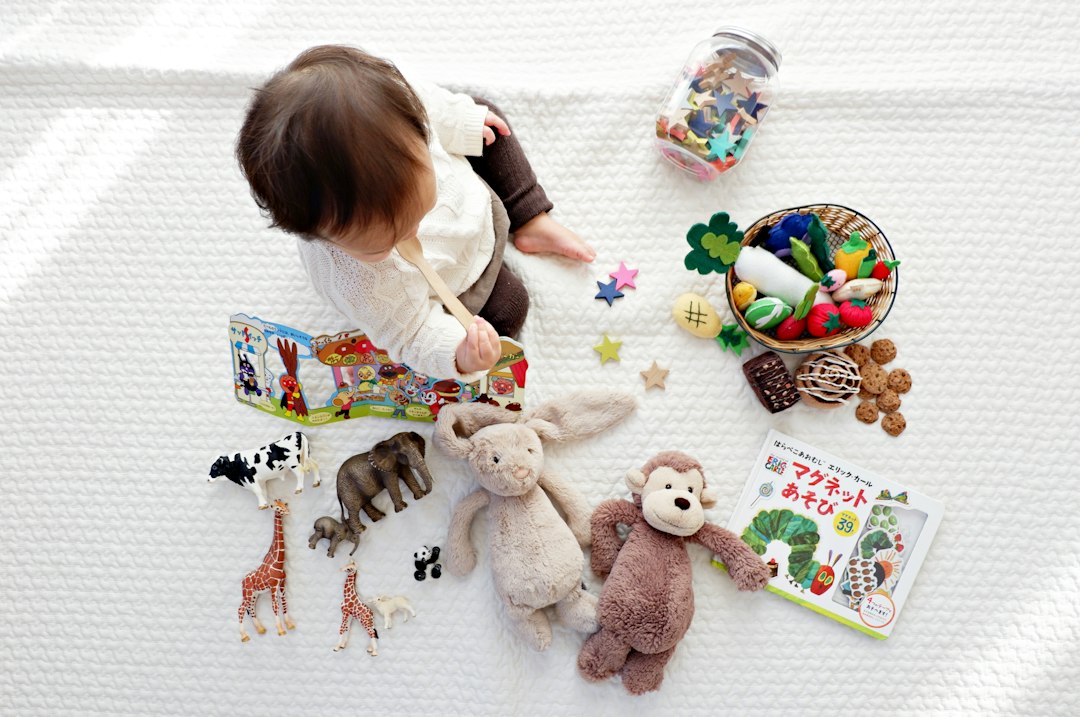
Rolling, pivoting and movement
Your baby may roll in both directions, pivot on their tummy or use their arms and legs to move around on the floor. Not every baby crawls, and crawling styles vary. Some babies move backwards before moving forwards; others use a bottom-shuffling or rolling pattern.
Provide supervised floor time in a clear, safe area. Avoid trying to force a particular movement or position.
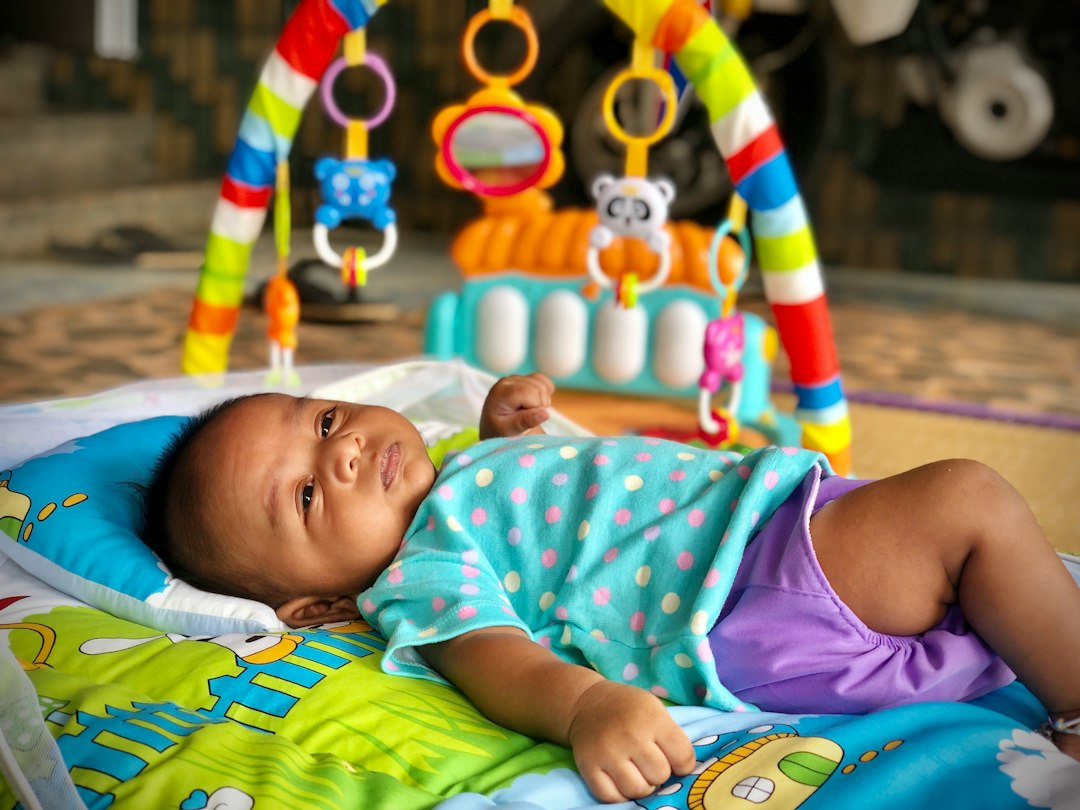
Hand skills and object exploration
Your baby may pass toys between hands, bang objects together or turn an item to examine it. They may also use their fingers and palm to explore food.
Offer safe objects that are too large to swallow and have no detachable parts. Babies still explore many things by putting them in their mouths, so supervision and a safe environment remain essential.

Early problem-solving
Games such as hiding a toy partly under a cloth and letting your baby reach for it can encourage attention and exploration. Keep the game simple and enjoyable. Your baby does not need to solve a puzzle independently for the activity to be useful.
Communication and Social Development
Babbling becomes more varied
Your baby may repeat sounds such as ba, da or ma, although these sounds do not necessarily mean they are using words with meaning. They may also squeal, laugh or make sounds to attract attention.
Respond to your baby’s attempts to communicate. Copy a sound, smile and wait. This teaches the rhythm of conversation.
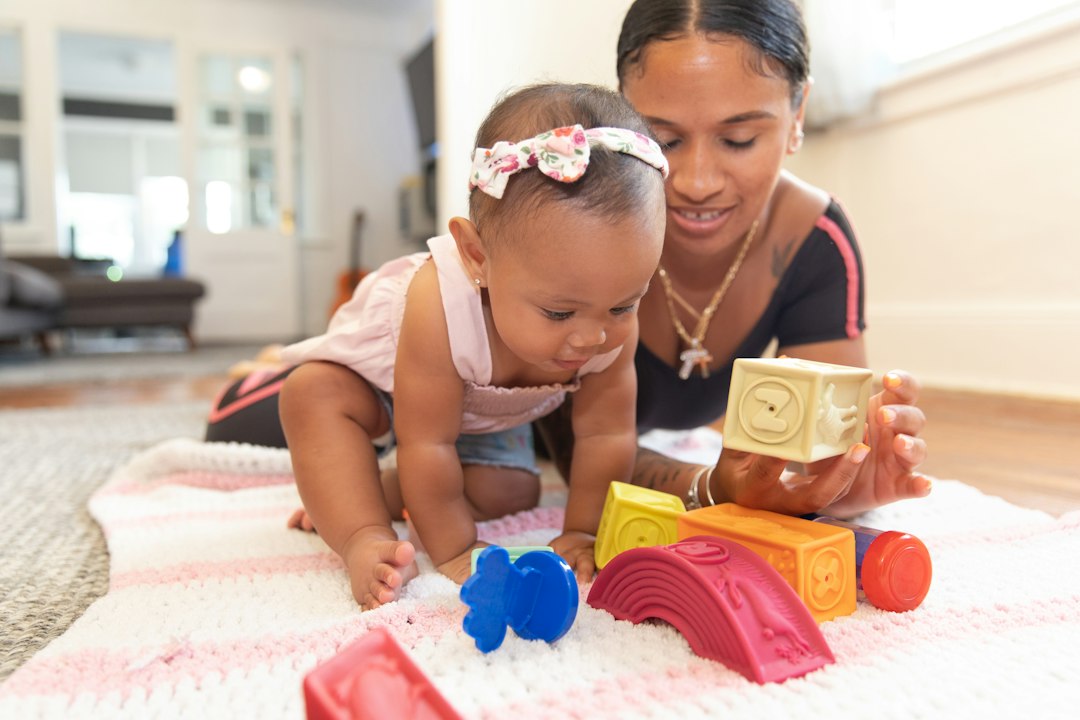
Responding to familiar people
Your baby may show clear preferences for familiar caregivers and react differently to unfamiliar people. Some babies become more cautious around strangers or when a caregiver leaves the room. These reactions vary and can become more noticeable as social awareness develops.
Shared play and attention
Your baby may enjoy simple games with predictable actions. Peek-a-boo, songs with pauses and passing a toy back and forth can encourage shared attention and turn-taking.
Feeding, Sleep and Daily Routines
By seven months, many babies who started complementary feeding around six months are gradually exploring foods from different food groups. Suitable options can include soft vegetables and fruits, well-cooked and mashed foods, iron-rich foods and age-appropriate cereals.
Texture should progress according to your baby’s skills. Some babies begin managing thicker mashed foods or soft lumps, while others need more time. Always prepare food to reduce choking risk and supervise every meal.
Introduce common allergens in age-appropriate forms when complementary feeding begins, following healthcare guidance. If your baby has severe eczema, a known allergy or a history that raises concern, ask a clinician for an individual plan. Honey remains unsuitable before 12 months, and cow’s milk should not replace breast milk or infant formula as the main drink before the first birthday.
Breast milk or infant formula remains important throughout the first year. Offer feeds responsively and pay attention to hunger and fullness cues.
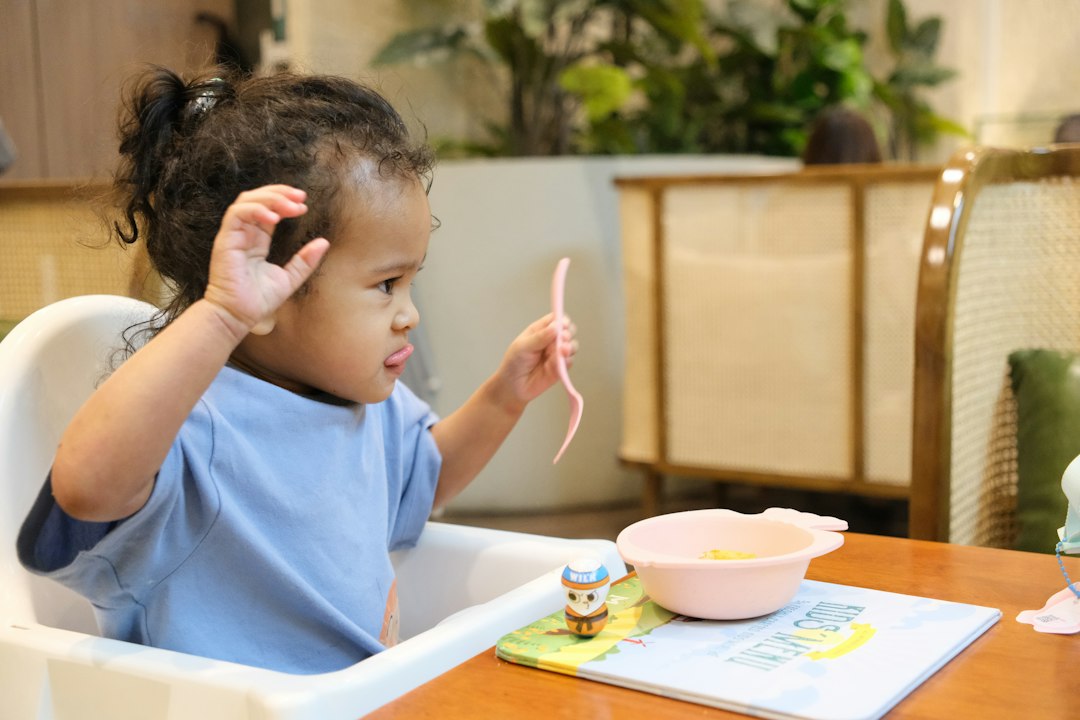
Sleep may still vary from one day to the next. A predictable bedtime routine can help, but there is no need to expect every baby to sleep through the night. Continue placing your baby on their back at the start of each sleep and keep the sleep space firm, flat and free of loose bedding and soft toys.
Simple Activities to Try with Your 7-Month-Old
Put in and take out — Let your baby place one or two large, safe toys into a sturdy open container and take them out again for 2–3 minutes. This encourages problem-solving and hand control. Materials: A wide, sturdy container and large infant toys. Safety: Use only objects too large to swallow; remove lids and small parts.
Pass the toy — Offer a lightweight toy and give your baby time to explore moving it between hands. This supports coordination and two-handed play. Materials: A large, easy-to-hold infant toy. Safety: Stay close and check that the toy has no detachable pieces.
Copy my sounds — Repeat your baby’s babbles, add a simple sound and pause for a response. This encourages communication and turn-taking. Materials: None. Safety: Keep your voice gentle and avoid loud sounds.
Reach and move on the floor — Place a favourite toy a short distance away on a clear floor and let your baby decide whether to reach, pivot or move towards it. This supports movement and planning. Materials: A clear, non-slip play area and one toy. Safety: Stay close, remove hazards and never encourage movement on a raised surface.
Picture-book chat — Look at a few pictures together, name them and pause for your baby’s sounds or gestures. This builds shared attention and listening. Materials: A sturdy board or cloth book. Safety: Supervise closely and keep the book out of the sleep space.
Keep play relaxed and responsive. These activities are opportunities to connect, not tests or exercises that your baby must complete. Follow your baby’s cues and take breaks whenever needed. For more ideas, see our guide to play activities that support baby development.
When to Talk to Your Pediatrician
Discuss any concerns about your baby’s movement, hand use, communication, hearing, vision, feeding or social interaction. If your baby loses a skill they previously had, seek advice promptly. Developmental checklists are not diagnostic tools, and a clinician can assess your baby’s overall progress.
Looking Ahead to 8 Months
The coming month may bring more confident sitting, new ways of moving and increasing interest in objects and food. Your baby may begin to show more distinct preferences and respond more consistently to familiar games. Continue offering safe exploration, responsive feeding and warm conversations throughout the day.
Sources for parents: CDC: Milestones by 6 Months · CDC: Milestones by 9 Months · CDC: Introducing Solid Foods
Sources and Further Reading
- CDC – Developmental Milestones by 6 Months
- CDC – Developmental Milestones by 9 Months
- WHO – Complementary Feeding for Infants and Young Children 6–23 Months
- CDC – About Sleep
Continue Exploring Baby Development
← Previous: Baby Development at 6 Months | Next: Baby Development at 8 Months →
Explore the complete series: Child Development by Age: A Complete Guide from Birth to 12 Years