10 Simple Sensory Play Ideas for Babies Under 1 Year
Sensory play is fundamental during your baby’s first year of life. Long before they learn to talk or walk, babies explore and make sense of the world through their senses: touch, sight, sound, smell, and taste.
The good news? You don’t need expensive store-bought gadgets or complex setups to foster your baby’s brain development. Your home is already full of safe, stimulating materials waiting to be discovered.
Here are 10 simple, safe, and engaging sensory play ideas using everyday household items.
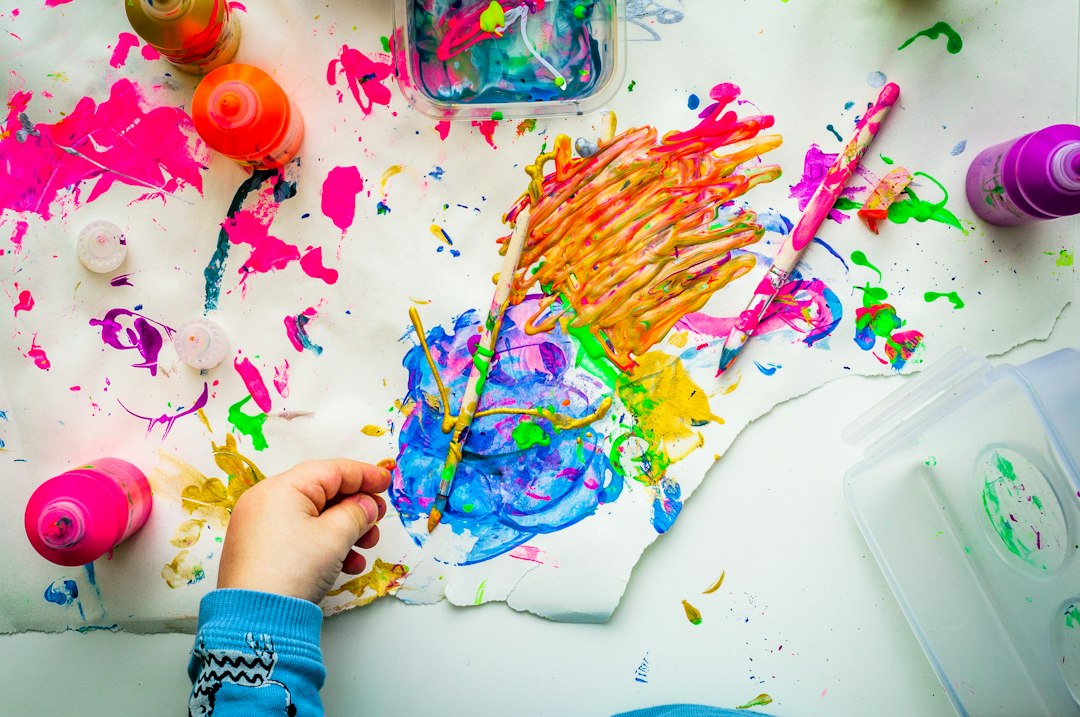
Table of Contents
1. The DIY Tummy Time Water Mat
Tummy time strengthens your baby’s neck, back, and shoulder muscles. Adding a tactile element turns routine exercise into an exciting adventure.
- What You Need: A leak-proof Ziploc bag, water, tape, and small soft objects (like foam shapes or buttons).
- How to Play: Use a purpose-made tummy-time water mat only if it is intact and securely sealed. Check it before every use and remove it immediately if it leaks or shows damage. Do not add small loose objects. Keep your awake baby directly supervised throughout.
2. High-Contrast Tissue Box Pull
Around 6 to 9 months, babies love the “action-and-reaction” game of pulling things out of containers.
- What You Need: An empty facial tissue box and various fabric scraps (silk scarves, cotton rags, felt strips).
- How to Play: Stuff the fabric pieces inside the empty tissue box, leaving a small corner sticking out. Encourage your baby to pull the fabrics out one by one. This activity builds fine motor skills, hand-eye coordination, and an understanding of cause and effect.

3. The Kitchen Whisk & Pom-Pom Challenge
This activity is fantastic for developing problem-solving skills and hand dexterity.
- What You Need: A clean wire kitchen whisk and large colorful pom-poms or fabric balls.
- How to Play: For babies under 1, skip pom-poms and other loose pieces. Instead, offer a large, one-piece, age-appropriate baby toy while you supervise. Avoid wire whisks if fingers could become trapped or the whisk could poke your baby.
4. Edible-Safe Highchair Paint
Once your baby starts sitting independently (around 6 months), finger painting becomes an incredible sensory experience.
- What You Need: Plain Greek yogurt and natural food coloring (or fruit purees like blueberry or raspberry).
- How to Play: If your baby is developmentally ready for solids, use only a small amount of plain yogurt or a familiar food that has already been introduced safely. Supervise closely, consider allergy risks, and let your baby explore without pressure. Food-based play is optional.

5. Texture Discovery Board
Exposing babies to different textures builds neural connections and helps prevent sensory aversion.
- What You Need: A few large, clean fabric swatches that cannot fray or detach. Avoid bubble wrap, foil, rough cardboard, glued-on pieces, and anything that can tear into small parts.
- How to Play: Offer one large, clean, securely finished fabric swatch at a time and stay close. Let your baby touch it while you describe the texture. Do not leave babies alone with homemade boards or materials that could peel off, fray, or be mouthed.
6. The Crinkle & Squish Foil Bag
Babies are fascinated by cause-and-effect sounds, especially distinct crinkling noises.
- What You Need: Aluminum foil or a shiny emergency blanket, and a clear gallon Ziploc bag.
- How to Play: For sound exploration, use a commercially made, age-appropriate baby crinkle toy with no loose parts, tears, or detachable components. Inspect it before each use and remove it if damaged.
7. Kitchen Pot & Spoon Orchestra
Auditory sensory play helps babies understand rhythm, volume, and cause-and-effect.
- What You Need: A couple of lightweight metal pots, plastic Tupperware bowls, and a silicone or wooden spoon.
- How to Play: Turn the containers upside down on the floor. Hand your baby the spoon (or let them use their hands) and encourage them to tap away. They will quickly learn that different materials make different sounds when struck.

8. Floating Bath Toys & Sponge Squeeze
Water play is one of the richest multi-sensory experiences for infants.
- What You Need: A shallow basin of water (or bath time), clean kitchen sponges, and plastic cups.
- How to Play: Show your baby how to dip a sponge in water and squeeze it out. The shifting weight of the wet sponge and the feeling of dripping water over their toes provides wonderful tactile feedback and strengthens hand muscles.
9. DIY Sound Shaker Rattles
Exploring different pitches helps develop auditory tracking and discrimination skills.
- What You Need: A commercially made, age-appropriate baby rattle with no detachable parts.
- How to Play: Shake the baby rattle gently, then pause so your baby can listen, look, and respond. Keep homemade containers and all small fillers out of reach.

10. Cool Washcloth Exploration
Temperature is an important tactile sense for babies to explore under supervision.
- What You Need: A baking sheet, a few ice cubes, and warm water.
- How to Play: Let your baby touch a cool, damp washcloth while you stay close. Avoid ice cubes, which can pose choking and cold-injury risks, and never leave water within reach unattended.
Safety Guidelines for Infant Sensory Play
For babies under 12 months, sensory play should be simple, supervised and matched to your baby’s stage of development. Stay within arm’s reach throughout the activity, and stop if your baby becomes tired, upset or overstimulated. These ideas are for awake, supervised play—not for sleep.
- Prevent choking: Keep pom-poms, beads, buttons, dry beans, loose foil, small lids and other small parts away from babies who may mouth objects. Choose large, securely attached items that cannot fit fully into the mouth.
- Use food and liquids carefully: Never leave a baby alone with water, even in a shallow tray or bath. Empty containers immediately after play. Avoid foods that are choking hazards and check for known allergies.
- Check materials: Avoid sharp edges, plastic bags, breakable items, loose strings and anything with detachable parts. Inspect homemade toys before each use.
- Keep sensory materials away from the face: Do not put materials into a baby’s mouth, nose or ears, and avoid powders, glitter or substances that can be inhaled.
- Follow safe sleep guidance: Remove play materials from the sleep space and place babies on a clear, firm sleep surface for naps.
If you are unsure whether an object or activity is appropriate for your baby’s age, choose a simpler alternative and ask your paediatric healthcare professional for individual guidance.
- Constant Supervision: Never leave a baby unattended during sensory play, even with household items.
- Choking Hazards: Keep buttons, rice, pasta, pom-poms, and other small fillers away from babies. Do not rely on bags, bottles, glue, or tape to make small objects safe.
- Mouth-Safe Materials: Assume everything will go into your baby’s mouth. Stick to non-toxic, clean, and food-safe items.
Why Sensory Play Matters in the First Year
During the first year, babies learn about the world by looking, listening, touching, reaching, grasping, and exploring with their mouths. Simple, age-appropriate sensory play for babies gives them opportunities to notice different textures, sounds, movements, and cause-and-effect relationships.
These playful experiences can support early learning, hand-eye coordination, fine-motor practice, attention, and the back-and-forth interactions that help language develop. When you describe what your baby notices—“soft,” “splash,” or “that made a sound”—you connect exploration with words and responsive interaction. Keep sessions short, follow your baby’s cues, and remember that everyday interaction matters more than expensive toys. Sensory play supports learning but cannot guarantee a particular developmental outcome.
Important Safety Notes for Baby Sensory Play
Never leave a baby unattended during play, especially around water. Avoid loose small items such as buttons, dry rice, pasta, pom-poms, and ice cubes, which can pose choking risks. Do not give babies homemade sensory bottles or bags that can open, leak, or break. Choose large, sturdy, age-appropriate materials and stay within arm’s reach. For food-based play, consider allergies, choking hazards, and your baby’s stage of feeding; use only foods already introduced safely.
Keep Exploring with World With Kids
For more screen-free play inspiration as your child grows, explore our guide to 10 Montessori-Inspired DIY Activities for Toddlers Using Things You Already Have.
Leave a Reply