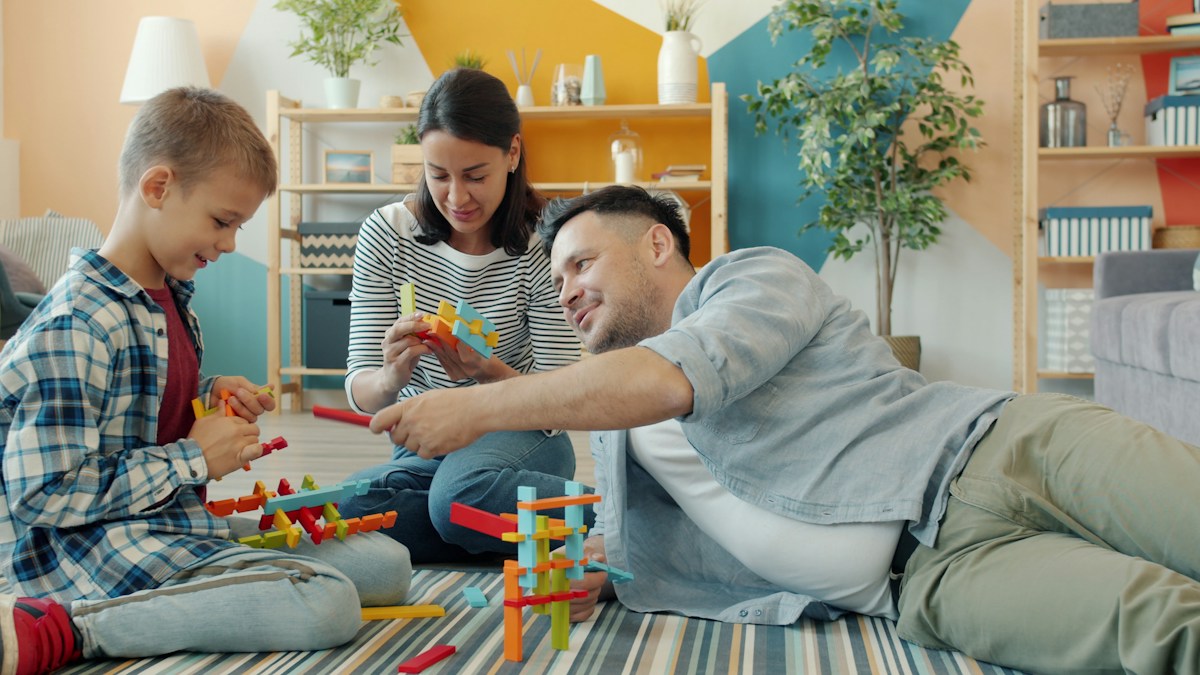
Choosing the right educational toys can help children develop important skills while having fun. From sensory toys for babies to STEM kits for school-age children, the best toys encourage curiosity, creativity, problem-solving, and independent thinking.
But with so many options available, how can parents decide which toys are genuinely beneficial? The answer depends on your child’s age, interests, developmental stage, and individual needs. This guide explores the best educational toys by age, from infancy through age 12, with practical tips for choosing toys that make learning enjoyable.
Why Are Educational Toys Important?
Children learn through play. The right toys give them opportunities to explore their surroundings, experiment with ideas, express themselves, and practice new skills. Educational toys can support cognitive development, language, fine motor skills, social-emotional learning, and creativity.
- Cognitive development: Puzzles, matching games, and building blocks encourage memory, reasoning, and problem-solving.
- Language skills: Storybooks, puppets, and pretend-play sets help children develop vocabulary and communication.
- Fine motor skills: Drawing materials, stacking toys, and construction sets strengthen hand-eye coordination.
- Social and emotional development: Board games and pretend play help children practice sharing, patience, and empathy.
- Creativity: Art supplies and open-ended toys invite children to invent stories and find their own solutions.
A toy does not need to be expensive, electronic, or labeled “educational” to be valuable. Simple, open-ended toys often provide some of the richest learning experiences.
Best Educational Toys for Babies: 0–12 Months
Developmental focus: sensory exploration, movement, and early communication.
During their first year, babies learn by looking, listening, touching, reaching, and eventually moving around. Toys with different textures, sounds, and shapes can encourage sensory exploration. Talking, singing, and responding to your baby’s sounds are also important parts of early learning.
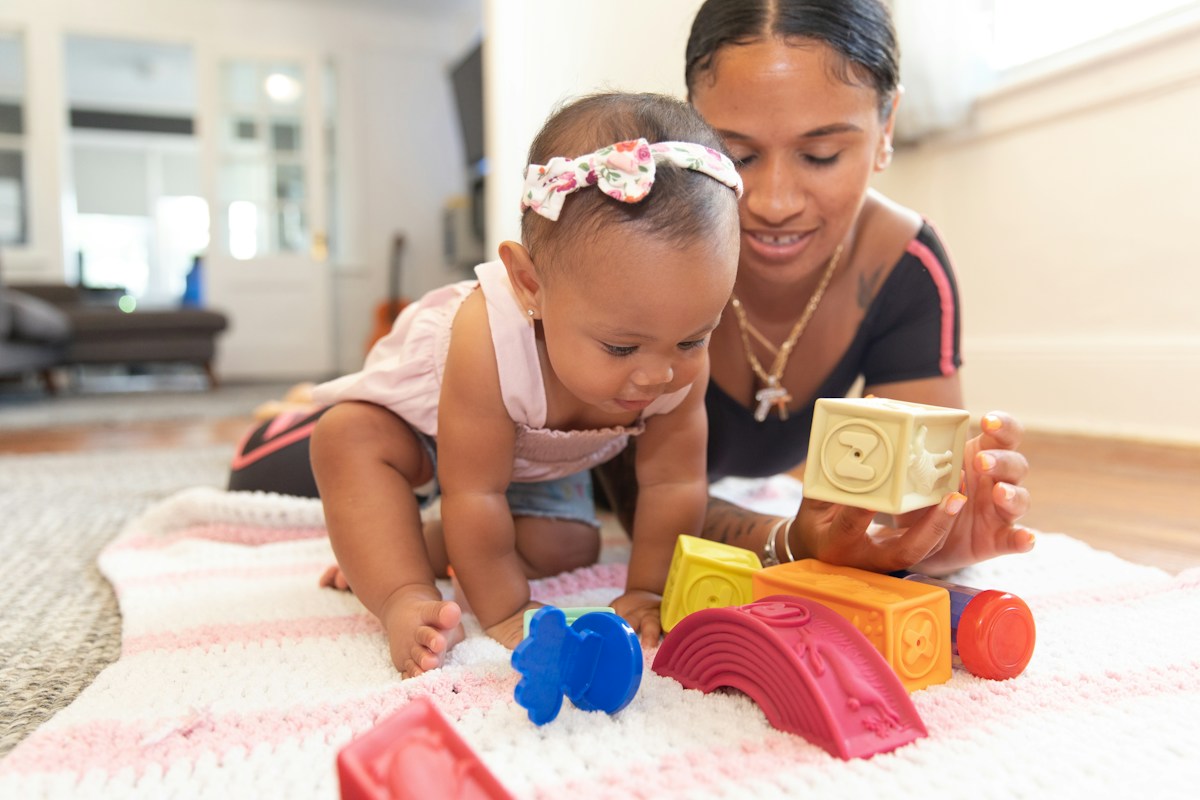
Choose simple, safe toys that are easy for little hands to grasp, such as soft fabric books, textured rattles, and lightweight teethers. Always check the age guidance and supervise babies during play.
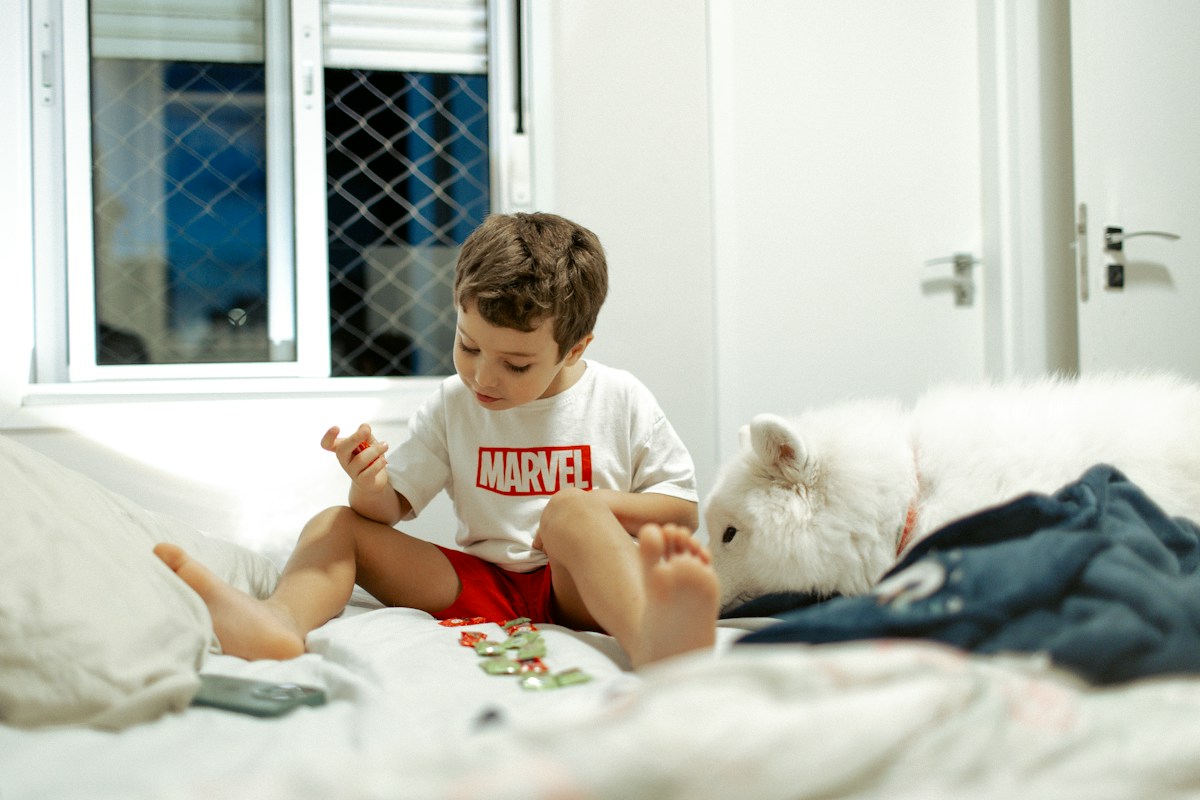
Best toys for babies
- Soft sensory toys: Fabric books and textured toys introduce different sensations.
- High-contrast books and cards: Simple visual patterns can encourage babies to focus and explore.
- Stacking cups: These support early hand-eye coordination as babies grasp, hold, and eventually stack them.
- Soft activity toys: Age-appropriate activity toys encourage reaching, grasping, and movement.
- Board books: Reading together introduces sounds, pictures, and the rhythms of language.
Choose toys that are easy to clean, durable, and suitable for your baby’s developmental stage. Avoid small detachable parts, loose magnets, button batteries, and toys with accessible cords or strings. Adult supervision is essential, particularly when babies explore toys with their mouths.
Parent tip: You do not need a large collection of baby toys. A few safe, interesting objects, combined with talking, singing, and floor play, can provide plenty of learning opportunities. For more ideas, see our guide to sensory play ideas for babies under one.
Best Educational Toys for Toddlers: Ages 1–2
Developmental focus: movement, coordination, language, and cause and effect.
Toddlers are becoming more mobile and independent. They enjoy testing what objects can do, repeating actions, and copying adults. Toys that allow safe experimentation are especially useful at this stage.
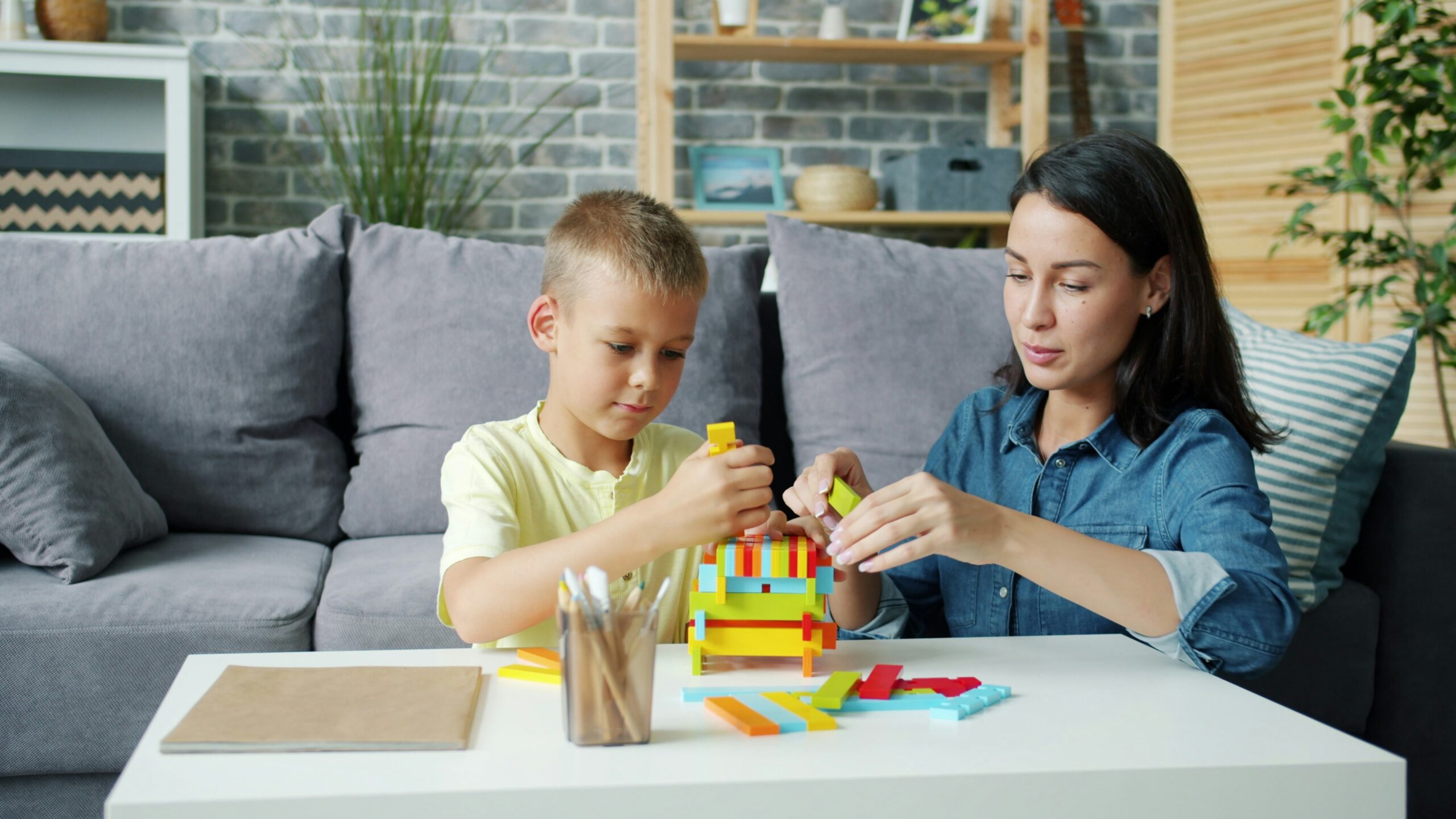
Best toys for toddlers
- Large building blocks: Encourage stacking, balancing, and early problem-solving.
- Shape sorters: Introduce shapes, spatial awareness, and trial-and-error learning.
- Simple puzzles: Large, easy-to-grasp pieces help develop visual recognition and coordination.
- Push-and-pull toys: Age-appropriate designs can encourage movement.
- Pretend-play toys: Toy food, play kitchens, and simple household sets encourage imitation and early storytelling.
- Musical instruments: Shakers and simple drums introduce rhythm, sound, and movement.
Choose sturdy toys with simple designs that allow toddlers to experiment. Always check age recommendations and ensure pieces are too large to swallow. You can also try these Montessori-inspired DIY activities for toddlers using everyday materials.
Best Educational Toys for Preschoolers: Ages 3–5
Developmental focus: imagination, early literacy, numbers, and social skills.
Preschoolers are increasingly interested in how things work. Their pretend play becomes more elaborate, and they begin developing the foundations of reading, mathematics, and cooperative play.
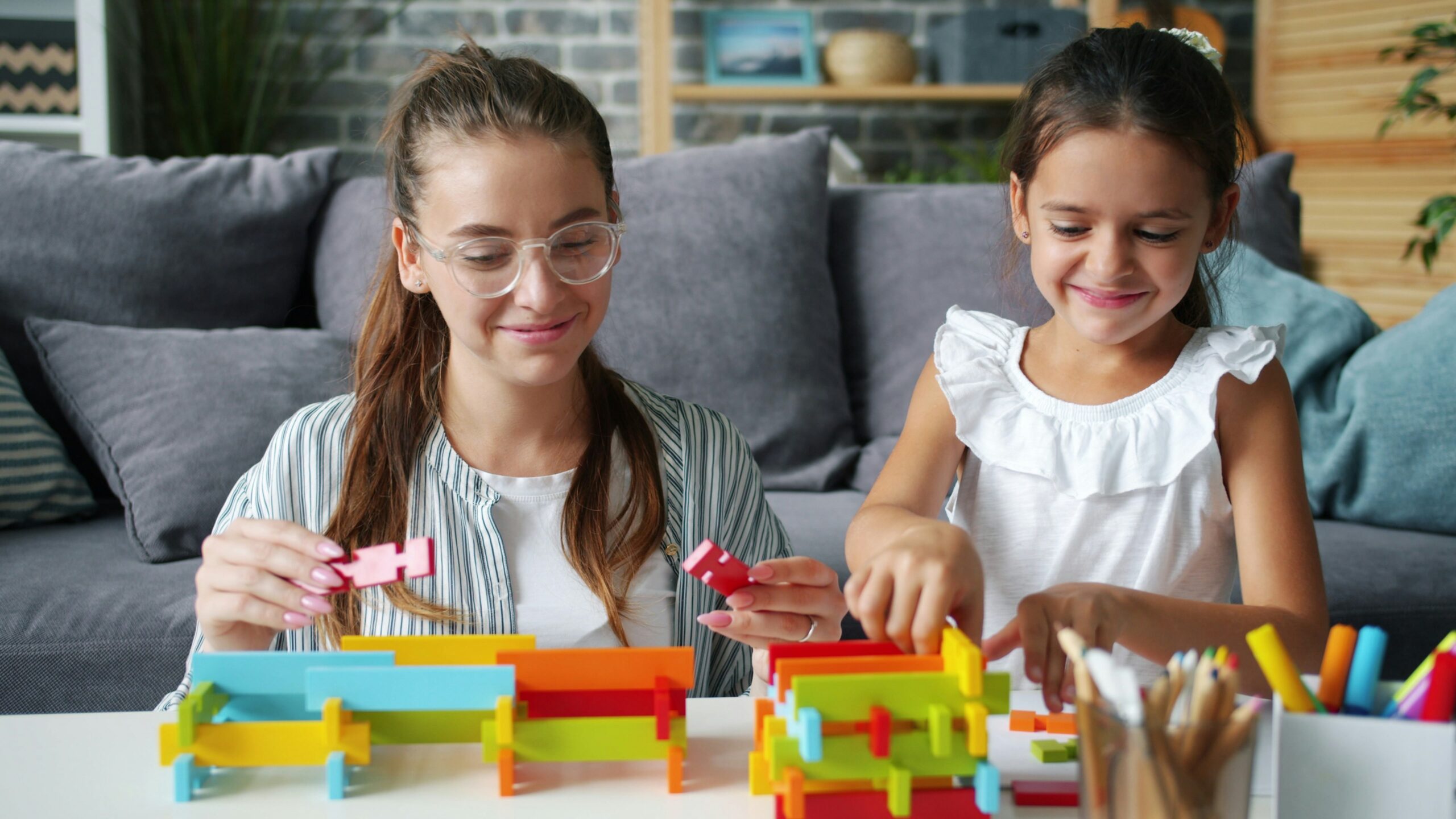
Best toys for preschoolers
- Building and construction sets: Encourage spatial reasoning, creativity, and persistence.
- Jigsaw puzzles: Support concentration, visual problem-solving, and pattern recognition.
- Counting and sorting games: Introduce numbers, colors, shapes, and early mathematical concepts.
- Art supplies: Washable crayons, child-safe paints, and modeling dough encourage creative expression.
- Pretend-play sets: Doctor kits, toy shops, and dress-up clothes encourage role-play and communication.
- Matching and memory games: Help children practice attention, recall, and following rules.
- Early science activities: Supervised activities involving water, plants, and everyday materials encourage observation and curiosity.
Choose toys that offer different ways to play rather than a single fixed outcome. A set of blocks can become a bridge, a tower, a house, or an imaginary city. For more screen-free inspiration, explore our indoor games for preschoolers and sensory bin ideas using kitchen ingredients.
Best Educational Toys for Ages 6–8
Developmental focus: reading, mathematics, logical thinking, and early STEM skills.
Children in early primary school are developing stronger reasoning skills and becoming more comfortable with structured challenges. They may also enjoy games involving rules, teamwork, and friendly competition.
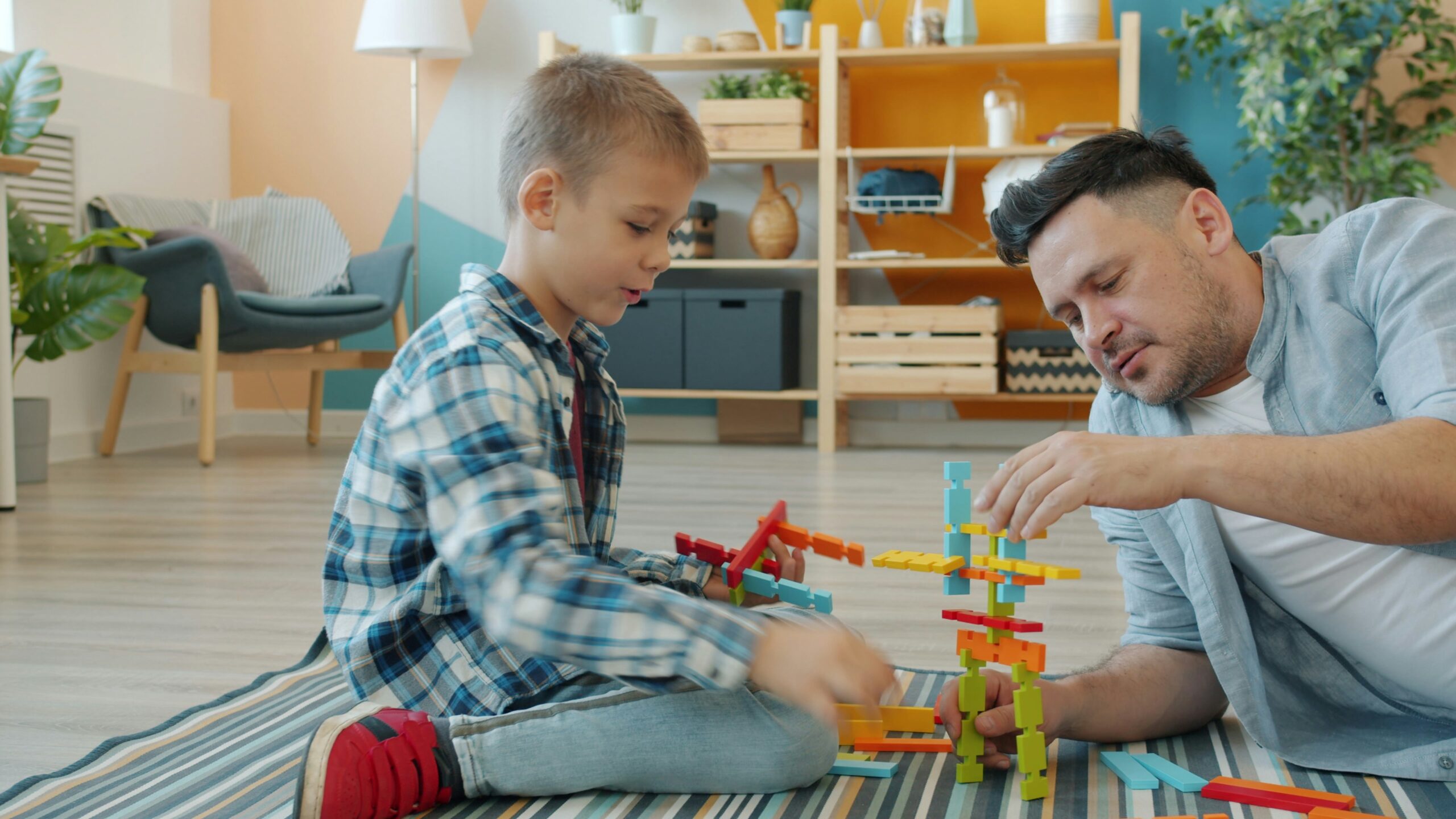
Best toys for children ages 6–8
- Advanced building sets: Encourage planning, construction, and spatial reasoning.
- Beginner coding games: Unplugged coding cards and age-appropriate coding toys introduce sequences, patterns, and logical thinking.
- Science experiment kits: Supervised, age-appropriate experiments make scientific concepts more tangible.
- Board games and strategy games: Support decision-making, patience, and following rules.
- Word games and reading activities: Help build vocabulary, spelling, and comprehension.
- Math games: Number puzzles and arithmetic games make practicing calculations more engaging.
- Craft and design kits: Encourage creativity, following instructions, and completing projects.
Look for a balance between open-ended activities and toys that offer progressively harder challenges. If your child enjoys technology, combine screen-free construction and coding games with supervised digital learning. The goal is to build skills, not simply to add more screen time.
Best Educational Toys for Ages 9–12
Developmental focus: complex problem-solving, creativity, independence, and practical STEM learning.
Older children often want toys that feel more challenging and allow them to explore personal interests. They may enjoy designing, building, programming, experimenting, or creating something they can share with others.
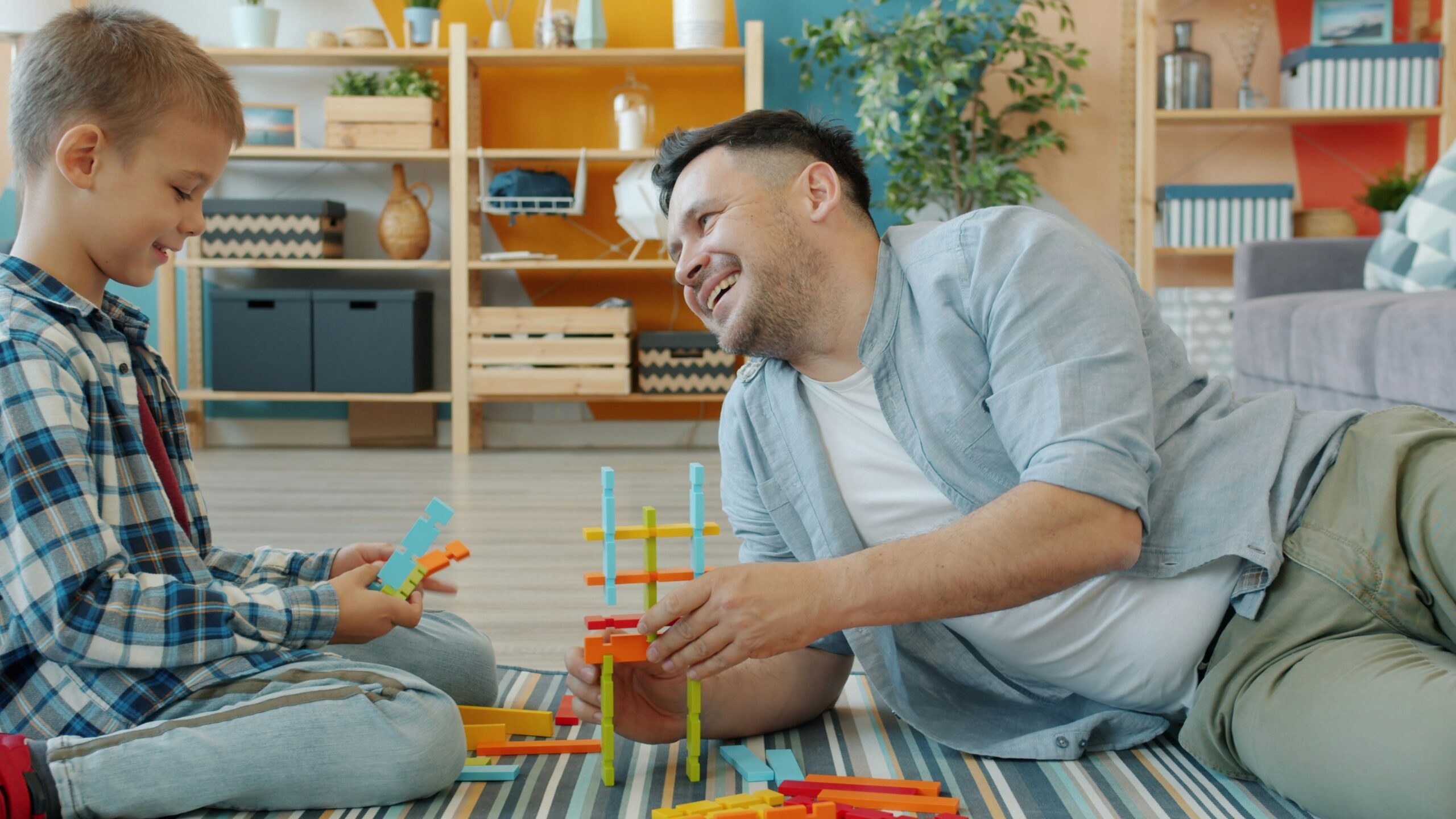
Best toys for children ages 9–12
- Robotics and coding kits: Introduce programming concepts, engineering, and iterative problem-solving.
- Advanced construction sets: Challenge children to follow complex instructions or create their own designs.
- Electronics and science kits: Encourage practical experimentation with age-appropriate materials.
- Strategy board games: Develop planning, critical thinking, and decision-making.
- Model-building kits: Help children practice precision, patience, and spatial reasoning.
- Art and maker kits: Support design skills, independent projects, and creative expression.
- Nature exploration kits: Binoculars, magnifying glasses, and observation journals encourage scientific curiosity outdoors.
At this age, interests matter enormously. A child who loves animals may enjoy nature investigation, while a child who enjoys building may prefer robotics or engineering challenges. Check the recommended age range, complexity, and supervision requirements before purchasing science or electronics kits.
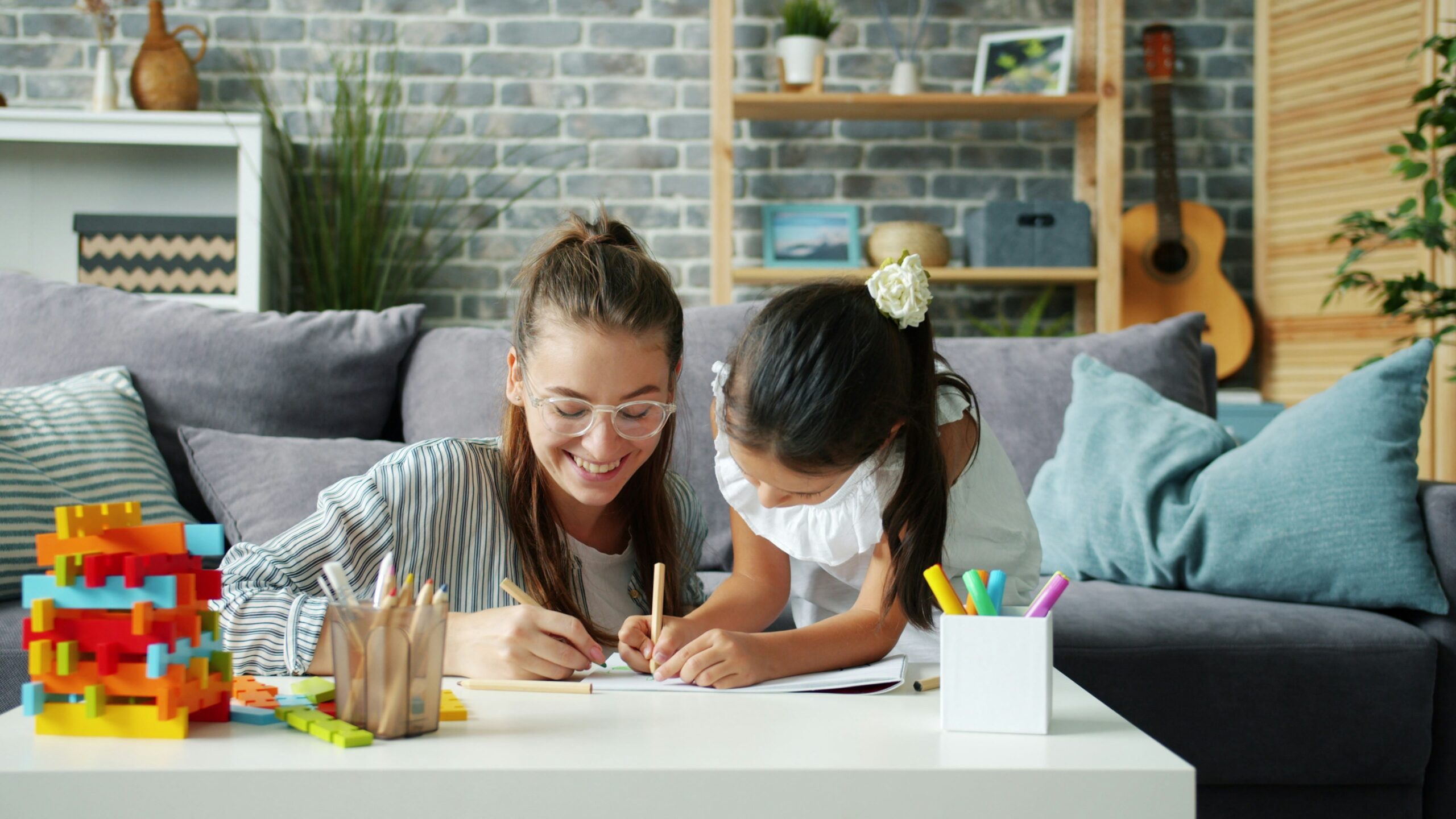
Encourage children to design their own projects. Building a homemade marble run, planning a simple experiment, or creating a board game can be just as educational as a commercial toy.
How to Choose the Right Educational Toy
Age recommendations are a useful starting point, but they are not the only factor to consider. Two children of the same age can have very different interests, abilities, and preferences. Keep these principles in mind when choosing educational toys.
1. Match the toy to your child’s interests
Children are more likely to engage with activities that genuinely interest them. Consider whether your child enjoys art, storytelling, construction, science, music, nature, or games. A toy that captures their curiosity can encourage longer periods of meaningful play.
2. Choose toys that encourage active participation
Toys that require children to make decisions, solve problems, or create something can offer more opportunities for learning than toys that do everything for them. Look for opportunities to build, experiment, invent, sort, and imagine.
3. Prioritize safety
Always check age recommendations, safety instructions, and the suitability of materials. Inspect toys regularly for broken pieces, loose components, or damaged batteries. For young children, pay particular attention to choking hazards, small magnets, button batteries, and long cords. Follow supervision instructions for science kits and activities involving tools or small parts.
4. Consider long-term play value
Some toys can be used in many different ways as children grow. Building blocks, art materials, pretend-play objects, and age-appropriate construction sets can remain interesting long after the first use. A smaller selection of versatile toys can be more useful than a large collection of single-purpose products.
5. Remember that parents are part of the learning experience
Even the best educational toy cannot replace interaction, conversation, and shared experiences. Play alongside your child when they want company, ask open-ended questions, and give them space to experiment independently. Reading together, building something as a team, or playing a board game can strengthen both skills and family connections.
Are Expensive Educational Toys Better?
Not necessarily. Price does not automatically determine educational value. A simple set of building blocks can support creativity and spatial reasoning. Paper, crayons, and recycled cardboard can become the materials for an imaginative design project. Everyday objects can also encourage sorting, counting, observation, and problem-solving when used safely.
When comparing toys, consider their durability, versatility, safety, and suitability for your child’s interests. A well-chosen toy that your child enjoys using repeatedly may offer more value than an expensive gadget that quickly loses its appeal.
Educational Toys by Age: A Quick Guide
- 0–12 months: Sensory toys, fabric books, stacking cups, and age-appropriate activity toys.
- Ages 1–2: Large building blocks, shape sorters, simple puzzles, and pretend-play toys.
- Ages 3–5: Construction sets, counting games, art materials, puzzles, and pretend-play sets.
- Ages 6–8: Board games, coding activities, science kits, reading games, and more complex building sets.
- Ages 9–12: Robotics kits, advanced construction sets, strategy games, maker kits, and science projects.
Make Learning Through Play Part of Everyday Life
The best educational toys by age are those that encourage children to explore, create, experiment, and discover new ideas. From sensory play in infancy to robotics and science projects in the preteen years, every stage offers opportunities to make learning enjoyable.
You do not need to fill your home with expensive educational products. Start with a few age-appropriate toys that match your child’s interests, offer opportunities for independent play, and invite you to participate when they want to share the experience. Most importantly, remember that play should be enjoyable. When children feel curious, supported, and free to experiment, learning becomes a natural part of everyday life.
Leave a Reply