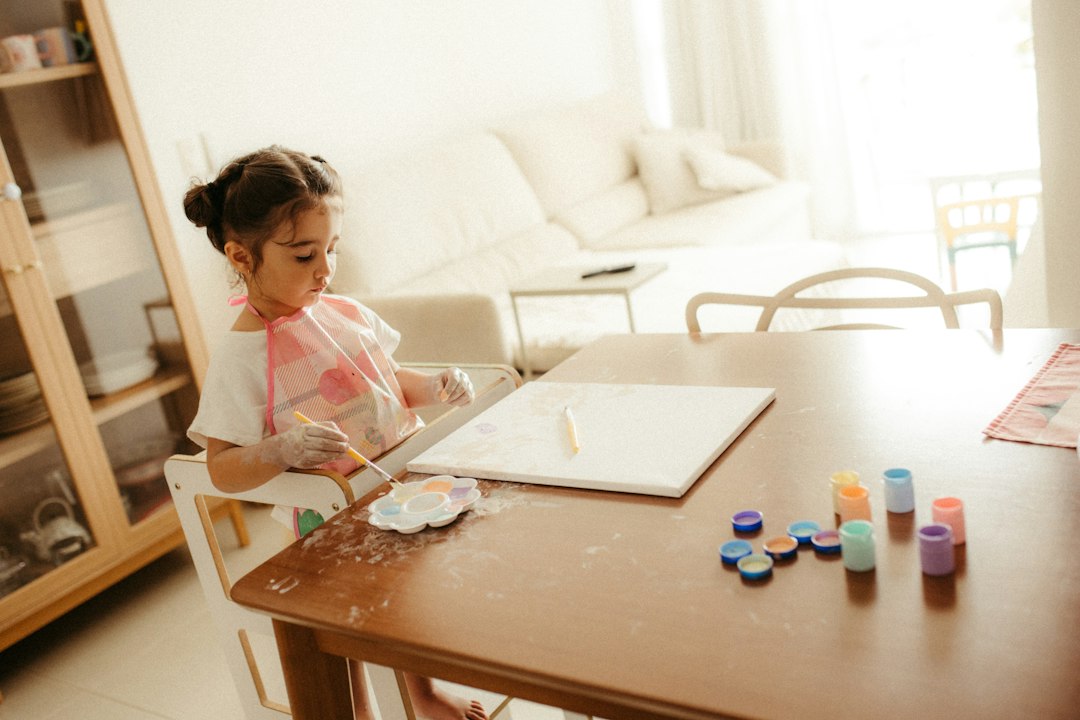
By ages 3 and 4, children undergo a massive leap in cognitive development. They are moving beyond simple sensory exploration and beginning to master executive function skills—including working memory, impulse control, and focused attention.
However, in a world full of fast-paced digital distractions, building a preschooler’s attention span requires intentional practice. The average attention span for a 3- to 4-year-old is typically around 6 to 12 minutes for a single task. The good news? You don’t need formal drills to help your child concentrate.
Play is the most effective tool for training a child’s brain. For more ideas for younger children, explore our screen-free toddler activities guide. Here are 10 engaging, indoor games designed to boost focus, strengthen listening skills, and lengthen your preschooler’s attention span.
1. Red Light, Green Light (With a Twist)
Classic movement games require children to actively inhibit their impulses and listen carefully—two key components of sustained attention.
- What You Need: Just your space and your voice (or colored paper circles).
- How to Play: Explain that “Green Light” means run/walk, “Red Light” means freeze, and “Yellow Light” means walk in slow motion. Once your child masters this, swap the rules to challenge their brain further: Red means go, Green means stop!
- Focus Perk: Trains executive function by requiring children to suppress automatic responses and stay alert for verbal cues.
2. The “Freeze Dance” Freeze-Frame
Music combined with sudden physical stopping forces children to maintain high concentration while having fun.
- What You Need: A phone or speaker with music.
- How to Play: Play your child’s favorite songs and dance together. Pause the music unexpectedly. Everyone must freeze in whatever pose they are in until the music starts again. To increase difficulty, ask them to freeze like specific animals (e.g., “Freeze like a flamingo!”).
- Focus Perk: Strengthens auditory processing and self-regulation.
3. What’s Missing? (Memory Tray Game)
Visual memory games encourage deep observation and mental mapping.
- What You Need: A tray or cookie sheet, a small towel, and 4–6 familiar household objects (e.g., a spoon, a toy car, a block, a crayon).
- How to Play: Lay the items on the tray and give your preschooler 15–20 seconds to study them. Cover the tray with the towel, ask your child to turn around, and secretively remove one item. Uncover the tray and ask, “Which item vanished?”
- Focus Perk: Develops visual working memory and detail-oriented concentration.
4. The Balance Beam Water Walk
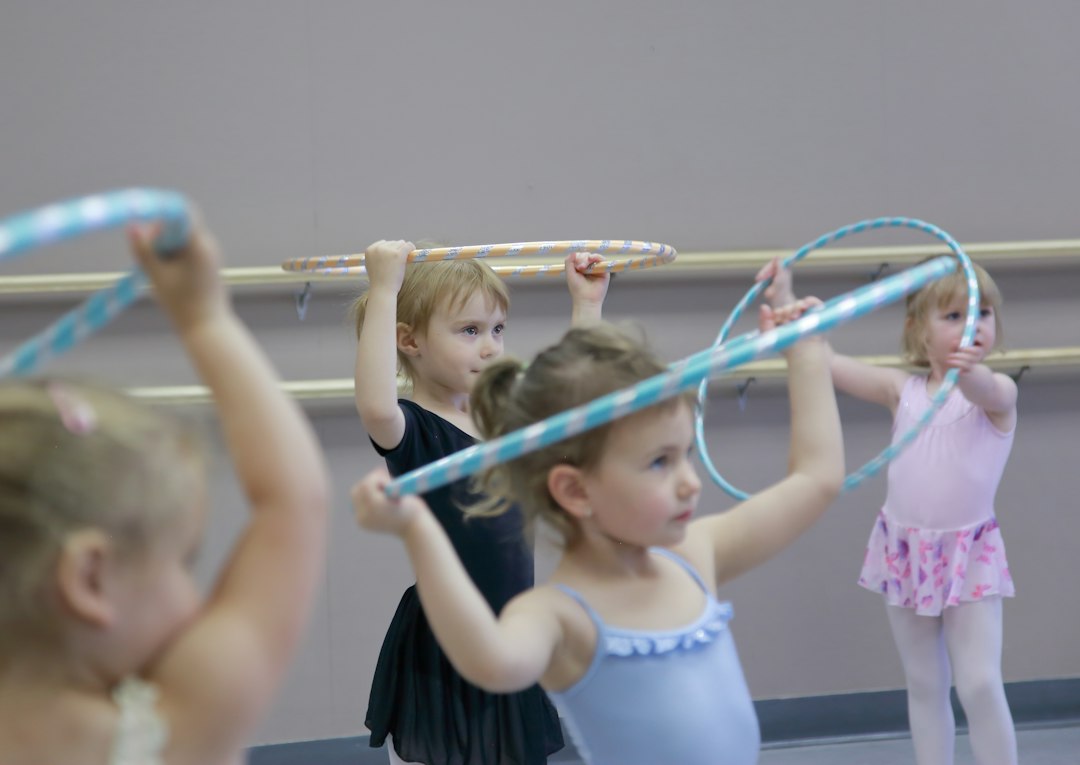
Physical balance activities demand total body-brain alignment and calm, steady focus.
- What You Need: Painter’s tape on the floor, and a small plastic cup filled halfway with water.
- How to Play: Tape a long line (with turns or curves) across the floor. Hand your preschooler the cup of water and challenge them to walk along the line without spilling a single drop.
- Focus Perk: Channels physical energy into mindfulness and motor control.
5. Pattern Stacking Challenges
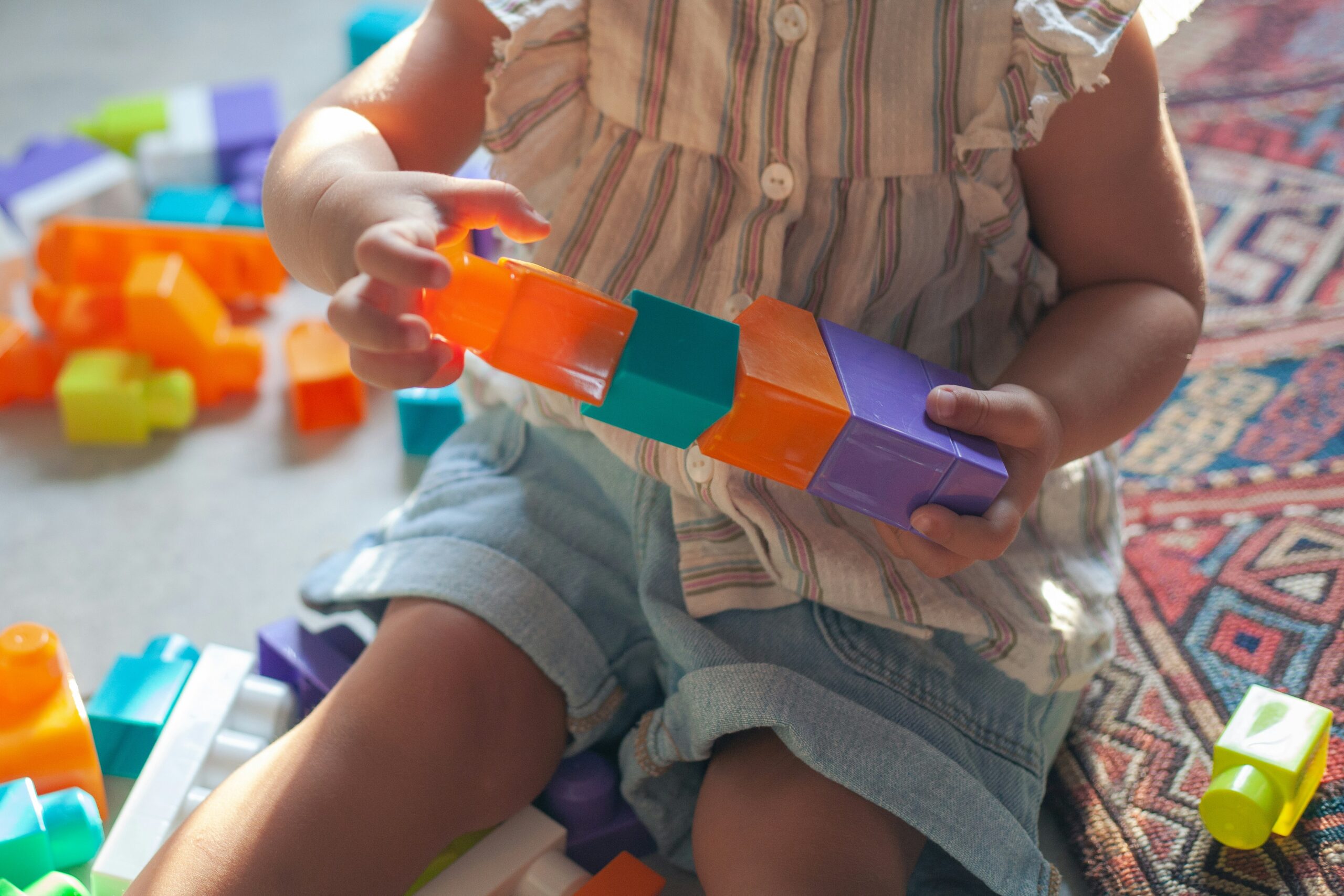
Recognizing and continuing visual patterns trains logical reasoning and sustained attention.
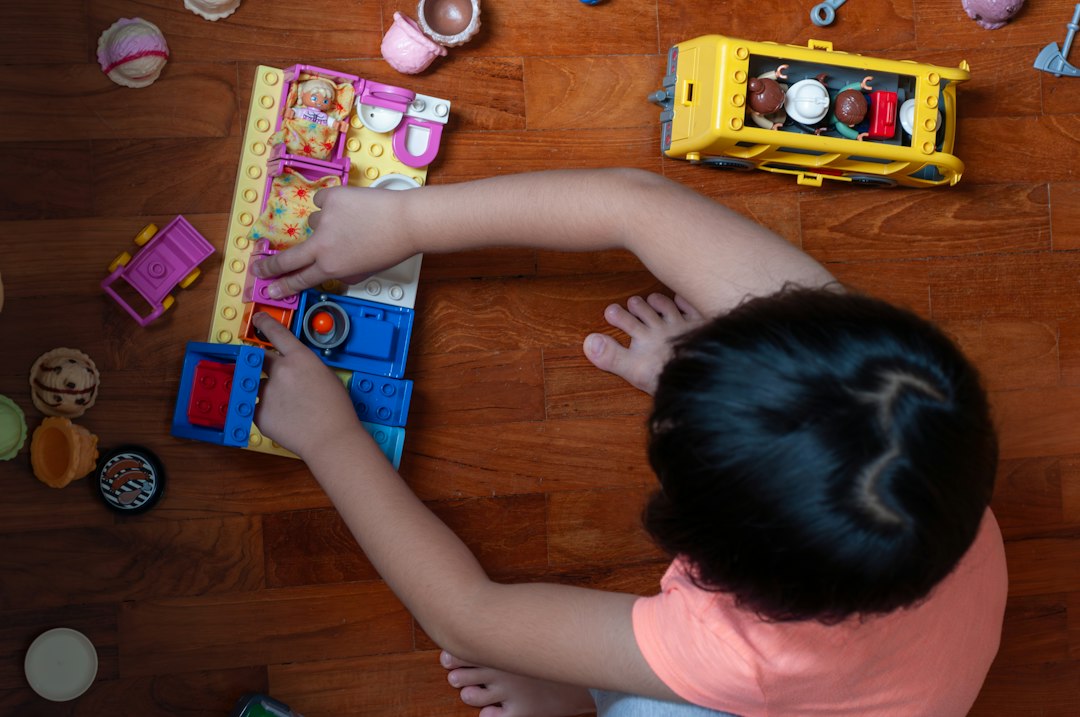
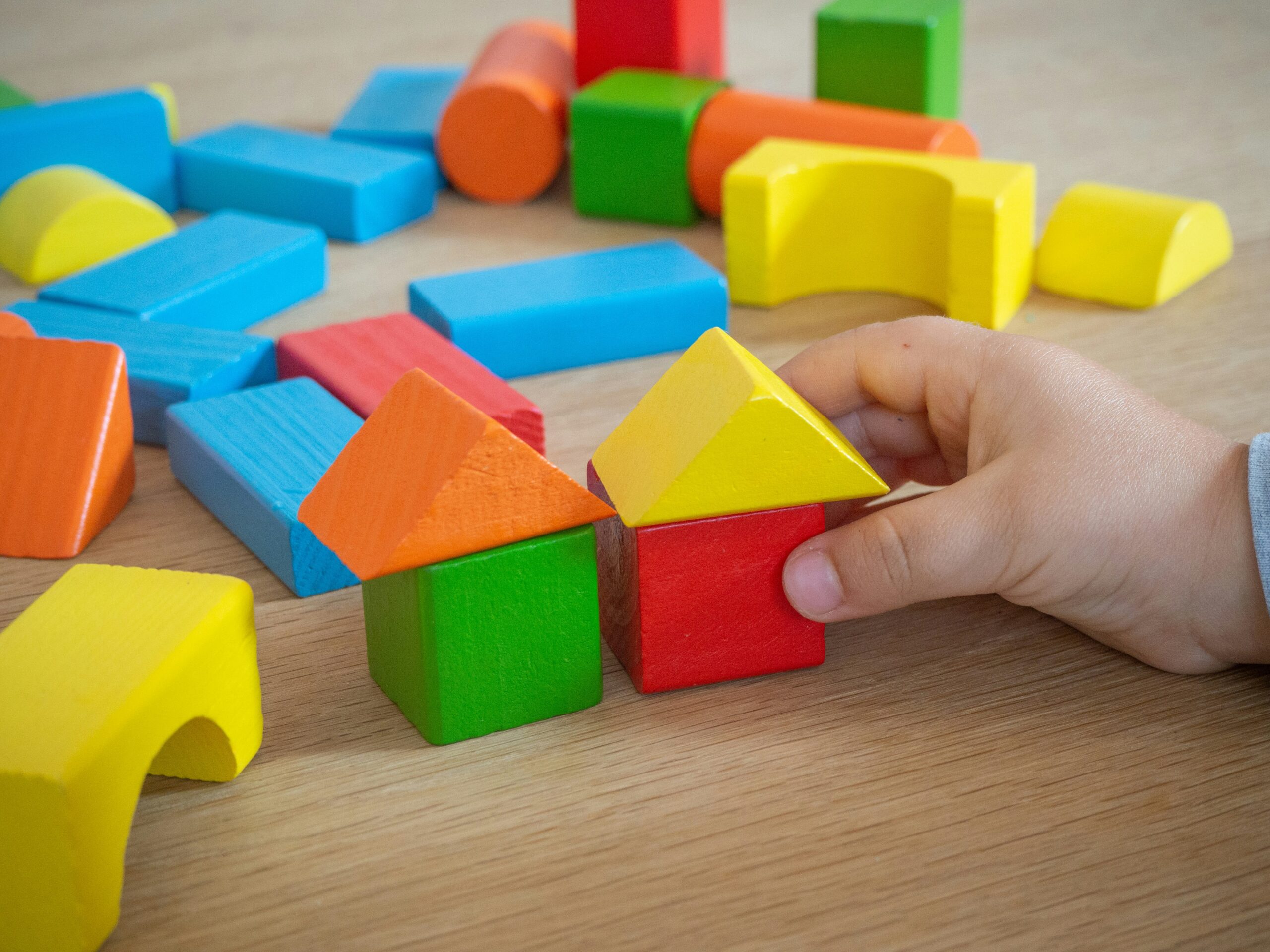
- What You Need: Colorful building blocks, Lego/Duplo bricks, or colored buttons.
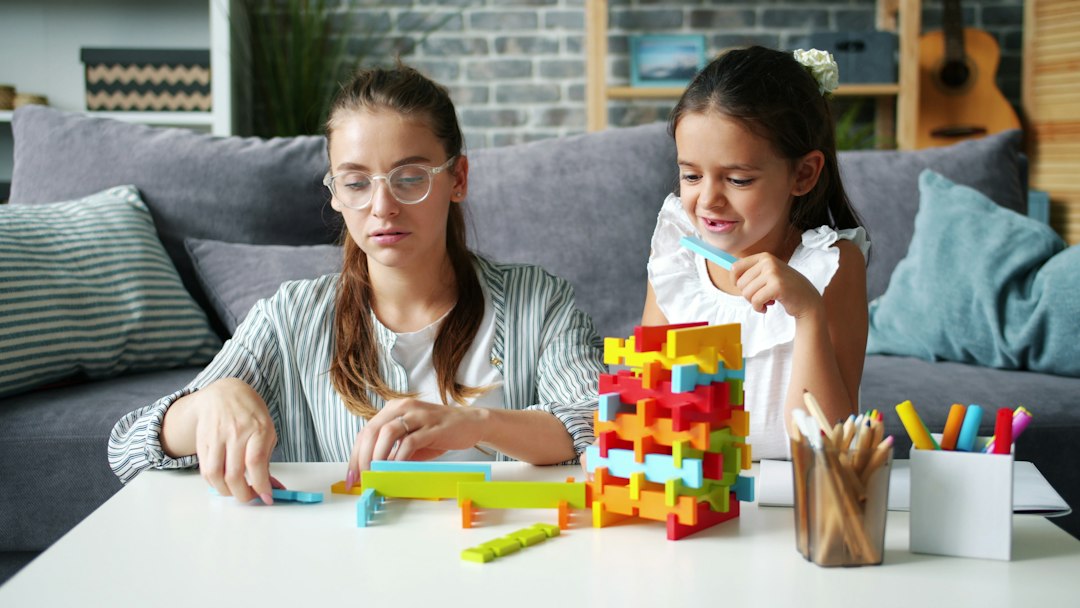
- How to Play: Create a simple pattern (e.g., Red-Blue-Red-Blue) with blocks. Ask your child to look closely and build a tower that continues the exact same sequence. As their focus improves, make the patterns more complex (e.g., Red-Red-Blue-Yellow).
- Focus Perk: Encourages analytical thinking and extended task completion.
6. Simon Says (Focus Edition)
This classic game is one of the most effective tools for building active listening skills in early childhood.
- What You Need: No equipment required.
- How to Play: Give simple two-step instructions starting with “Simon Says” (e.g., “Simon says touch your toes, then clap twice”). If you give an instruction without saying “Simon Says,” your child must stay still.
- Focus Perk: Improves working memory (remembering multi-step actions) and selective attention.
Short, hands-on challenges like these give preschoolers a chance to pause, observe, and make a plan. After practicing careful building, switch to a sorting game. Grouping objects by color or shape encourages children to notice details, follow simple rules, and stay focused until the task is complete.
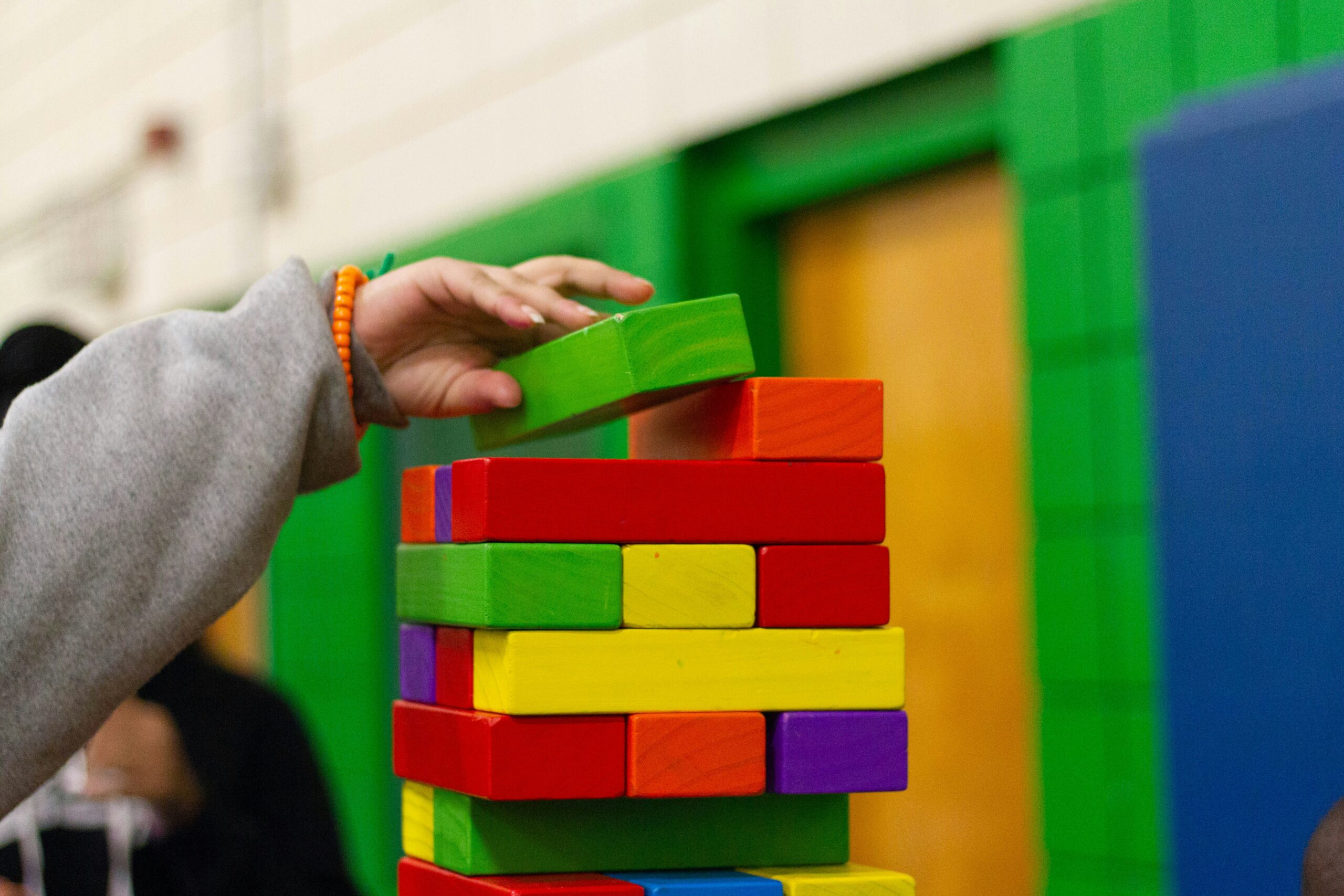
After an active game, try a quieter challenge that asks your preschooler to slow down, notice details, and make careful choices. Sorting familiar objects by color or shape is an easy way to practise sustained attention without making play feel like a lesson.
7. The Great Color & Shape Sorting Race
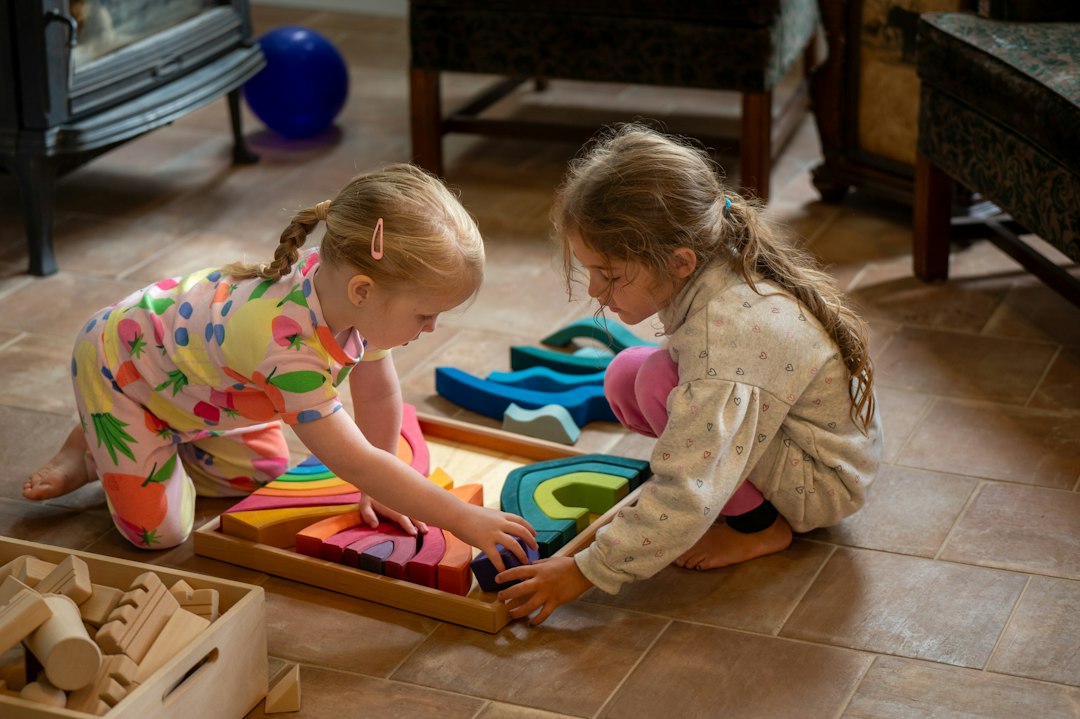
Sorting activities help organize a preschooler’s mind while keeping their hands busy.
- What You Need: Mismatched buttons, colored pasta, or toy figures, along with a muffin tin or small bowls.
- How to Play: Mix all the items together in one big pile. Set a timer for 2 or 3 minutes, or simply play a calming song. Challenge your child to sort the items into the muffin tin sections by color or size before the music ends.
- Focus Perk: Promotes task persistence and categorization skills.
8. Guided Storybook Picture Hunting
Active reading turns passive storytime into a high-focus game.
- What You Need: A detailed picture book (like Where’s Waldo?, Richard Scarry books, or any illustrated storybook).
- How to Play: Before turning a page, give your child a specific item to hunt for in the illustrations: “Can you find three yellow ducks and one hidden key on this page?” Let them take their time inspecting the details.
- Focus Perk: Lengthens visual attention span and builds scanning abilities.
9. The Silent Whispering Game
Lowering your volume naturally forces children to quiet their bodies and tune in their hearing.
- What You Need: Small objects hidden around the room.
- How to Play: Sit close to your child and speak only in a quiet whisper. Give them secret missions to complete around the room: “Whisper… go touch the red couch, then bring me a blue block.”
- Focus Perk: Teaches children to lower their internal sensory noise to focus on subtle auditory information.
10. Slow-Motion Obstacle Course
Fast-paced courses are great for burning energy, but slow-motion courses build deep muscle control and concentration.
- What You Need: Pillows, chairs, and painter’s tape.
- How to Play: Set up a simple indoor course (crawl under the chair, step over the pillow, walk along the tape). The rule: your child must complete the entire course in slomo (slow motion), moving as smoothly and slowly as possible without stopping.
- Focus Perk: Enhances body awareness (proprioception) and self-control.
Practical Tips to Support Your Preschooler’s Focus
- Reduce Environmental Clutter: Too many toys visible at once can cause cognitive overload. Keep out 3–4 activities at a time and rotate them weekly.
- Prioritize Physical Movement First: A child who has been sitting for too long cannot focus well. Give them 15 minutes of heavy physical play (jumping, crawling) before asking them to engage in table-top concentration games.
- Praise Effort, Not Just Completion: Focus is like a muscle. When your child stays focused on a task, acknowledge their concentration: “I noticed how hard you worked to finish that pattern even when it got tricky!”
Leave a Reply