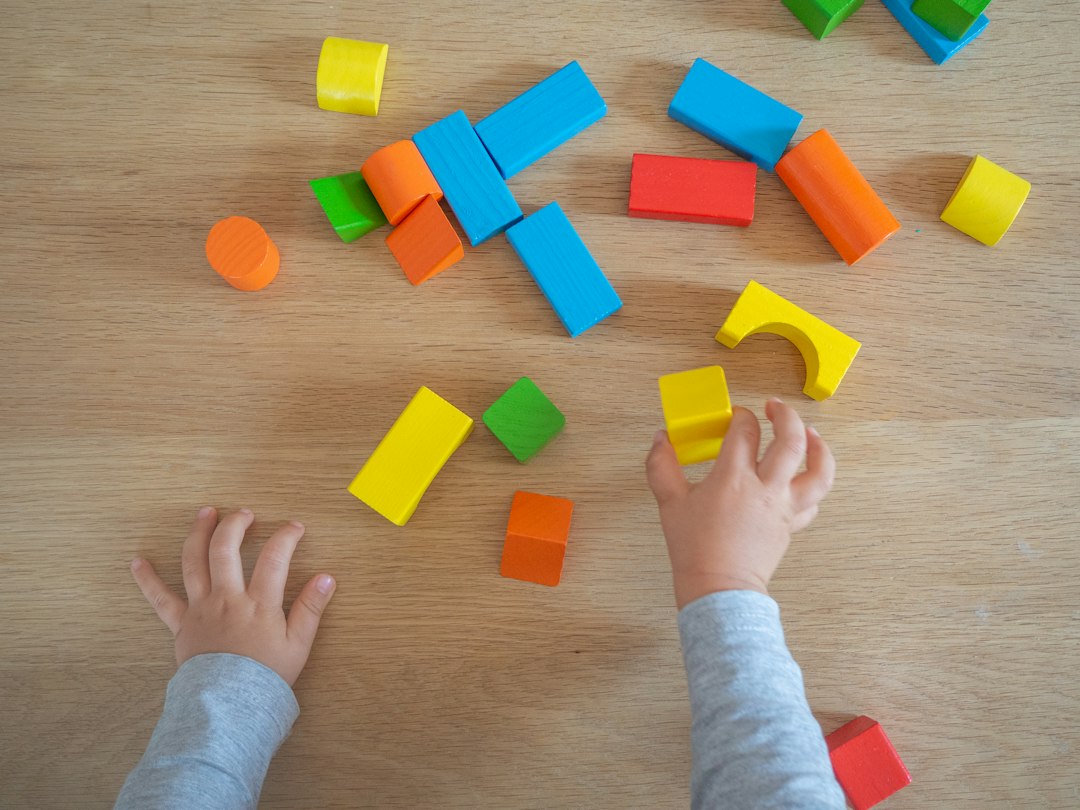
Between the ages of 1 and 2, toddlers undergo an extraordinary transformation. They shift from crawling babies into curious, energetic explorers eager to test their physical limits and discover how things work.
While screens can easily capture a toddler’s attention, early childhood experts recommend prioritizing active, hands-on play. Real-world play builds gross and fine motor skills, spatial awareness, language comprehension, and emotional regulation in ways a digital screen simply cannot.
When bad weather or busy workdays keep you indoors, turning to low-prep, screen-free activities using simple household materials can keep your little one engaged and happy.
Table of Contents
- Masking Tape Obstacle Course
- Tupperware Stacking & Sorting
- Oobleck Sensory Bin
- Indoor Water Play
- Why Screen-Free Play Matters
- Tips for Successful Screen-Free Play
1. The Masking Tape Obstacle Course
Toddlers in their second year are mastering walking, climbing, and balance. Indoor gross motor play helps burn off endless energy in a safe environment.
- What You Need: Painter’s tape or masking tape.
- How to Play: Stick long lines of tape across your living room rug or hardwood floor. Create straight paths, zig-zags, and simple shapes (circles or squares). Challenge your toddler to “walk the tightrope,” jump into the circles, or push a toy truck along the tape tracks.
- Developmental Perk: Enhances balance, coordination, and spatial perception.
2. Kitchen Tupperware Stacking & Sorting

You don’t need fancy wooden blocks to teach engineering concepts. Your plastic storage containers are a goldmine for open-ended play.
- What You Need: Plastic bowls, Tupperware containers with lids, and measuring cups.
- How to Play: Pile a selection of plastic containers on the kitchen floor while you prepare a meal. Show your toddler how to nest smaller containers inside larger ones, stack them into tall towers to knock down, or match lids to their corresponding containers.
- Developmental Perk: Teaches size discrimination, problem-solving, and cause-and-effect.
3. The Laundry Basket Post Office
1-year-olds love posting, dropping, and inserting objects through slots. This simple game keeps toddlers focused for surprising lengths of time.
- What You Need: A plastic laundry basket with open slots, colorful plastic balls, or rolled-up socks.
- How to Play: Place your toddler inside or next to an empty laundry basket. Show them how to push balls or sock rolls through the side holes into the basket. Once all the items are inside, dump them out and start over.
- Developmental Perk: Refines fine motor precision and eye-hand coordination.
4. Edible-Safe Oobleck Sensory Bin

Sensory bins encourage independent exploration and keep toddlers deeply absorbed in tactile learning.
- What You Need: 2 cups cornstarch, 1 cup water, a shallow plastic bin, and plastic spoons or toy animals.
- How to Play: Mix the cornstarch and water in the bin. Oobleck behaves like a solid when squeezed, but flows like a liquid when released. Let your toddler scoop, pour, and squish the mixture. Because it contains only cornstarch and water, it’s completely safe if they take a curious taste.
- Developmental Perk: Stimulates scientific curiosity and tactile processing.
5. Sticky Wall Ball Toss
Vertical play strengthens a toddler’s core, neck, and shoulder muscles while introducing new ways to interact with gravity.
- What You Need: Contact paper (clear adhesive shelf liner), painter’s tape, and lightweight plastic balls or pom-poms.
- How to Play: Tape a sheet of contact paper to the wall with the sticky side facing out at your toddler’s height. Hand them lightweight balls, fabric scraps, or pom-poms and show them how to stick them to the wall and pull them off.
- Developmental Perk: Strengthens shoulder girdle muscles and refines reaching accuracy.
6. The Rescue the Animals Tape Game
Problem-solving games tap into a toddler’s innate desire to help and fix things.
- What You Need: Small plastic toy animals or cars, a cookie sheet, and painter’s tape.
- How to Play: Tape your toddler’s favorite plastic figurines down onto a cookie sheet or table using strips of painter’s tape. Tell your toddler, “The animals are stuck! Can you rescue them?” Watch them use their fingers to peel back the tape and free each toy.
- Developmental Perk: Builds pincer grasp strength and persistence.
7. Indoor Water Pouring Station

Water play is universally loved by toddlers and provides a calming sensory experience when indoor restlessness sets in.
- What You Need: A large plastic storage bin or shallow tray, a towel, plastic cups, funnels, and sponges.
- How to Play: Lay a large towel on the floor and place a shallow bin filled with two inches of warm water on top. Provide various measuring cups, empty plastic bottles, and funnels. Show your toddler how to pour water from one container to another or squeeze water out of a sponge.
- Developmental Perk: Introduces early math concepts (volume, capacity) and hand-strength training.
8. Cardboard Box Tunnel & Cave
Never underestimate the power of a giant cardboard box. It offers a cozy, enclosed space that makes young children feel secure while encouraging imaginative play.
- What You Need: A large cardboard shipping box, markers, and a flashlight or cozy blanket.
- How to Play: Open both ends of a large cardboard box to create a crawl-through tunnel, or leave one end closed to make a dark cave. Throw a soft blanket inside, hand your toddler a small flashlight or LED push light, and let them crawl through or hang out inside with their stuffed animals.
- Developmental Perk: Promotes gross motor crawling skills and spatial orientation.
9. DIY Cardboard Coin Drop

Replicating real-world actions (like dropping coins into a piggy bank) helps toddlers practice precise finger movements.
- What You Need: An empty shoe box or oatmeal container with a lid, and plastic jar lids or giant poker chips.
- How to Play: Cut a narrow slot in the lid of the box or container. Hand your toddler the plastic jar lids or oversized chips and encourage them to drop them through the slot. They will take great satisfaction in hearing the loud clunk as the object lands inside.
- Developmental Perk: Develops precise pincer grasp and hand-eye coordination.
10. The Couch Cushion Fort & Crash Pad
Heavy work activities—pushing, pulling, lifting, and jumping—help calm a toddler’s nervous system by providing deep pressure feedback to their muscles and joints.
- What You Need: Couch cushions, pillows, and soft blankets.
- How to Play: Pull all your couch cushions onto the floor to build a mini mountain range. Encourage your toddler to climb up, balance on top, and safely “crash” down onto a pile of pillows.
- Developmental Perk: Provides crucial proprioceptive input and builds core body strength.
Tips for Successful Screen-Free Play with Toddlers
The best indoor activity is one your toddler can explore safely without needing constant adult instructions. Set up one activity at a time, demonstrate it briefly, then let your child repeat it in their own way. Short sessions are fine; toddlers often learn through doing the same action again and again.
- Supervise water play continuously: Keep your child within arm’s reach and empty the basin as soon as the activity ends.
- Check choking risks: Avoid small loose objects, coins, pom-poms and pieces that can detach. Keep DIY materials away from the mouth.
- Choose age-appropriate materials: Use non-toxic, washable items and avoid sharp edges, cords around the neck and plastic bags.
- Make the space predictable: Clear the floor, keep walkways dry and use a stable surface for pouring or sorting.
- Follow your toddler’s cues: If frustration or fatigue appears, simplify the activity or take a break rather than pushing to finish.
These activities are for supervised play, not independent childcare. Adapt each idea to your child’s development and remove any material that becomes damaged or small enough to swallow.
- Keep Expectations Realistic: A 1- to 2-year-old’s attention span usually lasts between 3 to 8 minutes per activity. If they lose interest quickly, don’t worry—rotate to another item or let them explore the materials in their own way.
- Focus on the Process, Not the Outcome: Toddlers aren’t interested in making a perfect craft; they are exploring physical properties (what happens when I drop, push, or tear this?).
- Embrace the Mess: Sensory activities like water or Oobleck can get messy. Setting down a large towel or shower curtain beforehand makes cleanup fast and stress-free.
Why Screen-Free Play Matters for Toddlers
For children aged 1–2, everyday play is an important way to learn about the world. Screen-free activities give toddlers more chances to move their bodies, handle real objects, practise early language through back-and-forth interaction, and build problem-solving skills at their own pace. Playing alongside a responsive adult also supports connection, imitation, and turn-taking. Screens are not the enemy, but they should not routinely replace sleep, movement, conversation, or hands-on exploration. Keep activities short, follow your child’s interest, and supervise closely—especially around water, small objects, tape, and sensory materials.
Looking for more hands-on ideas? Explore our guide to Montessori-inspired DIY toddler activities for more simple ways to learn through play.
Leave a Reply