

Travelling in Southeast Asia with children can be an unforgettable experience, but healthcare planning deserves attention before departure. Medical facilities, costs and access differ between major cities, islands and remote areas, so your plan should reflect the places you will actually visit.
Understand what your insurance covers
Read the policy wording rather than relying on a summary page. Check emergency treatment, hospitalisation, outpatient care, ambulance services, medical evacuation, repatriation and 24-hour assistance. Confirm the maximum benefit, deductible, exclusions and whether the insurer must approve treatment before you incur costs.
Check exclusions and trip details
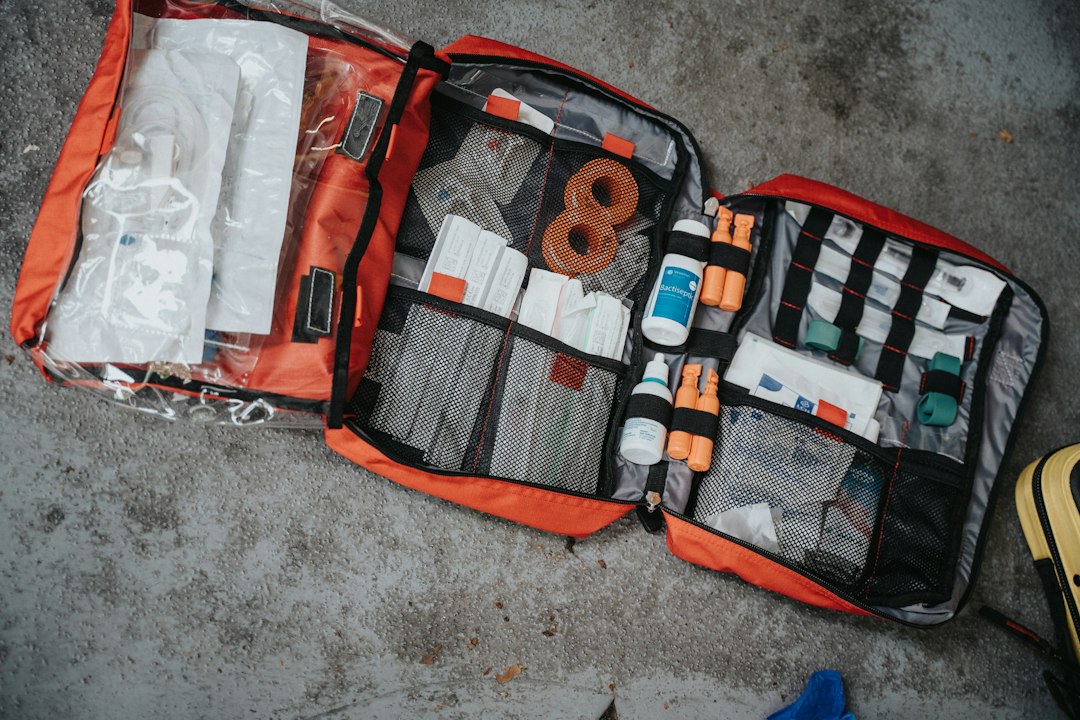
Pre-existing conditions, some sports, scooter or motorbike incidents, and travel against official advice may be excluded or subject to conditions. Make sure every family member is named and that the policy covers the full trip dates, all destinations and the activities you plan to do.
Hospitals and clinics families can research
Healthcare options vary by destination and by the seriousness of the problem. The examples below are starting points for planning, not endorsements. Check the facility’s current services, paediatric availability, opening hours, payment arrangements and your insurer’s approved-provider list before you need care.
Thailand
- Bangkok: Samitivej Sukhumvit Hospital has paediatric and women’s-health services; Bumrungrad International Hospital provides multispecialty care and support for international patients.
- Chiang Mai: Chiangmai Ram Hospital is a private hospital with international-patient services; McCormick Hospital lists family medicine, paediatrics and maternity care.
- Phuket: Bangkok Hospital Phuket is one option to check for diagnostics and specialist services; the public Vachira Phuket Hospital is another major local facility.
Bali, Indonesia
- Kuta and Nusa Dua: BIMC Hospital operates facilities in Kuta and Nusa Dua and lists English-speaking staff.
- South Bali: Siloam Hospitals Bali in the Sunset Road/Kuta area lists a range of specialist services.
- Denpasar: Prof. Ngoerah Hospital (often referred to as Sanglah) is a major public referral hospital. Check the appropriate department and language support before travelling there.
Before you go
Save the address and phone number of the nearest suitable facility for each stop on your itinerary. Ask whether the hospital treats children, whether it can communicate in a language your family understands, whether it accepts direct insurer billing, and what payment or deposit is required. On smaller islands or in remote areas, services may be limited and transfer to a larger centre may be necessary. In an emergency, contact local emergency services first and follow your insurer’s assistance instructions when it is safe to do so.

Prepare a family medical folder
- Insurance policy number and emergency assistance phone number.
- Copies of passports and relevant medical records.
- Medication names, doses, allergies and a list of current prescriptions.
- Paediatrician contact details and emergency contacts.
- Vaccination advice and destination-specific health recommendations from an official travel-health service.
Medicines and everyday prevention
Carry essential medicines in original packaging and pack enough for delays, subject to destination import rules. Use sun protection, hydration and food and water precautions appropriate to the location. In areas with mosquito-borne illnesses, follow local public-health guidance on repellents, clothing and accommodation screens. Ask a qualified clinician or travel-health clinic about vaccines and prevention tailored to your itinerary and children’s ages.
What to do in a medical emergency
Contact local emergency services and your insurer’s assistance line as soon as it is safe to do so. Give the insurer the hospital’s details and follow the policy’s authorisation process where possible. Keep receipts, prescriptions, discharge summaries and medical reports for claims. If a child has severe breathing difficulty, loss of consciousness, a seizure, major injury or another urgent warning sign, seek emergency care immediately rather than waiting for an insurer’s response.
Travel insurance versus international health insurance
Travel medical insurance is generally designed for a defined trip and unexpected emergencies; international health insurance may be intended for longer stays and can offer broader routine-care options. The exact distinction depends on the policy. Families spending months abroad should compare coverage duration, routine paediatric care, direct billing, renewal conditions and how the policy treats residence outside the home country.

Questions to ask before buying
- Are routine doctor visits and prescription medicines covered?
- Does the policy cover every country and island on our itinerary?
- Is medical evacuation included, and who decides when it is necessary?
- Are adventure activities, boat trips and scooter travel excluded?
- Can the insurer arrange direct payment to hospitals?
- What documents are required for reimbursement?
Frequently asked questions
Is ordinary travel insurance enough for a long family stay?
Not always. Check maximum trip duration, routine-care coverage and renewal rules; a long-stay or international policy may be more appropriate.
Should we buy insurance before departure?
It is prudent to arrange suitable cover before the trip and review the policy’s start date, exclusions and emergency contact process.
Does insurance guarantee cashless hospital treatment?
No. Direct billing depends on the insurer, facility, treatment and policy conditions. Ask the insurer how to arrange payment before travel.
For another long-stay family planning topic, read our comparison of family living costs in Portugal and Spain.
Leave a Reply