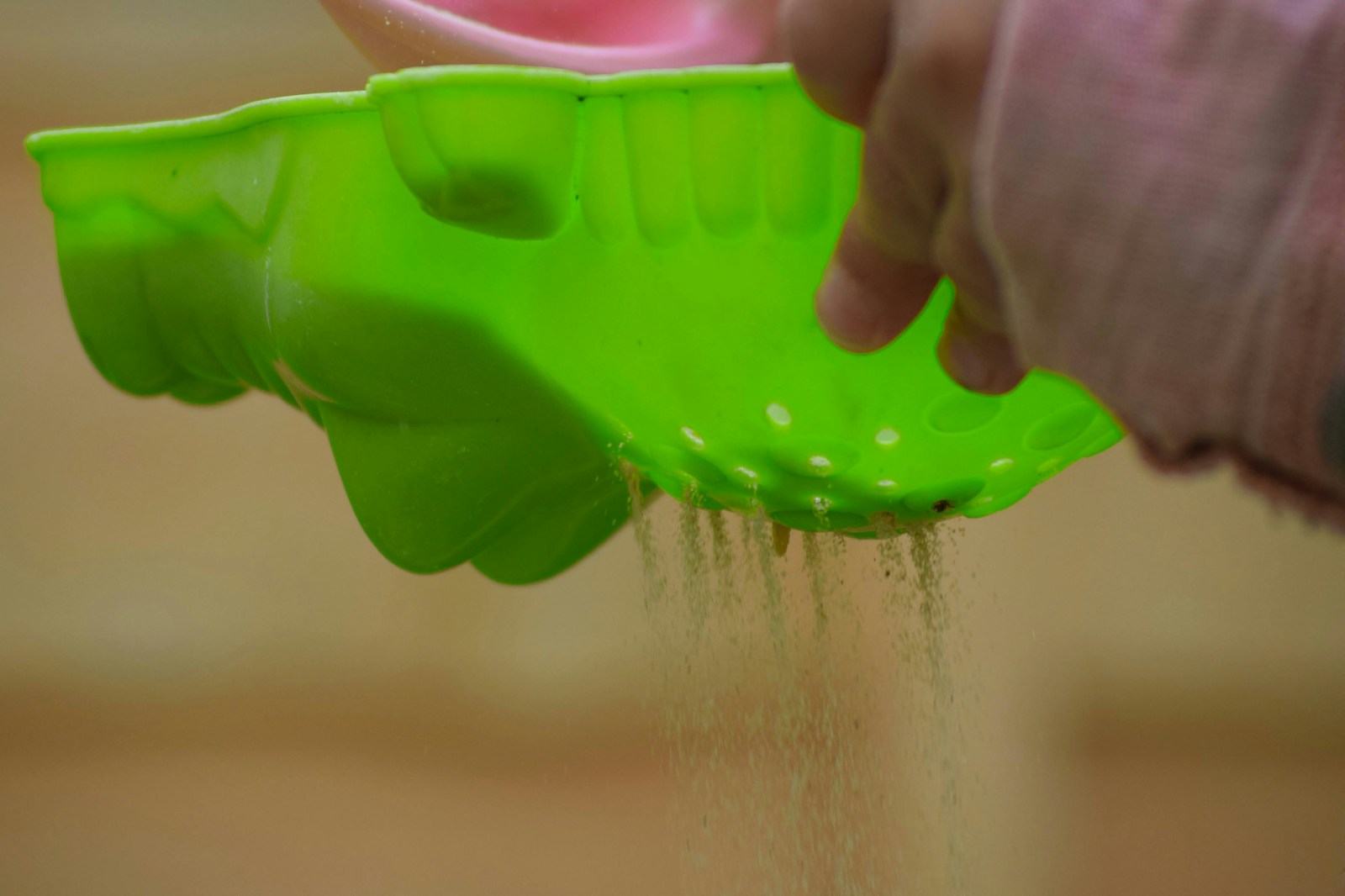
Some of the most engaging activities for young children don’t require batteries, screens or expensive toys. A shallow tray, a few kitchen utensils and an interesting texture can turn an ordinary afternoon into an opportunity for exploration.
Sensory play lets children investigate how materials feel, move, sound and behave. They can scoop, pour, squeeze, sort and experiment while practising coordination and exploring simple cause and effect. Start with materials you already have, choose an activity suited to your child’s age and supervise closely.
Safety note: Sensory bins containing loose food, small pieces or water are not automatically safe for toddlers. Children who put objects in their mouths need particularly careful supervision, and some materials should be avoided entirely for this age group.
1. Water Pouring Station
You need: a shallow stable tray, a small amount of water, two large unbreakable cups and a large sponge.
Place the cups and sponge in the tray and add just enough water for pouring. Demonstrate filling a cup, transferring water and squeezing the sponge. Use simple words such as “full,” “empty,” “more” and “less.” Stay within arm’s reach and supervise continuously; even shallow water can be dangerous for young children. Empty the tray immediately and dry the floor.
2. The Kitchen Sponge Squeeze
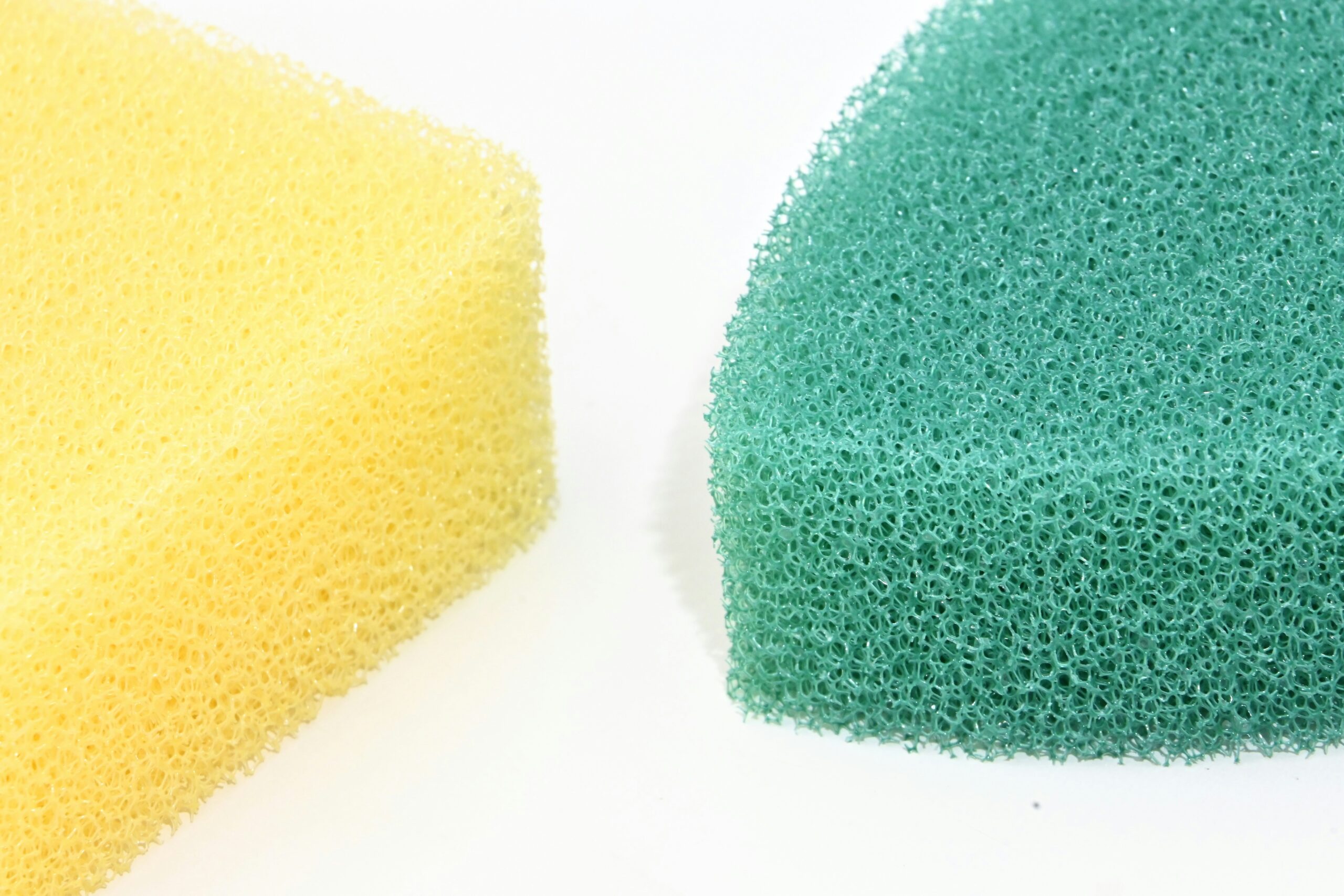
You need: two or three large, clean sponges, a shallow tray and a little water.
Soak the sponges lightly and demonstrate squeezing one over the tray. Let your child explore how the sponge changes as water is released. Choose durable sponges without detachable pieces, inspect them before use and supervise closely so pieces are not swallowed.
3. Cooked Pasta Texture Play
You need: plain, fully cooked pasta, a shallow tray, a large spoon and a bowl.
Allow the pasta to cool completely. Put a small quantity in the tray and invite your child to move it between containers. Cooked pasta can be slippery and may present choking risks depending on its shape and the child’s development. Choose suitable pieces, supervise throughout and discard food after play rather than saving it for another meal. If your toddler frequently mouths objects or cannot safely manage the material, choose a different activity.
4. The Ice Cube Discovery Tray
You need: a few large ice cubes, a shallow tray and a warm damp cloth for the end.
Let your child observe the ice as it begins to melt. Talk about how it feels cold and how water appears. The most interesting part may be watching the ice change rather than adding toys or decorations. Avoid small ice pieces that could be swallowed, never allow a child to suck or chew on ice, and stop if hands become uncomfortable.
5. A Large-Object Kitchen Sorting Tray
You need: a shallow tray and a few large, child-safe kitchen items, such as a large silicone spatula and an unbreakable bowl.
Invite your child to place similar objects together or move them between the tray and a bowl. Avoid knives, sharp metal utensils, breakable glass, small lids, detachable parts, plastic bags and anything that can fit entirely into the child’s mouth.
5. The Flour-Free Mixing Station
You need: a large stable bowl, a large spoon, a small quantity of water and a safe work surface.
Invite your toddler to stir water, move the spoon around the bowl and practise pouring between containers. Introduce words such as “stir,” “mix,” “slowly” and “stop.” Use a small amount of water and keep the activity away from electrical appliances.
7. A Citrus-Smelling Discovery Activity
You need: a fresh orange or lemon, a plate and an adult to prepare the fruit.
An adult can cut a piece of citrus fruit and offer the child an opportunity to smell it from a safe distance. Talk about whether the scent is familiar or strong. Do not give toddlers citrus peel, seeds or small wedges without considering choking risk. Keep prepared fruit out of reach when not supervised, and do not use essential oils or concentrated fragrance products as substitutes.
8. A Wash-and-Dry Pretend Kitchen
You need: a large unbreakable bowl, a little water, a few large washable child-safe utensils and a clean cloth.
Invite your child to wash the utensils, place them on a towel and help dry them. Introduce a simple sequence: wash, rinse, place and dry. Keep water shallow, supervise continuously, avoid detergents and cleaning products, and empty the bowl immediately afterward.
How to Set Up a Sensory Activity in Five Minutes
- Choose one activity that suits your child’s age and abilities.
- Use a stable tray or bowl in an easy-to-clean area.
- Prepare only the materials needed.
- Demonstrate one simple action.
- Let your child explore while you supervise.
- Clean up and put materials away immediately afterward.
If your child loses interest after two minutes, that’s fine. Sensory play doesn’t have to last a long time to be enjoyable.
What About Rice, Dry Pasta, Beans and Other Small Ingredients?
Many popular sensory-bin tutorials use dry rice, dried beans, lentils, beads and small pasta shapes. These ingredients can create interesting textures, but they are not appropriate choices for every toddler. Small loose materials can be swallowed or inhaled, and some can cause serious harm if they enter the airway.
For children who still mouth objects, avoid these loose-fill activities. Prefer large, age-appropriate objects and supervised water play with appropriate precautions. Also consider food allergies, hygiene and the risk of slipping on spilled materials.
Frequently Asked Questions
What age can children start sensory play?
Sensory exploration can begin in infancy with safe, age-appropriate experiences, but materials and supervision must change as children develop. Loose objects are particularly risky for babies and young toddlers who put things in their mouths.
Do sensory bins help child development?
Sensory play can offer opportunities to explore textures, practise coordination, experiment with cause and effect and learn new words. It is one part of a broader range of play experiences, not a guaranteed way to accelerate development.
How long should sensory play last?
There is no required duration. Follow your child’s interest and stop when they become tired, frustrated or ready to move on.
How can I make sensory play less messy?
Use a shallow tray, keep the quantity of materials small and choose an easy-to-clean location. Water-based activities can be simpler than loose ingredients, provided they are supervised continuously.
Explore more on WorldWithKids: link this article to Montessori-inspired toddler activities, screen-free rainy-day ideas, practical-life activities and minimalist toy storage solutions.
Leave a Reply