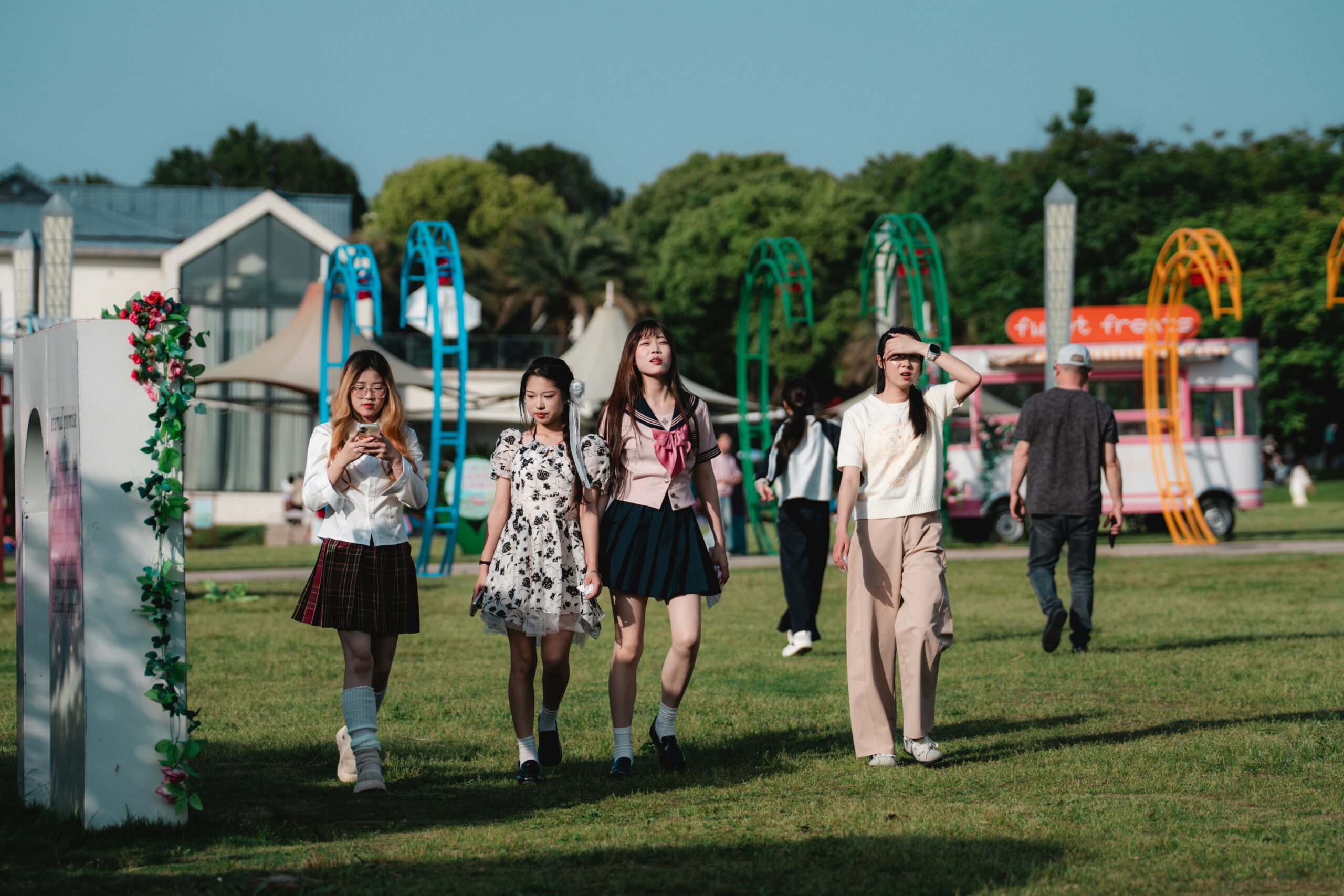
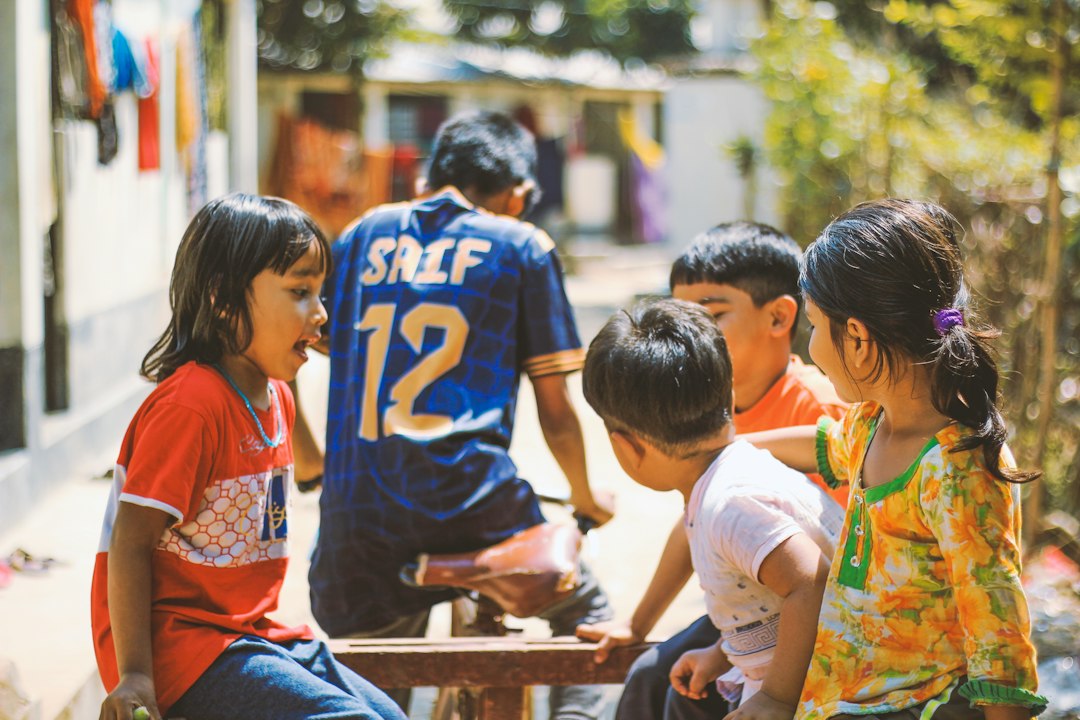
A child in Tokyo might be learning how to organize a school lunch tray. Somewhere else, children are playing a street game their grandparents played decades ago. These experiences look different, yet childhood often revolves around familiar things: friendship, curiosity, family, and the desire to explore.
Culture, geography, family circumstances, education systems, and access to resources all influence what growing up looks like. These examples describe practices found in particular places, not rules that apply to every family in a country.
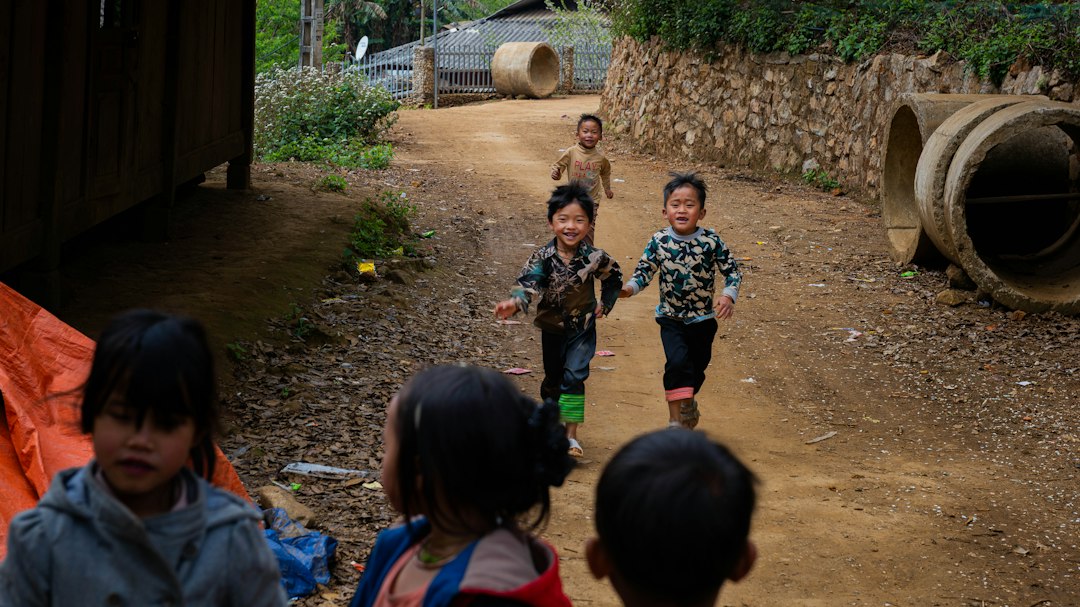
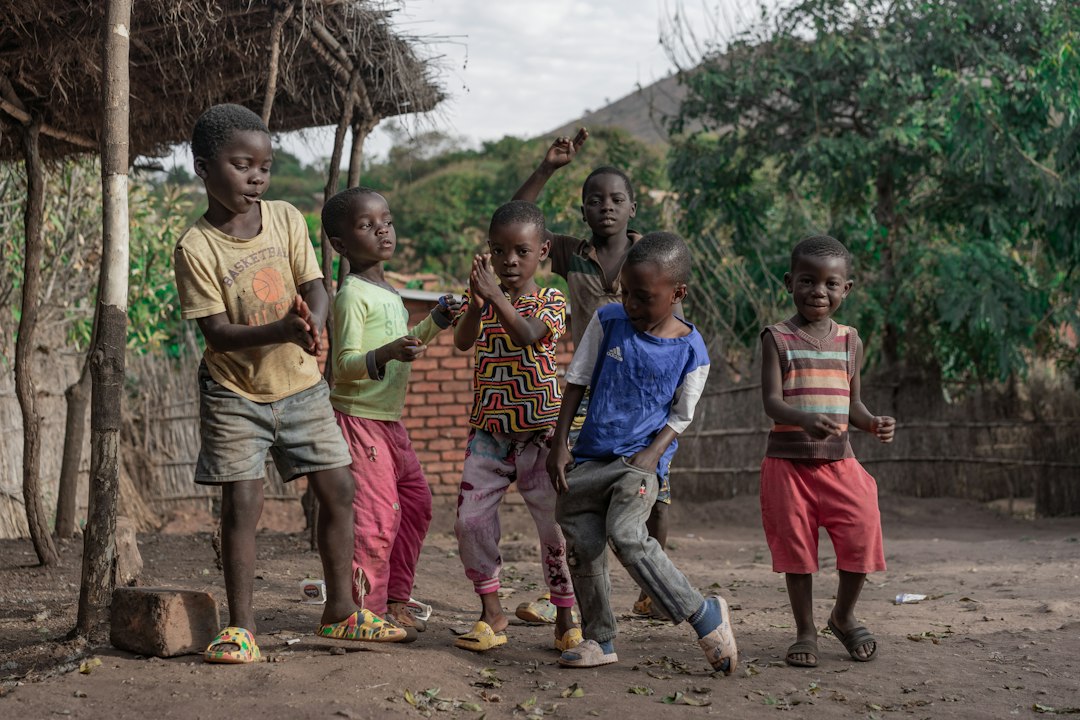
Photo note: Images illustrate childhood and play. They should not be treated as documentary proof of a specific country or tradition unless the photo’s origin and context have been verified.
1. School Lunch Can Be a Lesson in Independence
In many Japanese elementary schools, the school lunch system known as kyushoku can involve children helping distribute food, arrange classroom meals, and clean up afterward. These shared responsibilities can encourage cooperation. Practices vary by school.
2. Walking to School Can Become Part of Growing Up
In some Japanese neighborhoods, children travel to school in groups or walk familiar routes as they grow older. Distance, traffic, school policies, and family circumstances all matter. Safe streets and supportive communities can help children gain independence.
3. Outdoor Play Depends on the Community
Some children have gardens, parks, beaches, or open fields nearby. Others play in courtyards, school playgrounds, or small indoor spaces. Weather, urban design, traffic, and family schedules influence access to outdoor play.
4. Recess Is Part of the School Day in Finland
Finnish schools are often associated with regular breaks between lessons, including outdoor recess when conditions allow. Schedules vary, but the idea is worth considering anywhere: movement and social interaction also have a place in a balanced school day.
5. Grandparents Can Play an Important Role
In many families, grandparents help care for children, share stories, prepare meals, or pass on traditions. Some generations live together; others stay connected across distance. Supportive intergenerational relationships can give children a sense of belonging.
6. Traditional Games Can Survive for Generations
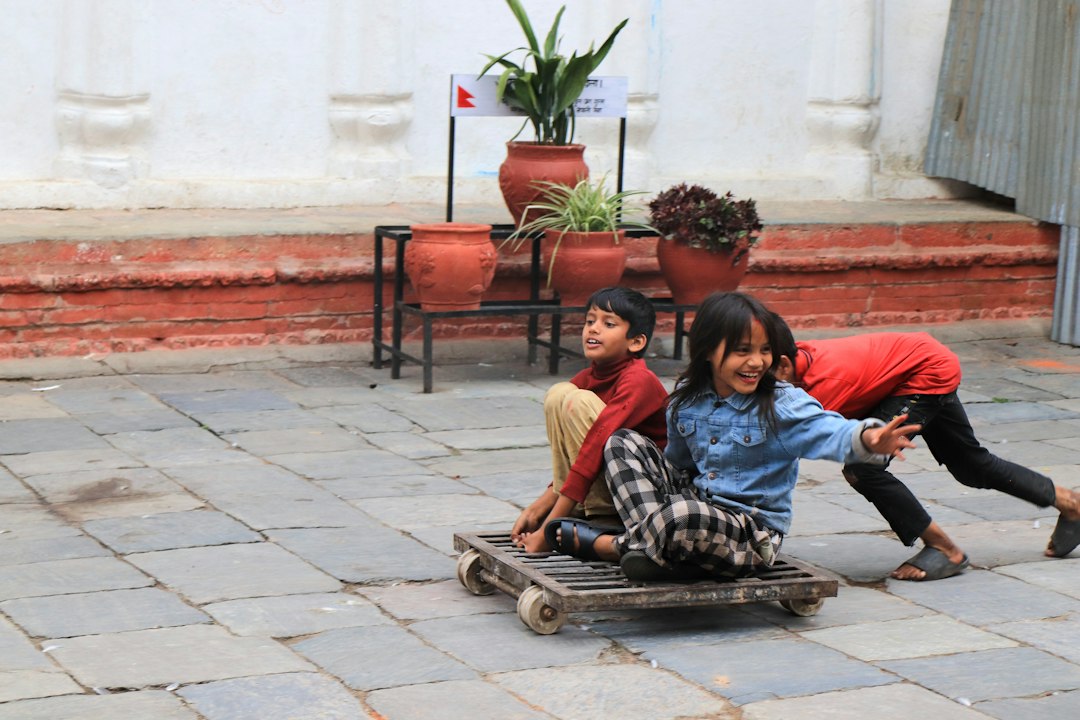
Hopscotch, skipping games, tag, and circle games appear in different forms across communities. Rules and names change, and children invent their own variations. Ask an older relative about the games they played growing up—you might discover a new family favorite.
7. School Uniforms Shape the Start of the Day
Some schools require uniforms, while others allow everyday clothing. Policies can reflect tradition, school identity, or practicality, and families may have different views about cost and comfort. Clothing alone does not tell us everything about a child’s school experience.
8. A Family Meal Can Carry a Cultural Story
Some households gather around shared serving dishes; others serve individual plates. Meal times and ingredients depend on regional traditions, work schedules, religion, and personal preferences. Helping prepare a familiar dish can connect children with family heritage.
9. Markets Can Become Everyday Classrooms
A trip to a market can teach children about colors, textures, prices, and where food comes from. Families can create similar experiences at a supermarket, farmers’ market, or home garden.
10. Nature Can Be Part of Everyday Learning
Some children explore forests, coastlines, or farmland; others encounter nature through city parks and community gardens. Watching insects, examining leaves, or noticing seasonal changes can encourage curiosity without an elaborate lesson.
11. Celebrations Help Children Understand Traditions
Birthdays, seasonal festivals, weddings, and religious celebrations can introduce children to customs that matter to their families. Even within the same country, people may celebrate differently. Families can also create new traditions of their own.
12. More Than One Language Can Be Part of Childhood
Some children grow up hearing two or more languages at home, at school, or in their community. Their language journey varies, but stories, songs, conversations, and books can help children build skills and connect with family culture.
13. Clothing Reflects Climate and Practical Needs
A child preparing for a snowy winter day needs different layers from a child playing in a hot climate. Clothing can also reflect school rules, local customs, and celebrations. A photograph should not be used to make sweeping assumptions about identity or circumstances.
14. Chores Can Be Part of Family Participation
In some households, children help with gardening, cooking, caring for pets, or organizing shared spaces. Responsibilities should be safe and age-appropriate, and balanced with school, rest, and play. Ordinary chores are different from excessive or unsafe work.
15. Childhood Has More in Common Than We Imagine
Children everywhere ask questions, develop friendships, explore their surroundings, and learn how to navigate relationships. No country has one single childhood experience; every community includes families with different resources, traditions, and stories.
What Can Families Learn From One Another?
Exploring childhood around the world is not about deciding which country does everything best. It is an opportunity to discover ideas that might work in our own lives: sharing family stories, making room for outdoor play, or finding ways to build independence.
If you could borrow one family tradition from anywhere in the world, what would it be?
Leave a Reply