
Christmas is a wonderful time for families, but the holiday season doesn’t have to revolve around decorating the tree, baking cookies, and watching Christmas movies. Children can enjoy much more exciting experiences when they get the chance to become inventors, detectives, filmmakers, scientists, and explorers.
What if your living room became a Christmas escape room? What if your children built an entire miniature North Pole village or created their own animated Christmas movie? These experiences turn ordinary holiday days into adventures that children will remember long after the decorations come down.
Whether you’re looking for creative indoor activities, hands-on Christmas projects, or something unusual to do together during the winter holidays, these ideas offer a fresh way to celebrate.
Here are 10 unique Christmas activities for kids and families that go beyond the usual holiday traditions. Each activity includes suggested ages, preparation time, materials, and practical instructions to help you bring the idea to life.
For more inspiration, explore our guides to creative art projects for kids, Montessori-inspired activities for toddlers, educational toys by age, and healthy winter habits for children.
Table of Contents
- Build imaginative Christmas worlds
- Solve Christmas mysteries and challenges
- Become Christmas filmmakers and storytellers
- Explore Christmas science and inventions
- Create meaningful family memories
Build Imaginative Christmas Worlds
Create a Secret North Pole Post Office
Recommended ages: 4–10
Time needed: 45–60 minutes to set up, then ongoing play
Difficulty: Easy
Instead of simply writing a letter to Santa, let your children create an entire North Pole postal service. This imaginative role-playing activity turns a familiar Christmas tradition into a little world of its own.
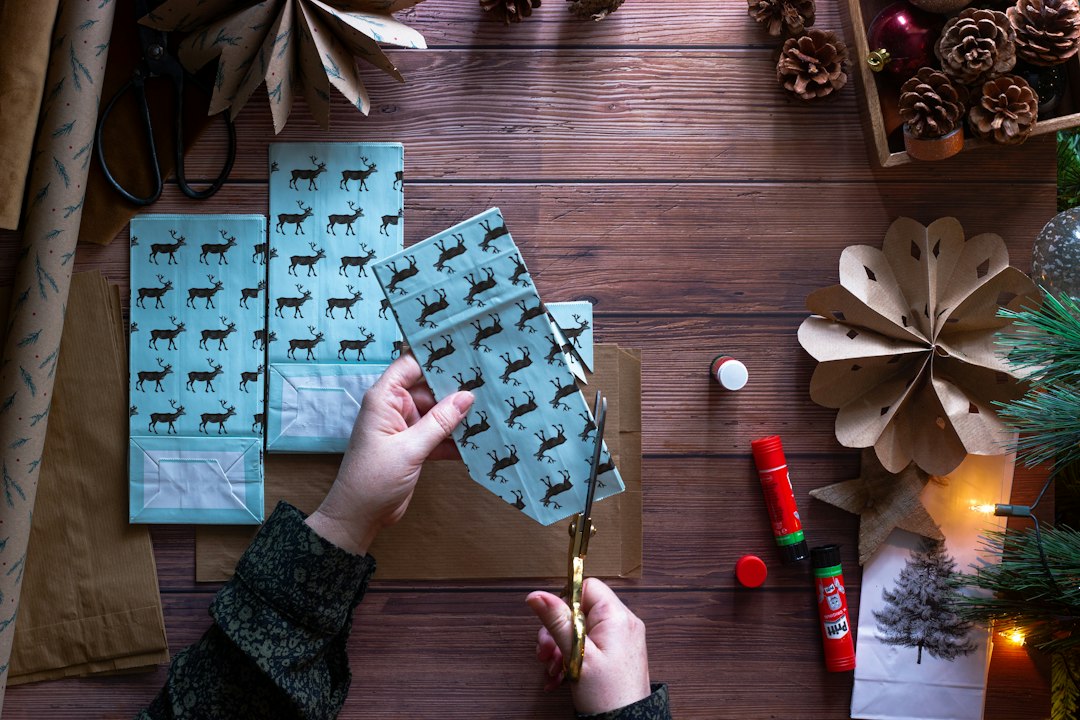
Set up a small desk or table as the post office. Add a cardboard mailbox, envelopes, paper, stickers, a date stamp, and a few small boxes. Give children different roles, such as postal workers, letter sorters, delivery coordinators, and North Pole customers.
They can design their own official North Pole stamps, create delivery labels, and sort letters into different categories. For an extra surprise, parents can secretly write a few replies from Santa’s postal team and place them in the mailbox.
Materials needed:
- Cardboard box for a mailbox
- Envelopes and colored paper
- Stickers and markers
- Small boxes for parcels
- Homemade stamps or stickers
- A notebook for recording deliveries
Make it more exciting: Create a special express delivery service for urgent Christmas messages. Give children a list of imaginary destinations, such as Santa’s workshop, the reindeer stable, and the elf bakery.
What kids learn: Writing, communication, organization, imaginative play, and cooperation.
Build a Miniature Christmas Village
Recommended ages: 5–12
Time needed: 1–2 hours, with additional time for decorating
Difficulty: Medium
Give children the opportunity to become town planners and architects by building their own miniature Christmas village.

Use cardboard boxes, paper rolls, small cartons, and recycled packaging to create houses, shops, a post office, a train station, and even a miniature Christmas market. Children can decide where each building should go and design the streets and public spaces.
Start by sketching a simple village map on a large piece of cardboard. Then build the individual structures and decorate them with colored paper, cotton, paint, and other craft materials.
The village can grow throughout December as children add new buildings, characters, and stories.
Materials needed:
- Small cardboard boxes and cartons
- Recycled packaging
- Colored paper and cardboard
- Washable paints and markers
- Glue and child-safe scissors
- Cotton for a snow effect
- Small toy figures and vehicles
Make it more exciting: Give the village a name and ask children to invent a story about the people who live there. They could create a Christmas market, organize a winter festival, or design a special place for Santa to visit.
What kids learn: Spatial awareness, planning, design, storytelling, creativity, and problem-solving.
Solve Christmas Mysteries and Challenges
Solve the Mystery of the Missing Christmas Star
Recommended ages: 5–12
Time needed: 30–60 minutes
Difficulty: Easy to medium
Turn your home into a Christmas detective adventure by creating a mystery that children must solve.

The story is simple: the special Christmas star has disappeared, and nobody knows where it is. Children must follow clues, solve puzzles, and investigate different rooms to discover what happened.
Before the game begins, hide a Christmas star somewhere in the house. Prepare five or six clues that lead from one location to another. Each clue should provide a small piece of information or a simple challenge.
For younger children, use pictures and straightforward directions. Older children can solve word puzzles, number codes, or riddles.
Materials needed:
- A Christmas star or another small object
- Paper and envelopes
- Pencils and markers
- A few simple puzzles
- A small prize or final surprise
Example clues:
- “I keep your food fresh and cold. Your next clue is waiting where the milk is stored.” (Refrigerator)
- “I have pages but I am not a notebook. Look between my stories.” (Book)
- “I am soft and comfortable, and everyone sits on me.” (Sofa)
Make it more exciting: Give each child a detective badge and a notebook to record clues. At the end, ask them to explain how they solved the mystery.
What kids learn: Logical thinking, observation, reading comprehension, deduction, and teamwork.
Turn Your Living Room into a Christmas Escape Room
Recommended ages: 7–12
Time needed: 1–2 hours to prepare; 30–45 minutes to play
Difficulty: Medium
An escape room at home is a fantastic way to introduce children to problem-solving through an exciting Christmas story.
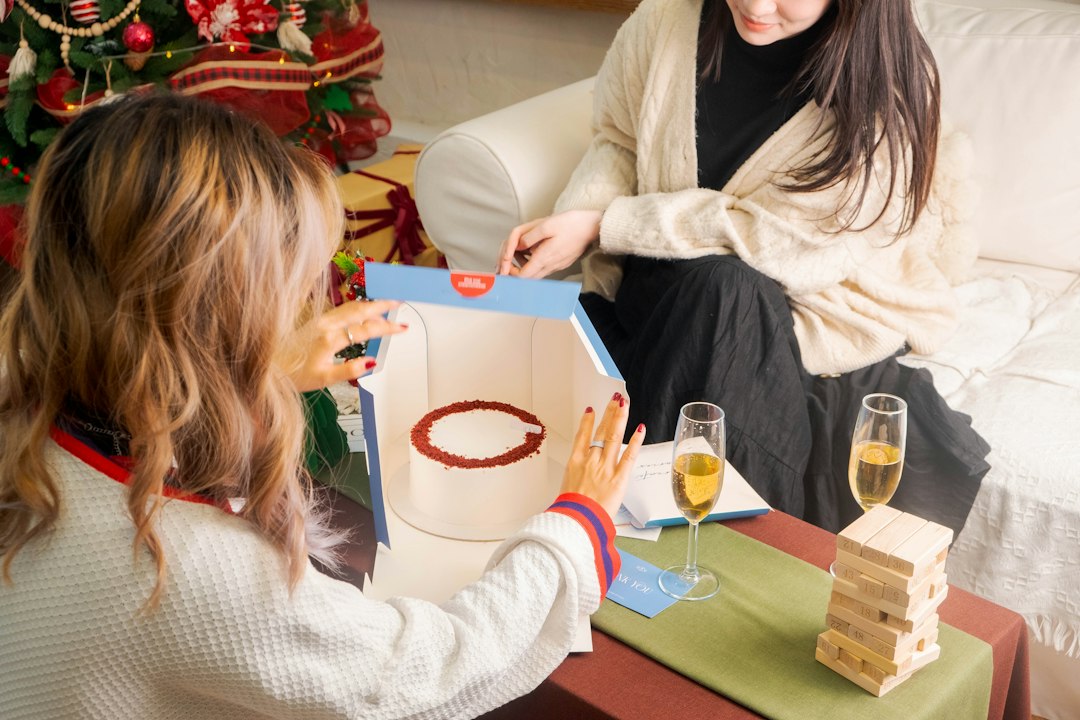
Imagine that Santa’s delivery system has stopped working. The children have 30 minutes to find the missing access code and restore the Christmas delivery operation before the imaginary deadline.
Divide the experience into several challenges. Each solved puzzle reveals a number, letter, or clue needed to complete the final mission.
You can use envelopes, cardboard boxes, simple combination locks, hidden messages, and picture puzzles. There is no need for expensive equipment.
Materials needed:
- Envelopes and cardboard boxes
- Printed or handwritten clues
- Puzzles and simple number codes
- A timer
- A final message or reward
Possible challenges:
- Decode a message using a simple alphabet substitution.
- Find hidden Christmas symbols around the room.
- Solve a mathematical puzzle to reveal a code.
- Arrange pictures in the correct sequence.
- Match clues to the correct characters.
For younger participants, parents can provide hints when needed. The objective is to enjoy solving the challenges, not to make the game frustrating.
Make it more exciting: Create a final locked box containing a message from Santa congratulating the children on saving Christmas.
What kids learn: Critical thinking, collaboration, persistence, pattern recognition, and decision-making.
Become Christmas Filmmakers and Storytellers
Make Your Own Christmas Stop-Motion Movie
Recommended ages: 6–12
Time needed: 1–3 hours
Difficulty: Medium
Children don’t need professional cameras or filmmaking equipment to create their own Christmas movie. A smartphone, a few toys, and some imagination are enough.
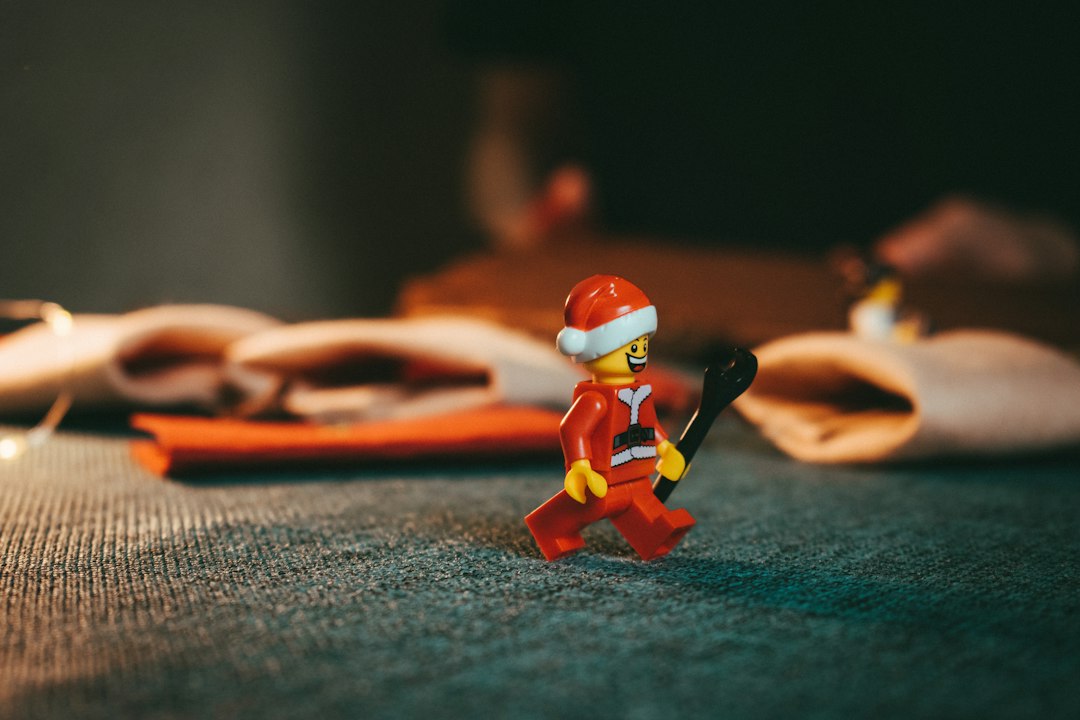
Stop-motion animation works by taking a series of photographs of objects in slightly different positions. When the photographs are played in sequence, the objects appear to move.
Start by helping children develop a short Christmas story. It could be about an elf who loses a present, a reindeer preparing for an important journey, or a snowman who wants to visit the North Pole.
Next, create a small stage using cardboard and colored paper. Arrange the characters, take a photograph, move them slightly, and take another. Repeat the process until the scene is complete.
A stop-motion app can help combine the photographs into a short video. Children can also add dialogue, sound effects, and background music.
Materials needed:
- Smartphone or tablet
- Small toys, LEGO figures, or handmade characters
- Cardboard for the background
- Modeling clay or craft materials
- A stable phone stand
- Stop-motion animation app
Make it more exciting: Organize a family premiere. Let the children create a movie poster, choose a title, and invite everyone to watch their finished production.
What kids learn: Storytelling, digital creativity, sequencing, patience, and basic filmmaking skills.
Create a Christmas Shadow Puppet Theatre
Recommended ages: 4–10
Time needed: 45–90 minutes
Difficulty: Easy
A shadow puppet theatre gives children the chance to become writers, designers, performers, and storytellers.

Start with a large cardboard frame and attach a sheet of white paper or thin white fabric across the opening. Place a lamp behind the screen so that the puppets create visible shadows.
Children can draw and cut out characters from dark paper or cardboard. Make simple figures such as Santa, elves, reindeer, trees, and snowflakes. Attach each character to a stick so it can be moved behind the screen.
Then ask the children to create a short Christmas story. They can write the dialogue, decide what happens in each scene, and perform the show for the family.
Materials needed:
- Cardboard box or frame
- White paper or thin fabric
- Black paper or cardboard
- Child-safe scissors
- Craft sticks
- A suitable lamp
Make it more exciting: Invite children to create different endings for the same story. They can experiment with character sizes and distances from the screen to change the appearance of the shadows.
What kids learn: Creative writing, communication, storytelling, performance, and visual experimentation.
Explore Christmas Science and Inventions
Open a Christmas Science Laboratory
Recommended ages: 5–12
Time needed: 45–90 minutes
Difficulty: Easy to medium
Christmas is a great opportunity to introduce children to science through experiments with winter themes.

Turn a kitchen table into a mini science laboratory and let children investigate how materials behave, how ice melts, and how different substances interact.
Here are three easy experiments to try.
Experiment: Make artificial snow
Mix baking soda with small amounts of water in a bowl, adding the water gradually until the mixture reaches a soft, snow-like texture. Let children explore how it feels and use it to create a miniature winter landscape.
Experiment: Watch ice melt
Place ice cubes on separate plates and test different conditions. Leave one in a warm room, another in a cooler location, and another near a sunny window. Ask children to predict which will melt first and record their observations.
Experiment: Grow salt crystals
Dissolve salt in warm water until the solution is concentrated. Pour it into a clean container and suspend a piece of string in the liquid. Leave it undisturbed and observe the crystal formation over several days. An adult should prepare the warm solution.
Materials needed:
- Baking soda
- Water
- Ice cubes
- Salt
- Clear containers
- String
- Spoons and trays
Make it more exciting: Give children a scientist’s notebook and ask them to draw what they observe, write predictions, and compare the results.
Safety note: An adult should supervise all experiments. Do not taste experiment materials, avoid contact with eyes, and use only child-safe materials. Adults should handle warm water.
What kids learn: Observation, scientific thinking, prediction, experimentation, and understanding of simple physical processes.
Open a Christmas Invention Workshop
Recommended ages: 6–12
Time needed: 1–2 hours
Difficulty: Medium
What would happen if children were asked to invent something that makes Santa’s job easier?
This activity transforms Christmas into an engineering challenge. Instead of following instructions to make a specific craft, children must imagine a problem and design their own solution.
Begin by asking questions:
- How could Santa deliver presents more quickly?
- How could reindeer find their way through fog?
- How could elves organize thousands of presents?
- How could a gift be wrapped automatically?
- How could Santa remember every child’s wish?
Once children choose a problem, ask them to draw their invention and explain how it works.
Then let them build a basic prototype using cardboard, paper rolls, LEGO bricks, bottle caps, and other recycled materials.
The invention doesn’t need to work perfectly. The important part is that children think about how their design might solve a problem.
Materials needed:
- Cardboard and recycled packaging
- LEGO bricks or building blocks
- Paper rolls
- Tape and glue
- Markers and colored paper
- Child-safe scissors
Make it more exciting: Organize a family invention exhibition. Each child presents their invention, explains its purpose, and demonstrates how it is supposed to work.
What kids learn: Engineering thinking, creativity, design, problem-solving, communication, and experimentation.
Create Meaningful Family Memories
Make a Christmas Time Capsule
Recommended ages: 4–12
Time needed: 30–60 minutes
Difficulty: Easy
A Christmas time capsule is a special way to preserve memories and see how children change from one year to the next.

Find a sturdy box and decorate it together. Explain that the box will hold memories from this Christmas and will be opened at a future Christmas.
Ask each family member to contribute a few items. Children might include a drawing, a photograph, a handwritten letter, or a list of their favorite things.
You can also prepare a simple questionnaire:
- What is your favorite activity this year?
- Who is your best friend?
- What is your favorite book or movie?
- What would you like to learn next year?
- What do you hope to do with your family?
Add the completed answers to the box, along with a photograph of everyone together.
Seal the capsule, write the opening date on the outside, and store it somewhere safe and dry.
Materials needed:
- A sturdy box with a lid
- Paper and envelopes
- Family photographs
- Colored pencils and markers
- Small drawings or keepsakes
Make it more exciting: Create a new capsule every Christmas and compare the answers from previous years. Children will enjoy seeing how their interests, handwriting, and dreams have changed.
What kids learn: Reflection, self-expression, emotional awareness, and appreciation of family memories.
Build a Winter Wildlife Rescue Station
Recommended ages: 5–12
Time needed: 45–90 minutes to set up, with ongoing observation
Difficulty: Easy to medium
Christmas activities don’t have to stay indoors. A winter wildlife project gives children the opportunity to connect with nature and learn about the animals living around them.
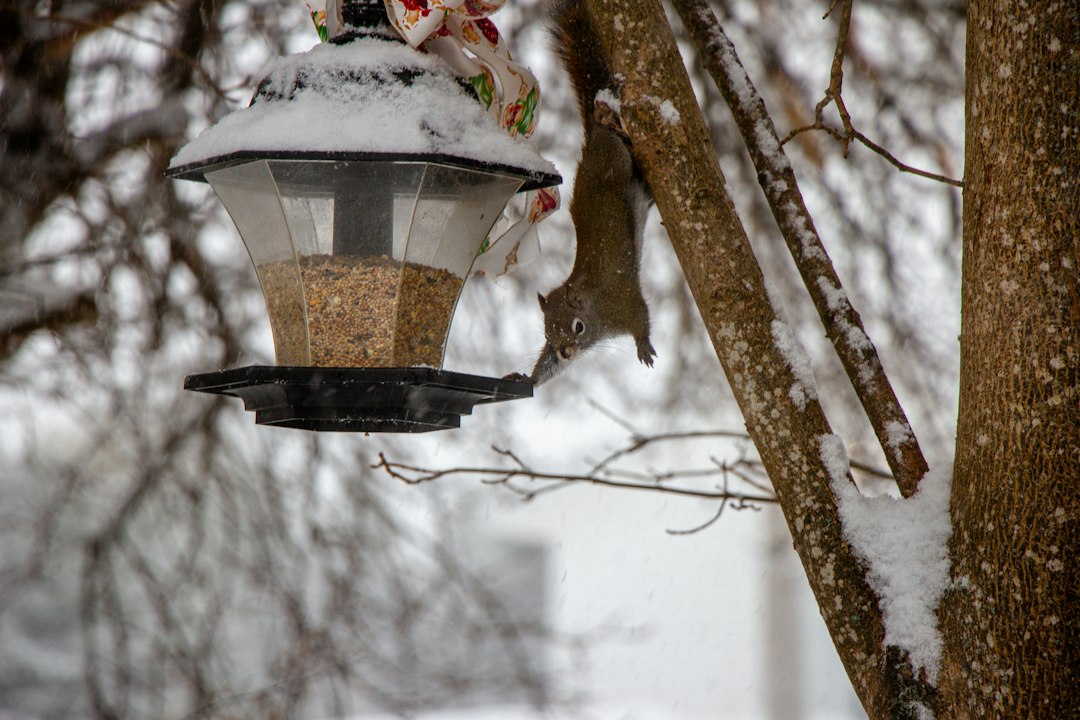
Create a small wildlife observation area in your garden, balcony, or another suitable outdoor space. You could install a bird feeder, place a shallow water dish in a safe location, and keep a notebook to record visiting birds.
Children can also make a simple bird-feeding station using an appropriate feeder and suitable bird food. Research which foods are safe for the local bird species before choosing what to provide.
Observe the birds from a distance rather than trying to approach or handle them. Record their colors, sizes, behavior, and how frequently they visit.
Materials needed:
- A suitable bird feeder
- Bird food appropriate for local species
- A shallow water dish
- A notebook and pencils
- Binoculars, if available
- A camera for photographs
Make it more exciting: Start a family winter wildlife journal. Children can draw the birds they see, give them descriptive names, and create a simple record of their visits.
What kids learn: Nature awareness, observation, responsibility, patience, and respect for wildlife.
Make This Christmas Different
The best Christmas activities are not necessarily the ones that require the most preparation or the biggest budget. They are the ones that give children an opportunity to explore, create, experiment, and take part in something meaningful.
Some children will love solving mysteries, while others may prefer building a miniature village or making their own animated movie. You don’t need to try all ten activities. Choose the ideas that match your children’s interests and adapt them to their ages.
You can also turn these experiences into new family traditions. Perhaps every December becomes the month when your family creates a new invention, produces a Christmas movie, or opens a time capsule from the previous year.
Most importantly, let children take the lead. Give them room to make decisions, experiment with ideas, and discover things for themselves.
This Christmas, go beyond the usual holiday routine and create something your family will remember for years to come.