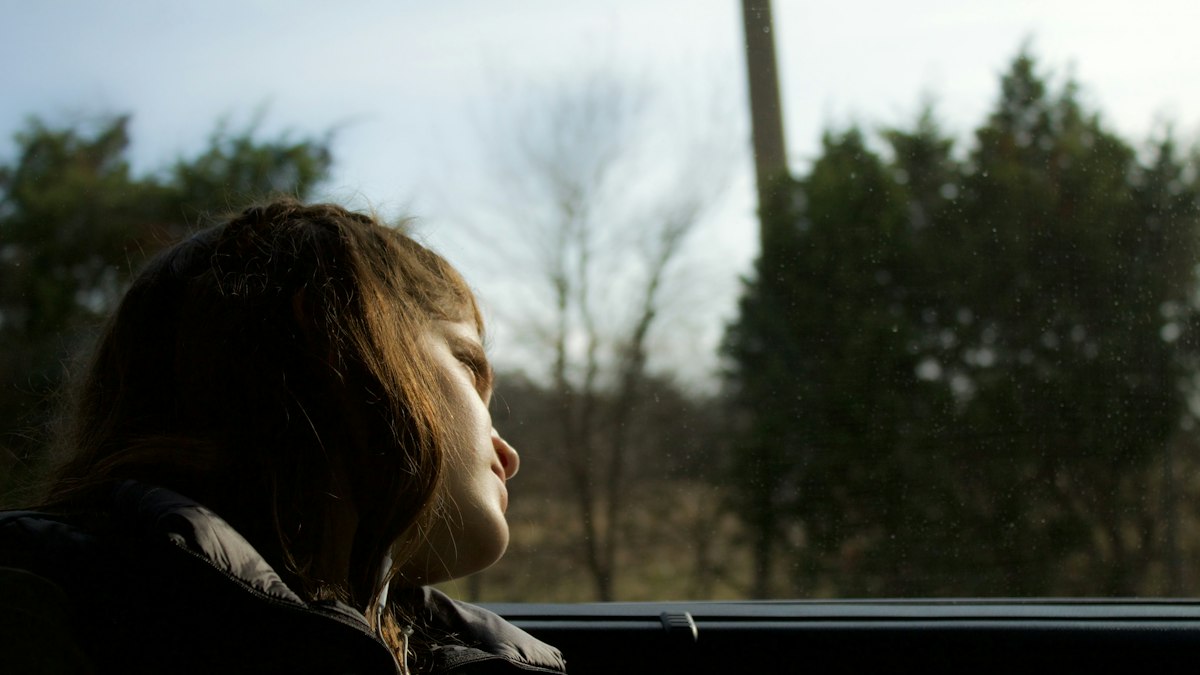
Long car journeys can be challenging when travelling with young children. Preschoolers have plenty of energy, curious minds, and relatively short attention spans. After a while, even the most exciting journey can turn into repeated questions of “Are we there yet?”
The good news is that keeping little ones entertained doesn’t require expensive toys, tablets, or complicated activities. With a few simple road trip games, you can turn an ordinary car journey into a fun opportunity for learning, imagination, and family bonding.
The best road trip games for preschoolers are easy to understand, don’t require much equipment, and can be adapted to different developmental stages. Children aged two may enjoy identifying colors and making animal sounds, while four- and five-year-olds may be ready for guessing games, simple memory challenges, and storytelling.
Whether you’re planning a weekend getaway, a family holiday, or a longer road trip, these 10 fun road trip games for preschoolers will help make the journey more enjoyable.
Table of Contents
10 Easy Road Trip Games for Preschoolers (Ages 2–5)
These activities are designed for young children and can be adjusted according to their age, language skills, and attention span. Most require nothing more than a little imagination and participation from the family.
Color Hunt
Age: 2–5 years
What you need: Nothing
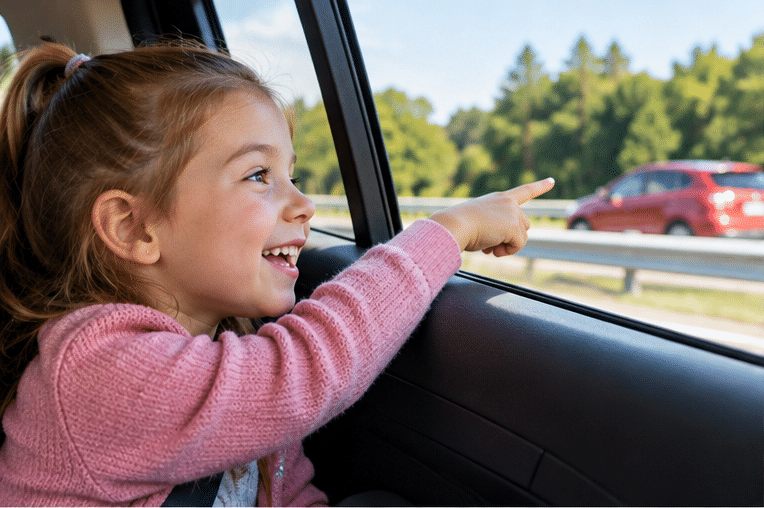
Color Hunt is a simple game that helps preschoolers recognize colors while observing the world outside the car.
Choose a color and ask your child to find objects in that color.
- Can you see a red car?
- Where is something green?
- Can you find a yellow sign?
- Can you spot a blue truck?
Start with basic colors that your child already knows. Once they become comfortable, introduce less familiar colors or ask them to find several objects of the same color.
For younger toddlers, point out the objects together. Older preschoolers can take turns choosing the next color.
Learning benefit: Color recognition, vocabulary, and visual observation.
Animal Sounds
Age: 2–5 years
What you need: Nothing
Children naturally enjoy animals, and this game is an easy way to bring some laughter into a long journey.
Take turns making animal sounds and ask your child to identify the animal.
- What does a cow say?
- Can you make a sheep sound?
- What sound does a dog make?
- How does a lion roar?
- Can you imitate a duck?
You can make the game more interesting by asking your child to choose an animal and let everyone else guess.
If you pass a farm or see animals along the road, use the opportunity to talk about them.
Learning benefit: Listening skills, animal recognition, memory, and language development.
Counting Cars
Age: 2–5 years
What you need: Nothing
Counting Cars is a great introduction to numbers during a road trip.
Choose something you can easily spot and count together.
- Red cars
- Blue trucks
- Buses
- Motorcycles
- White vans
Younger children can count from one to five with help from an adult. Older preschoolers can try counting to ten or keeping track of how many vehicles they spot during a short period.
You can also introduce simple comparisons: “Do you think we will see more red cars or blue cars?”
Learning benefit: Early numeracy, counting, number recognition, and comparison skills.
Sing-Along Challenge
Age: 2–5 years
What you need: A playlist (optional)
Music can make a long drive much more enjoyable, especially for preschoolers who love familiar songs and repetition.
Create a playlist of children’s favorites and encourage everyone to sing along.
- The Wheels on the Bus
- Old MacDonald Had a Farm
- If You’re Happy and You Know It
- Twinkle, Twinkle, Little Star
- The Itsy Bitsy Spider
You can also play a simple missing-word game. Stop singing just before a familiar word and see whether your child can complete the line.
Let children choose the next song to make them feel involved.
Learning benefit: Language development, rhythm, memory, and listening skills.
What’s That Sound?
Age: 2–5 years
What you need: Nothing
This game encourages children to listen carefully to the sounds around them.
Ask your preschooler to identify different sounds they can hear during the journey.
- Can you hear the car engine?
- What does the rain sound like?
- Can you hear a bird?
- What happens when a large truck passes?
- Can you hear the wind?
You can also make simple sounds yourself and ask your child to imitate them.
For younger children, keep the sounds familiar and easy to recognize. Older preschoolers can describe where the sound might be coming from.
Learning benefit: Auditory awareness, concentration, listening, and vocabulary.
I Spy
Age: 3–5 years
What you need: Nothing
I Spy is one of the most popular traditional road trip games for children.
One person chooses an object they can see and gives a clue.
For example: “I spy with my little eye something green.”
Other players take turns guessing what the object might be.
For younger preschoolers, use colors, sizes, and simple descriptions. Older children can try identifying objects using the first letter of their names.
- Something tall
- Something round
- Something red
- Something that moves
Choose objects that remain visible long enough for everyone to participate.
Learning benefit: Observation, descriptive language, vocabulary, and reasoning.
Road Trip Bingo
Age: 4–5 years
What you need: Printable picture bingo cards and pencils
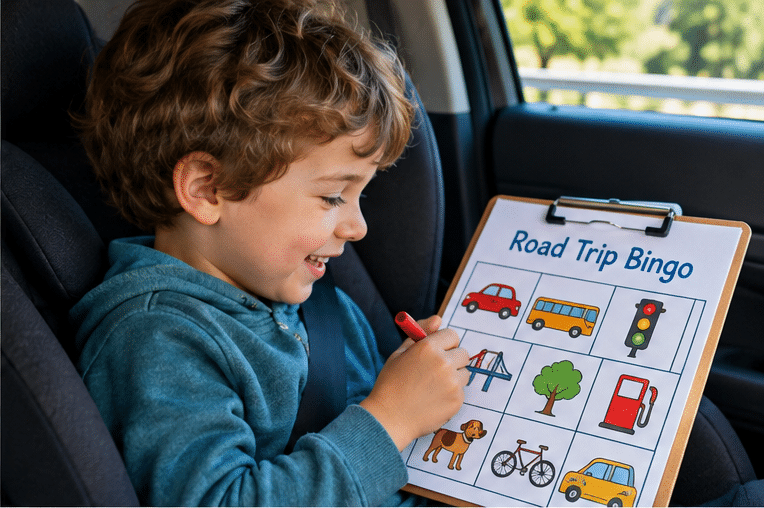
Road Trip Bingo turns the journey into a little treasure hunt.
Before leaving home, prepare a simple bingo card containing pictures of things children might see along the way.
- A bridge
- A red car
- A bus
- A dog
- A traffic light
- A bicycle
- A train
- A gas station
Whenever your child spots an item, they mark it on their card.
The first person to complete a row wins.
For children who cannot read yet, use pictures rather than written words. An adult passenger can help identify and mark the objects.
You can prepare different cards for different journeys to keep the activity interesting.
Learning benefit: Visual recognition, attention, matching, and concentration.
The Storytelling Game
Age: 3–5 years
What you need: Nothing
Preschoolers love stories, and this activity gives them an opportunity to create their own adventures.
Start with a simple sentence: “Once upon a time, a little dinosaur decided to go on a road trip.”
Ask the next family member to add another sentence: “He packed his favorite red suitcase and climbed into a yellow car.”
Continue taking turns until you have created a complete story.
Encourage children to introduce funny characters, unusual places, and unexpected events.
There are no wrong answers. The sillier the story becomes, the more entertaining the game is likely to be.
Learning benefit: Imagination, communication, vocabulary, and storytelling skills.
Shape Hunt
Age: 3–5 years
What you need: Nothing
Shape Hunt helps preschoolers recognize basic shapes in the world around them.
Ask your child to find:
- Circles on road signs
- Rectangles on trucks
- Triangles on warning signs
- Squares on buildings
- Round wheels on vehicles
For younger children, begin with circles and squares. Older preschoolers can try finding three examples of each shape.
You can also ask questions such as: “Can you find something that looks like a triangle?”
This activity makes the journey an opportunity to practice early geometry in a natural setting.
Learning benefit: Shape recognition, visual observation, and early mathematical thinking.
I’m Going on a Picnic
Age: 4–5 years
What you need: Nothing
This classic memory game is perfect for family road trips.
The first player begins: “I’m going on a picnic, and I’m bringing an apple.”
The next player repeats the sentence and adds another item: “I’m going on a picnic, and I’m bringing an apple and a banana.”
Each player must remember the previous items before adding a new one.
Continue around the family until someone forgets an item.
For younger preschoolers, keep the list short and offer hints when necessary. Older children can try remembering longer sequences.
You can also change the theme to a holiday suitcase, a visit to the zoo, or a trip to the beach.
Learning benefit: Memory, vocabulary, concentration, and listening skills.
Tips for Entertaining Preschoolers in the Car
Choosing suitable games is important, but a little preparation can make the entire journey easier for parents and children.
Keep Activities Short
Preschoolers don’t usually want to play the same game for an extended period.
Introduce different activities throughout the journey and allow children to move on when they lose interest.
A short game followed by music or quiet time can work better than trying to keep children occupied with one activity.
Prepare a Small Activity Bag
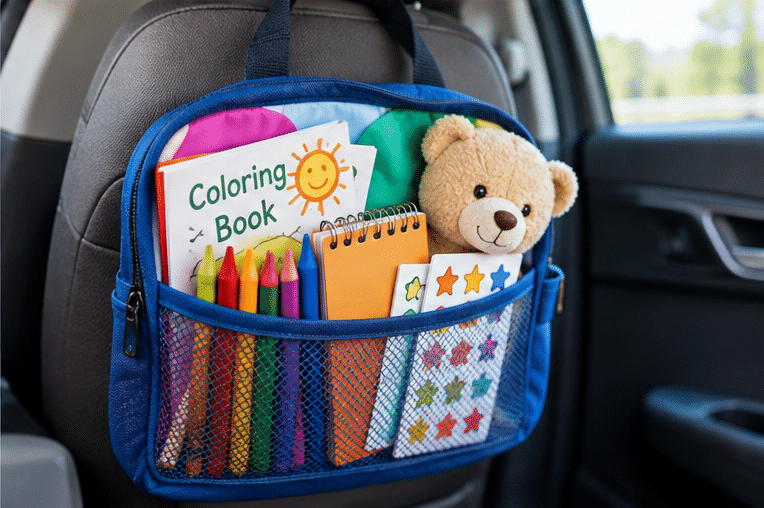
Before leaving home, pack a small bag with child-friendly activities. If you’re preparing for a longer family journey, our family travel packing list can help you organize the essentials.
- Picture books
- Coloring books
- Chunky crayons
- Reusable sticker books
- Magnetic drawing boards
- Picture bingo cards
Keep the bag within easy reach of an adult passenger.
Avoid heavy or hard objects that could become dangerous during sudden braking.
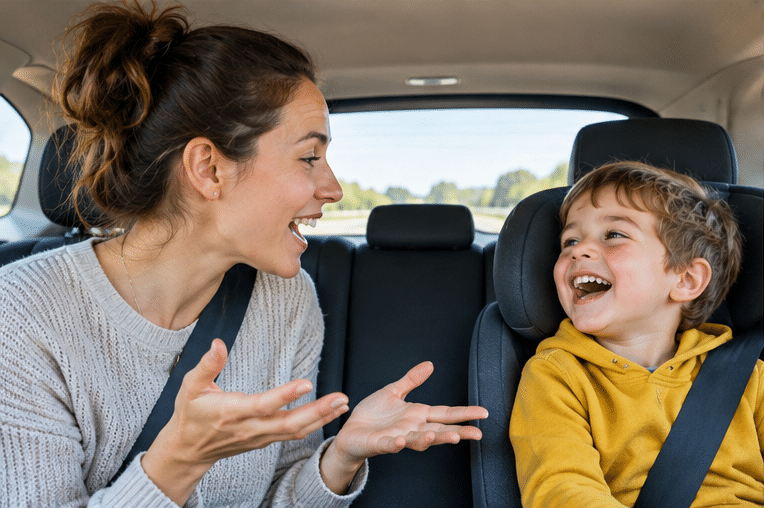
Choose Games That Match Your Child’s Age
A two-year-old may enjoy identifying colors and making animal sounds, while a five-year-old may be ready for memory games and storytelling.
Don’t worry if a child cannot follow every rule. The purpose is to enjoy the journey, not to win every game.
Plan Regular Breaks
Games and entertainment cannot replace physical activity.
Plan regular stops so young children can stretch, walk, use the restroom, and get some fresh air.
A break approximately every two hours can be a useful starting point for many journeys, with more frequent stops when younger children need them.
Keep Safety First
The driver should always remain focused on the road.
An adult passenger can manage the games, hand out materials, and help children participate.
Avoid activities that require the driver to look away from the road, read, write, or handle a phone.
Final Thoughts
Travelling with preschoolers doesn’t have to mean endless questions about when you’ll arrive or constant requests for entertainment.
With a little creativity, even a long car journey can become an enjoyable family experience.
These 10 road trip games are easy to organize, require very little equipment, and offer opportunities for children to practice counting, recognize colors and shapes, develop language skills, and use their imagination.
Choose a few favorites, prepare some simple activities before leaving home, and let your little ones participate at their own pace.
After all, a family road trip isn’t just about reaching the destination. It’s about enjoying the little moments along the way!