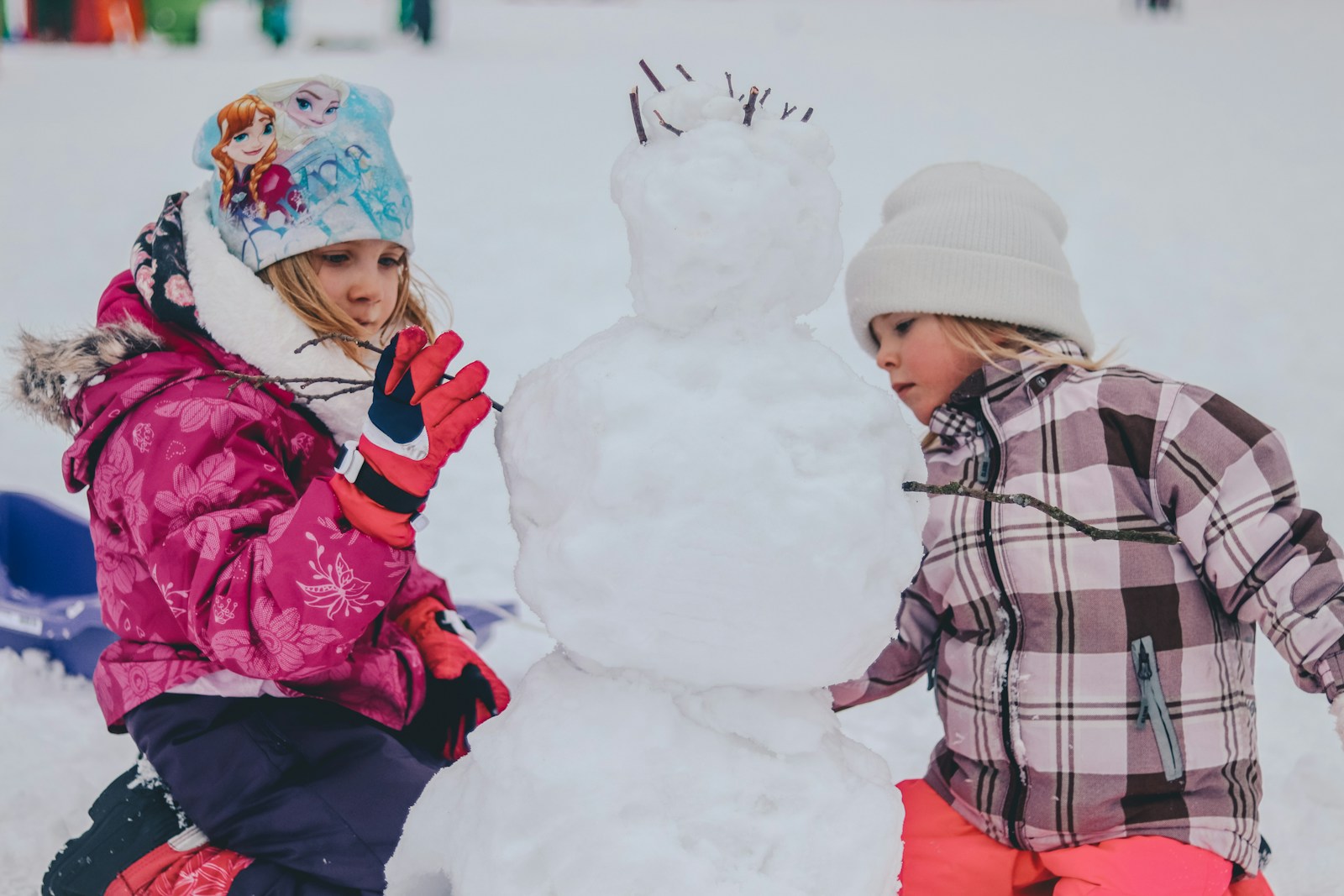
When winter arrives, many parents start rearranging family life around the weather. Outdoor plans become shorter, playground visits become less frequent, and indoor entertainment takes over. But in Nordic countries, winter doesn’t necessarily mean staying inside until spring.
Across Denmark, Sweden, Norway, Finland and Iceland, families have different traditions and routines, but outdoor time, practical clothing and cozy family rituals are common themes. The Norwegian word friluftsliv describes a love of outdoor life and offers useful inspiration for families everywhere.
There is no single Nordic parenting method, and these habits don’t guarantee that children will avoid winter illnesses. They do offer practical ways to make cold-weather family life more active, comfortable and enjoyable.
1. Go Outside Even When It’s Cold
In parts of Scandinavia, outdoor play remains a normal part of family life during winter. Children may explore playgrounds, walk through forests, build snowmen or simply enjoy the fresh air. The idea isn’t that children must spend hours outdoors in freezing temperatures; it’s that cold weather doesn’t automatically cancel every outdoor activity.
- Plan a short outdoor adventure when weather and conditions permit.
- Visit a local park, even if you only stay for 20 minutes.
- Look for winter birds, interesting branches or animal tracks.
- Return indoors when anyone becomes uncomfortable.
Fresh air doesn’t prevent every infection, but outdoor play provides opportunities for movement, exploration and connection with nature.
2. Dress in Layers Instead of Overheating
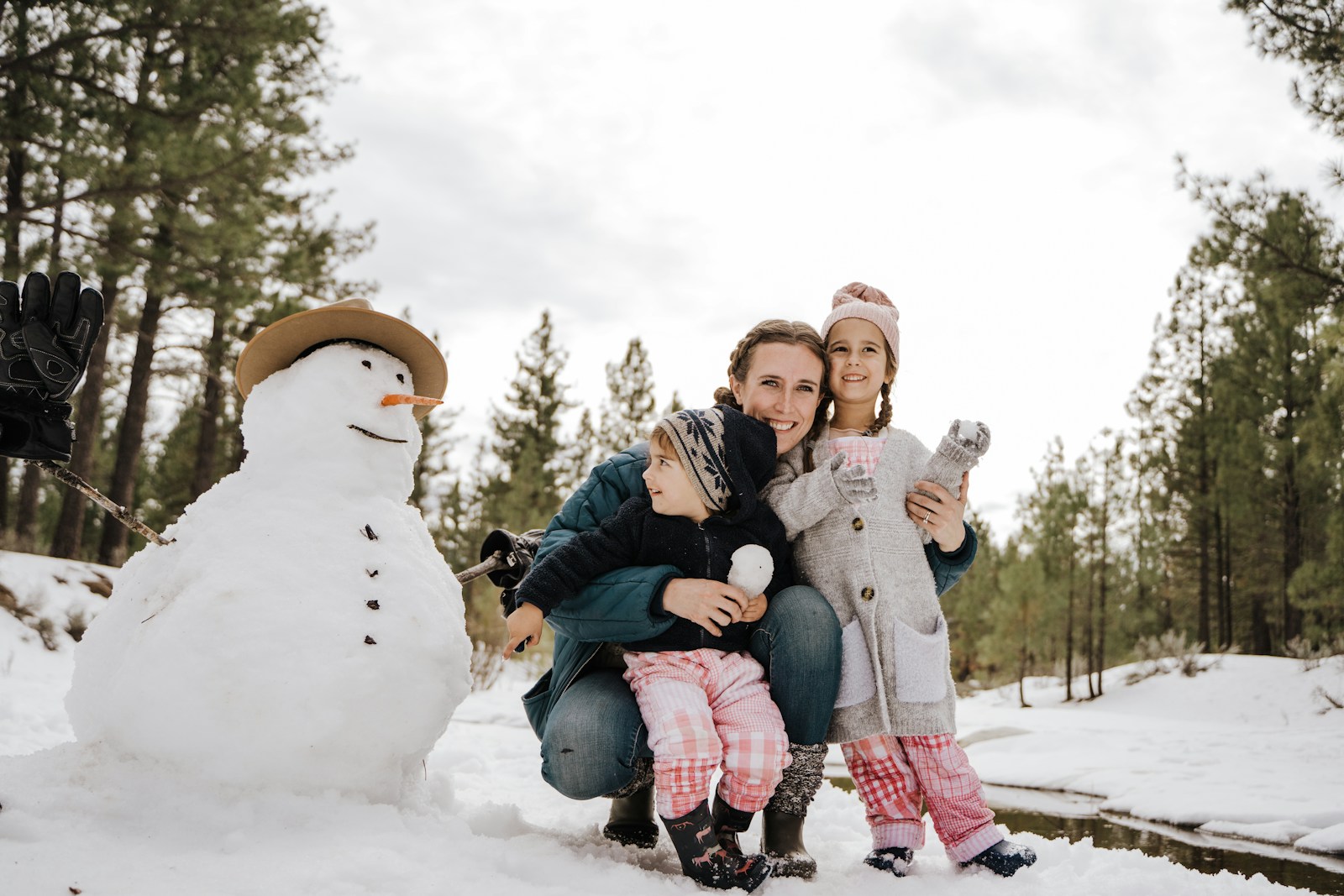
A practical winter clothing system includes a comfortable base layer, an insulating middle layer, weather-resistant outerwear and suitable accessories. Children who run around may become sweaty, while children sitting in a stroller can get cold more quickly. Check their comfort regularly rather than assuming that more clothing is always better.
For babies, follow safe-sleep guidance: remove hats and bulky outerwear indoors, and avoid overheating during sleep.
3. Make Movement Part of the Day
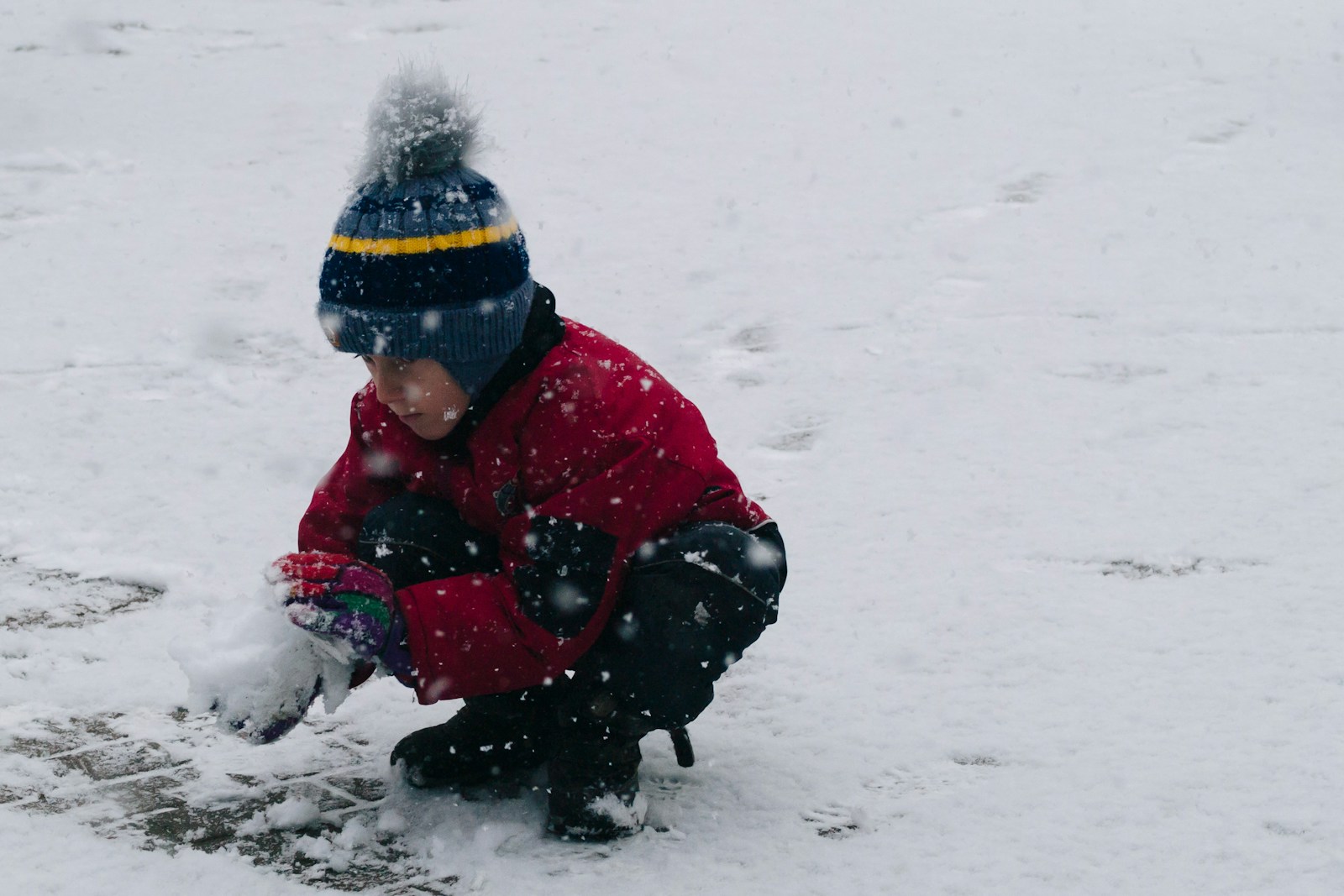
Winter exercise doesn’t need to mean skiing lessons or expensive equipment. Try a family walk, a playground visit, dancing indoors or a game of finding five different natural objects.
Create a winter adventure jar with paper slips such as “find three different birds,” “walk a new route” or “build a blanket fort after our walk.” Let your child choose one.
4. Serve Warm, Nourishing Family Meals
Nordic cuisines vary, but oats, root vegetables, potatoes, legumes, berries and fish feature in many regional food traditions. You don’t need to recreate a traditional Nordic menu to borrow the idea.
- Oatmeal with berries and yoghurt.
- Vegetable and lentil soup.
- Salmon with potatoes and vegetables.
- Wholegrain bread with egg or another suitable protein.
- Warm apple and cinnamon porridge.
Offer a variety of foods without pressuring children to finish everything. For babies and toddlers, adapt textures, cut foods appropriately and avoid choking hazards. Consider sodium levels, allergies and age-appropriate feeding guidance.
5. Protect Sleep and Create Predictable Routines
Dark winter mornings and early evenings can make schedules feel unusual. A familiar sequence—dinner, quiet play, washing, a story and bedtime—can help children transition from an active day to rest. Seek natural daylight during the day when possible, and keep evenings calm.
6. Make Indoor Time Feel Special
The Danish concept of hygge is associated with comfort, warmth and togetherness. For families, it doesn’t require expensive décor. It can mean a stack of books, a child-friendly snack and a simple activity everyone can enjoy.
- Choose a book to read together after dinner.
- Make paper snowflakes.
- Build a blanket den.
- Prepare a simple baking recipe.
- Have a family board-game evening.
7. Teach Children to Notice Their Own Comfort
Help children recognise when they are too hot, too cold, thirsty or tired. Ask specific questions: Are your hands comfortable? Are your socks wet? Do you need a break? Young children may not communicate discomfort clearly, so adults still need to check clothing, exposed skin and behaviour.
In very cold, wet or windy conditions, shorten outdoor activities and watch for persistent shivering, unusual tiredness or numbness. Move indoors and warm up promptly when needed.
A Nordic-Inspired Winter Day
Morning: Enjoy breakfast and get dressed in appropriate layers. Late morning: Take a short walk or visit a playground. Lunch: Serve a simple balanced meal. Afternoon: Choose quiet indoor play or reading. Evening: Have dinner and follow a familiar bedtime routine.
Adapt the schedule to your climate, your child’s age and your family’s needs. In some places winter means snow and insulated boots; elsewhere, it may mean rain jackets and muddy paths.
Frequently Asked Questions
Do Nordic parents let children play outside in winter?
Outdoor play is common in many Nordic settings, including schools and early-childhood environments, but practices vary by country, institution, weather and child.
Does cold weather make children sick?
Cold temperatures alone do not cause viral infections. Winter illnesses are influenced by virus transmission, indoor contact and ventilation. Outdoor play can support wellbeing but does not guarantee protection from illness.
What should children wear outside in winter?
Choose layers appropriate for the weather and activity, with protection against wind and moisture. Check comfort regularly and avoid overheating.
How can I keep my child active when it’s too cold to go outside?
Try indoor obstacle courses, dancing, movement games and age-appropriate active play.
Explore more on WorldWithKids: link this article to screen-free winter activities, easy family recipes, outdoor play ideas and cozy reading nook guides.
Leave a Reply