Parenting comes with an endless stream of little challenges: getting everyone out the door, keeping children entertained on a rainy afternoon, organizing toys, and preparing for family trips. Not every problem requires an expensive product or a complicated routine.
Sometimes, a cardboard box, a kitchen timer, or a little preparation the night before can make an unexpectedly big difference. Here are 20 practical ideas to try. Every family is different, so keep what works and adapt the rest.
1. Prepare Tomorrow’s Outfit Before Bedtime
Let your child choose tomorrow’s weather-appropriate outfit the evening before. Put everything together, including socks. For younger children, offer two acceptable choices. It gives them independence and removes one morning decision.
2. Turn a Cardboard Box Into an Adventure
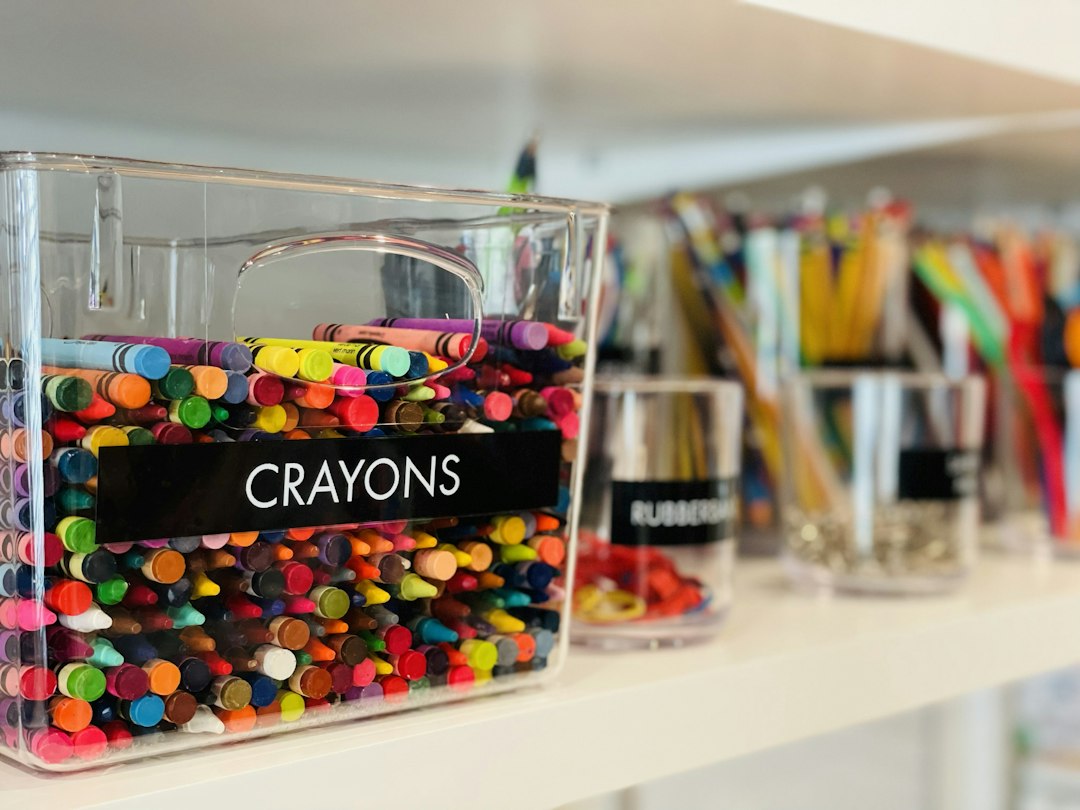
Before buying another toy, save a large, clean box. With crayons and paper, it can become a rocket, shop, castle, or train. Supervise young children and remove staples or sharp edges.
3. Try a Toy Rotation System
Keep a selection of toys accessible and store some out of sight. Every week or two, swap a few items. Familiar toys can feel exciting again after a break, and there is less clutter to tidy.
4. Use a Picture Checklist for Mornings
Create a chart showing the morning routine: get dressed, eat breakfast, brush teeth, put on shoes, and grab the school bag. Children can move a marker or tick off each task themselves.
5. Make a Boredom Jar
Write activities on paper slips: build a tower, draw an imaginary animal, make a paper airplane, invent a board game, or stage a puppet show. When boredom strikes, invite your child to choose an idea. It is a tool, not a guarantee of instant entertainment.
6. Turn Tidying Into a Short Challenge
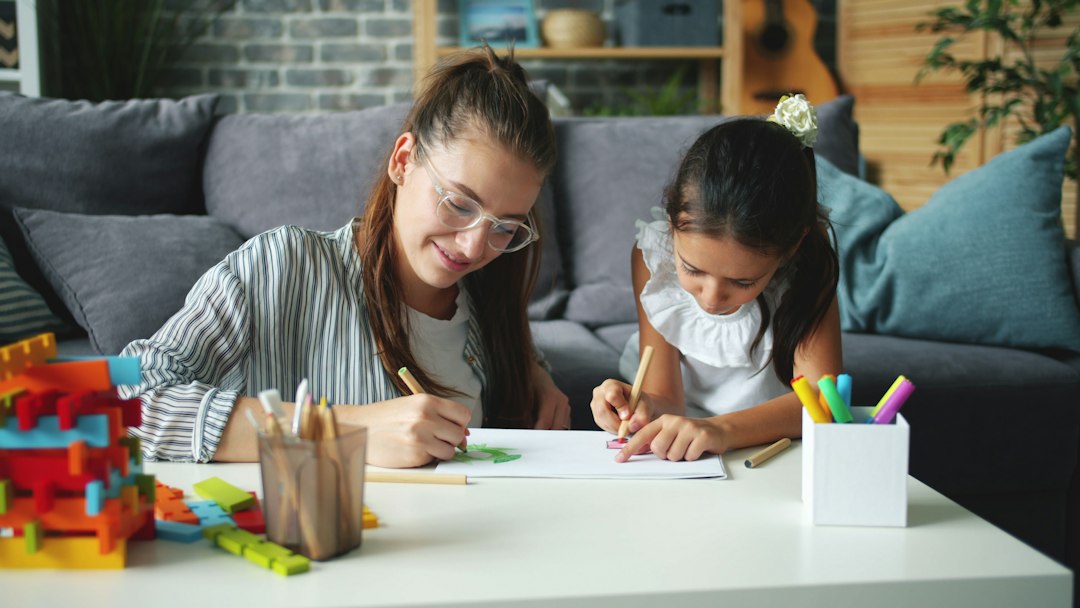
Instead of asking a child to clean an entire room, make the task smaller. Collect the blocks, return books to the shelf, or find five toys for a basket. Keep it playful rather than making speed the only goal.
7. Keep a Travel Activity Bag Ready
Prepare a small bag with crayons, a notebook, stickers, a picture puzzle, and a favorite small toy. Choose age-appropriate items and avoid small pieces that could pose a choking hazard.
8. Offer Two Good Choices
Instead of asking “What do you want to wear?”, try “Would you like the blue sweater or the green one?” Both options should work for you. Children gain a sense of control without negotiating every detail.
9. Create a Reading Basket
Keep a small basket of books near the sofa or bed. Let children revisit favorite stories. Repetition helps young readers become familiar with language, characters, and storytelling.
10. Set Up a Safe Snack Station
If your child is old enough, create an accessible area with suitable snack choices. Keep foods requiring preparation or refrigeration under adult control, and always consider age-specific choking risks.
11. Make Bath Time a Learning Opportunity
With close adult supervision, offer safe cups and bath toys to explore floating, sinking, pouring, and measuring. Never leave a child alone in or near water, even briefly.
12. Create a Family Command Center
A shared calendar near the entrance can track school events, appointments, and activities. Add a place for keys, bags, and important notes. Younger children can use simple pictures or colors.
13. Keep Spare Essentials for Outings
A small bag may include wipes, tissues, a spare outfit, and a plastic bag for dirty clothes. Check it regularly, and avoid leaving heat-sensitive products, food, or medications in a hot car.
14. Use Music to Signal Transitions
Try using the same short song for putting toys away, getting ready to leave, or preparing for bedtime. If music makes your child more excited, choose a quieter cue instead.
15. Make a Rainy-Day Activity Box
Keep paper, washable crayons, stickers, and age-appropriate craft supplies together. Having materials ready makes it easier to say yes when a creative idea appears. Supervise scissors and small components.
16. Let Children Help With Real Jobs
Depending on their age, children can match socks, water plants, wipe a low table, or wash vegetables with supervision. The task may take longer, but small responsibilities can build confidence and practical skills.
17. Photograph Reusable Checklists
Keep a photo of the school packing list, camp checklist, or favorite travel kit on your phone. Reusable lists save time, but always adjust them for the destination, weather, and activities.
18. Create a Calm-Down Corner
A comfortable corner with cushions, books, or a favorite soft toy can give children a place to pause when emotions feel overwhelming. Present it as a place to regroup, not a punishment. Some children will want a trusted adult nearby.
19. Plan One Small Special Moment Each Day
Set aside a little uninterrupted time for something your child enjoys: reading a story, walking around the block, building with blocks, or talking about the day. It does not need to be elaborate.
20. Let Activities Be Imperfect
A craft project does not have to look like the example, and a family outing does not have to follow the original plan. Children learn through experimentation and mistakes. Parents deserve room to relax their expectations, too.
The Best Parenting Hack May Be Keeping Things Simple
No collection of tips can make family life effortless. Start with one small change that addresses a genuine frustration in your household. Try it for a few days and adapt it to your family’s needs.
Which idea would make the biggest difference in your home?
Leave a Reply