Learning how to raise confident kids starts with helping children feel capable, secure, and ready to face the world. Confidence does not mean being the loudest person in the room, always winning, or never feeling afraid. A confident child understands that they have value, can learn new skills, and can handle challenges with support when they need it.

Learning how to raise confident kids is about creating an environment where children feel loved, respected, and encouraged to try new things. Everyday moments—getting dressed independently, solving a small problem, making a new friend, or learning from a mistake—can help children develop confidence that lasts.
The good news is that parents do not need to get everything right. Consistent encouragement, realistic expectations, and a warm relationship can make a meaningful difference.
Table of Contents
- What Does Confidence Look Like in Children?
- Encourage Independence and Decision-Making
- Praise Effort, Not Just Results
- Help Children Handle Mistakes and Setbacks
- Build Emotional Security and Healthy Communication
- Everyday Activities That Build Confidence
What Does Confidence Look Like in Children?
Understanding how to raise confident kids begins with recognising that confidence grows through everyday experiences, patient guidance, and opportunities to try again.
Confidence is not the same as being outgoing or fearless. Some confident children are naturally talkative, while others are quiet and thoughtful. A child can feel nervous before a school presentation and still be confident enough to give it a try.
Children gradually develop confidence when they learn that their ideas matter, their efforts can lead to improvement, and they can ask for help without feeling ashamed.
Signs of growing confidence may include:
- Trying an unfamiliar activity, even when it feels difficult.
- Expressing opinions and preferences respectfully.
- Asking questions when something is unclear.
- Recovering after disappointment and trying again.
- Making age-appropriate decisions independently.
- Accepting feedback without feeling that a mistake defines them.
Remember that confidence develops at different rates. Comparing siblings, classmates, or friends can make children feel that they are falling behind. Instead, notice each child’s individual progress and help them build on their own strengths.
How to Raise Confident Kids Through Independence

One of the most effective ways to raise confident kids is to give them opportunities to do things for themselves. When parents solve every problem or complete every difficult task, children may begin to doubt their own abilities—even when the intention is to help.
Start with small responsibilities that match your child’s age and development.
For younger children, this might mean choosing between two outfits, putting toys away, or helping prepare a simple snack with supervision. Older children can pack their school bags, organise their homework, help plan a family activity, or take responsibility for age-appropriate chores.
The goal is not to expect children to manage everything alone. It is to show them that they are capable of learning.
Let children make choices
Offer meaningful choices without overwhelming them. For example, ask whether they would prefer to read a book or draw after school, or which activity they would like to try over the weekend.
As children grow, involve them in decisions that affect their routines and interests. Explain any necessary boundaries, but allow them to have a voice.
Resist the urge to step in immediately
When a child struggles with a puzzle, a school project, or a disagreement with a friend, pause before providing the answer. Ask, “What do you think you could try next?”
This gives children time to think, experiment, and discover solutions. Offer guidance when needed, but leave room for them to experience the satisfaction of figuring something out.
Praise Effort, Not Just Results
Children naturally want their parents to be proud of them. However, if praise focuses only on winning, getting top marks, or being the best, children may become afraid of situations where they might fail.
Instead, recognise the effort, persistence, curiosity, and strategies that help children improve.
For example, instead of saying, “You’re the smartest child in your class,” try saying, “You worked carefully on that problem and kept trying different solutions.”
Other helpful phrases include:
- “I noticed how much effort you put into practising.”
- “You were nervous, but you gave it a try.”
- “You asked for help when you needed it. That was a good decision.”
- “What part of this task are you most proud of?”
- “You haven’t mastered it yet, but you’re making progress.”
Specific praise helps children understand which actions contributed to their progress. It also reinforces the idea that abilities can develop through practice and learning. When considering how to raise confident kids, describe the effort you noticed instead of relying only on general praise.
Avoid turning every activity into a competition
Competition can be enjoyable, but children also need opportunities to participate simply because something is fun. Drawing, dancing, building, reading, and playing sport can all help children discover their interests without worrying about outperforming someone else.
Celebrate personal improvement as well as achievements. A child who gradually becomes more comfortable swimming, speaking in a group, or trying a new instrument has accomplished something meaningful, even if they do not receive a prize.
Help Children Handle Mistakes and Setbacks
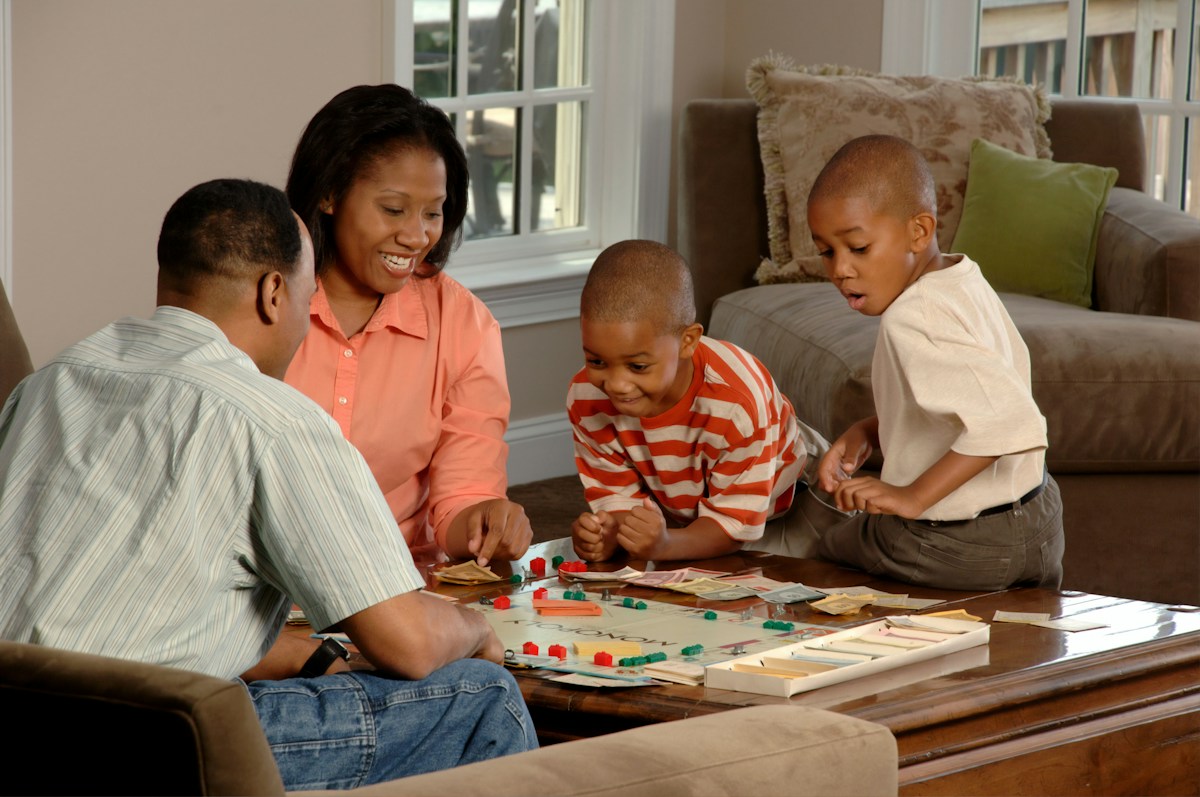
Children cannot develop lasting confidence if they believe they must always succeed. Mistakes are an unavoidable part of learning, and the way adults respond can influence whether children see setbacks as opportunities or reasons to give up.
When your child makes a mistake, stay calm and help them understand what happened. Rather than immediately criticising or fixing the situation, ask what they learned and what they might do differently next time.
For example, if a child forgets something important for school, help them think through a practical solution. You can work together on a checklist for the next day rather than repeatedly reminding them that they were careless.
Teach children that feelings are temporary
A disappointing result can feel enormous to a child. Acknowledge their feelings before offering advice.
You might say, “I can see you’re disappointed because you worked hard. It’s okay to feel upset. When you’re ready, we can think about what might help next time.”
This response shows children that difficult emotions are manageable and do not make them less capable.
Model healthy responses to your own mistakes
Parents do not have to appear perfect. If you make a mistake, acknowledge it and explain how you will address it. If you lose your temper, apologise and try to repair the interaction.
Children learn resilience partly by watching adults handle frustration, uncertainty, and disappointment. Seeing a trusted adult recover from mistakes can help them understand that imperfection is normal.
Build Emotional Security and Healthy Communication
Children are more willing to explore the world when they know they have a safe place to return to. Emotional security does not mean removing every difficulty from a child’s life. It means helping them feel that they are loved and supported, even when they are struggling.
Make time for conversations without immediately judging, correcting, or dismissing what your child says. Ask open-ended questions such as:
- “What was the best part of your day?”
- “Was there anything that felt difficult today?”
- “What do you wish had gone differently?”
- “Is there anything you’d like help with?”
Listen to the answer, even if the problem seems small from an adult perspective. A disagreement with a friend or a disappointing classroom experience can feel significant to a child.
Validate feelings while maintaining boundaries
You can acknowledge a child’s emotions without agreeing with every behaviour. For example, “I understand that you’re angry, but it isn’t okay to hurt someone. Let’s find another way to express what you’re feeling.”
This helps children understand that emotions are acceptable, while actions still have consequences.
Avoid comparisons and labels
Comments such as “Your sister is much braver than you” or “You’re always shy” can become part of the way children see themselves.
Instead, describe the specific situation and encourage progress. If a child feels uncomfortable joining a group, help them practise a small first step, such as greeting one person or asking a question.
Confidence grows when children feel understood rather than judged. These small, consistent responses are an important part of how to raise confident kids without adding pressure or expecting perfection.
Everyday Activities That Build Confidence
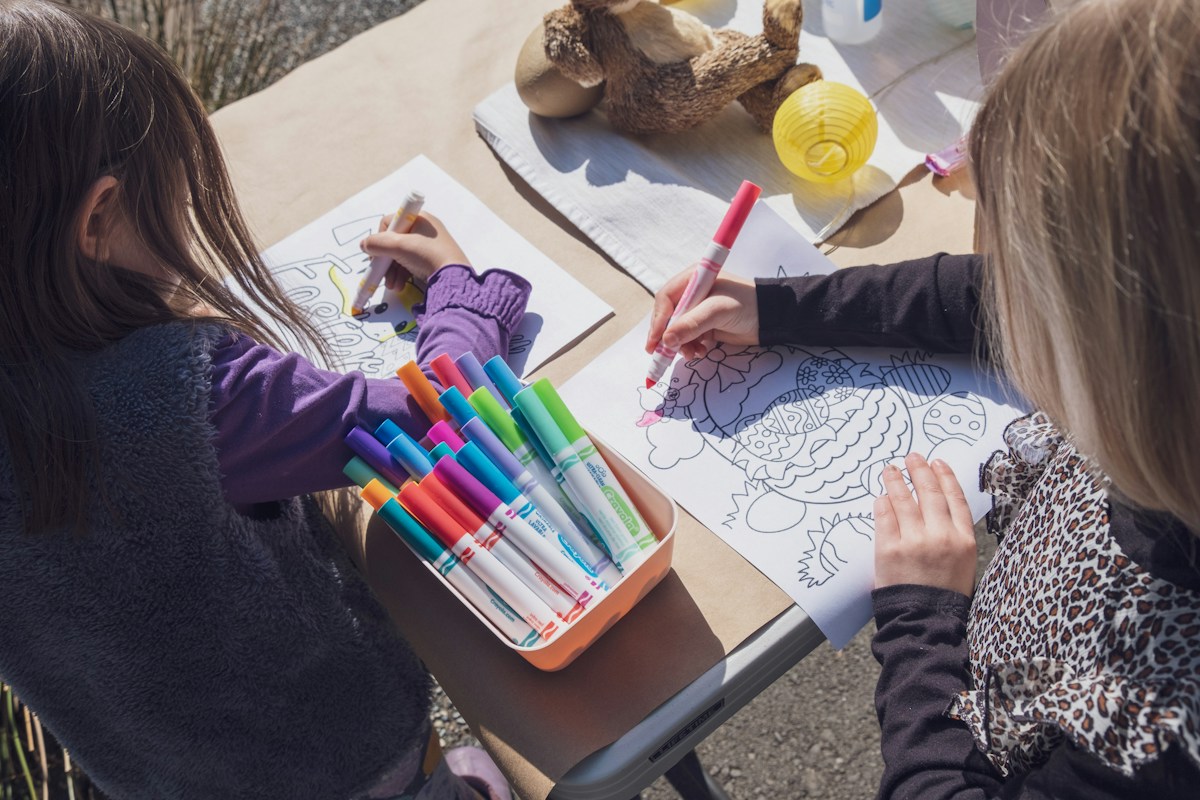
Confidence develops through experience, not just conversations. Offer children opportunities to explore interests, solve problems, practise skills, and contribute to family life. UNICEF explains how play can support children’s mental health through opportunities for connection, creativity, and learning.
Creative projects
Drawing, painting, building with blocks, making models, or inventing a story encourages children to express their ideas. Let them make their own choices instead of correcting every detail. The process matters more than producing a perfect result.
Sports and physical activities
Swimming, cycling, dancing, hiking, and team sports can help children practise skills, manage frustration, and experience gradual improvement. Choose activities that suit their interests and abilities, rather than assuming every child will enjoy competition.
Age-appropriate responsibilities
Invite children to help cook, organise a shelf, water plants, or plan part of a family outing. Completing a useful task can help them feel capable and included.
Reading and imaginative play
Stories allow children to explore emotions, challenges, relationships, and different perspectives. Pretend play also gives them opportunities to practise decision-making and communication.
For younger children, you can find inspiration in our guide to screen-free indoor activities for toddlers. Many ideas, including imaginative play, drawing, and simple building activities, can be adapted for older children.
Frequently Asked Questions
How can I raise a confident child without putting pressure on them?
Focus on encouragement, independence, and emotional support rather than constant achievement. Let your child progress at their own pace, recognise their effort, and offer manageable challenges. Confidence should help children feel more secure, not make them feel they must always succeed.
What should I do if my child is shy?
Shyness is not necessarily a problem that needs fixing. Respect your child’s temperament while offering gentle opportunities to practise social skills. Avoid forcing them into uncomfortable situations or labelling them as shy in front of others. Celebrate small steps, such as joining a group activity or speaking to someone new.
Does praising children too much reduce confidence?
Praise can be helpful when it is genuine and specific. Constant, exaggerated praise may feel less meaningful than acknowledging real effort or progress. Instead of praising everything automatically, explain what you noticed and encourage children to reflect on what they learned.
What if my child gives up easily?
Break difficult tasks into smaller steps and help your child identify a realistic next action. Offer support without taking over immediately. Also consider whether the task is too difficult, whether your child is tired, or whether they need a different approach. Persistence develops gradually with practice and encouragement.
Final Thoughts
Learning how to raise confident kids does not require perfect parenting or a special programme. It starts with everyday opportunities to make choices, practise skills, express feelings, and learn from mistakes.
Encourage independence while remaining available to help. Recognise effort rather than demanding perfection. Listen when your child is struggling, and let them see that mistakes are part of learning.
Above all, remind your child through your words and actions that their worth does not depend on grades, trophies, popularity, or always getting things right. When children feel accepted and have opportunities to discover what they can do, they can gradually build the confidence to face new experiences with greater courage and resilience.
Comments
One response to “How to Raise Confident Kids: Practical Tips for Parents”
[…] Related reading: How to Raise Confident Kids: Practical Tips for Parents. […]