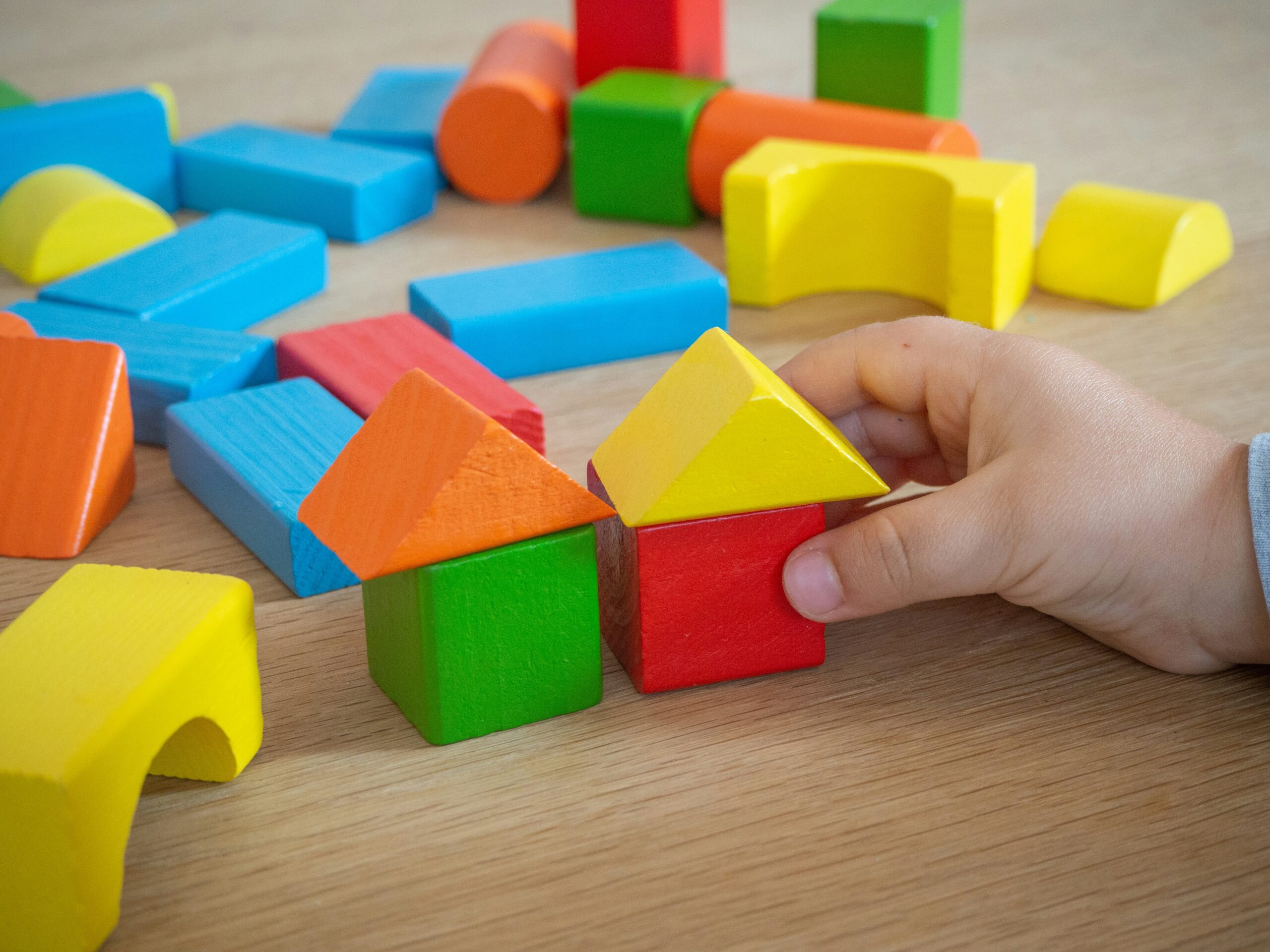
Children begin noticing letters and numbers long before they are expected to read, write, or solve math problems. They may recognize the first letter of their name, point to numbers on a clock, or sing the alphabet song without knowing what every letter represents.
But when should children actually recognize letters and numbers? Is there a particular age when they should know the alphabet or count confidently?
The answer depends on the child. Early literacy and numeracy develop gradually, and children do not all reach the same milestones at the same time. Some become interested in letters and numbers at an early age, while others need more time and learn naturally through everyday experiences.
Understanding what children typically begin to recognize at different ages can help parents support learning without creating unnecessary pressure.
Table of Contents
- When Do Children Start Recognizing Letters and Numbers?
- Letter and Number Recognition by Age
- Fun Ways to Teach Letters and Numbers
- Signs Your Child Is Developing Early Literacy and Math Skills
- When Should Parents Be Concerned?
When Do Children Start Recognizing Letters and Numbers?
Children can become familiar with letters and numbers during the toddler years, often through songs, books, toys, and everyday conversations.
However, recognizing a symbol is different from understanding what it represents. A child may be able to repeat the alphabet song without identifying individual letters. Similarly, a child may count from one to ten from memory without understanding that each number represents a quantity.
These are separate skills that develop over time.
Letter recognition is part of early literacy development. It involves noticing letters, identifying their shapes, and gradually connecting them with sounds. Number recognition is part of early numeracy. It includes identifying written numbers, counting objects, and eventually understanding quantities and simple mathematical relationships.
There is no single age when every child should know all letters and numbers. Instead, parents can look at general developmental patterns and provide opportunities for children to explore them through play.
Letter and Number Recognition by Age
Children develop at different rates, so the following age ranges are general guides rather than strict expectations.
Ages 2–3: Becoming Familiar with Letters and Numbers
Between ages two and three, many children begin noticing letters and numbers in their surroundings. They may recognize familiar symbols on toys, books, signs, or household objects.
At this stage, children may:
- Enjoy listening to alphabet songs and nursery rhymes.
- Notice the first letter of their name.
- Recognize familiar numbers in everyday settings.
- Begin counting aloud, sometimes skipping or repeating numbers.
- Show interest in picture books containing letters and numbers.
It is perfectly normal if a two-year-old cannot identify individual letters or numbers consistently. At this age, exposure and curiosity are more important than memorization.
Parents can introduce letters and numbers naturally by pointing them out during daily activities. For example, they can talk about the number of apples on a plate or identify the first letter on a child’s name label.
Ages 3–4: Recognizing Familiar Letters and Numbers
Between ages three and four, many children become more interested in identifying letters and numbers. They may start recognizing letters in their own names and familiar numbers in books or around the home.
Children at this age may:
- Recognize some letters, particularly those in their names.
- Begin connecting familiar letters with their sounds.
- Identify some written numbers.
- Count small groups of objects with growing accuracy.
- Notice patterns, shapes, and differences between symbols.
Not every child will demonstrate all these skills at the same time. Some may enjoy counting but show little interest in letters, while others may recognize letters before they become comfortable with numbers.
The best approach is to follow the child’s interests and introduce learning through short, enjoyable activities.

Ages 4–5: Building Letter and Number Recognition
Between ages four and five, children’s early literacy and numeracy skills often become more developed. They may recognize a wider range of letters and numbers and begin understanding how these symbols are used.
Children may:
- Identify more letters of the alphabet.
- Recognize letters in familiar words and their own names.
- Begin connecting letters with their corresponding sounds.
- Recognize some written numbers and understand that they represent quantities.
- Count objects with increasing accuracy.
- Compare small quantities, such as which group has more or fewer objects.
According to the CDC’s developmental milestones, by age five many children can name some letters when shown them, write some letters in their own name, count to ten, and name some numbers from one to five. These milestones describe skills many children demonstrate at this age. They should not be treated as a test that every child must pass on a particular birthday. Read the CDC’s five-year developmental milestones for more information.
Ages 5–6: Preparing for More Formal Learning
Between ages five and six, many children develop stronger foundations for reading, writing, and mathematics as they prepare for or begin formal schooling.
They may:
- Recognize most or all letters of the alphabet.
- Connect many letters with their sounds.
- Identify familiar written words.
- Write their first name and some other letters.
- Recognize numbers and understand their relationship to quantities.
- Count objects more consistently.
- Begin exploring simple addition and subtraction through objects and everyday situations.
Children entering kindergarten may have different levels of experience with letters and numbers. Some will already recognize most of the alphabet, while others will still be learning individual letters.
The goal at this stage is to build confidence and a positive attitude toward learning, rather than expecting every child to have exactly the same skills.
Fun Ways to Teach Letters and Numbers
Young children learn effectively when activities are enjoyable, meaningful, and connected to everyday life. Parents do not need complicated materials or formal lessons to encourage early literacy and numeracy.
Here are some simple ideas to try at home.
Read Alphabet and Picture Books Together
Books are a natural way to introduce letters, sounds, and words. Choose colorful picture books with clear illustrations and age-appropriate text.
Point to familiar letters while reading, especially those in your child’s name. Ask simple questions such as, “Can you find the letter A?” or “Which word starts with the same sound as your name?”

You do not need to turn every reading session into a lesson. Enjoying stories together is valuable in itself.
You can also explore our guide to Best Books for Kids by Age for ideas on choosing books that suit your child’s developmental stage.
Count Everyday Objects
Counting can become part of ordinary routines. Ask your child to count three bananas, five building blocks, or the steps you climb together.
Using real objects helps children understand that numbers represent quantities, rather than simply being words to memorize.
Start with small groups and gradually introduce larger numbers as your child becomes comfortable.
Use Letter and Number Puzzles
Wooden puzzles, alphabet blocks, and number cards can make learning more interactive.
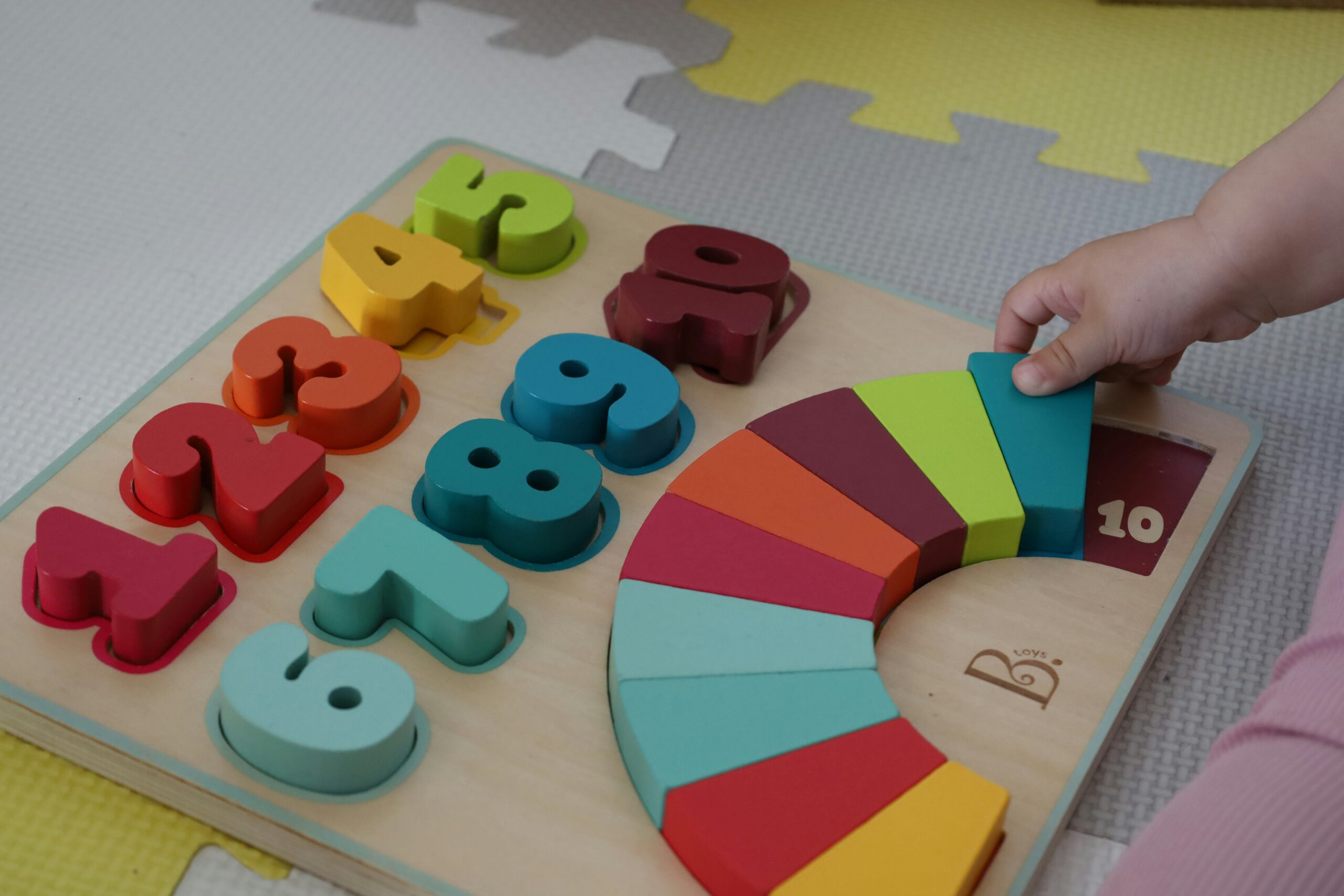
Children can match letters, identify numbers, and explore how symbols look different from one another. These activities also provide opportunities to practise hand-eye coordination and problem-solving.
Choose materials that are appropriate for your child’s age and abilities.
Sing Songs and Play Word Games
Alphabet songs, counting rhymes, and simple word games make repetition enjoyable.
You can sing counting songs while tidying toys or look for objects that begin with a particular sound. Repetition helps children become familiar with letters, sounds, and number sequences without making learning feel like homework.
Explore Letters and Numbers Outside
Learning does not have to happen at a table. Look for numbers on doors, buses, clocks, and shop signs. Point out letters on street signs, food packages, and book covers.
These everyday discoveries help children understand that letters and numbers have practical uses in the world around them.
Signs Your Child Is Developing Early Literacy and Math Skills
Children show their learning in different ways. Rather than focusing only on how many letters or numbers they can identify, parents can look for signs of growing interest and understanding.
Some positive signs include:
- Showing curiosity about letters, words, and numbers.
- Recognizing familiar letters in books or everyday surroundings.
- Trying to write or copy letters, even if the shapes are not accurate.
- Enjoying counting games and songs.
- Understanding that numbers can represent groups of objects.
- Asking questions about written words and symbols.
- Showing interest in books, stories, and simple problem-solving activities.
Progress may not always be consistent. A child might recognize a letter one day and struggle to remember it the next. This is a normal part of learning.
Encouragement, repetition, and opportunities to practise can help children gradually build confidence.
When Should Parents Be Concerned?
Children develop at different speeds, and differences in early letter and number recognition do not automatically indicate a developmental problem.
Some children become interested in reading and counting earlier than others. Their progress can also be influenced by language exposure, learning opportunities, individual interests, and their overall development.
However, if your child has difficulty with several age-appropriate developmental skills, or you have concerns about their speech, language, communication, learning, or development, it is worth discussing them with a pediatrician or qualified early childhood professional.
Rather than comparing your child with classmates or siblings, consider their overall progress over time. A professional can help determine whether additional support or an assessment may be useful.
Final Thoughts
There is no single age when children must recognize every letter and number. Many begin noticing familiar symbols during the toddler years, develop more consistent recognition during preschool, and continue strengthening these skills as they approach kindergarten.
Parents can support this process through reading together, counting everyday objects, singing songs, playing games, and exploring the world around them.
Most importantly, keep learning enjoyable. Children benefit from encouragement, patience, and opportunities to discover letters and numbers at their own pace. Building curiosity and confidence is just as important as learning to recognize the alphabet or count to ten.