Choosing a diaper involves more than finding a product that prevents leaks. Parents also consider comfort, absorbency, materials, skin sensitivity and environmental impact. Some brands focus on affordability and everyday performance, while others position themselves in the premium or ultra-premium segment. There are also brands that emphasize plant-based materials, organic cotton components and independently verified environmental standards.
What Makes a Good Baby Diaper?
A good diaper should absorb liquid quickly, help keep moisture away from the skin and fit securely without rubbing or leaving deep marks. Leg cuffs and a flexible waistband can help reduce leaks, while breathable materials may improve comfort. No diaper can guarantee that irritation will never occur, and regular changes remain important.
Parents should also consider the baby’s body shape, age, activity level and sleeping habits. A diaper that works well for one child may not fit another in the same way.
Top Baby Diaper Brands
Pampers – Best Mainstream All-Round Choice
Category: Mainstream
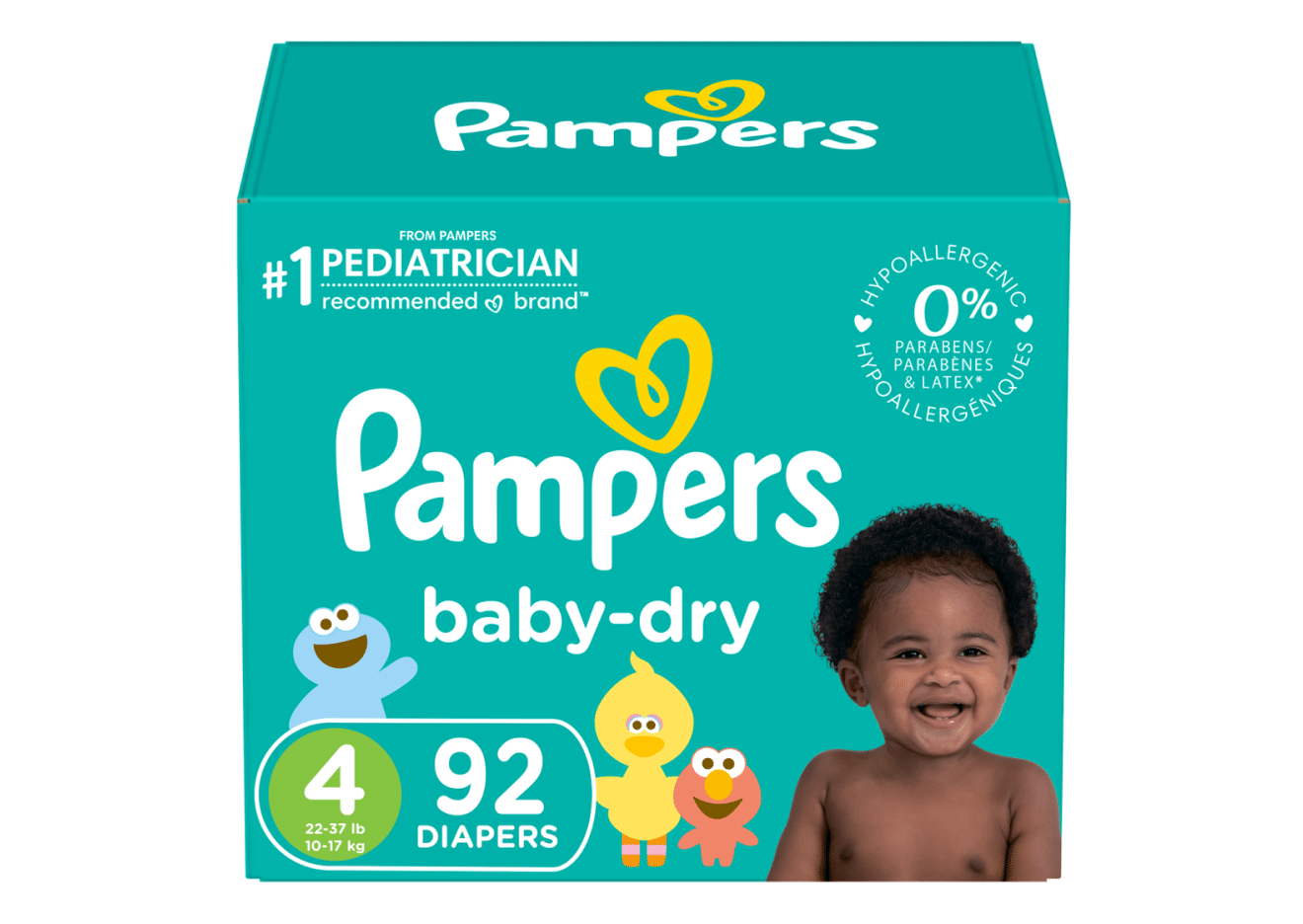
Pampers is one of the world’s most recognized diaper brands. Its portfolio includes newborn diapers, everyday options, overnight protection and training pants. Product features vary by collection and market, but may include absorbent cores, stretchy sides, leak barriers and wetness indicators. Pampers describes materials such as cellulose, superabsorbent polymers, polypropylene and polyethylene in its product information.
Best for: Parents looking for a widely available brand with a broad selection of products.
Huggies – Best for Active Babies
Category: Mainstream
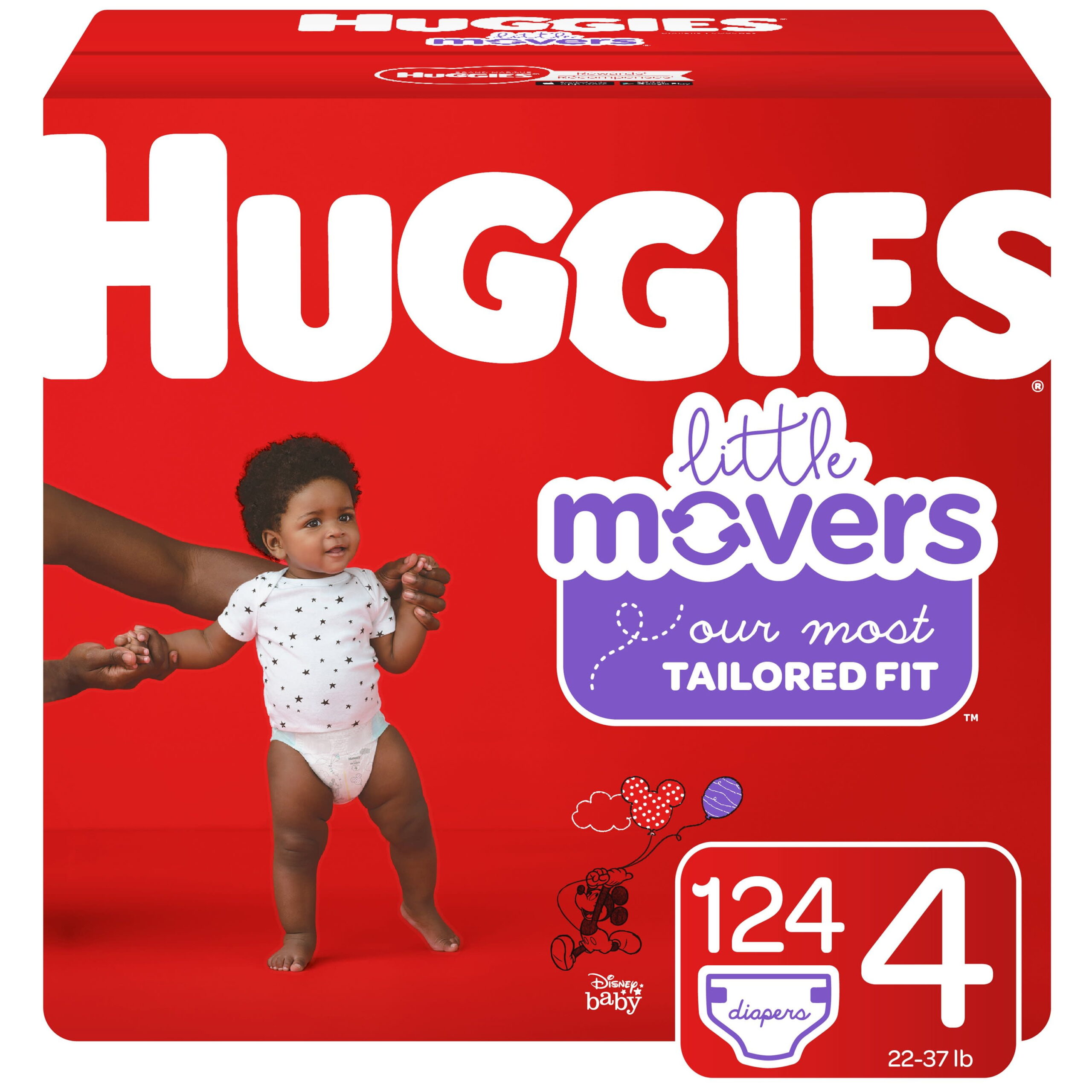
Huggies offers products for different stages of development. Little Snugglers is designed with newborns in mind, while Little Movers targets babies who crawl, walk and explore. Selected products feature flexible fasteners, absorbent liners and leak barriers.
Best for: Active babies and toddlers who need a flexible, secure fit.
The Honest Company – Best Plant-Based Premium Option
Category: Premium – Plant-Based Materials
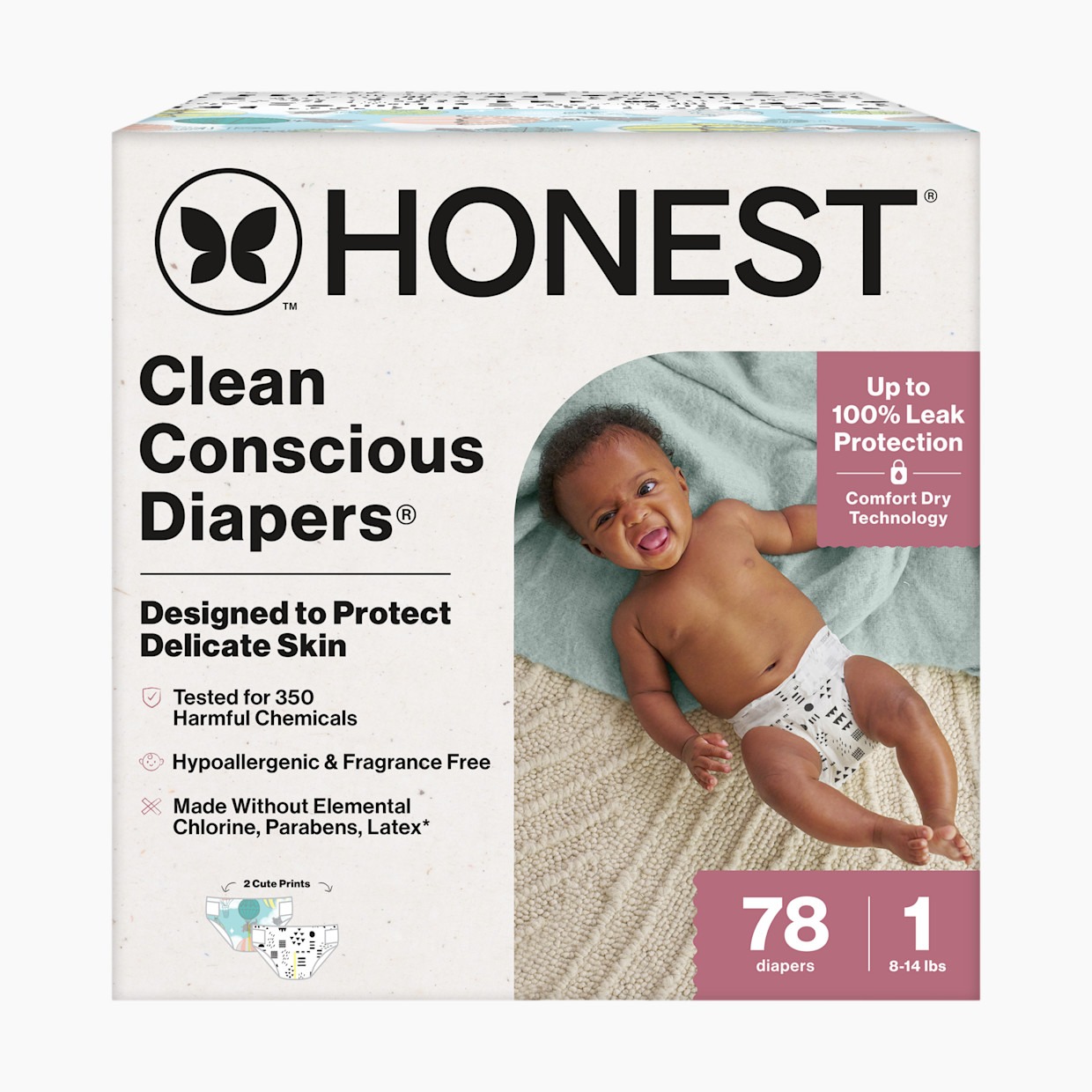
The Honest Company emphasizes ingredient transparency and selected plant-based materials. Its Clean Conscious Diapers feature a plant-based inner liner and fragrance-free options. Product details and certifications should be checked for the specific range and market, since claims do not necessarily apply to every product.
Best for: Parents who prefer plant-based components and clear material information.
Coterie – Best Ultra-Premium Diaper Brand
Category: Ultra-Premium
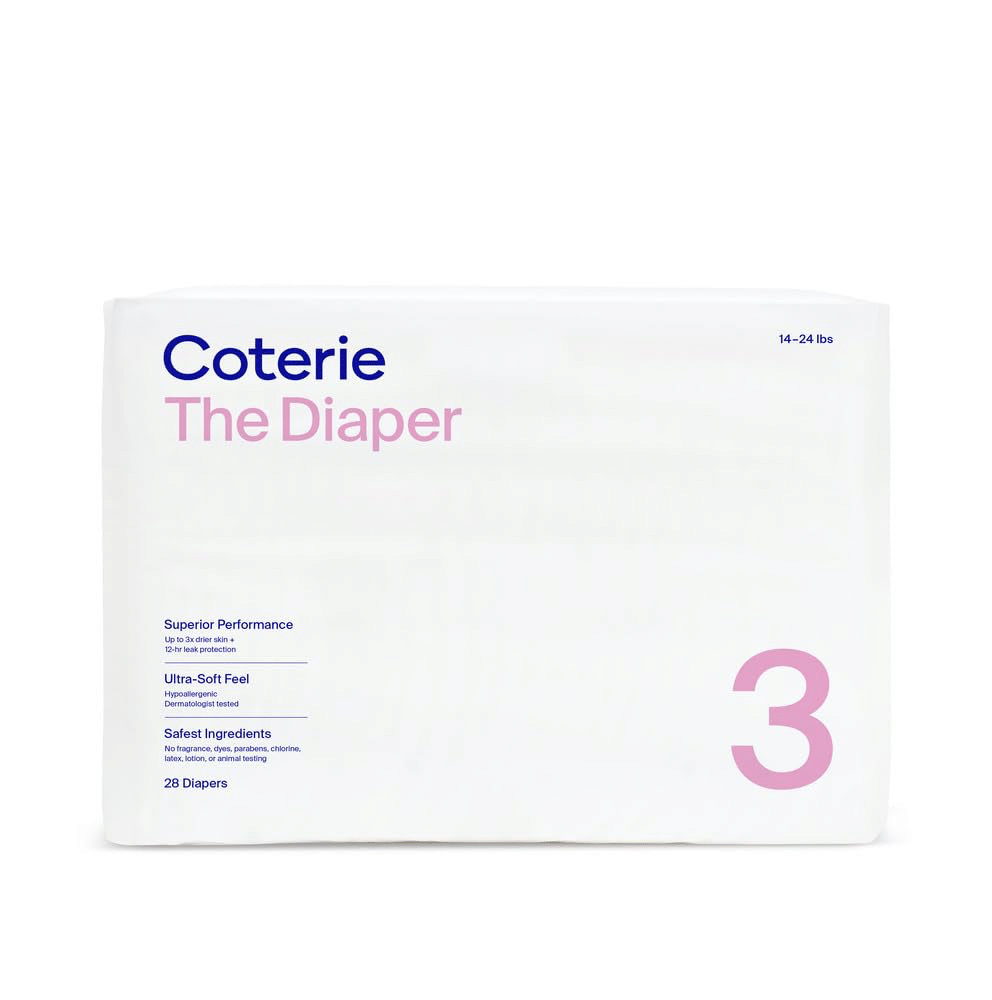
Coterie positions itself in the luxury diaper segment, emphasizing softness, absorbency, material transparency and extended leak protection. The brand reports up to 12-hour leak protection for its diaper and publishes product-specific material information. Its products are not entirely plant-based or organic; the exact composition depends on the product.
Best for: Parents looking for an ultra-premium diaper with an emphasis on softness and absorbency.
Millie Moon – Best Premium Comfort
Category: Premium
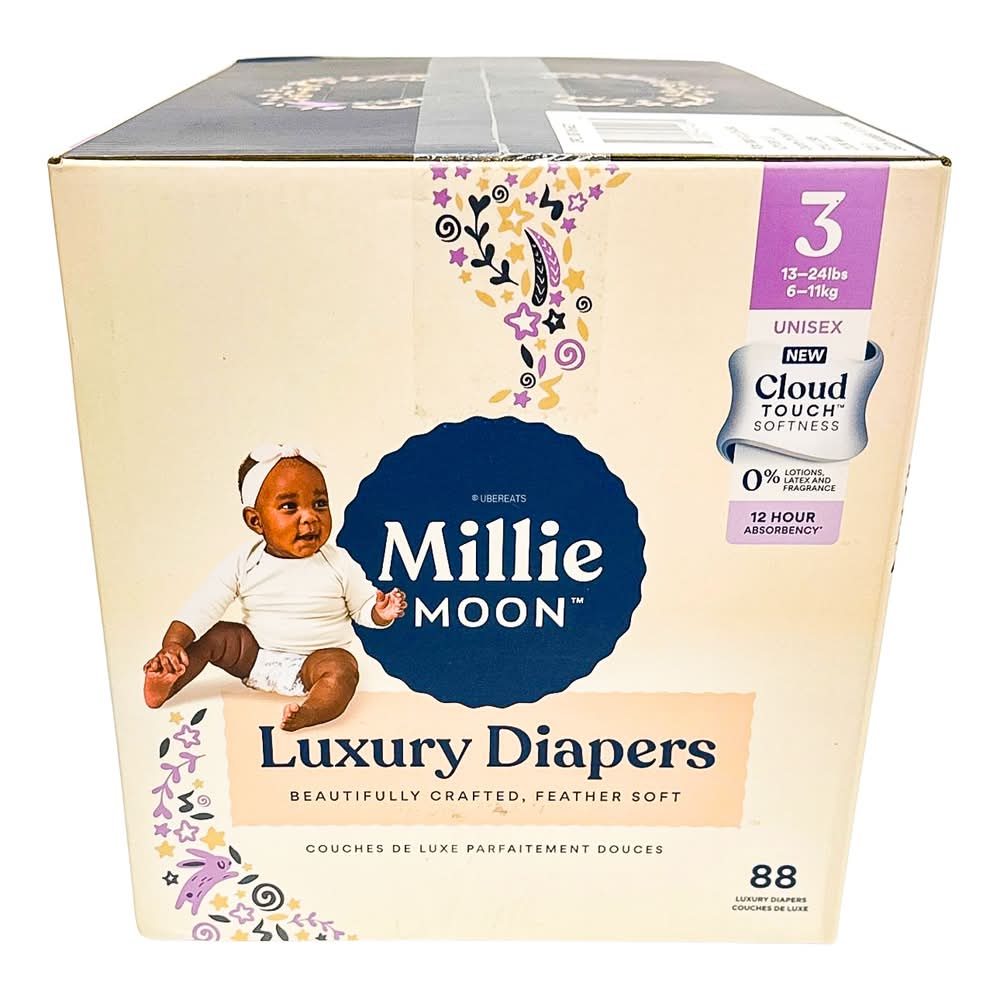
Millie Moon focuses on softness and a premium diaper experience. Its Luxury Diapers highlight a soft-feeling topsheet, leak guards and absorbency claims. The brand also offers other products, including training pants, in selected markets.
Best for: Parents who prioritize softness and premium comfort.
Bambo Nature – Best Eco-Friendly Certified Option
Category: Eco-Friendly / Certified
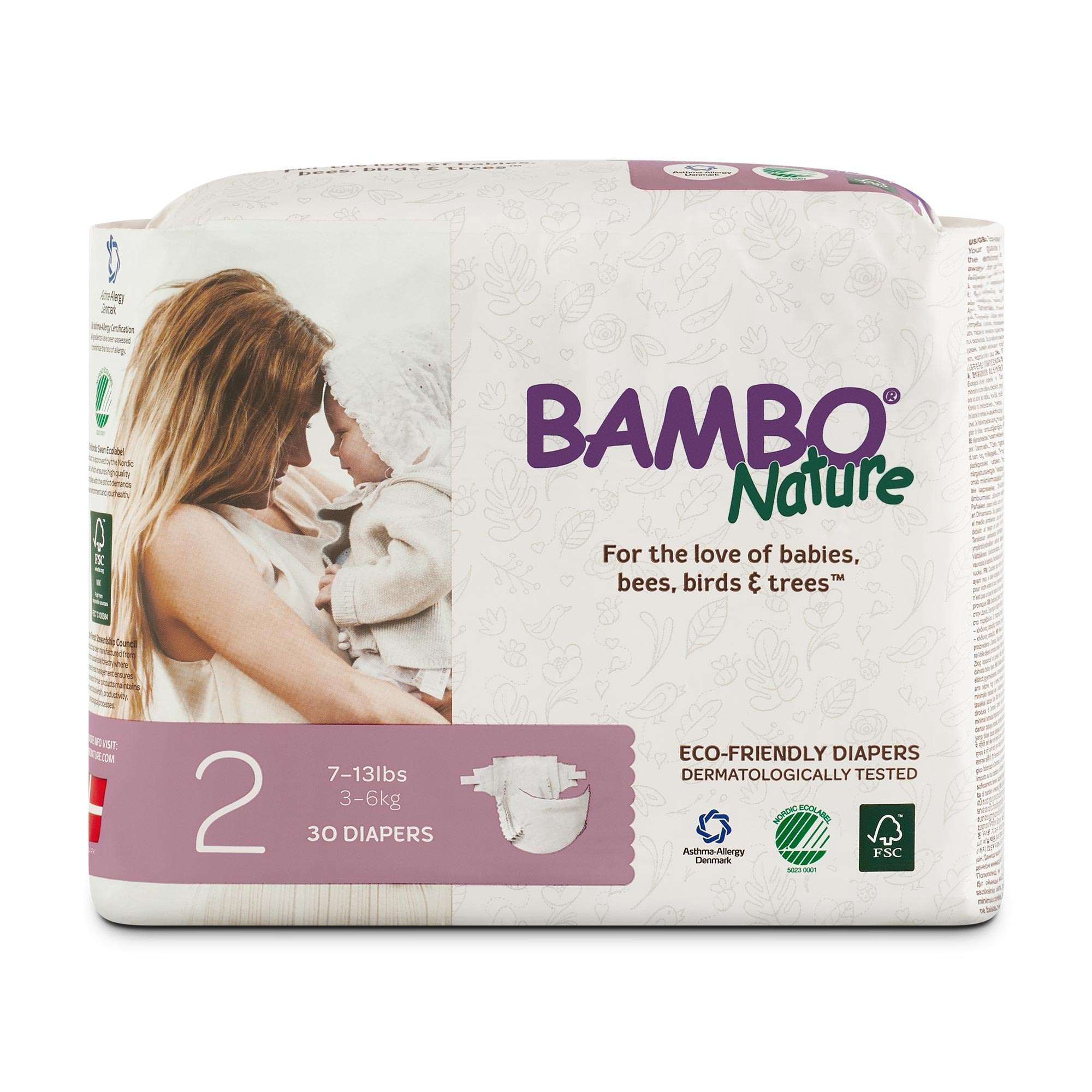
Bambo Nature is a Danish brand known for environmental certifications and carefully selected materials. Selected products carry the Nordic Swan Ecolabel and use FSC-certified pulp. Its disposable diapers are not 100% organic or fully biodegradable; they still contain plastic components. Certifications apply to specific products and should be checked on the package.
Best for: Environmentally conscious families who value independently verified certifications.
Dyper – Best Plant-Based Diaper Option
Category: Eco-Friendly / Plant-Based
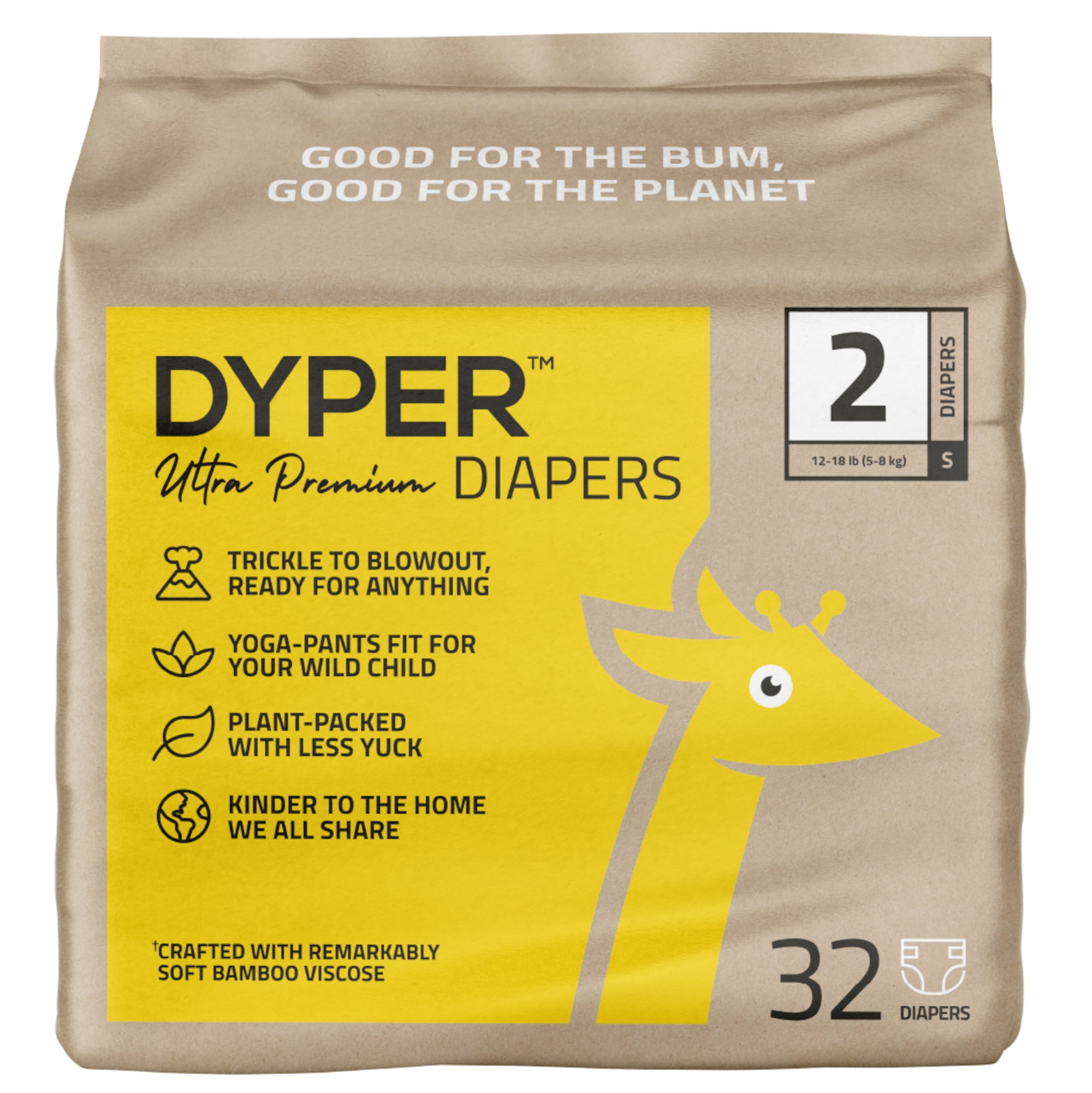
Dyper emphasizes bamboo-based materials and third-party verification. The brand describes its diapers as containing a high proportion of biobased content and offers a ReDyper program in eligible areas. Plant-based content does not mean the entire diaper is organic or compostable in ordinary household conditions.
Best for: Parents prioritizing plant-based materials and verified biobased content.
HealthyBaby – Best Organic Cotton-Focused Option
Category: Organic / Natural Materials
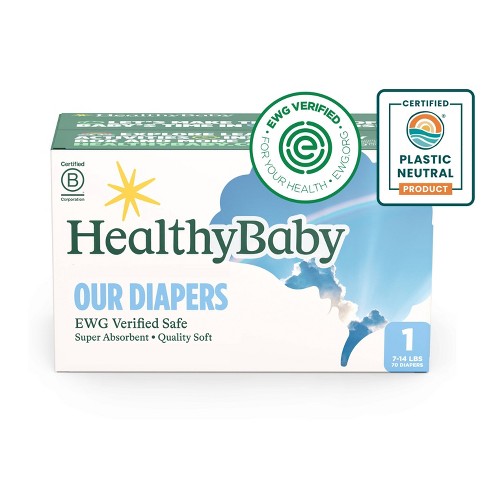
HealthyBaby offers diapers that highlight organic cotton components and material transparency. Its EWG VERIFIED diaper products appeal to parents who want additional information about ingredients and product standards. Organic cotton in one component does not make the entire disposable diaper 100% organic.
Best for: Parents specifically interested in organic cotton components and ingredient transparency.
Rascals (formerly Rascal + Friends) – Best for Active Toddlers
Category: Mainstream / Performance-Focused
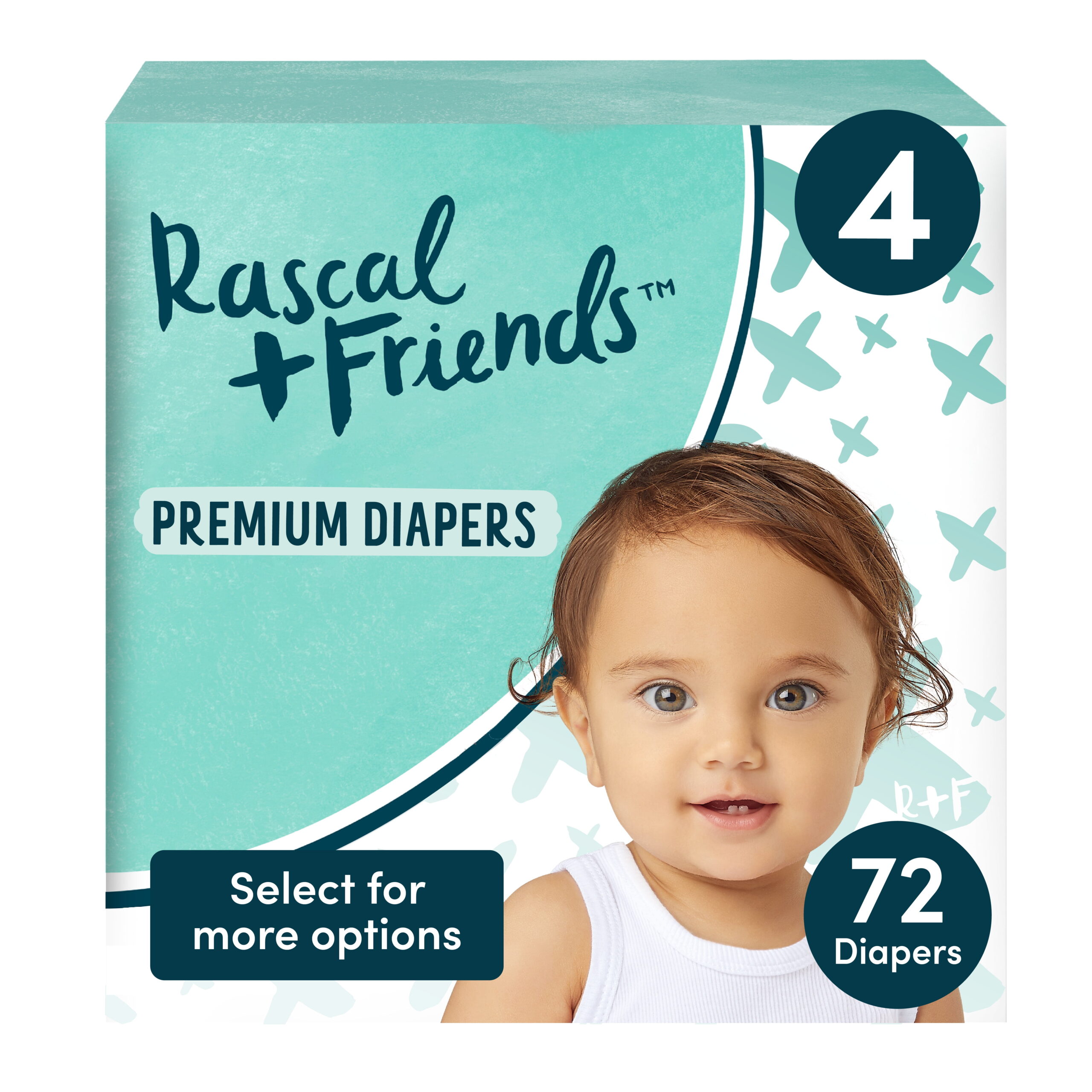
Rascals, previously known as Rascal + Friends, offers premium diapers designed around absorbency, flexible fit and leak protection. Its product features include a Hydrolock Core, stretchy waistband and multiple leak guards. Packaging may still carry the Rascal + Friends name in some markets during the brand transition.
Best for: Active babies and toddlers whose parents want a performance-focused diaper.
Organic, Natural and Eco-Friendly Diapers
These terms are often used interchangeably in marketing, but they describe different things. A diaper containing organic cotton is not automatically a 100% organic diaper. Most disposable diapers combine cellulose, superabsorbent polymers, plastics, adhesives and elastic components.
Plant-based describes the source of some materials. Biobased content refers to the proportion derived from biological sources. Biodegradable means a material can break down under defined conditions; it does not mean that a diaper will safely decompose in a landfill or home compost bin.
Understanding Common Certifications
- GOTS: Standards for organic fibers and textile processing; check whether the certification applies to the specific component or product.
- OEKO-TEX Standard 100: Testing for harmful substances in certified articles.
- FSC: Responsible sourcing of forest-based materials.
- Nordic Swan Ecolabel: Environmental criteria across a product’s life cycle.
- EWG VERIFIED: Ingredient transparency and product requirements.
- USDA Certified Biobased: Verification of the percentage of biobased content.
These certifications measure different things. FSC does not mean an entire diaper is organic, and OEKO-TEX does not certify a product as organic. Always check the exact product and certification scope.
How to Choose the Right Diaper
Consider Your Baby’s Skin
If your baby experiences irritation, consider fragrance-free products and review the material information. Change wet or soiled diapers regularly, clean the skin gently and allow it to dry. Persistent or severe diaper rash should be discussed with a pediatrician.
Find the Right Size
A diaper should fit securely around the waist and thighs without leaving deep marks. Frequent leaks, tight fasteners or red marks may indicate that a different size or shape is needed. Follow the brand’s weight guide as a starting point.
Think About Overnight Needs
Some babies benefit from higher-absorbency overnight products, especially when they sleep for longer stretches. However, a soiled diaper should be changed promptly, and overnight products do not replace regular skin checks.
Compare Performance, Not Just Price
A premium diaper is not automatically better for every baby. Fit, comfort and actual performance matter more than the price category. Try smaller packs before committing to a large purchase.
Frequently Asked Questions
Are organic diapers better than regular diapers?
Not necessarily. Organic materials may appeal to parents who prefer particular agricultural or textile standards, but they do not automatically provide better absorbency or prevent irritation.
What is the difference between plant-based and biodegradable diapers?
Plant-based means some materials come from renewable biological sources. Biodegradable means materials can break down under specific conditions. A product can be plant-based without being fully biodegradable.
Are premium diapers worth the extra cost?
They may be worthwhile if your baby benefits from their fit, softness or absorbency. Mainstream brands can perform very well too.
Which diapers are best for sensitive skin?
Several brands offer fragrance-free or dermatologically tested products, including Coterie, Bambo Nature, The Honest Company and HealthyBaby. Individual tolerance varies, so no brand can guarantee that irritation will not occur.
What does TCF mean on diaper packaging?
TCF stands for Totally Chlorine Free. It refers to the process used to bleach wood pulp in the absorbent core. It does not mean the diaper is organic or plastic-free.
Final Thoughts
The best baby diaper is not necessarily the most expensive or the most environmentally marketed product. It is the one that provides a comfortable fit, reliable absorbency and good skin compatibility for your baby.
For mainstream choices, Pampers and Huggies are established options. For premium comfort, Coterie and Millie Moon offer differentiated products. For environmentally conscious families, Bambo Nature and Dyper are worth exploring. Parents interested in organic cotton components can also consider HealthyBaby.
Understanding the differences between mainstream, premium, ultra-premium, plant-based and organic-focused products makes it easier to make an informed choice.
Related reading: How to Raise Confident Kids: Practical Tips for Parents.