
Winter doesn’t have to mean staying indoors watching television or repeating the same activities every weekend. In fact, some of the most memorable family moments happen when children are given a curious challenge, a strange experiment, or a little mystery to solve.
What happens when you freeze a toy inside a block of ice? Can you build a rocket using a balloon? Can you create a secret message that disappears and reappears?
These are the kinds of activities that turn an ordinary winter afternoon into something children will talk about long after it’s over.
Whether you have snowy weather outside or simply want to make a rainy winter day more exciting, these 15 fun things to do with kids during winter combine creativity, science, imagination, and a little friendly competition. Most use everyday household materials, so you won’t need expensive equipment or complicated preparation.
Table of Contents
- Winter Science Experiments and Challenges
- Creative Indoor Adventures
- Family Games and Unusual Challenges
- Make This Winter an Adventure
Winter Science Experiments and Challenges
Rescue Toys from a Block of Ice
Turn your kitchen into a mini Arctic rescue mission! This activity is part science experiment, part treasure hunt, and guaranteed to get children curious.
The night before, place a few small, age-appropriate plastic animals or waterproof toys inside a large container filled with water. Freeze it overnight. For a more interesting result, freeze the toys in layers so they appear suspended at different levels.
The next day, give children the frozen block and challenge them to rescue the trapped toys without smashing the ice.
Provide droppers, small containers of warm (not hot) water, and a little salt. Let children experiment to discover which method melts the ice fastest.
Ask them to make predictions before starting:
- What will happen if we sprinkle salt on the ice?
- Will warm water melt it faster?
- Which toy will be the first one we rescue?
This simple experiment introduces children to freezing, melting, and temperature changes while encouraging problem-solving and scientific thinking.
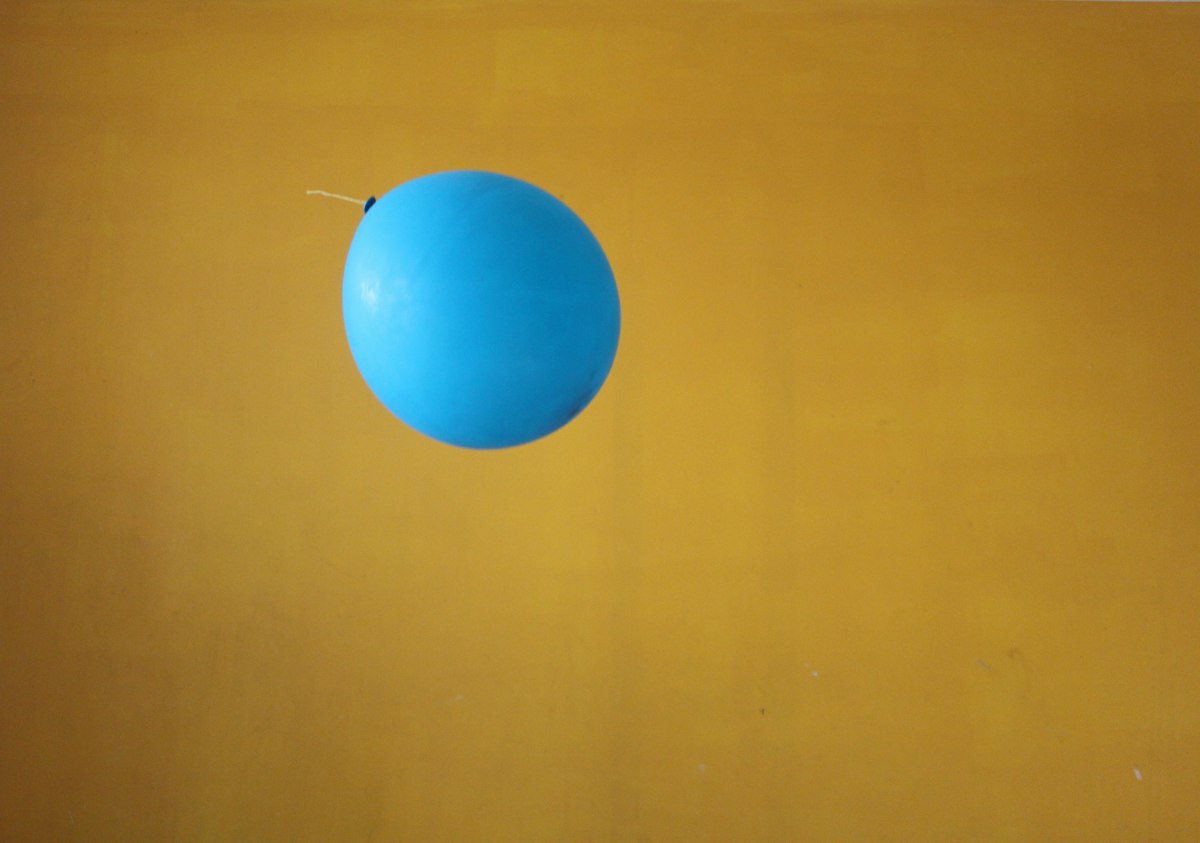
Build a Balloon-Powered Rocket
Can a balloon launch a rocket across the room without an engine?
All you need is a balloon, a drinking straw, some string, and tape.
Thread the string through the straw and tie it tightly between two fixed points. Inflate a balloon without tying its opening, tape it securely to the straw, and let go.
As the air rushes out of the balloon, the balloon travels along the string.
Challenge children to make their rocket travel farther. What happens if they use a bigger balloon? Does changing the angle make a difference?
You can even organize a family rocket competition and measure whose rocket travels the greatest distance.
Make a Mini Lava Lamp
Create a colorful science experiment that looks like a miniature volcano or a bubbling alien world.
Fill a clear glass or plastic container about three-quarters full with vegetable oil. Add water and a few drops of food coloring. The water will sink beneath the oil because the two liquids have different densities and do not mix.
Next, add a small piece of an effervescent tablet and watch colorful bubbles travel up and down through the container.
Ask children to guess what will happen before adding the tablet.
Explain how the gas produced by the tablet carries colored water droplets upward, creating the bubbling effect.
Use a stable, open container, supervise the experiment, and never seal the container while the reaction is taking place. The mixture should not be consumed.
Make Your Own Indoor Snow
What if you could make snow even when there is no winter weather outside?
For a simple sensory activity, mix baking soda with small amounts of white hair conditioner until it forms a soft, moldable texture.
Start with a small quantity and gradually add conditioner until the mixture holds together when squeezed.
Place the homemade snow in a large tray and let children create miniature snowmen, snowballs, or tiny winter landscapes using plastic animals and toy trees.
Ask children to compare the homemade mixture with real snow if they have experienced it.
It is a fun opportunity to explore textures, shapes, and the differences between natural and homemade materials.
Keep the mixture away from mouths and eyes, check the conditioner ingredients for possible sensitivities, and supervise young children.
Creative Indoor Adventures
Create a Secret Agent Message
Turn an ordinary afternoon into a secret mission.
Give children a piece of white paper, a cotton bud, and lemon juice. They can use the cotton bud to write a secret message on the paper.
Once the paper dries, the writing becomes difficult to see.
To reveal the message, an adult can carefully warm the paper using a suitable heat source in a safe, controlled setting. The writing gradually becomes visible as the lemon juice darkens.
Children can write clues, secret instructions, or messages for other family members to decode.
For a safer alternative, use a white crayon on white paper and reveal the hidden message by painting over it with watercolor paint.
Only adults should handle any heating. Keep paper away from flames and hot surfaces.
Build an Indoor Camping Adventure
You don’t need a campsite to enjoy a family camping night.
Turn the living room into a campsite using blankets, cushions, sleeping bags, and a few soft toys.
Switch off the main lights, use flashlights, and create a pretend nighttime adventure. Children can tell stories, invent imaginary animal sounds, or search for hidden objects around their campsite.
For an extra touch, project pictures of stars onto the ceiling or use glow-in-the-dark stickers to create a little night sky.
Prepare a simple picnic-style dinner and let everyone sleep in the living room.
The change of scenery makes an ordinary evening feel like a special family adventure.
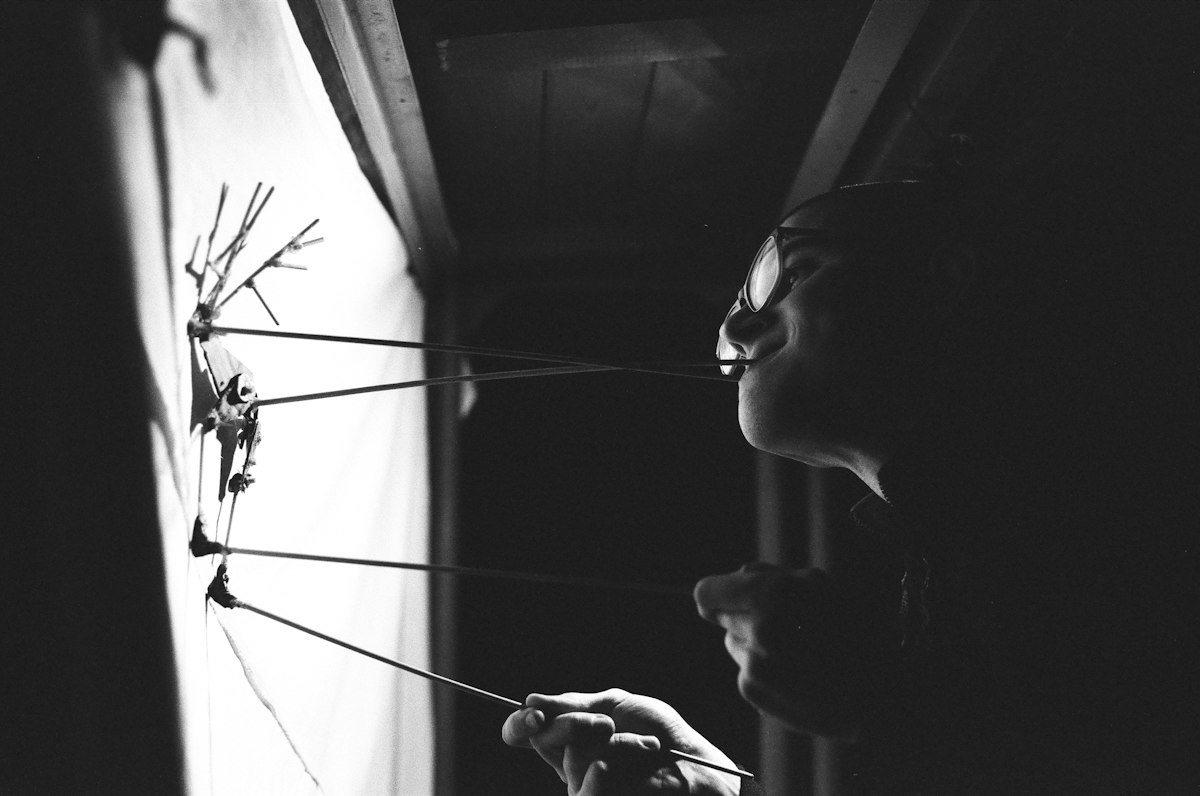
Create a Shadow Puppet Theatre
Turn a blank wall into your own miniature theatre.
Hang a white sheet or use a clear wall, then place a flashlight behind a few cardboard puppets to create shadows.
Children can cut out simple animal shapes, characters, or imaginary creatures and attach them to sticks.
Encourage them to invent a short story with a beginning, a problem, and an ending.
They can even create tickets, design a theatre poster, and invite the rest of the family to watch the performance.
It is a lovely way to combine storytelling, creativity, and imaginative play.
Make a Winter Time Capsule
What will your children remember about this winter in five or ten years?
Find a small box and ask each family member to contribute something that represents the season.
Children can add a drawing, a handwritten note, a photograph, a favorite memory, or a list of things they enjoy doing right now.
Write the date on the box and choose a future day to open it.
Younger children can draw pictures instead of writing, while older children can describe their favorite activities, friendships, or hopes for the future.
Seal the box and store it somewhere safe and dry. Opening it together in a few years can become a wonderful family tradition.
Make a Simple String Telephone
Can you talk to someone in another room without using a phone?
All you need are two paper cups, a long piece of string, and a little curiosity!
Ask an adult to make a small hole in the bottom of each paper cup. Thread one end of the string through each hole and secure it with a knot.
Give one cup to each child and stretch the string tightly between them. One child speaks quietly into their cup while the other listens through theirs.
Try talking from one room to another, keeping the string stretched through the doorway.
Ask children a few questions:
- Can you hear the other person when the string is tight?
- What happens when the string becomes loose?
- Can you hear the difference between whispering and speaking normally?
Explain that sound creates vibrations that travel through the cup and along the stretched string to the other cup.
For an extra challenge, try different string lengths and compare the results.
Build a Simple Smartphone Projector
Can you turn a cardboard box into a movie projector?
You will need a small cardboard box, a magnifying glass, tape, and a smartphone.
Cut a circular opening at one end of the box and carefully secure the magnifying glass over it. Place your smartphone inside the box with its screen facing the lens.
Because a magnifying lens flips the projected image, you may need to position the phone upside down. Lock the screen rotation before placing it inside.
Play a video and adjust the phone’s position until the image appears on a nearby white wall. Turn up the screen brightness and darken the room to improve the result.
Ask children:
- Why does the image appear bigger on the wall?
- What happens when we move the phone?
- Why does the picture sometimes appear upside down?
This is a fun introduction to light, lenses, and how projectors work.
An adult should handle cutting the cardboard. Use a phone with a suitable screen orientation and avoid leaving it inside the box for long periods, as it can overheat. Results depend on the lens and room conditions, so treat this as an experiment rather than expecting cinema-quality pictures.
Family Games and Unusual Challenges
Organize a Mystery Taste Test
Can your children identify familiar foods without seeing them?
Prepare small portions of familiar foods such as apple, banana, cucumber, cheese, or different types of fruit.
Ask children to close their eyes or use a comfortable blindfold, then offer one food at a time.
They must guess what they are tasting using only their sense of taste and smell.
For an extra challenge, ask them to describe the flavor before guessing: Is it sweet, sour, crunchy, soft, or juicy?
Check food allergies and dietary restrictions first, use age-appropriate foods, and never give young children foods that present a choking risk.
Build the Tallest Tower Challenge
Can your family build a tower taller than everyone else using only spaghetti and marshmallows?
Give each team a limited number of dry spaghetti pieces and marshmallows. Set a timer for 15 minutes and challenge everyone to build the tallest tower that can stand independently.
Children will quickly discover that balance, strong foundations, and careful planning matter.
For younger children, use larger building materials such as paper cups and cardboard pieces instead.
Measure the finished towers and award fun titles such as Tallest Tower, Most Creative Design, and Most Unusual Structure.
Have a Paper Airplane Flight Championship
A simple piece of paper can turn into an exciting engineering challenge.
Give each family member two or three sheets of paper and ask them to design their own airplane.
Test the planes in a clear indoor space and measure how far each one travels.
Then experiment with different wing shapes, folds, and sizes.
Which design flies the farthest? Which stays in the air the longest? Does a heavier plane always fly better?
Children can record their results and redesign their airplanes based on what they learn.
Create a Family Indoor Scavenger Hunt
Instead of a regular treasure hunt, turn your home into a detective challenge.
Prepare a list of unusual things to find:
- Something that makes a sound.
- An object that starts with the letter B.
- Something older than you.
- An item with three different colors.
- Something that feels rough.
- An object that is smaller than your thumb.
Give children a time limit and let them search for the objects.
Older children can create their own clues for younger siblings, turning the activity into a family competition.
Create a Dancing Raisin Experiment
Can you make raisins dance without touching them?
Pour clear sparkling water into a transparent glass. Add a few raisins and watch closely.
Tiny bubbles of carbon dioxide attach to the rough surfaces of the raisins, lifting them toward the surface. When the bubbles burst, the raisins sink again.
The result looks like a tiny underwater dance party.
Ask children to predict what will happen before adding the raisins. Try comparing sparkling water with still water to see the difference.
Use small quantities and supervise young children. This is an observation experiment, not a drink-making activity.
Make This Winter an Adventure
The best winter activities aren’t necessarily the most expensive or elaborate ones. Often, they are the experiences that surprise children, encourage them to ask questions, and give families something new to discover together.
For more ideas on making the colder months enjoyable for children, explore How Nordic Parents Keep Kids Healthy in Winter.
You don’t need to organize all 15 activities in one week. Choose one experiment, one creative challenge, and one family game to try throughout the season.
Let children make predictions, invent their own rules, and find different ways to solve problems. Sometimes an experiment won’t work exactly as expected, and that is part of the fun.
After all, a winter afternoon spent rescuing frozen toys, launching balloon rockets, or watching raisins dance can be much more memorable than another day spent in front of a screen.
So pick a challenge, gather a few household materials, and see what your family can discover this winter.