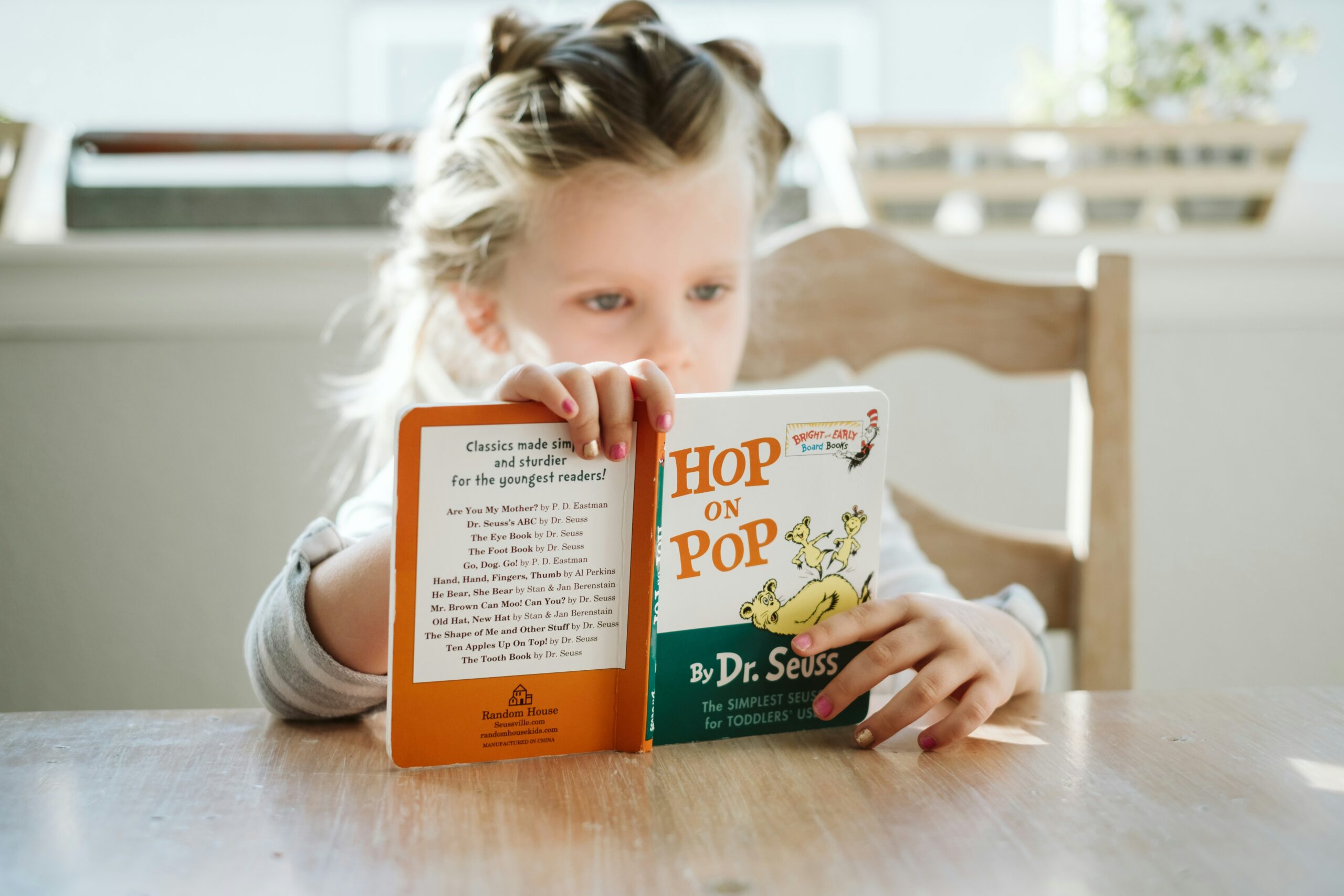
Choosing the right books for children can make a lasting difference in their imagination, language development, creativity, and love of learning. But finding the best books for kids by age isn’t always easy. A story that captures a toddler’s attention may not interest a school-age child, while a book that is perfect for a ten-year-old might be too challenging for a younger reader.
Children develop reading skills at different rates. Babies enjoy colorful pictures, sounds, and familiar voices. Toddlers love repetition and simple stories, while preschoolers begin exploring imagination, emotions, and friendships. Older children gradually become interested in longer adventures, mysteries, fantasy, and stories about growing up.
Classic children’s books also deserve a special place on every bookshelf. Many have entertained generations of readers and continue to introduce children to unforgettable characters, imaginative worlds, and important life lessons.
Whether you’re introducing your baby to a first picture book or helping your child discover a new adventure, this guide will help you find age-appropriate books from birth to 12 years.
Table of Contents
- Best Books for Babies and Toddlers (0–3 Years)
- Best Books for Preschoolers (3–5 Years)
- Best Books for Young Readers (6–8 Years)
- Best Books for Older Kids (9–12 Years)
- How to Choose the Right Books for Your Child
Best Books for Babies and Toddlers (0–3 Years)
At this age, reading is less about understanding a complete story and more about discovering sounds, colors, pictures, and familiar voices. Babies enjoy looking at bright illustrations, listening to rhythmic language, and exploring different textures.
Board books are particularly suitable because they are durable and easy for little hands to hold. As children approach their second and third birthdays, simple stories with repetition, familiar characters, and interactive elements become increasingly appealing.
Recommended Books for Babies and Toddlers
The Very Hungry Caterpillar – Eric Carle. This internationally loved picture book follows a hungry caterpillar as it eats its way through different foods before becoming a butterfly. Its colorful illustrations introduce counting, days of the week, foods, and the life cycle of a butterfly.
Dear Zoo – Rod Campbell. A playful lift-the-flap book in which a child receives different animals from the zoo. The interactive pages encourage curiosity, animal recognition, and early vocabulary development.
Where Is Baby’s Belly Button? – Karen Katz. This interactive book invites little readers to discover familiar body parts through colorful illustrations and simple questions. It is particularly enjoyable for babies and young toddlers.
Brown Bear, Brown Bear, What Do You See? – Bill Martin Jr. and Eric Carle. Repetitive language and colorful animal illustrations make this a wonderful introduction to colors, animals, and simple sentence patterns.
Classic Children’s Books for This Age
The Tale of Peter Rabbit – Beatrix Potter. The adventures of Peter Rabbit in Mr. McGregor’s garden have entertained children for generations. Its beautiful illustrations and simple storyline make it a lovely introduction to classic children’s literature. Illustrated editions are particularly suitable for younger children.
Winnie-the-Pooh – A. A. Milne. The adventures of Winnie-the-Pooh and his friends in the Hundred Acre Wood introduce young children to friendship, kindness, and imagination. Picture-book adaptations and selected stories are ideal starting points before children are ready for the original longer text.
Parent tip: Read aloud using different voices and expressions. Let your child point at pictures, turn pages, and repeat familiar words. Even a few minutes of shared reading every day can help establish a positive relationship with books.
Best Books for Preschoolers (3–5 Years)
Preschoolers are ready for more detailed stories and memorable characters. Their imagination develops rapidly, and they begin understanding emotions, friendships, family relationships, and simple problem-solving. Picture books with engaging illustrations, rhyming language, and meaningful stories are particularly valuable during this stage.
Recommended Books for Preschoolers
Where the Wild Things Are – Maurice Sendak. A wonderful imaginative adventure about Max, a boy who travels to a magical island inhabited by mysterious creatures. The story explores imagination, emotions, and the comfort of returning home.
The Day the Crayons Quit – Drew Daywalt. A funny and creative story told through letters written by different crayons. Each crayon has its own personality and complaints, encouraging children to think creatively and see different perspectives.
Giraffes Can’t Dance – Giles Andreae. Gerald the giraffe wants to dance but struggles to find his rhythm. This heartwarming story encourages confidence, individuality, and accepting differences.
Room on the Broom – Julia Donaldson. A charming rhyming adventure about a friendly witch and the animals who join her on her broomstick. It introduces teamwork, kindness, and helping others.
The Snowy Day – Ezra Jack Keats. A beautifully illustrated story about a young boy discovering the magic of a snowy day. It encourages children to appreciate everyday experiences and explore the world around them.
Classic Children’s Books for Preschoolers
The Wind in the Willows – Kenneth Grahame. The adventures of Mole, Rat, Toad, and Badger introduce children to friendship, loyalty, and the natural world. Illustrated adaptations and selected stories are good introductions for preschoolers.
The Little Engine That Could – Watty Piper. A classic story about a little train that keeps trying despite difficulties. Its message of perseverance and self-belief makes it a wonderful read-aloud choice.
Parent tip: Ask questions during reading, such as “What do you think happens next?” or “How do you think this character feels?” These conversations help children develop language skills, imagination, and emotional understanding.
Best Books for Young Readers (6–8 Years)
Between six and eight, many children begin transitioning from picture books to independent reading. Their vocabulary grows, reading comprehension improves, and they become interested in longer stories. Some children may still prefer illustrated books, while others are ready for early chapter books. Both are excellent choices. The most important thing is to find books that match the child’s reading confidence and interests.
Recommended Books for Young Readers
Frog and Toad Are Friends – Arnold Lobel. This collection of gentle stories follows two friends through everyday adventures. It is particularly suitable for children beginning to read independently and introduces friendship, patience, and kindness.
The Magic Tree House Series – Mary Pope Osborne. Jack and Annie travel through time and visit fascinating places in history. The series introduces subjects such as dinosaurs, ancient civilizations, geography, and science through exciting adventures.
The Wild Robot – Peter Brown. Roz, a robot stranded on a remote island, learns to survive in nature and build relationships with the animals around her. The story explores empathy, adaptation, friendship, and the relationship between technology and nature. It is generally better suited to readers toward the upper end of this age range or confident younger readers.
The Wonderful Wizard of Oz – L. Frank Baum. Dorothy’s journey through the magical land of Oz introduces readers to unforgettable characters, including the Scarecrow, Tin Woodman, and Cowardly Lion. An illustrated or adapted edition can be a good starting point for younger readers.
Classic Children’s Books for Young Readers
Alice’s Adventures in Wonderland – Lewis Carroll. Alice follows a mysterious rabbit into a strange and wonderful world filled with unusual characters and unexpected adventures. Its imaginative storytelling encourages curiosity and creative thinking. An illustrated, age-appropriate edition is a good introduction.
Heidi – Johanna Spyri. This beloved story follows a young girl growing up in the Swiss Alps. It explores friendship, kindness, family, and the beauty of nature. An abridged or illustrated edition may be easier for readers who are new to longer classics.
The Jungle Book – Rudyard Kipling. Mowgli’s adventures among the animals of the jungle introduce themes of belonging, courage, loyalty, and survival. Selected stories or illustrated adaptations are suitable starting points.
Parent tip: Let children choose some of their own books. Adventure stories, comics, illustrated novels, and nonfiction books all count as meaningful reading. Enjoyment is one of the best ways to encourage a lifelong reading habit.
Best Books for Older Kids (9–12 Years)
Children between nine and twelve are often ready for more complex stories, deeper themes, and longer books. They may become interested in fantasy, mystery, science fiction, historical fiction, and stories about growing up. Reading at this age can also help children understand different cultures, relationships, emotions, and challenges.
Recommended Books for Older Kids
Harry Potter and the Philosopher’s Stone – J. K. Rowling. The first book in the famous fantasy series introduces readers to Hogwarts, a magical school where Harry discovers his identity and develops lasting friendships. It explores courage, loyalty, and the importance of making good choices.
Wonder – R. J. Palacio. A moving story about Auggie, a boy with a facial difference who begins attending school for the first time. It encourages empathy, acceptance, kindness, and understanding different perspectives.
Percy Jackson and the Lightning Thief – Rick Riordan. Percy discovers that Greek mythology is much more than ancient stories. Filled with adventure, humor, and mythical creatures, the book introduces young readers to Greek gods and legends.
Holes – Louis Sachar. A clever and engaging story about a boy sent to a mysterious camp where children are forced to dig holes every day. The story combines mystery, friendship, family history, and unexpected connections.
The Chronicles of Narnia: The Lion, the Witch and the Wardrobe – C. S. Lewis. Four children discover a magical world hidden behind a wardrobe. This classic fantasy adventure explores courage, loyalty, sacrifice, and the struggle between good and evil.
Classic Children’s Books for Older Kids
The Secret Garden – Frances Hodgson Burnett. Mary Lennox discovers a hidden garden that gradually transforms her life and the lives of those around her. The story explores friendship, emotional growth, nature, and personal change.
Anne of Green Gables – L. M. Montgomery. Anne Shirley, an imaginative and spirited orphan, arrives at Green Gables and changes the lives of the people around her. It is a wonderful story about belonging, friendship, individuality, and growing up.
Little Women – Louisa May Alcott. The story follows the four March sisters as they grow up, face challenges, and discover their own ambitions. It explores family relationships, independence, kindness, and personal values.
Treasure Island – Robert Louis Stevenson. A thrilling adventure involving pirates, hidden treasure, and dangerous journeys. It is a wonderful introduction to classic adventure literature, particularly in an accessible edition.
Around the World in Eighty Days – Jules Verne. Phileas Fogg attempts to travel around the world in just eighty days. This exciting adventure introduces geography, different cultures, and the spirit of exploration.
Parent tip: Encourage children to explore different genres rather than reading only one type of book. Fantasy, adventure, mystery, historical fiction, biographies, and science books can all help expand their interests.
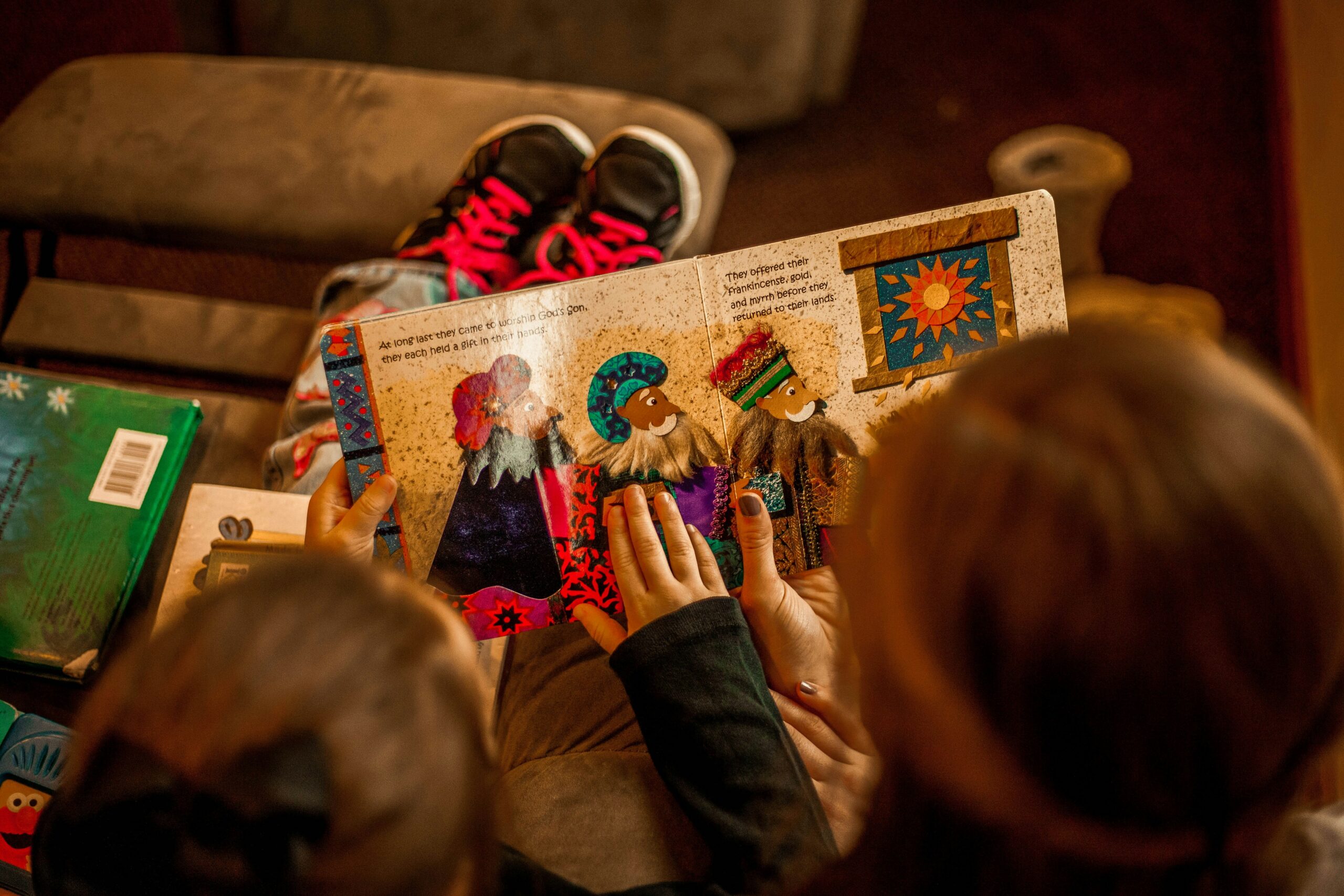
How to Choose the Right Books for Your Child
Age recommendations are useful starting points, but they should never be treated as strict rules. Two children of the same age can have very different reading abilities, interests, and preferences.
Consider reading ability, not just age. A child who is beginning to read independently may prefer short sentences, familiar vocabulary, and illustrations. More experienced readers may enjoy longer stories and more challenging themes.
Follow your child’s interests. If your child loves animals, explore animal stories and nature books. If they enjoy space, dinosaurs, sports, or adventure, look for books that build on those interests.
Mix classic and contemporary books. Classic literature introduces children to stories that have stood the test of time, while contemporary books often explore modern experiences and subjects that children can easily relate to. Both have an important place on a family bookshelf.
Choose age-appropriate editions. Some classic books were originally written for older readers and contain vocabulary, themes, or language that may be difficult for younger children. Illustrated adaptations, abridged editions, and read-aloud versions can make these stories more accessible.
Mix fiction and nonfiction. Storybooks develop imagination, while nonfiction books introduce children to real-world subjects such as science, geography, history, animals, and nature. Offering both helps children discover different ways of learning.
Read together regularly. Shared reading remains valuable even after children learn to read independently. Taking turns reading pages, discussing characters, and exploring new words can make reading more enjoyable.
Let children reread their favorites. Children often enjoy reading the same story repeatedly. Familiar books help build confidence, improve word recognition, and deepen understanding.
For more hands-on ideas that make learning playful, explore our guide to Montessori-inspired DIY activities for toddlers.
How Much Should Children Read Every Day?
There is no single amount of reading that works for every child. The most important thing is to establish a regular, enjoyable habit.
For younger children, a few minutes of shared reading each day is a great starting point. As children grow, they can gradually spend more time reading independently.
Try creating a comfortable reading corner at home, keeping books easily accessible, and making bedtime stories part of your family routine. A library visit can also become a fun family activity. Allow children to explore different sections, choose books that interest them, and discover authors they might not otherwise encounter.
Frequently Asked Questions
What are the best books for a 3-year-old?
Books with colorful illustrations, simple stories, repetition, and engaging characters are excellent choices. The Very Hungry Caterpillar, Dear Zoo, and Room on the Broom are popular options.
What are the best books for a 5-year-old?
Five-year-olds often enjoy imaginative picture books, rhyming stories, and books about friendship and emotions. Where the Wild Things Are, Giraffes Can’t Dance, and The Day the Crayons Quit are good choices.
What books should a 7-year-old read?
Beginning chapter books and illustrated stories are great options. Frog and Toad Are Friends, the Magic Tree House series, and illustrated editions of Alice’s Adventures in Wonderland are possible starting points, depending on reading ability.
What are good books for 10-year-olds?
Children around this age may enjoy fantasy, adventure, mystery, and stories about friendship. Wonder, Holes, Percy Jackson and the Lightning Thief, and The Secret Garden are excellent options.
Are classic children’s books still suitable for modern children?
Absolutely. Many classic books explore universal themes such as friendship, courage, kindness, family, and imagination. However, some older stories contain outdated language or cultural attitudes, so parents may wish to choose an appropriate edition and discuss unfamiliar themes with their children.
How can I encourage my child to read more?
Make books accessible, let children choose their own stories, read together, and show interest in what they are reading. Avoid turning reading into only a homework activity. The goal is to help children enjoy discovering new stories.
Final Thoughts
The best books for children are not necessarily the most popular or the most educational ones. They are the books that capture a child’s imagination, encourage curiosity, and make them want to turn another page.
From colorful board books for babies to exciting fantasy adventures for older children, every stage offers new opportunities to discover the joy of reading.
Classic stories such as The Secret Garden, Alice’s Adventures in Wonderland, and Winnie-the-Pooh can introduce children to generations of storytelling, while contemporary books help them connect with new characters and experiences.
Start with your child’s interests, explore different genres, and make reading a natural part of everyday family life. A favorite book discovered in childhood can become a lifelong friend.
Comments
2 responses to “Best Books for Kids by Age: A Parent’s Guide from Birth to 12 Years”
[…] age-appropriate books for kids and encourage your child to talk about the story. Ask questions such as: What do you think will […]
[…] Related reading: 7 Simple Play Activities That Support Baby Development and Best Books for Kids by Age. […]