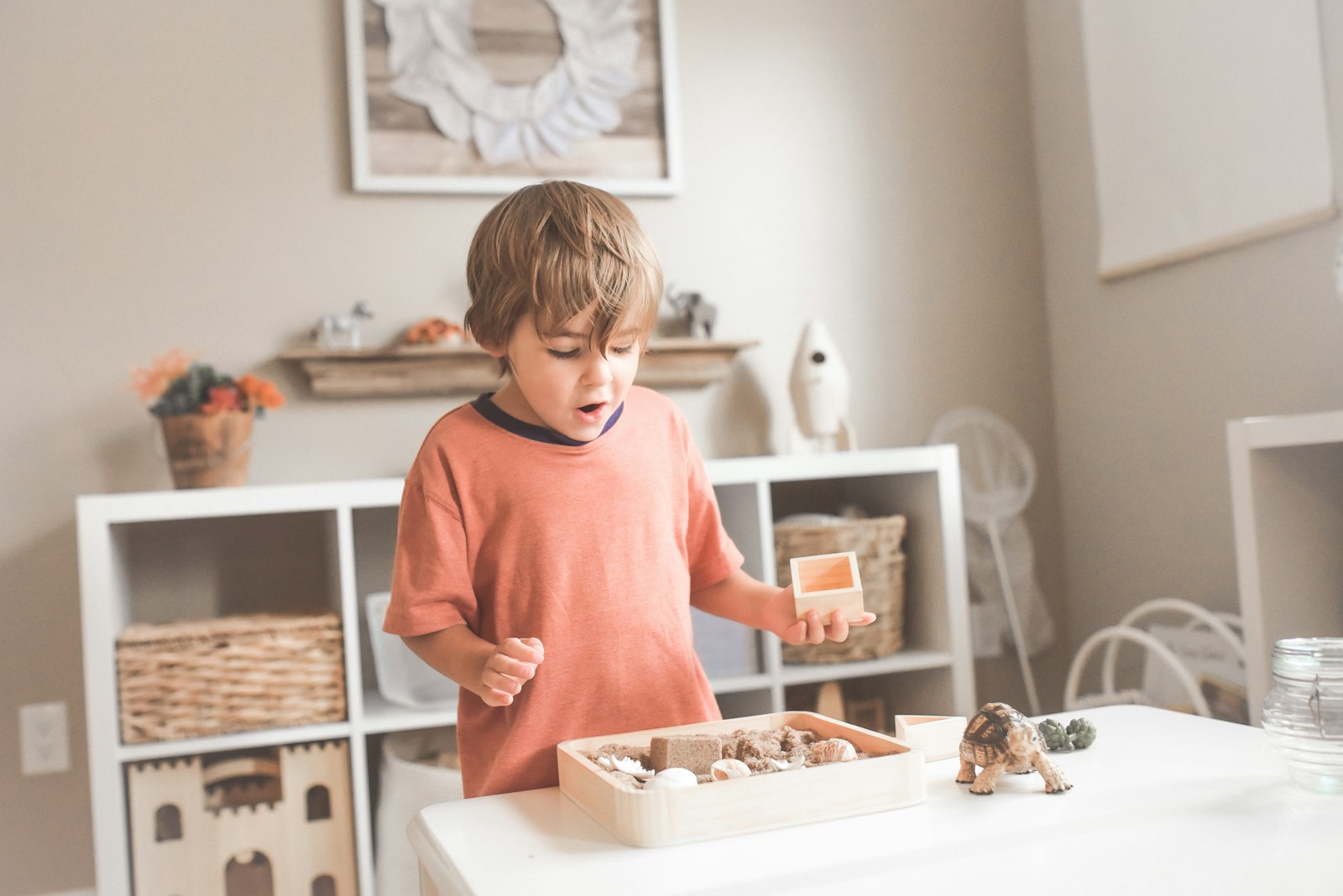
What if your toddler’s next favourite activity didn’t come in a box? Young children often enjoy repeating everyday tasks: putting objects into containers, moving items from one place to another, matching shapes and helping with simple household routines.
Montessori-inspired play builds on these interests by offering accessible materials, a clear activity and opportunities for children to practise skills at their own pace. You don’t need a full Montessori classroom, expensive wooden toys or perfectly neutral shelves.
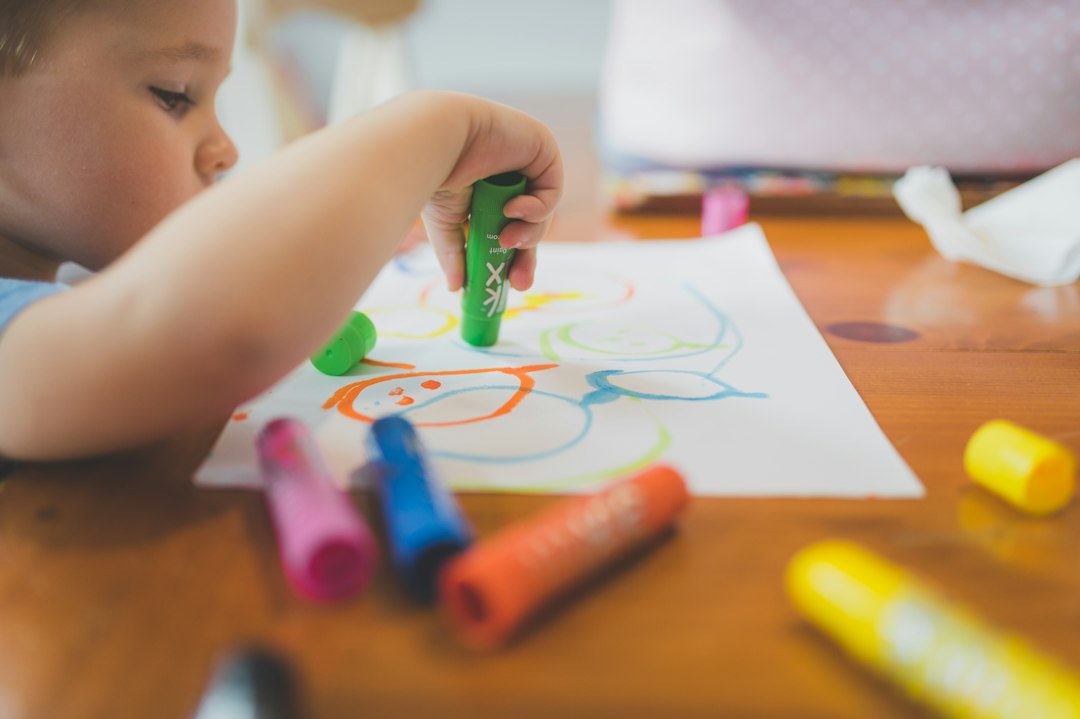
The activities below are designed for toddlers, with close adult supervision and age-appropriate materials. Some suit younger toddlers with simpler materials; others work better for children ready to follow more complex instructions.
1. The Great Sock-Matching Game
Skills: matching, visual discrimination and practical life.
You need: two or three pairs of clean socks and a small basket.
Place the socks on a low, clear surface. Pick up one sock and find its matching pair, then invite your toddler to try. Start with just two pairs and increase the number when the activity becomes easy. Use clearly different colours or patterns to make it easier.
2. Spoon Transfer Station
Skills: coordination, concentration and hand control.
You need: two stable bowls, a large spoon and large safe objects that cannot be swallowed—or a supervised activity using a suitable amount of water.
Place the objects in one bowl and demonstrate transferring one item at a time. For younger toddlers, use only objects too large to fit in the mouth. Avoid dried beans, beads, buttons, coins and other small objects because they can cause choking.
3. A Toddler-Sized Pouring Activity
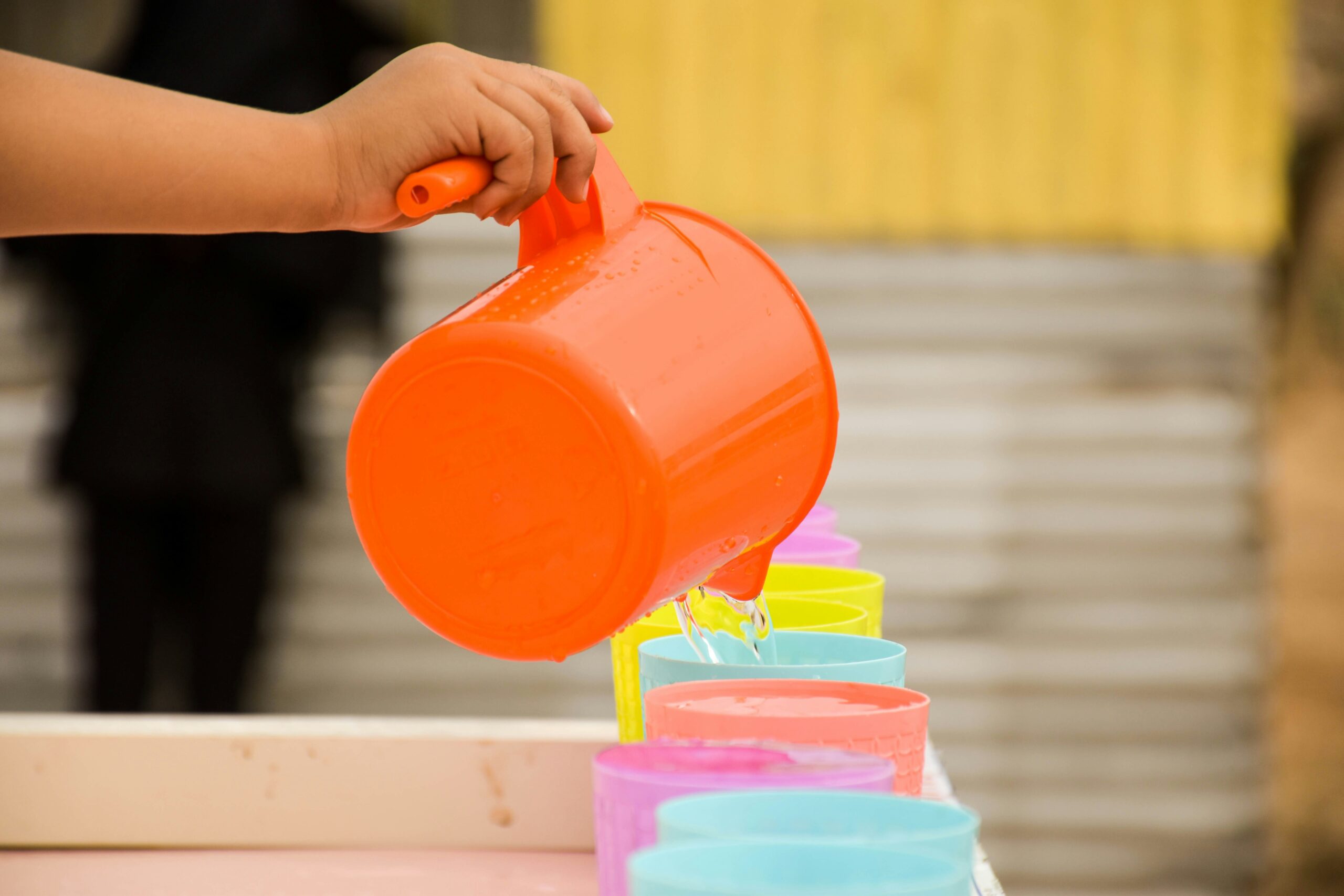
You need: a small lightweight jug, two stable unbreakable cups, a shallow tray and a little water.
Demonstrate pouring slowly from one cup to another. Let your child try and offer a cloth for wiping spills. Choose bowls and cups that stay in place, keep water away from electrical equipment and supervise continuously.
4. Colour Sorting with Household Objects
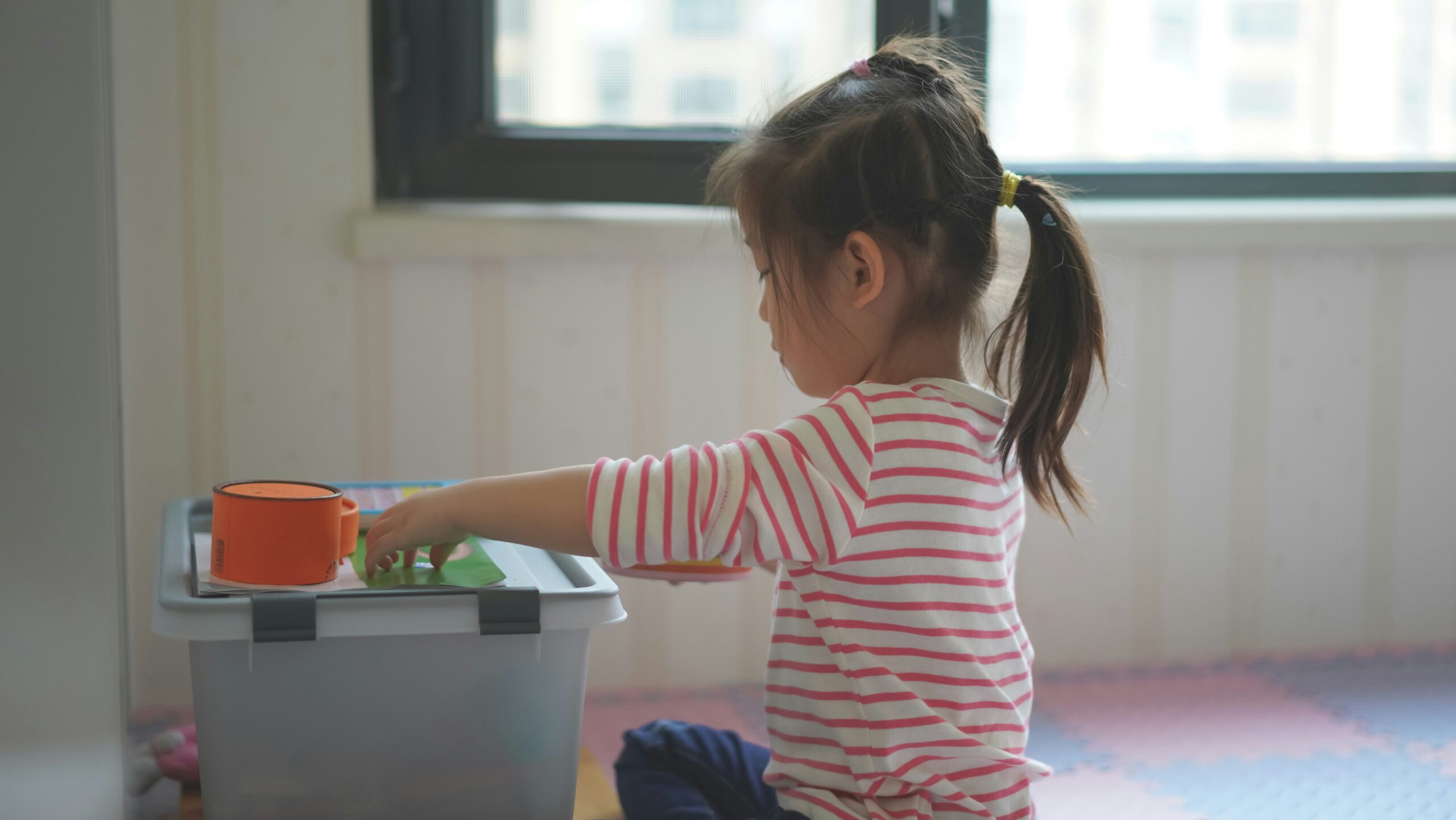
You need: two or three coloured bowls and a small selection of large, safe objects.
Put one object in a bowl and show how to match colours. Invite your child to choose where the next object belongs. If they sort by shape or texture instead, that’s fine; toddlers are exploring how objects are alike and different. Start with two contrasting colours.
5. The Mystery Texture Basket
Skills: sensory exploration and language.
Fill a basket with a few clean, age-appropriate objects with different textures, such as a washcloth, a large silicone spatula and a soft fabric square. Let your toddler explore one at a time and describe them with words such as “soft,” “smooth” or “squishy.” Avoid small objects, cords, sharp edges, detachable parts and fragile items.
6. The Everyday Cleaning Kit
You need: a small lightweight cloth and a stable surface suitable for wiping.
Show your child how to wipe a small, safe surface with gentle movements. Offer the cloth after snack time or invite them to help wipe a suitable table. Never give toddlers access to cleaning chemicals, sprays, disinfectants or concentrated cleaning products.
7. Posting Objects into a Box
You need: a sturdy cardboard box and large, safe objects that cannot be swallowed.
Demonstrate putting an object into the box, then let your toddler repeat the action. Open the box and retrieve everything together. Avoid plastic bags, staples, sharp cardboard edges and small objects. Supervise to prevent collapse or entrapment.
8. A Simple Nature Sorting Tray
Skills: observation and early science.
Use a shallow tray and a few large, safe natural objects inspected by an adult. Invite your child to compare shapes, sizes and textures. Avoid poisonous plants, berries, mushrooms, sharp pieces, choking hazards and objects from contaminated areas. If your child mouths objects, choose a different activity.
9. A Mini Kitchen Helper Station
Invite your child to stir a bowl of yoghurt, place pre-cut soft fruit into a dish or wash a suitable whole fruit under supervision. Offer one simple step at a time. Keep knives, hot surfaces, hot liquids and appliances out of reach, and adapt foods to your child’s developmental stage.
10. The Picture-Book Basket
You need: three to five sturdy, age-appropriate books, a low basket or shelf and a comfortable place to sit.
Place a small selection of books where your toddler can reach them. Invite them to choose one, look through pictures or bring it to you for reading. Rotate the selection occasionally rather than displaying every book. A book basket creates an activity area without needing a dedicated playroom.
How to Make Montessori-Inspired Activities Work at Home
You don’t need a full schedule of educational activities. Choose one activity, present it simply and give your child time to explore. Some toddlers will repeat a task for several minutes; others will lose interest quickly. Keep materials manageable, store them safely and adjust the difficulty to your child’s abilities.
Montessori-inspired play is not about making every moment productive. Independent exploration, ordinary play and time spent with a caring adult all have value.
Frequently Asked Questions
What age can toddlers start Montessori-inspired activities?
Simple, supervised activities can be adapted for many children from around 12 months onward, depending on developmental readiness. Materials must be chosen carefully to avoid choking and other hazards.
Do Montessori activities require special toys?
No. Many activities use everyday objects. Choose suitable materials, present a clear task and let the child explore at an appropriate pace.
How long should a toddler spend on an activity?
There is no required duration. Follow your child’s interest and stop when they become frustrated, tired or ready to do something else.
Are Montessori activities educational?
They can offer opportunities to practise coordination, sorting, language, independence and problem-solving. They should complement, not replace, varied play and responsive interaction with caregivers.
Explore more on WorldWithKids: link this article to sensory bin ideas, screen-free activities, toddler-friendly recipes and minimalist toy storage solutions.
Leave a Reply