
Choosing the right baby food can feel overwhelming. Supermarket shelves are filled with organic labels, colourful pouches, jars, cereals, and products promising extra nutrition. Parents want food that is convenient, nutritious, age-appropriate, and made with ingredients they feel comfortable giving their babies.
But are branded baby foods actually better than meals prepared at home? Are organic baby food products worth choosing? And when should parents use ready-made baby food instead of homemade meals?
The good news is that there are several established international baby food brands offering different approaches to early childhood nutrition. Some focus on organic ingredients and simple recipes, while others offer convenient ready-to-eat meals, refrigerated purees, iron-fortified cereals, or protein-rich blends.
In this guide, we compare eight well-known baby food brands, explore their differences, and explain when commercial baby food makes sense. We also look at how homemade food compares with packaged alternatives so parents can make informed decisions.
Table of Contents
- What Makes a Good Baby Food Brand?
- The Best Baby Food Brands in
- Commercial Baby Food vs. Homemade Baby Food
- When and How Should You Use Baby Food Products?
- Baby Food Safety and Nutrition Tips
What Makes a Good Baby Food Brand?
Not every product labelled organic or natural is automatically more nutritious. The ingredient list, nutritional content, preparation method, texture, and suitability for your baby’s developmental stage are all important.
Simple and Transparent Ingredients
Look for products with recognisable ingredients such as carrots, sweet potatoes, peas, apples, lentils, and oats. Single-ingredient purees can be particularly useful when introducing new foods because they make it easier to identify potential reactions. As your baby becomes comfortable with different foods, mixed combinations can introduce new flavours and ingredients.
Organic Certification
Organic baby food is an option for families who prefer ingredients produced under certified organic farming standards. In the United States, USDA Organic certification provides a regulated standard for organic production. However, organic certification does not guarantee that a product is free from heavy metals or that it contains more nutrients than conventional alternatives. Organic and conventional products should both be evaluated for their ingredients and nutritional value.
Essential Nutrients
Babies need a varied diet as they transition to solid foods. Iron is particularly important during this stage. Iron-fortified cereals, beans, lentils, eggs, and appropriately prepared protein foods can help provide essential nutrients. Look beyond attractive packaging and consider the actual nutritional contribution of each product.
Age-Appropriate Textures
Baby food should match your child’s developmental abilities. Smooth purees may be suitable when starting solids, while older babies can gradually explore thicker textures, mashed foods, and appropriately prepared soft finger foods. Age labels are useful, but developmental readiness is equally important.
The Best Baby Food Brands in
We selected eight established international brands that offer different approaches to baby nutrition. Each brand is included for its particular product range and features rather than as a claim that it is universally the best.
Gerber – Best for Everyday Variety and Accessibility
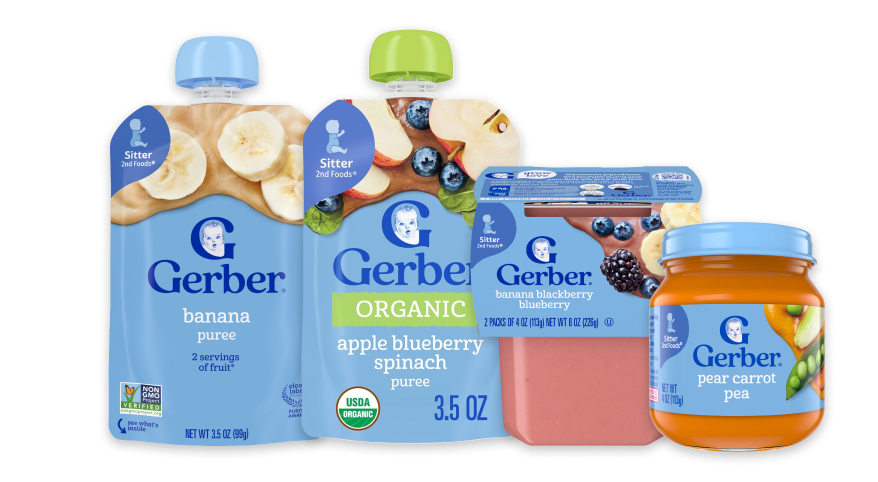
Gerber is one of the most recognised baby food brands in the United States. Its extensive range makes it a convenient option for parents looking for everyday baby food products.
The company offers fruit and vegetable purees, infant cereals, organic products, meal combinations, and baby snacks. Popular options include organic carrot and pea purees, single-grain oatmeal cereal, fruit and vegetable combinations, baby food jars and pouches, and age-specific snacks.
One of Gerber’s main advantages is its variety. Parents can find products for different feeding stages without needing to switch between multiple brands. Its iron-fortified infant cereals can also be useful when introducing complementary foods.
Best for: Families looking for an accessible brand with a broad selection of everyday baby food.
Earth’s Best Organic – Best for Organic Baby Food

Earth’s Best Organic has built its reputation around organic baby and toddler products. Its range includes organic fruit and vegetable purees, infant cereals, combination meals, and toddler foods.
Some product options include organic oatmeal cereal, organic multigrain cereal, fruit combinations, vegetable and bean purees, and chicken and vegetable meals.
The brand is particularly interesting for parents who want organic options across several feeding stages. Its product selection also includes different textures and combinations, allowing parents to gradually introduce more variety. However, organic certification is not a substitute for checking nutritional content and ingredient lists.
Best for: Families who prioritise certified organic ingredients and want a range of products for different feeding stages.
Happy Baby Organics – Best for Organic Pouches and First Foods
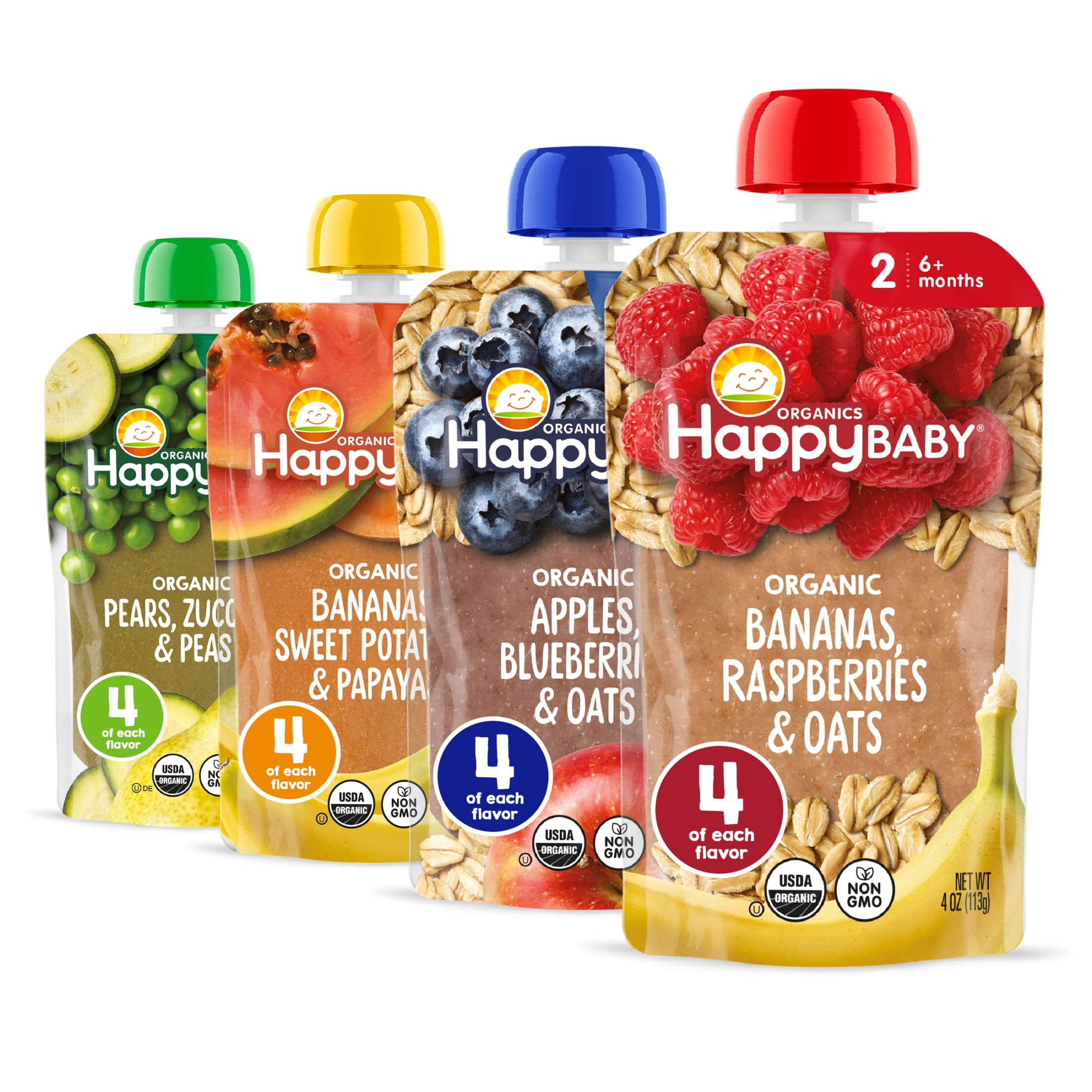
Happy Baby Organics is known for its organic baby food range, particularly its purees and convenient pouch products. The brand offers options designed for different stages of early feeding, including simple fruit and vegetable combinations and more varied blends.
Its product range includes organic fruit purees, vegetable combinations, Clearly Crafted baby food, organic pouches, infant cereals, and snacks.
One appealing feature is the availability of simple ingredient combinations that help introduce babies to different tastes. Its Clearly Crafted range also offers transparent packaging, allowing parents to see the food inside.
Pouches are useful for convenience, but they should not completely replace learning to eat from a spoon or exploring age-appropriate food textures.
Best for: Parents who want convenient organic purees and a variety of fruit and vegetable combinations.
Once Upon a Farm – Best for Refrigerated Fresh-Style Baby Food

Once Upon a Farm takes a different approach from traditional shelf-stable baby food brands. The company is known for its refrigerated, cold-pressed fruit and vegetable blends, as well as a growing range of organic meals and snacks.
Its product selection includes organic fruit and vegetable blends, refrigerated baby food pouches, plant-based combinations, protein-containing baby food blends, and frozen meals and snacks.
The brand appeals to parents who prefer refrigerated products and are interested in less conventional baby food combinations. Its products can offer a convenient alternative to preparing every meal from scratch.
An important consideration is storage. Refrigerated products require appropriate handling and temperature control throughout transportation and at home. They may also be less convenient for families who travel frequently or need food that can be stored at room temperature.
Best for: Families who prefer refrigerated baby food and want to explore a wider variety of ingredients.
Serenity Kids – Best for Protein-Focused Baby Food
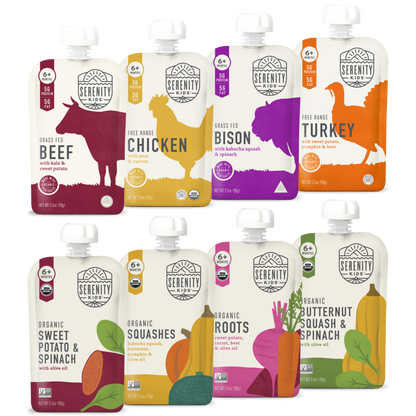
Serenity Kids offers a different product philosophy, with an emphasis on savoury flavours, vegetables, and protein-rich combinations. Its range includes meat-based purees, vegetable blends, and convenient baby food pouches.
The brand is particularly interesting for parents who want to introduce more savoury foods rather than relying heavily on fruit-based combinations. Potential options include meat and vegetable blends, organic vegetable purees, savoury baby food pouches, and protein-focused combinations.
Protein and iron are important nutrients during infancy, making appropriately formulated meat and vegetable products worth considering. However, the best approach is not to rely on one brand or product category. Babies benefit from a varied diet that includes different food groups.
Best for: Parents looking for savoury baby food options and convenient protein-containing combinations.
Cerebelly – Best for Nutrient-Focused Baby Food
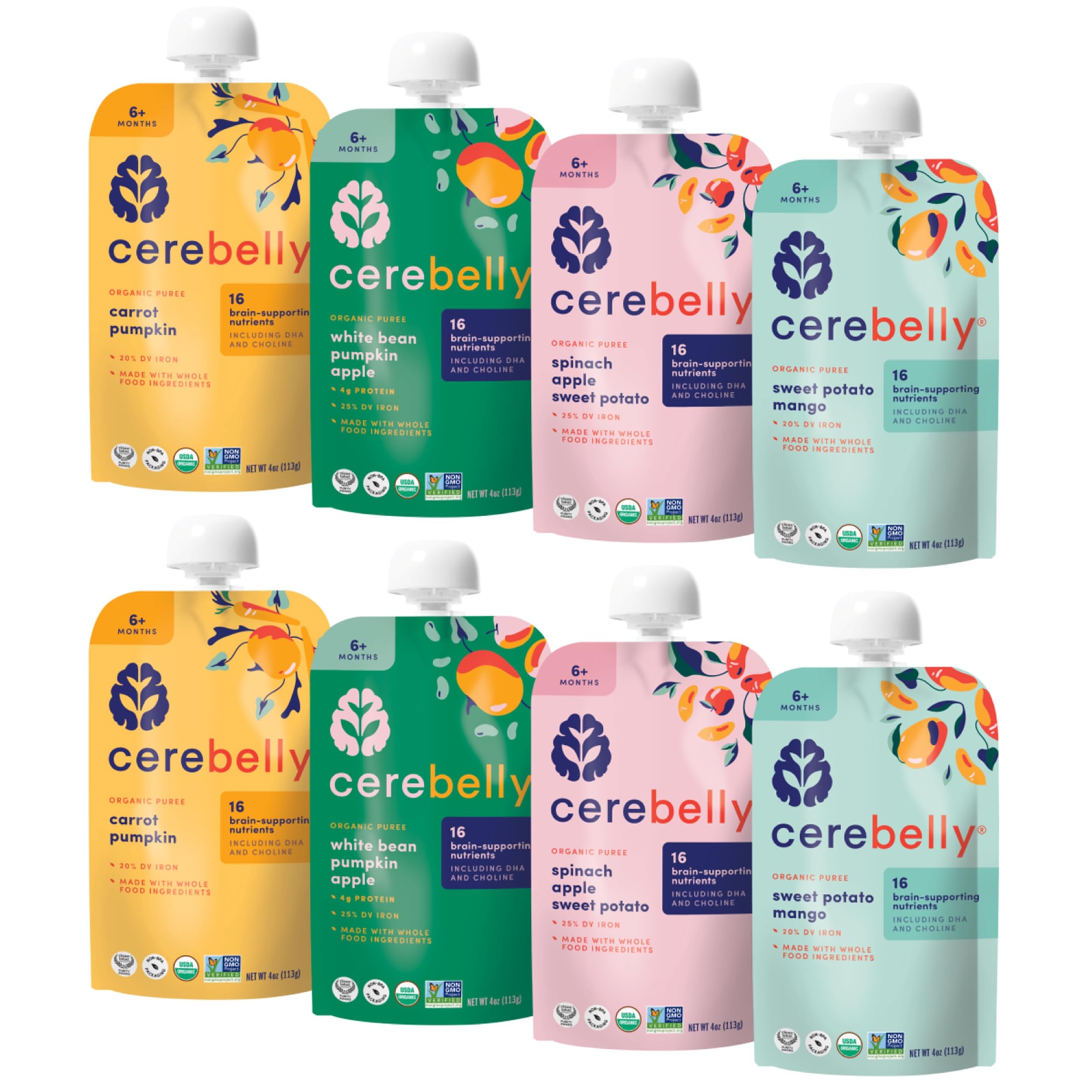
Cerebelly focuses on baby food products designed around nutritional variety and developmental needs. Its range includes organic puree pouches and combinations featuring fruits, vegetables, and other nutrient-containing ingredients.
Parents interested in Cerebelly can explore products featuring sweet potatoes, spinach, carrots, broccoli, and fruit and vegetable blends.
One consideration is that a product’s nutritional claims should always be evaluated against its actual ingredient list and nutrition information. No individual puree can provide everything a growing baby needs.
Best for: Parents interested in organic purees with a focus on ingredient variety and nutritional composition.
Beech-Nut – Best for Traditional Baby Food Jars
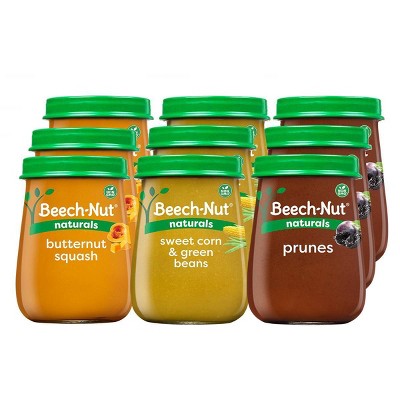
Beech-Nut is a familiar name in the traditional baby food category. The company is known for its jars and purees, offering parents an alternative to pouch-based products.
Its product range has included single-ingredient fruit purees, vegetable purees, organic baby food, combination purees, and stage-specific baby foods.
Traditional jars can be particularly practical for spoon-feeding and portioning food. They also make it easier for parents to observe the food’s consistency and offer it directly from a bowl.
When using jars, always follow the manufacturer’s storage instructions after opening. Avoid feeding directly from a container that you plan to refrigerate and reuse, as saliva can introduce bacteria.
Best for: Families who prefer traditional jars and spoon-feeding.
Little Spoon – Best for Convenient Subscription-Based Baby Food

Little Spoon is a modern baby food company that offers products through a direct-to-consumer model. Its Babyblends range includes purees designed for different stages of infant feeding.
The company is particularly appealing to parents who want convenient meal delivery and a variety of baby food combinations. Advantages include convenient delivery, organic baby food options, different ingredient combinations, and products designed for babies at different feeding stages.
The main consideration is availability and delivery logistics. Families need to consider whether the service operates in their area and whether refrigerated products can be stored and delivered safely.
Best for: Busy families who prefer convenient baby food delivery and subscription-style services.
Commercial Baby Food vs. Homemade Baby Food
One of the most common questions parents ask is whether commercial baby food is actually better than food prepared at home. The short answer is no. Commercial baby food is not automatically healthier or more nutritious than homemade food.
Both can have a place in a baby’s diet, but homemade food offers several advantages when parents have the time and facilities to prepare it safely.
Is Homemade Baby Food Healthier?
Homemade baby food gives parents greater control over ingredients, preparation methods, and texture. For example, a parent can steam carrots, cook lentils, mash sweet potatoes, or prepare a simple combination of vegetables without adding salt or sugar.
Some advantages of homemade food include greater control over ingredients, more opportunities to introduce different flavours, flexible food textures, easier adaptation to a baby’s developmental stage, potentially lower cost, and greater exposure to ordinary family foods.
Homemade food can also help babies become familiar with the tastes and textures of foods the family regularly eats. However, homemade food is not automatically safer. Ingredients must be washed, cooked, stored, and handled correctly. Heavy metals can also occur naturally in ingredients used for homemade meals.
What Are the Advantages of Commercial Baby Food?
Commercial baby food is primarily about convenience. Ready-made products can save preparation time and make feeding easier when parents have busy schedules.
Other advantages include convenient portioning, easy transport, consistent product textures, ready-to-eat options, iron-fortified infant cereals, and convenient access to different ingredient combinations.
Some commercial products can also introduce ingredients that parents may not regularly prepare at home. However, packaged baby food can be more expensive, and some products contain relatively high amounts of naturally occurring sugars from fruit ingredients. Many purees also have similar smooth textures, which may limit opportunities for babies to explore more varied foods if they become the main source of meals.
Homemade vs. Commercial Baby Food: Which Should You Choose?
There is no need to choose only one approach. For many families, a combination of homemade meals and selected commercial baby food products is a practical solution.
Homemade food can be the everyday foundation, while ready-made products provide convenience when preparation is difficult. The important thing is to prioritise nutritional variety, suitable textures, and safe food preparation.
When and How Should You Use Baby Food Products?
Commercial baby food can be useful in specific situations. Understanding when to use it helps parents benefit from convenience without relying too heavily on packaged purees.
When Should You Choose Store-Bought Baby Food?
Ready-made baby food can be particularly useful when travelling with a baby, during days when parents have limited preparation time, when eating outside the home, when introducing a new ingredient available in a suitable product, when using iron-fortified infant cereals, or when a convenient meal is needed during a busy day.
It is important to choose products with age-appropriate textures and simple ingredients.
Are Baby Food Pouches Healthy?
Baby food pouches can be a convenient option, especially when travelling. However, they should not become the main way babies eat.
Many pouches contain fruit-based combinations, and frequent use of very smooth purees may reduce opportunities to experience different textures. Rather than allowing babies to suck directly from the pouch, squeeze the contents into a bowl and offer them with a spoon when appropriate. This encourages more active eating and helps babies become familiar with different feeding methods.
How Often Should Babies Eat Commercial Baby Food?
There is no nutritional requirement for babies to eat commercially packaged purees. They can receive the nutrients they need through an appropriately planned combination of homemade and suitable commercial foods.
The NHS advises that shop-bought jars and pouches should be used occasionally rather than relied upon as everyday foods. The emphasis should be on offering a varied diet that gradually includes mashed foods, soft finger foods, and suitable family meals.
Can You Mix Homemade and Store-Bought Baby Food?
Yes. Combining homemade and commercial baby food can be a practical approach. For example, add iron-fortified infant oatmeal to a homemade fruit puree, serve a commercial vegetable puree alongside homemade mashed lentils, use a ready-made meal when travelling and prepare fresh food at home, or combine familiar homemade ingredients with suitable commercial products to introduce new flavours.
Always check ingredient lists and allergen information before combining products.
Baby Food Safety and Nutrition Tips
Choosing a reputable brand is only one part of feeding your baby safely. There are several additional points parents should keep in mind.
When Should Babies Start Eating Solid Foods?
Most babies are ready to begin complementary foods at around six months. Look for signs such as good head and neck control, sitting upright with support, showing interest in food, opening their mouth when food is offered, and being able to swallow food rather than consistently pushing it out.
Starting solids before four months is not recommended. Breast milk or infant formula should remain the primary source of nutrition during the early stages of complementary feeding.
Prioritise Iron-Rich Foods
Iron is an important nutrient during infancy. When introducing solids, consider iron-fortified infant oatmeal, lentil and bean purees, pureed meat, eggs prepared in an age-appropriate texture, and other iron-rich foods suitable for your baby’s developmental stage. Offering a variety of foods is more beneficial than relying exclusively on fruit-based purees.
Introduce Different Flavours and Allergens
Babies benefit from experiencing different tastes and food textures. Vegetables, fruits, grains, proteins, and suitable dairy products can all contribute to a varied diet.
Common allergens include eggs, peanuts, milk, wheat, soy, fish, shellfish, and tree nuts. Current guidance does not recommend unnecessarily delaying the introduction of common allergens once a baby is developmentally ready for solids. However, babies with severe eczema or an existing egg allergy may need specific medical advice before peanut introduction. Discuss the appropriate timing and preparation with your pediatrician.
Be Aware of Heavy Metals
Heavy metals such as lead, arsenic, and cadmium can enter foods through soil, water, and the environment. The US Food and Drug Administration (FDA) has been working through its Closer to Zero initiative to reduce children’s exposure to these contaminants.
Importantly, organic certification does not guarantee that a baby food product is free from heavy metals. Homemade food is not automatically free from these contaminants either. Parents can reduce unnecessary exposure by offering a varied diet rather than repeatedly relying on the same foods. For example, offer a variety of grains instead of feeding only rice cereal. Oatmeal, barley, and multigrain infant cereals can provide useful alternatives.
Avoid Choking Hazards
Food texture and preparation are particularly important. Avoid whole nuts, whole grapes, popcorn, hard raw vegetables, large chunks of food, and thick spoonfuls of nut butter. Foods should be prepared in a form that matches your baby’s developmental abilities. Always supervise babies while they are eating.
Store Baby Food Correctly
Follow the manufacturer’s storage and refrigeration instructions. Refrigerated products should remain at the required temperature, and opened products should be used within the recommended period. Never reuse leftover food that has been in direct contact with your baby’s spoon or saliva.
Which Baby Food Brand Is Best for Your Family?
There is no single baby food brand that is right for every family. The best choice depends on your priorities, your baby’s preferences, and the type of feeding routine that works for your household.
- Gerber: A broad everyday selection and convenient availability.
- Earth’s Best Organic: Organic purees, cereals, and meals.
- Happy Baby Organics: Organic fruit and vegetable pouches.
- Once Upon a Farm: Refrigerated, fresh-style baby food.
- Serenity Kids: Savoury and protein-focused options.
- Cerebelly: Nutrient-focused organic puree combinations.
- Beech-Nut: Traditional jars and spoon-feeding options.
- Little Spoon: Convenient baby food delivery and subscription options.
The most important thing is not choosing the most expensive brand or the product with the most impressive packaging. Instead, focus on food variety, nutritional value, appropriate textures, safe preparation, and your baby’s developmental needs.
For everyday feeding, homemade food can be an excellent choice. Commercial baby food can provide a convenient alternative when parents need it. A balanced combination of suitable packaged products and freshly prepared foods at home can work well for many families.
As your baby grows, gradually introducing different flavours and textures can help establish healthy eating habits that last beyond infancy.
Remember: Every baby develops at a different pace. If you have questions about feeding readiness, allergies, nutrition, or growth, consult your child’s pediatrician.