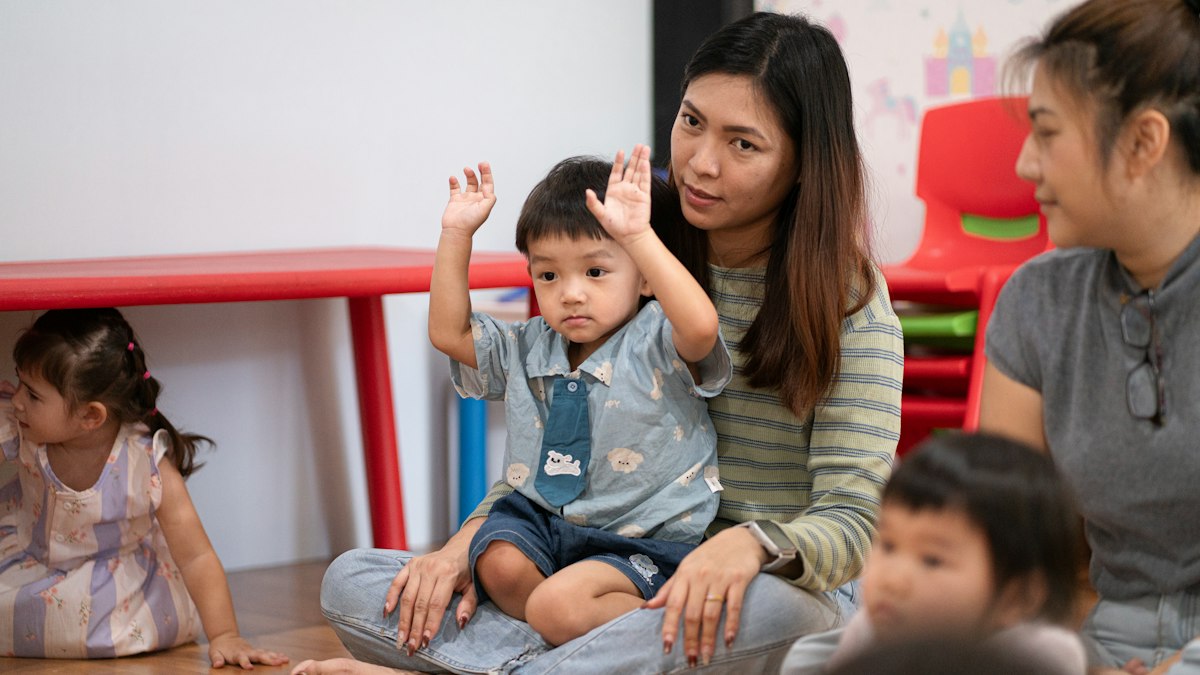
Choosing the right kindergarten is one of the first major educational decisions parents make. The school your child attends can shape their early experiences with learning, friendships, independence and confidence. With so many programmes and school environments to consider, it can be difficult to know which factors deserve the most attention.
The best kindergarten is not necessarily the most famous, the most expensive or the one with the most impressive facilities. It is the school that offers a safe, caring and stimulating environment, has teachers who understand young children, and fits your child’s developmental needs and your family’s practical circumstances.
In This Guide
- Understand Your Child’s Needs
- Compare Educational Approaches and School Quality
- Evaluate Teachers and the Classroom Environment
- Visit the School and Talk to Current Parents
- Questions to Ask and Making the Final Decision
Understand Your Child’s Needs
Before comparing schools, think about your child as an individual. Children develop at different rates and have different temperaments, interests and ways of responding to new situations. A kindergarten that suits one child perfectly may not be the right environment for another.
Consider how your child usually approaches new people and experiences. Do they feel comfortable joining a group, or do they need time to observe before participating? Are they energetic and curious, or do they prefer quieter activities? Do they enjoy imaginative play, building, drawing, music or outdoor activities? These observations can help you identify the type of environment in which your child is likely to feel secure and engaged.

Also consider any individual needs that the school should be able to support, such as language development, additional learning support, allergies, mobility needs or a need for a gradual transition. Ask how the kindergarten adapts its approach when children need extra reassurance or assistance.
Practical family needs matter too. Think about the daily journey, opening and closing times, holiday calendar, meals, after-school care and how the schedule fits your working arrangements. A school may look excellent on paper, but a difficult commute or an unsuitable timetable can make everyday life unnecessarily stressful.
Compare Educational Approaches and School Quality
Kindergartens can follow different educational philosophies. Some place a strong emphasis on learning through play, while others use a more structured curriculum. Montessori schools generally emphasise independence and hands-on learning with carefully prepared materials. Reggio Emilia-inspired settings often give importance to creativity, exploration and projects that grow from children’s interests. Many schools combine elements of several approaches.
Rather than choosing a school because its educational philosophy is fashionable, ask how that approach works in everyday classroom life. How much time do children spend playing, exploring, listening to stories, creating, moving and interacting with others? How do teachers introduce early literacy and numeracy without placing inappropriate pressure on young children?
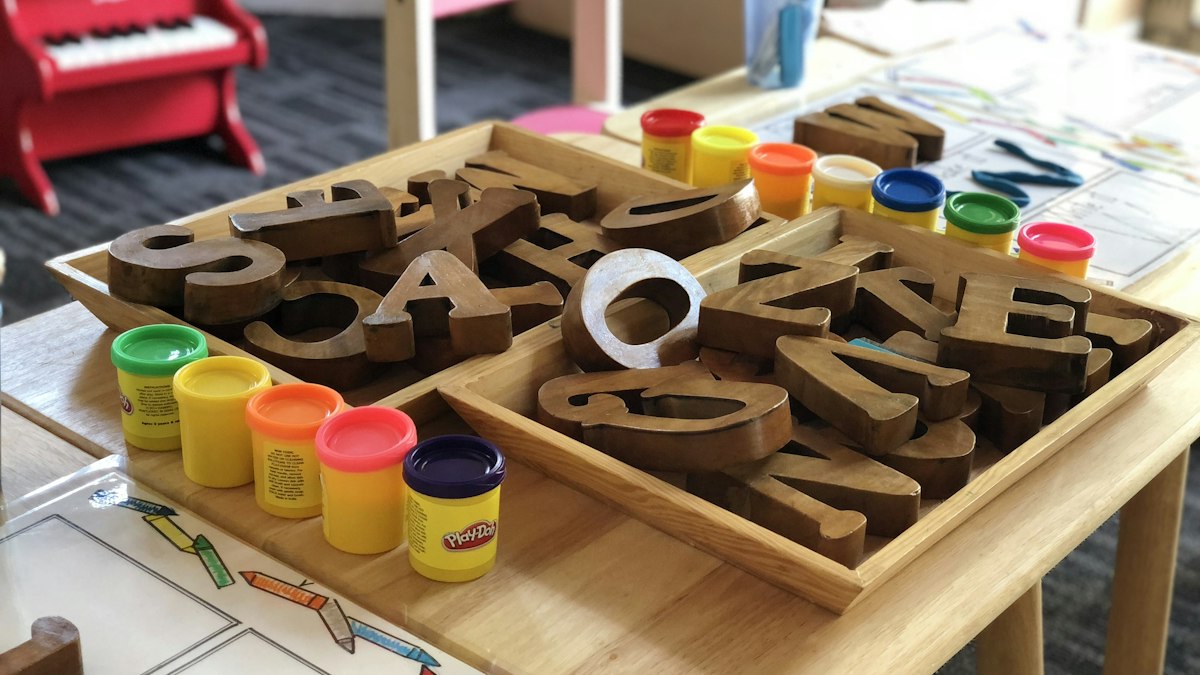
A strong early-years programme should offer a thoughtful balance of play, guided activities, conversation, creativity, movement and opportunities to develop social skills. Ask how the school helps children practise sharing, taking turns, solving small problems and becoming more independent. These everyday experiences are an important part of kindergarten learning.
Class size and the number of children assigned to each teacher are also worth checking. There is no single ratio that is appropriate for every age group and every country; requirements and recommendations vary. Ask about the actual group size, how many adults are present throughout the day, and whether additional staff are available during outdoor play, meals and transitions.
Look beyond impressive facilities and marketing language. Find out how children’s progress is observed, how learning activities are planned, and how the school responds when a child is finding something difficult. The answers will tell you more about the quality of the programme than a list of equipment or activities.
Evaluate Teachers and the Classroom Environment
Teachers have a greater influence on your child’s daily kindergarten experience than the appearance of the building. A warm, attentive and consistent teacher can help children feel safe, build relationships and become confident learners.
Ask about teachers’ qualifications, early-childhood experience, professional development and staff turnover. Find out whether the same adults are with the children regularly. Frequent changes in classroom staff can make it harder for young children to build secure relationships and predictable routines.
When you visit, observe how teachers speak to children. Do they listen carefully, get down to the child’s level and respond patiently? Do they encourage children to try things independently while offering help when needed? Notice how they handle disagreements, frustration and mistakes. Respectful guidance is more valuable than an environment that relies on fear or constant correction.
The classroom should feel welcoming and organised without being overly rigid. Look for accessible books, toys and learning materials, spaces for quiet activities and group play, and displays that reflect children’s work. Ask how materials are cleaned and how the school keeps the environment safe and suitable for the children’s ages.
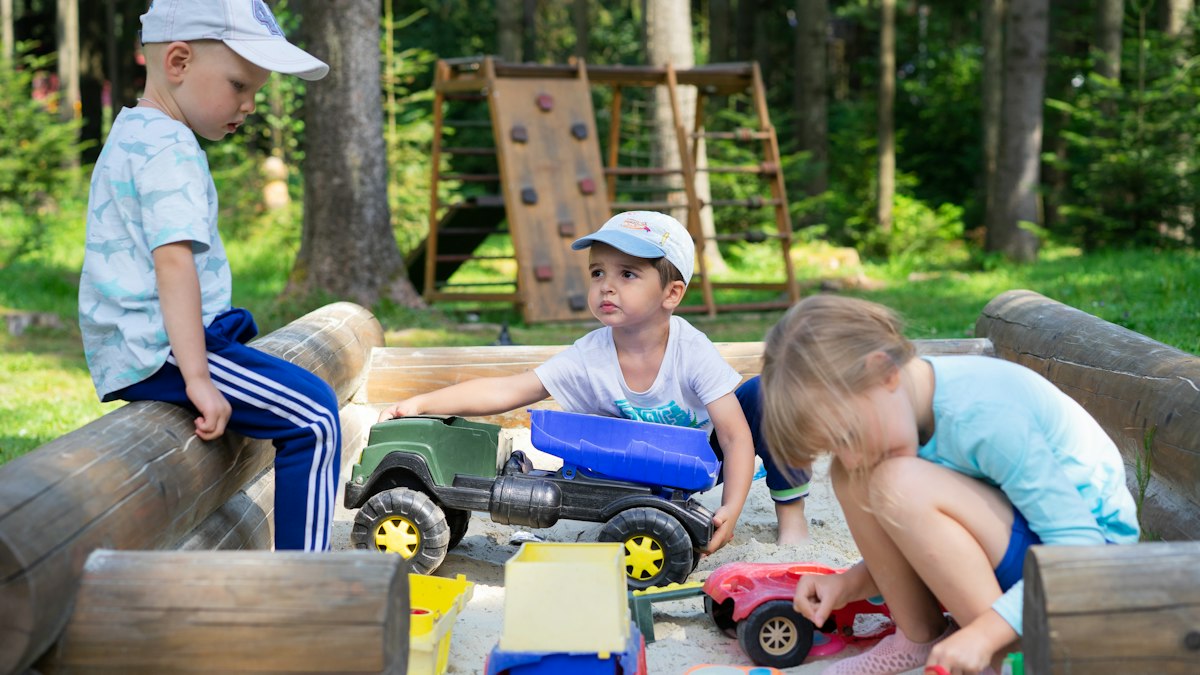
Outdoor play and physical activity should also be part of the daily routine, where facilities and weather allow. Ask how often children go outside, how playground activities are supervised, and what alternatives are offered when outdoor play is not possible.
Visit the School and Talk to Current Parents
Do not make a decision based only on a website, brochure, social media page or phone conversation. Whenever possible, visit the kindergarten in person. An Open House or scheduled school tour is an excellent opportunity to see the environment, meet staff and understand how the school operates.
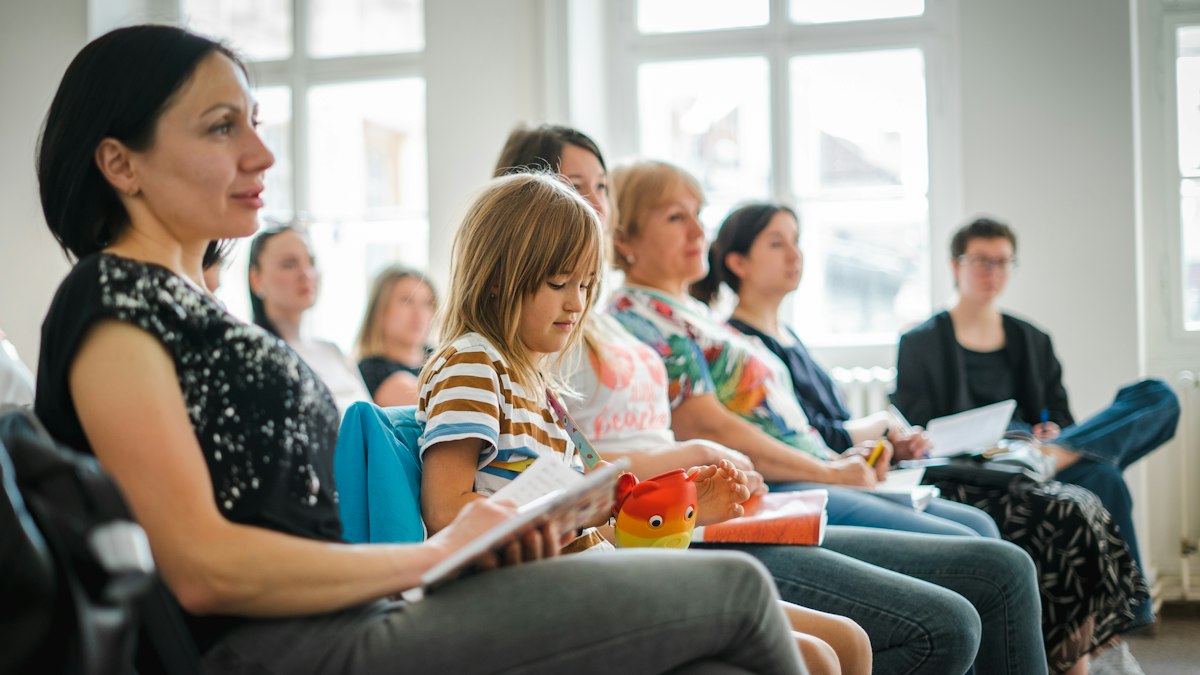
During an Open House, look beyond the presentation prepared for visitors. Ask to see the classrooms, toilets, dining areas and outdoor spaces. Find out how visitors are managed, how children are supervised and what procedures are followed at arrival and collection. If the school permits it, observe a normal classroom session so you can see how teachers and children interact during everyday activities.
Pay attention to the atmosphere. Do children seem engaged and comfortable? Do teachers communicate calmly and respectfully? Are the rooms clean, well maintained and suitable for young children? Ask how the school handles emergencies, illness, accidents, authorised pick-ups and safeguarding concerns. If an Open House is not available, arrange an individual visit and ask what you can observe during the school day.
Speak to Parents Whose Children Already Attend
The school’s own presentation is only one source of information. Speaking with parents whose children already attend the kindergarten can give you a more realistic picture of everyday life. If possible, talk to two or three current parents, ideally with children in the same age group as yours.
You can ask them questions such as:
- Are you happy with the quality of education and care your child receives?
- Are the teachers caring, patient and approachable?
- Does the school communicate regularly and transparently with parents?
- How does the school respond when a child has a problem or a parent raises a concern?
- Does your child generally feel happy and comfortable going to school?
- Have you encountered any unexpected difficulties since enrolment?
- Knowing what you know now, would you choose the same kindergarten again?
One parent’s opinion should not determine your choice. Families have different expectations and children have different experiences. However, if several parents independently mention the same strengths or concerns, that feedback is worth considering. Combine what you hear with your own observations and the school’s answers.
Questions to Ask and Making the Final Decision
Prepare a short list of questions before your visit so that you can compare schools on the same points. You do not need to ask every question below, but the topics can help you have a useful conversation with the school.
About the Programme and Teachers
- What educational approach and curriculum does the kindergarten follow?
- How is play balanced with planned learning activities?
- What qualifications and experience do the teachers have?
- How many children are in each group, and how many adults supervise them?
- How do teachers observe children’s development and share progress with parents?
About Safety and Daily Life
- What are the arrival, collection and authorised pick-up procedures?
- How are children supervised indoors and outdoors?
- What happens if a child becomes ill or has an accident?
- How are allergies, dietary requirements and individual needs managed?
- What does a typical day look like, including meals, rest, play and outdoor time?
About Parent Communication and Practical Arrangements
- How can parents contact teachers and arrange a meeting?
- How does the school communicate important updates and concerns?
- What are the school hours, holiday dates and arrangements for late collection?
- What fees are included in the tuition, and are there additional costs?
- What support is available during the settling-in period?
Make the Final Decision as Parents
Choosing a kindergarten is ultimately the responsibility of the parents. Your child’s personality, interests, temperament and developmental needs should guide your evaluation, but the final decision should not be placed on the child.
A young child may be attracted to a particular playground, toy, classroom decoration or activity during a visit. Those first impressions are understandable, but they do not show whether a school is the best long-term environment. Asking a child to choose between schools can also place responsibility on them that they are not yet ready to carry.
Instead, parents should compare the quality of care, teacher relationships, educational approach, safety, communication and practical arrangements. Consider what you observed during the Open House, what you learned from current parents and how well the school can meet your child’s needs. If you have concerns, ask the school directly before making a commitment.
Once you have made the decision, explain the new routine to your child in a calm and positive way. Visit the school together if appropriate, talk about what the first days may look like and give your child time to become familiar with the change. The parents make the choice; their role then is to help the child feel secure and supported as they begin.
The Right Kindergarten Is the One That Helps Your Child Thrive
Choosing a kindergarten takes more than comparing facilities or reading school descriptions. Take time to understand your child’s needs, examine the educational approach, meet the teachers, visit during an Open House and speak with parents whose children already attend.
No school is perfect for every child. The right choice is the one that combines caring relationships, a safe and engaging environment, meaningful learning experiences and practical arrangements that work for your family. With careful research and thoughtful evaluation, you can make a confident decision and give your child a positive start to their school years.
If you are also preparing your child for this transition, read our guide to the best books for kids by age for ideas to support early language, curiosity and a love of reading at home.