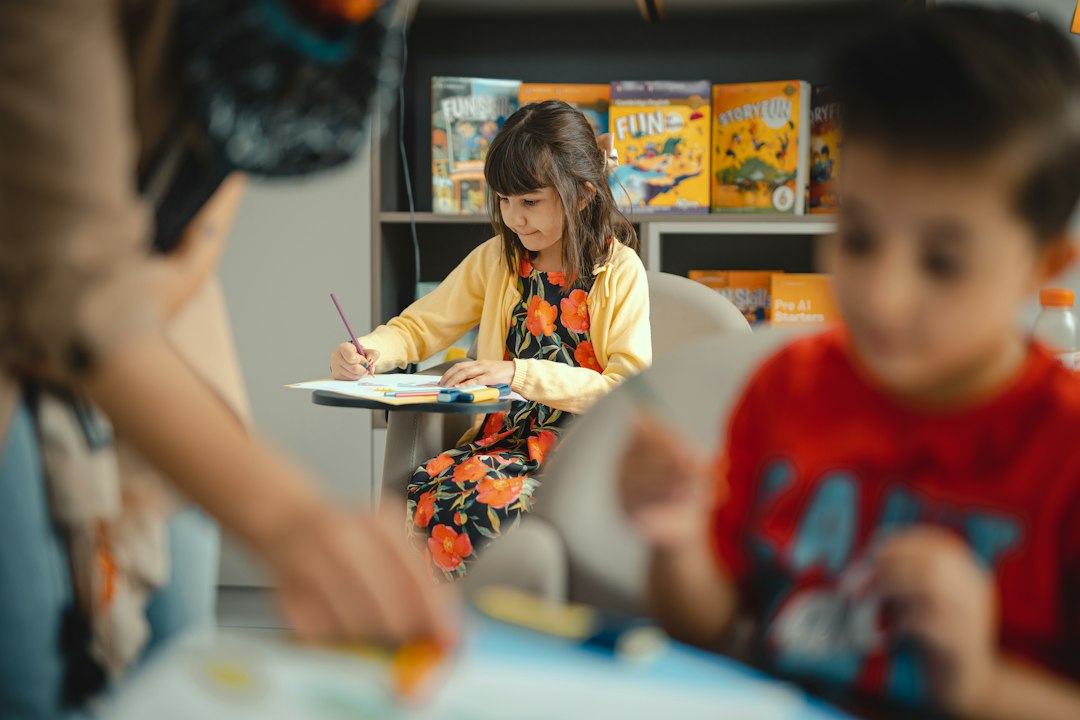
Starting kindergarten is an important milestone for both children and parents. It marks the beginning of a new stage of learning, friendships and independence. But how do you know whether your child is ready?
Kindergarten readiness is about much more than knowing letters, numbers or colors. It also includes social, emotional, communication and self-care skills that help children feel comfortable in a classroom environment.
Another important question is age. When does kindergarten start, and should a child begin at five or six? The answer depends on the education system and the child’s individual development.
This guide explains the typical starting ages in different countries, the main signs of kindergarten readiness and practical ways parents can help children prepare.
Table of Contents
- What Is Kindergarten Readiness?
- When Does Kindergarten Start? Understanding the Right Age
- Signs Your Child Is Ready for Kindergarten
- Academic Skills Children Should Develop Before Kindergarten
- How to Prepare Your Child for Kindergarten
What Is Kindergarten Readiness?
Kindergarten readiness refers to the combination of skills that helps a child participate in a structured learning environment.
It does not mean that a child must already know how to read, write or perform simple maths. Kindergarten is where many of these skills are introduced and developed.
A child who is ready for kindergarten is generally beginning to develop skills in five important areas:
- Social development: Playing with other children, sharing and taking turns.
- Emotional development: Expressing feelings and gradually managing frustration.
- Communication: Understanding simple instructions and expressing basic needs.
- Independence: Managing simple daily tasks, such as washing hands and putting on a coat.
- Early learning: Showing curiosity about books, numbers, letters, shapes and the world around them.
Children develop at different speeds. One child may be confident socially but need more time with communication, while another may enjoy early reading activities but find group situations challenging.
Readiness should therefore be considered as a whole rather than judged by one individual skill.
When Does Kindergarten Start? Understanding the Right Age
There is no single kindergarten starting age worldwide. School systems use different age requirements, and the exact cutoff dates can vary within a country.
In many education systems, children begin kindergarten or an equivalent early-years programme between the ages of four and six.
Here are some examples:
- United States: Around 5 years old; cutoff dates vary by state.
- England: Reception usually begins in September after a child’s fourth birthday.
- France: École maternelle generally starts at age 3.
- Australia: Preschool is commonly around age 4; school foundation entry is usually around age 5, depending on the state or territory.
- Turkey: Preschool admission prioritises children aged 57–68 months; primary school entry follows separate age rules.
Kindergarten and Primary School Starting Ages in Turkey
In Turkey, preschool and primary school have different admission rules.
For the 2026–2027 school year, the Ministry of National Education’s guidance explains the primary school registration age as follows:
- 72 months and older: Children are required to start Grade 1.
- 69–71 months: Children are eligible for Grade 1, but parents can request a one-year postponement.
- 66–68 months: Parents may request early enrolment in Grade 1.
- 65 months and younger: Children cannot be registered for Grade 1 under these rules.
For preschool education, children aged 57–68 months by the end of September receive priority for admission. Younger children may also be admitted where places are available and the applicable conditions are met.
Parents should check the current Ministry of National Education guidance for the relevant school year because admission rules can change.
Should Your Child Start Kindergarten at Five or Six?
The decision is not simply about choosing the older age. It is about considering your child’s overall development and the expectations of the school system.
Starting at five may be appropriate for a child who is comfortable in groups, can communicate basic needs and is developing independence.
Waiting until six may give another child additional time to develop emotional regulation, communication or self-care skills.
If you are unsure, consider discussing your child’s development with their preschool teacher and the school. A child’s confidence, social development and ability to manage everyday routines are all relevant.
Signs Your Child Is Ready for Kindergarten
There is no universal checklist that every child must complete before starting school. However, several developmental signs can help parents understand whether their child is becoming ready.
Social Skills and Playing with Others
Kindergarten involves spending time with other children, participating in group activities and learning to cooperate.
A child who is developing social readiness may:
- Show interest in playing with other children.
- Begin to share toys and materials.
- Understand the idea of taking turns.
- Participate in simple group activities.
- Start to follow basic classroom rules.
Children do not need to be naturally outgoing. Some are shy or need more time to feel comfortable in new environments. The important thing is that they are gradually learning how to interact with others.
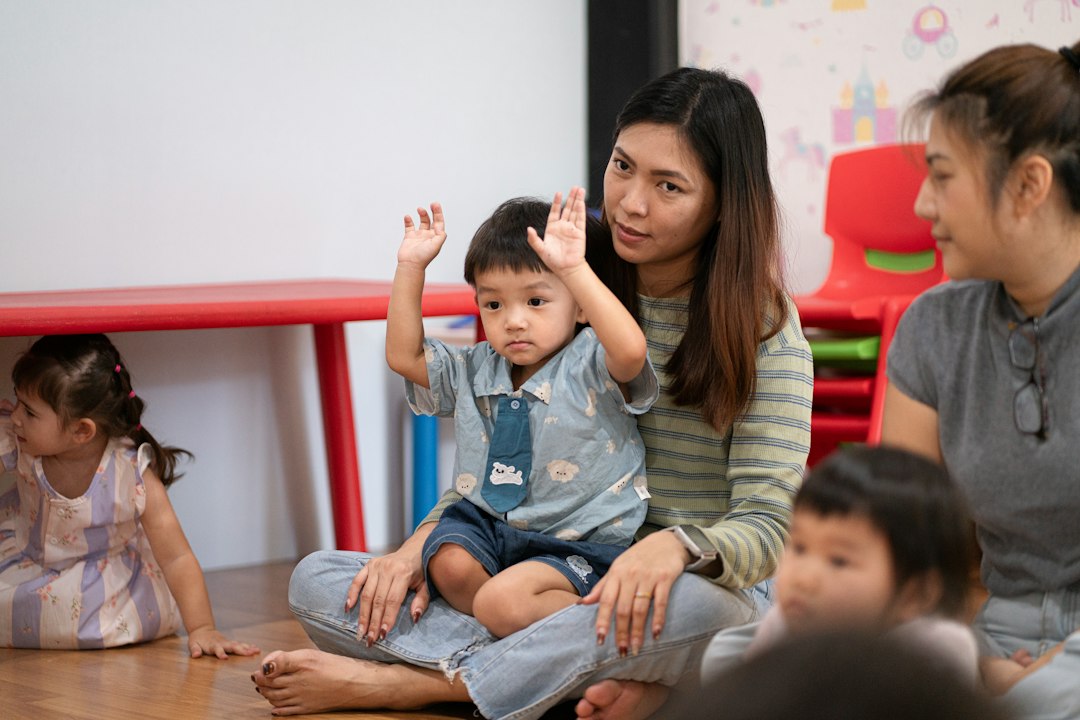
Emotional Development
A kindergarten classroom brings new experiences, routines and expectations. Children need time to learn how to manage these changes.
Signs of developing emotional readiness include:
- Expressing basic feelings such as happiness, sadness or frustration.
- Beginning to calm down with adult support.
- Coping with short periods away from parents or caregivers.
- Accepting simple boundaries.
- Trying again after a small disappointment.
It is normal for children to feel nervous about starting school. Emotional readiness does not mean never crying or becoming upset. It means gradually developing ways to cope with everyday challenges.
Communication Skills
Children need to communicate with teachers and classmates throughout the day.
Useful communication skills include:
- Understanding simple instructions.
- Answering basic questions.
- Asking for help when needed.
- Expressing basic needs, such as needing the toilet or feeling thirsty.
- Participating in simple conversations.
A child does not need perfect speech or advanced vocabulary before kindergarten. Being able to communicate needs and understand everyday instructions is more important.
Independence and Self-Care
Kindergarten introduces routines that children are expected to manage with increasing independence.
A child who is developing self-care skills may be able to:
- Wash and dry their hands.
- Eat independently.
- Use the toilet with an age-appropriate level of independence.
- Put on and take off simple clothing.
- Recognise and look after their own belongings.
- Ask an adult for help when necessary.
These abilities can make the transition to school easier. Children may still need reminders and occasional assistance, which is perfectly normal.
Attention and Following Instructions
Kindergarten activities often involve listening to a teacher, joining a group activity and completing simple tasks.
Children gradually develop the ability to:
- Listen to a short story.
- Follow one- or two-step instructions.
- Sit for a short activity.
- Move from one activity to another with guidance.
- Stay interested in an activity for a reasonable period.
Attention spans vary considerably at this age. Parents should not expect young children to sit still and concentrate for long periods.
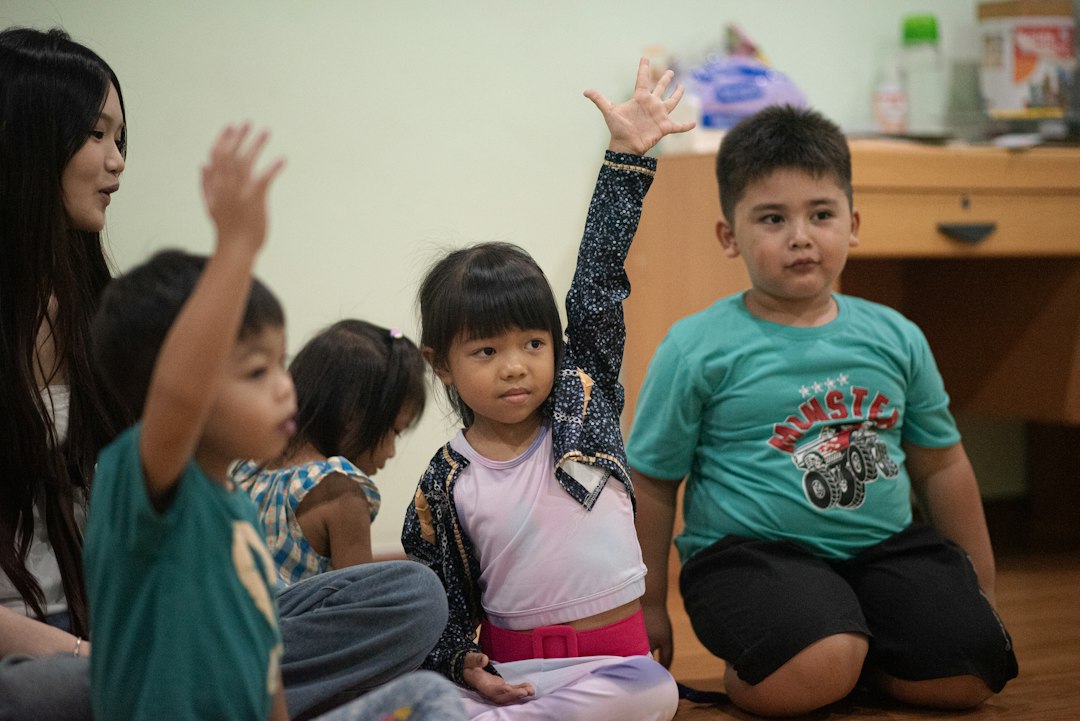
Academic Skills Children Should Develop Before Kindergarten
Children do not need formal academic knowledge to be ready for kindergarten. Early learning should mainly happen through play, conversation, books and everyday experiences.
However, some basic skills can help children feel more confident when they enter the classroom.
Early Literacy and Language
Before kindergarten, children can begin developing an interest in language and books.
Helpful early literacy experiences include:
- Listening to stories.
- Recognising their own name.
- Looking at pictures and describing what they see.
- Recognising some letters, especially those in their name.
- Understanding that books contain stories and information.
- Enjoying rhymes, songs and word games.
Reading independently is not a requirement for starting kindergarten.
Numbers and Counting
Everyday activities can help children become familiar with numbers and basic mathematical ideas.
Children may begin to:
- Count small groups of objects.
- Recognise some numbers.
- Compare quantities such as more and less.
- Understand basic concepts such as big and small.
- Sort objects by size, shape or color.
For example, counting fruit while preparing a snack or counting toys during tidying up can make early maths enjoyable.
Colors, Shapes and Patterns
Recognising colors, shapes and simple patterns helps children develop observation and early problem-solving skills.
Parents can encourage these skills by asking children to:
- Identify common colors.
- Recognise basic shapes such as circles, squares and triangles.
- Sort objects by color or shape.
- Complete simple repeating patterns.
- Find similarities and differences between objects.
Fine Motor Skills
Fine motor skills involve using the small muscles in the hands and fingers. They are important for drawing, handling classroom materials and eventually learning to write.
Useful activities include:
- Drawing and coloring.
- Using child-safe scissors with supervision.
- Playing with building blocks.
- Completing simple puzzles.
- Handling crayons and pencils.
- Using play dough.
The aim is to develop coordination and confidence, not perfect handwriting.
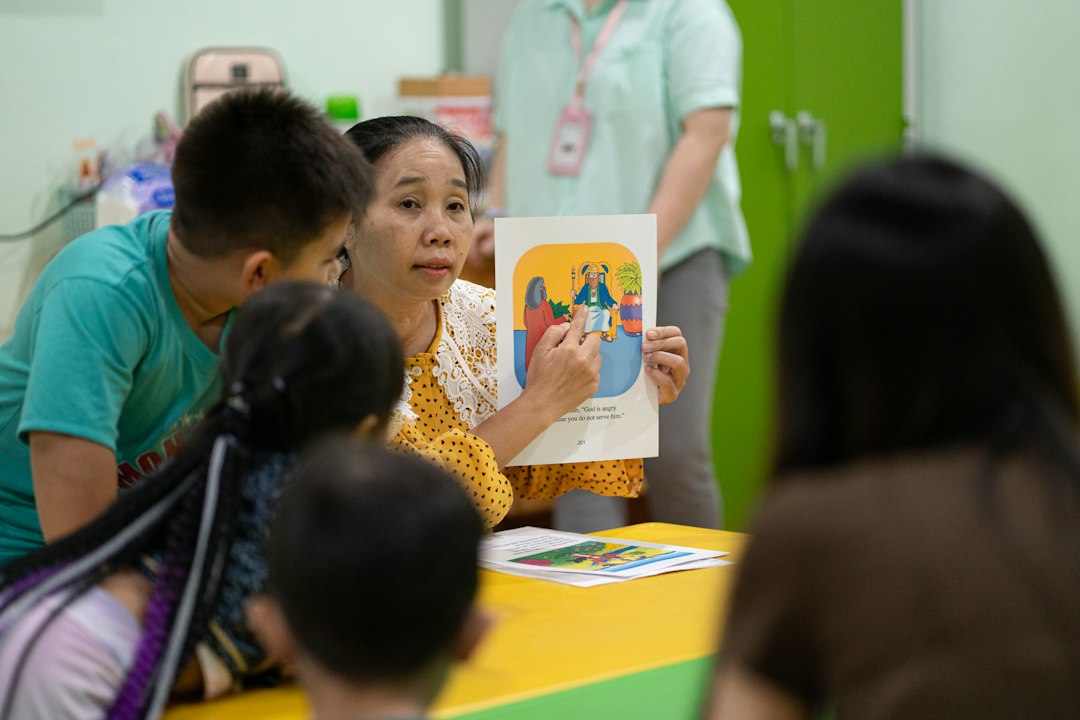
How to Prepare Your Child for Kindergarten
Preparing for kindergarten does not need to involve formal lessons or intensive practice. Everyday routines and positive experiences can help children develop the skills they need.
Establish a Consistent Daily Routine
A predictable routine can make the transition to school easier.
Try to establish regular times for waking up, eating breakfast, getting dressed, playing and learning, having quiet time and going to bed.
A consistent bedtime is particularly important because children need enough sleep to manage the demands of a school day.
Read Together Every Day
Reading together is one of the simplest ways to support language development and early literacy.
Choose age-appropriate books for kids and encourage your child to talk about the story. Ask questions such as: What do you think will happen next? How does the character feel? What can you see in this picture?
The goal is to make reading an enjoyable shared activity rather than a test.
Encourage Learning Through Play
Play helps children develop creativity, problem-solving, communication and social skills.
You can support learning through building towers with blocks, sorting toys by color or size, completing puzzles, playing simple board games, drawing and painting, and pretend-playing school, shopping or cooking.
These activities help children practise important skills naturally.
Practise Independence
Give your child opportunities to complete small tasks independently. Encourage them to put away toys, choose between two outfits, carry their own backpack, wash their hands, put on their shoes and help prepare simple snacks with supervision.
Allow enough time for children to try. Doing everything for them may be quicker, but practising independence builds confidence.
Help Your Child Become Comfortable with Group Activities
If possible, arrange opportunities to spend time with other children. Playdates, playground visits, group activities and library story sessions can help children practise sharing, taking turns and following simple group routines.
These experiences can also make unfamiliar social situations feel less intimidating.
Talk Positively About Starting School
Children often take emotional cues from their parents. Talking positively about kindergarten can help them feel more comfortable.
Explain what a typical school day might look like. Talk about meeting teachers, making friends, reading stories, playing and discovering new things.
If your child is nervous, listen to their concerns rather than dismissing them. Reassure them that it is normal to feel uncertain about something new.
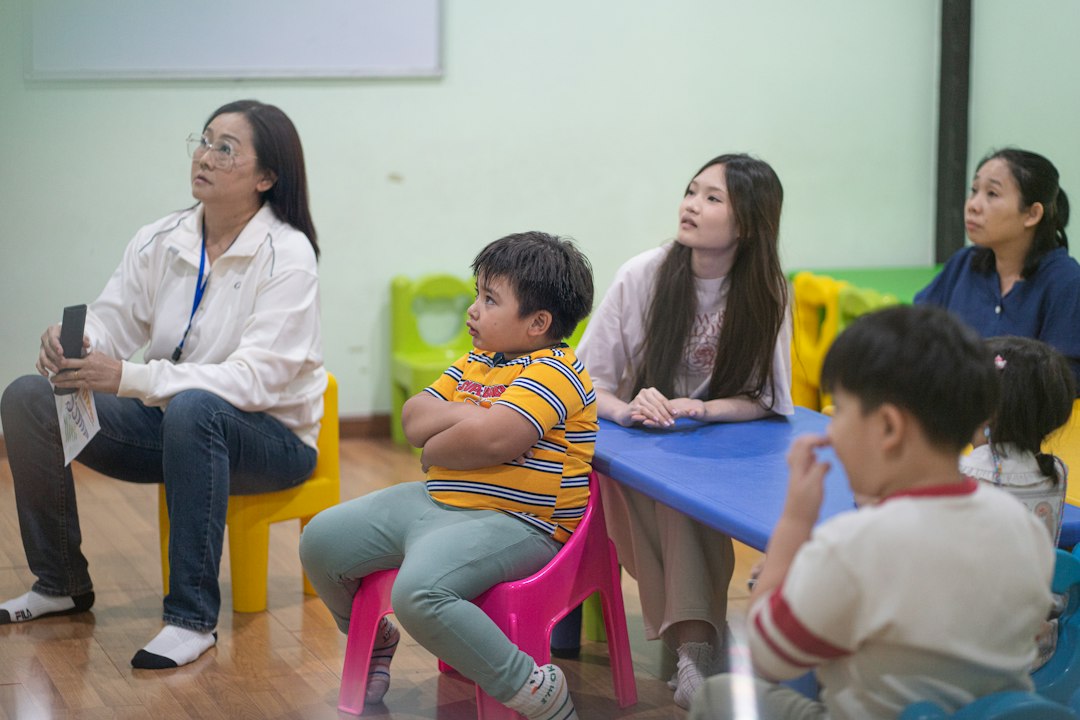
What If Your Child Is Not Ready Yet?
Not every child develops at the same pace, and some children need more time before beginning a structured school environment.
If your child struggles with separation, communication, self-care or group activities, this does not automatically mean they are not ready for kindergarten.
Start by speaking with their preschool teacher or another professional who knows their development.
It may help to identify specific areas where your child needs support and practise those skills through everyday activities.
If you have ongoing concerns about speech, development, behaviour or emotional well-being, discuss them with an appropriate healthcare or child development professional.
The decision about school entry should take into account your child’s individual needs as well as the official age requirements in your country.
Helping Your Child Start Kindergarten With Confidence
Kindergarten readiness is not about being able to read, write or count perfectly before the first day of school. It is about developing the social, emotional, communication and practical skills that help children participate in a new environment.
Parents can make a meaningful difference through simple daily routines, shared reading, play, conversations and opportunities to practise independence.
Most importantly, remember that every child develops at their own pace. The aim is not to prepare a child to be perfect on their first day, but to help them feel safe, curious and confident enough to learn.
Sources
- Turkey – Ministry of National Education (MEB): Frequently Asked Questions
- Turkey – Ministry of National Education (MEB): 2026–2027 School Year Family Education Bulletin
- England – GOV.UK: School Starting Age
- France – Ministry of National Education: Enrolling in École Maternelle
- Australia – Australian Bureau of Statistics: Preschool Education Methodology, 2025
- OECD: Education at a Glance 2026
Classroom photographs: Unsplash contributors Ahmadreza Rezaie, AMONWAT DUMKRUT and others. Images sourced via Unsplash.