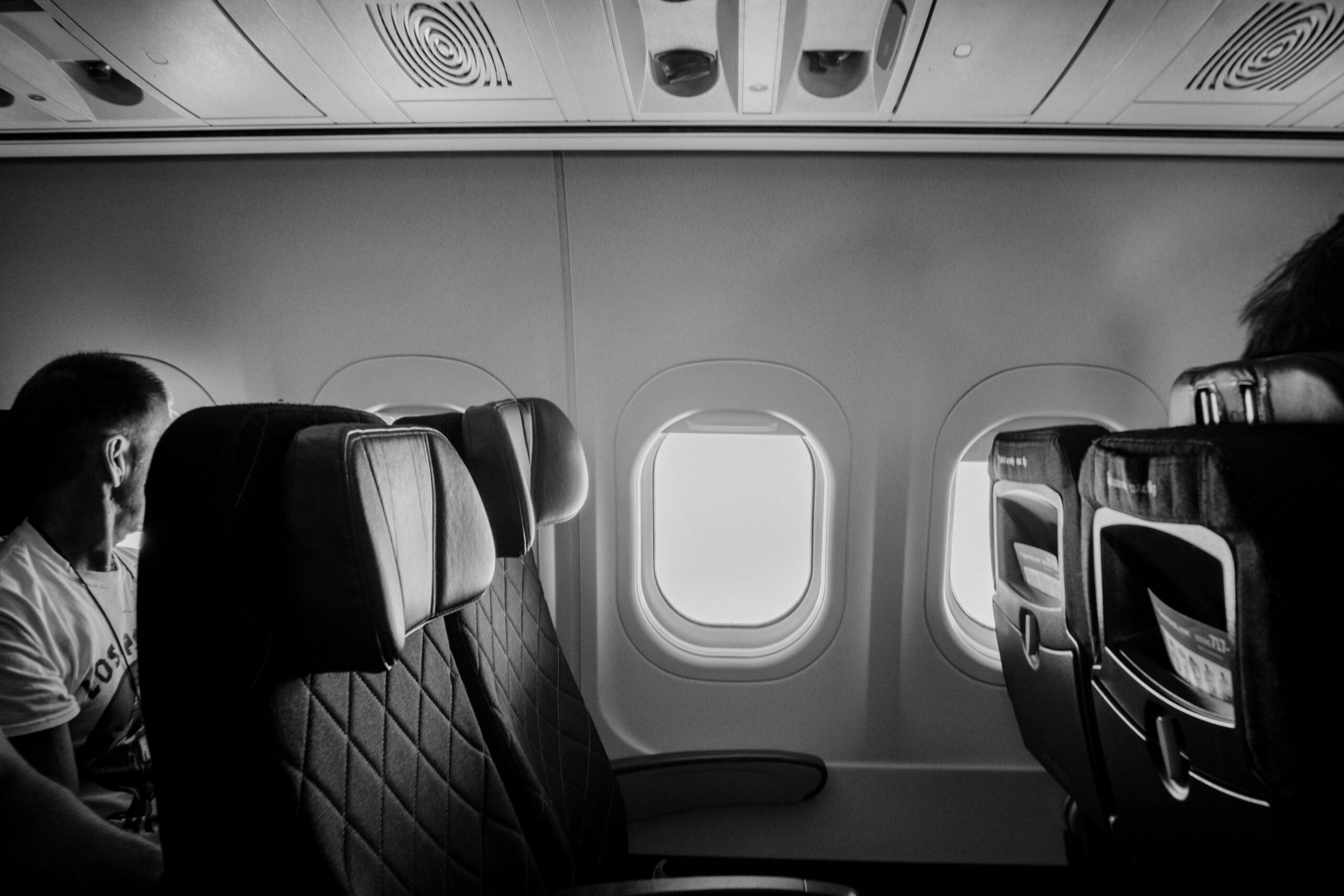
Flying with children can be an exciting start to a family adventure, but it can also feel overwhelming. From packing hand luggage and navigating airport security to managing tired little travelers on board, even a short flight takes some planning.
The good news is that you don’t need to plan every minute. A few practical preparations, realistic expectations, and activities suited to your children’s ages can make a big difference. Whether you’re flying with a toddler or preparing for a long-haul family holiday, these 25 tips can help make the journey smoother.
Table of Contents
Before You Leave for the Airport
At the Airport
On the Plane
Keeping Kids Comfortable and Entertained
Long-Haul Flights and Sleep
Landing and Arrival
Before You Leave for the Airport
1. Choose flight times that suit your family
When comparing flights, consider your children’s usual sleep schedules, not just the ticket price. A flight that overlaps with nap time may work for some toddlers, while an early departure may suit children who wake up naturally in the morning. For long-haul flights, consider the arrival time, time-zone difference, and how much rest everyone will need afterward.
2. Check travel documents in advance
Check passports, visas, entry requirements, and airline documentation rules well before departure. Some destinations require passports to remain valid for a specified period beyond the travel dates. If a child is traveling with only one parent or another adult, check whether the destination or airline requires additional consent documents. Requirements vary by country.
3. Book seats strategically
If sitting together matters to your family, review the airline’s seating policy before booking. Some airlines charge extra for advance seat selection. If you’re traveling with a baby, ask whether bassinets are available and whether they must be requested in advance. Availability, weight limits, and installation rules vary by airline.
4. Pack a dedicated kids’ travel bag
Give each child an age-appropriate bag if they can carry one comfortably. Include a change of clothes, a small toy or comfort item, coloring materials, child-sized headphones, snacks, and a refillable water bottle to fill after security where permitted. For a fuller checklist, see our family travel packing list.
5. Prepare for airport security
Check current rules for liquids, baby food, milk, strollers, and electronic devices. Pack items so they are easy to access during screening, and allow extra time if you are traveling with a stroller or baby carrier.
At the Airport
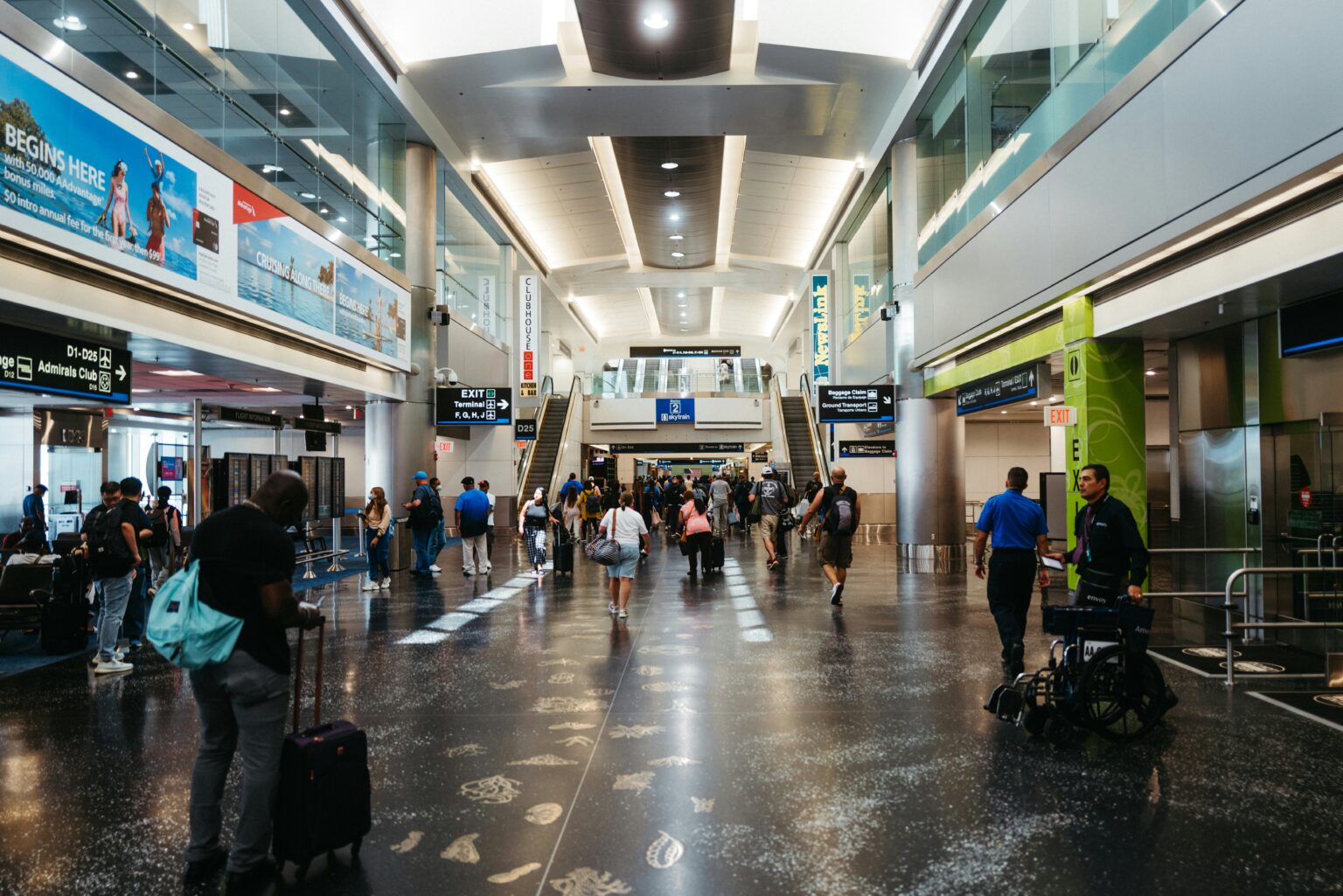
6. Arrive with enough time
Follow your airline’s recommended arrival time and add a buffer for your family’s needs. Parking, checking bags, restroom breaks, finding the gate, and buying snacks can all take longer with children, especially during school holidays.
7. Explain what will happen
Airports can be noisy and confusing. Explain the main steps before you arrive: check-in, security, waiting at the gate, boarding, and wearing a seat belt. For younger children, turn the process into a simple game by finding departure screens or counting airplanes together.
8. Let kids move before boarding
If time and airport facilities allow, let children walk around, visit a play area, or stretch their legs before boarding. Keep an eye on boarding announcements and stay within your designated waiting area.
9. Use family facilities
Check whether your airport has play areas, nursing rooms, baby-changing facilities, or family security lanes. These services are not available everywhere. If you have a stroller, confirm where it must be checked and whether you can use it until the aircraft door.
10. Have a simple snack plan
Pack familiar snacks that travel well and meet security and destination rules. For international trips, remember that some countries restrict fresh fruit, meat, dairy products, and other food items at the border.
On the Plane
11. Board when it works best for you
Some families prefer early boarding to settle in; others let children move around the gate for as long as possible. Check your airline’s family boarding policy and choose the approach that best suits your children.
12. Dress in comfortable layers
Cabin temperatures can vary, so dress children in layers that are easy to add or remove. Soft clothing, familiar shoes, and spare socks can make the journey more pleasant. Choose outfits that are easy to manage during bathroom visits.
13. Help with ear pressure during takeoff and landing
Changes in cabin pressure can cause ear discomfort. Swallowing may help, so offer a drink, breastfeeding, or a pacifier when appropriate during ascent and descent. Older children can try sipping water. If your child has an ear infection or a history of significant ear pain, ask a healthcare professional for advice before flying. Don’t give medication solely to make a child sleep unless a qualified clinician recommends it.
14. Keep essentials within reach
Place wipes, tissues, snacks, a spare outfit, comfort items, and necessary medication in an accessible personal bag under the seat, where permitted. Keep important medicines in their original packaging when possible and check rules for carrying them through security and across borders.
15. Follow airline safety instructions
Listen to the cabin crew and follow instructions about seat belts, baggage storage, and approved child restraints. If you plan to use a child safety seat, confirm in advance that it is approved for aircraft use and compatible with the airline’s requirements. Never assume an ordinary car seat can automatically be used on a plane.
Keeping Kids Comfortable and Entertained
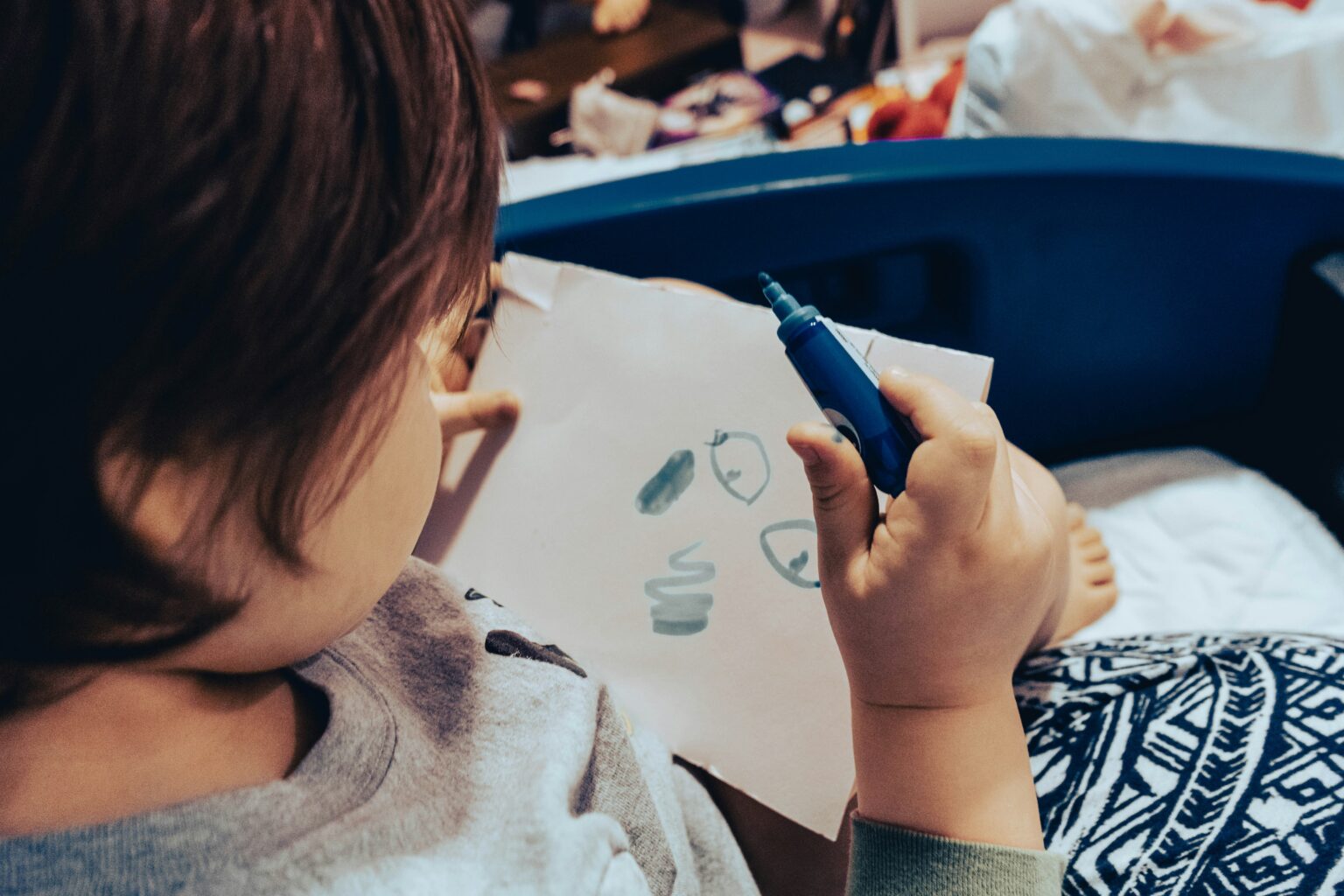
16. Pack a small activity kit
You don’t need a suitcase full of toys. A few lightweight, quiet activities can keep children engaged without taking up much space. Try reusable sticker books, coloring books and pencils, small puzzles, travel games, or a notebook for drawing and travel journaling. Choose activities that match your child’s age and interests, and introduce them one at a time.
17. Download entertainment before departure
Airport and in-flight Wi-Fi may be unreliable, unavailable, or expensive. Download age-appropriate films, episodes, audiobooks, music, or games before leaving home. Check that downloads work offline and that your devices have enough storage. Pack child-sized headphones if your child is comfortable wearing them.
18. Bring familiar comfort items
A favorite small toy, blanket, or soft comfort item can help a child feel secure in an unfamiliar environment. Keep important items in your personal bag rather than checked luggage, especially if your child relies on one to fall asleep.
19. Set realistic screen-time expectations
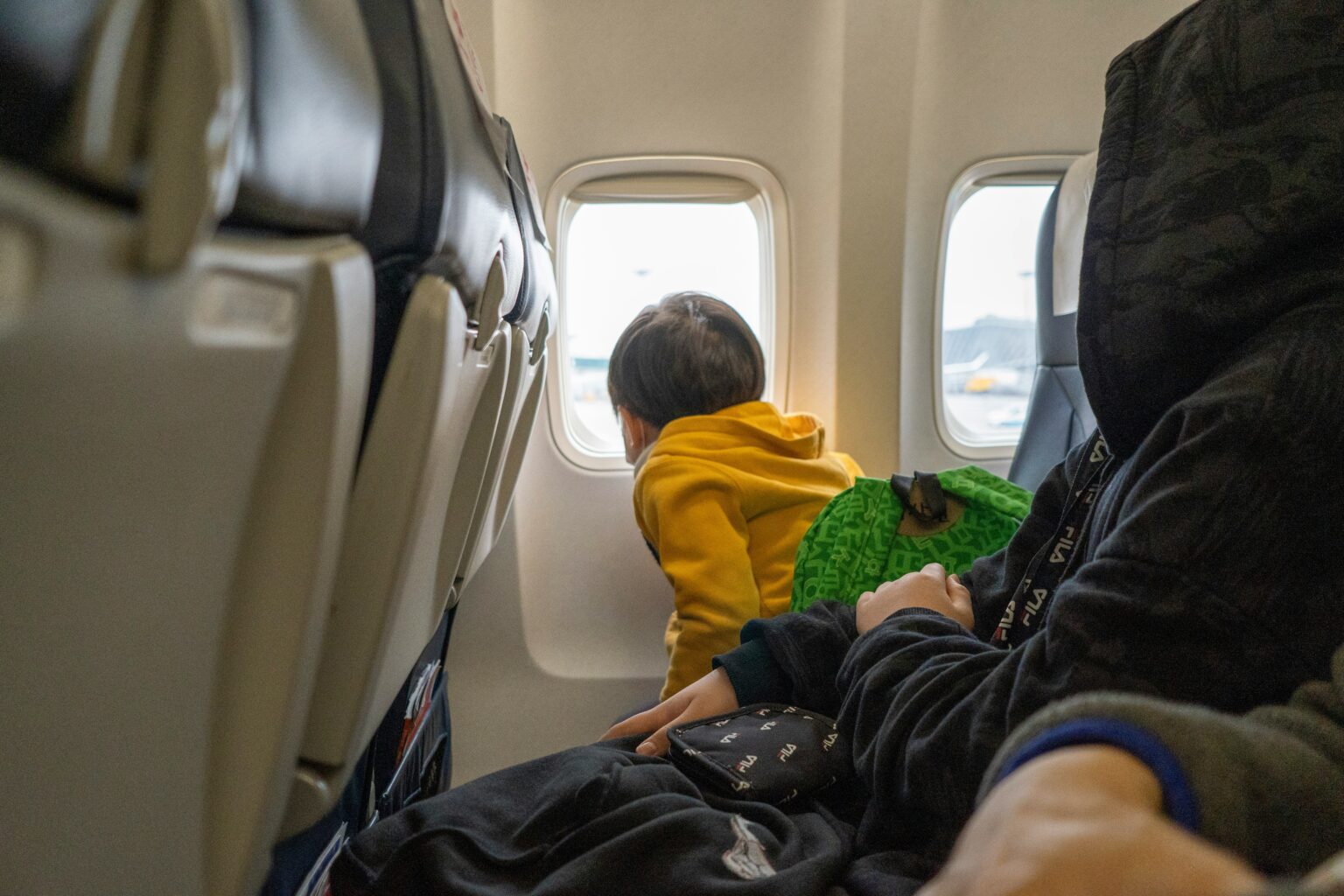
A flight may not be the best moment to enforce your usual screen-time routine. Downloaded entertainment can be a practical tool for keeping children occupied. Balance it with snacks, conversation, drawing, looking out of the window, and rest. Aim for a comfortable journey rather than a perfect schedule.
20. Expect some restlessness
Children may become bored, tired, or frustrated, even when you’ve planned carefully. Short walks may be possible when the seat-belt sign is off and the crew permits movement, but safety instructions always come first. A little flexibility can make the flight easier for everyone.
Long-Haul Flights and Sleep
21. Think about sleep, but stay flexible
For overnight flights, bring familiar sleep items if space allows. Comfortable clothes, a small blanket, and a favorite soft toy may help children settle. Airplane sleep can be unpredictable because of noise, lighting, excitement, and unfamiliar surroundings. If children don’t sleep as expected, stay calm and adjust your plans after arrival.
22. Plan for jet lag
Gradually adjusting sleep and meal times before departure may help some families crossing time zones. After arrival, use local daylight and ordinary daytime activities to help everyone adapt. Keep the first day flexible if possible, rather than planning a demanding sightseeing schedule after an overnight flight.
23. Stay hydrated and offer regular snacks
Air travel can disrupt normal eating and drinking routines. Offer water regularly and bring snacks your children already enjoy. If your child has specific dietary needs or allergies, plan ahead and check what the airline can provide rather than relying on the onboard meal.
24. Prepare for delays and unexpected changes
Keep a reserve of snacks, entertainment, essential medicines, and spare clothing in your hand luggage. A delay can turn a short journey into a long day. Save the airline’s contact details and check its official guidance if a flight is delayed or canceled. Consider travel insurance that fits your family’s needs.
Landing and Arrival
25. Keep the first day simple
After landing, allow time for immigration, baggage collection, transportation, and finding your accommodation. Children may be tired, hungry, or overstimulated. If possible, plan an easy first meal and a relaxed activity near your hotel instead of a packed itinerary. Once everyone has rested, you’ll be in a better position to start exploring.
Final Thoughts: A Better Flight Starts with Flexible Planning
Flying with kids may take extra preparation, but it doesn’t have to be stressful from beginning to end. Choose flights that suit your family where possible, pack essentials in an accessible bag, prepare a few quiet activities, and leave room for unexpected changes.
Every child travels differently. Some will sleep through a flight, while others will need more reassurance and entertainment. A realistic plan, patience, and a flexible attitude can help your family arrive ready for the adventure ahead. Safe travels!
Leave a Reply