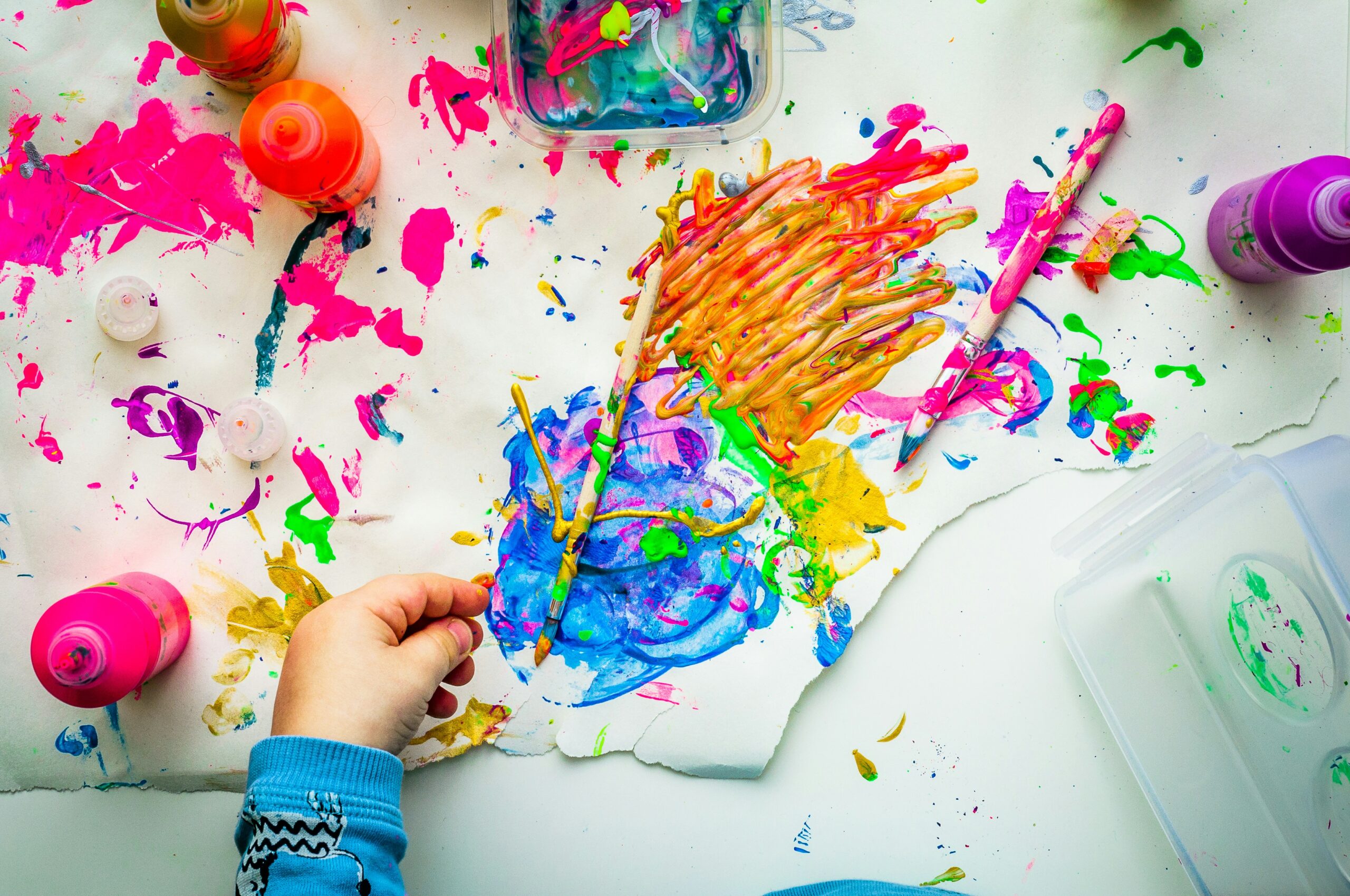
Ask an adult to draw a cat, and you will probably get a cat. Ask a young child, and you might get a purple creature with seven legs, wings, three tails, and a tiny house on its head. The child will explain exactly why every detail belongs there.
That is the wonderful thing about children’s creativity. They experiment, combine unexpected ideas, and turn ordinary materials into something entirely their own. These 30 projects are ideas to try at home or school—not claims that particular children made the pictured artworks.
In This Article
- 1. The Cardboard Robot
- 2. A Self-Portrait With a Twist
- 3. The World’s Most Improbable Animal
- 4. A City Built From Recycled Materials
- 5. Paintings Made With Unexpected Tools
- 6. The Sock Puppet With a Strong Personality
1. The Cardboard Robot That Can Do Everything
Use clean cardboard boxes, paper cups, and paint to build a robot. Give it a name and three unusual abilities: perhaps it cleans bedrooms, travels to Mars, or makes pancakes while everyone sleeps.
2. A Self-Portrait With a Twist
Invite children to portray themselves as a superhero, astronaut, animal, or magical character. The aim is personal expression, not realistic proportions.
3. The World’s Most Improbable Animal
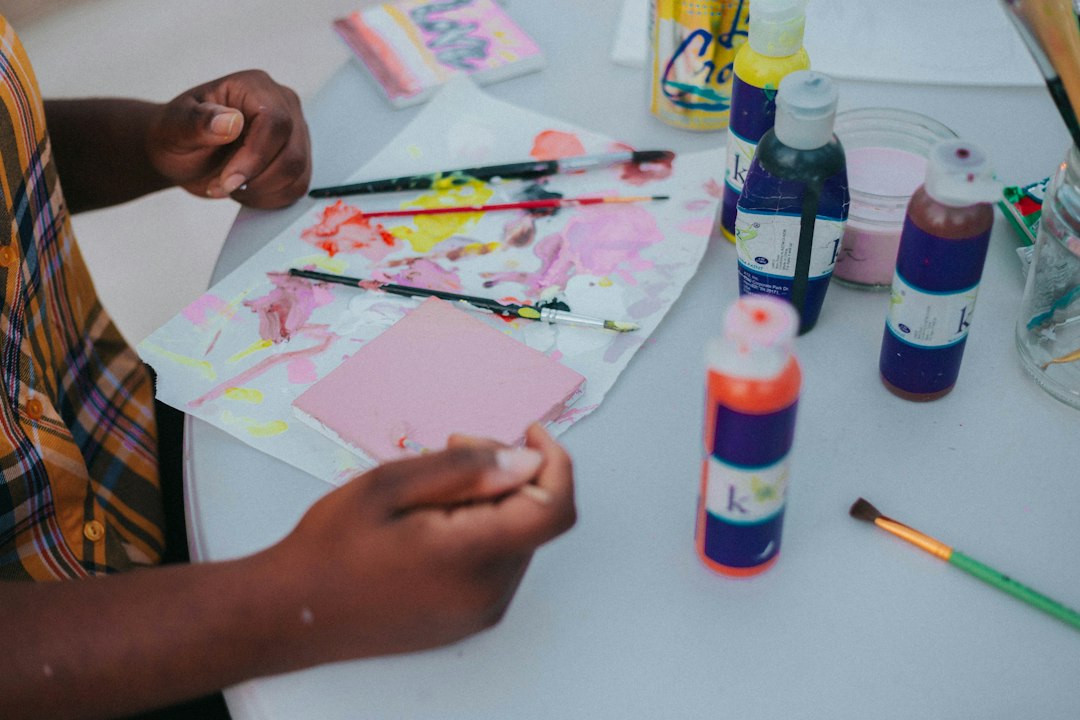
Combine a giraffe, octopus, and butterfly into one imaginary creature. Ask where it lives, what it eats, and whether it has unusual talents.
4. A City Built From Recycled Materials
Clean cardboard packaging and paper tubes can become houses, bridges, parks, and shops. Supervise cutting and avoid sharp or unstable components.
5. Paintings Made With Unexpected Tools
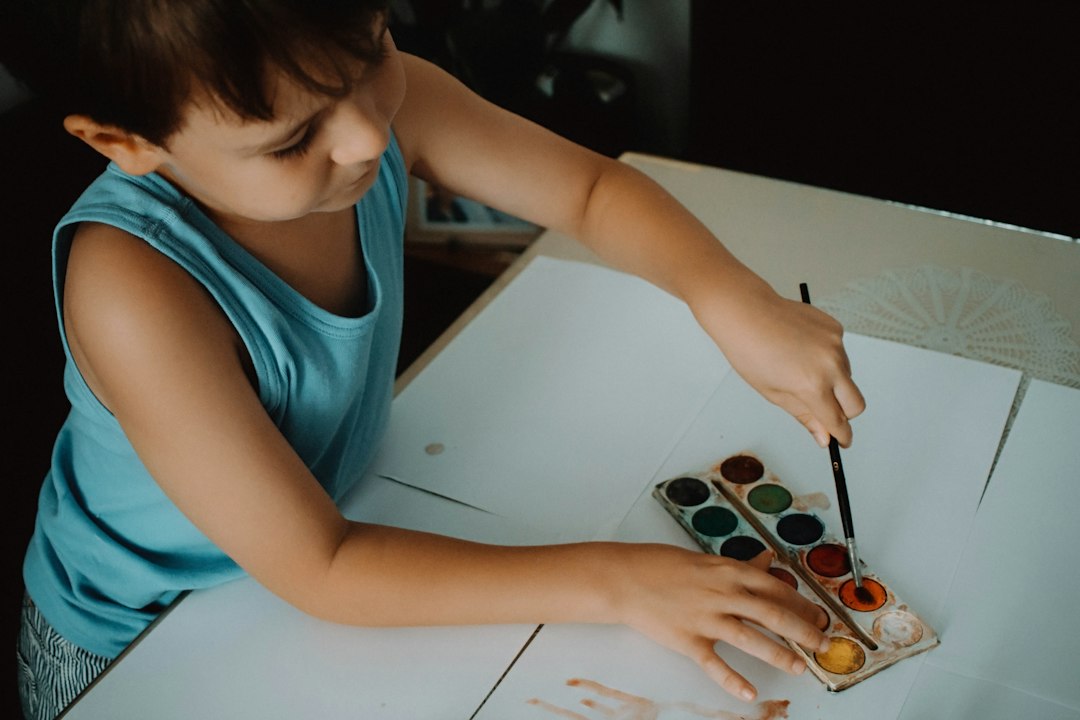
With washable, child-safe paint, experiment with sponges, cardboard shapes, and textured rollers. Protect the work surface and choose age-appropriate materials.
6. The Sock Puppet With a Strong Personality
A clean old sock can become a character with a name and dramatic backstory. Use safe decorations and avoid detachable small parts for young children.
7. A Museum of Tiny Treasures
Arrange safe, appropriate finds such as stones or fallen leaves into a miniature museum. Children can create labels and explain why each item is special. Avoid unknown plants and protected natural areas.
8. A Painting That Tells a Secret Story
Invite children to paint a scene with a secret: perhaps a dragon lives inside a tree or a hidden door leads to another world. Ask them to explain the picture.
9. Jewelry for an Imaginary Royal Family
Paper, large age-appropriate beads, and colorful string can become accessories for a fictional kingdom. Small beads and cords are unsuitable for children who may put them in their mouths or become entangled.
10. A Family Portrait Featuring Alter Egos
Imagine everyone in the family has a secret identity: a superhero chef, an underwater explorer, or a pet who is the mayor of a distant planet.
11. Sculptures Made From Salt Dough
Salt dough can be used for ornaments and small sculptures. It is not edible, and its high salt content can be dangerous if swallowed in quantity. Keep it away from pets and supervise children; consider age-appropriate modeling materials instead.
12. A Colorful Paper Collage
Combine colored paper and suitable magazine cutouts to make a landscape, portrait, or abstract composition. Children can rearrange shapes before gluing them down.
13. A Tiny House for an Imaginary Creature
Use cardboard and safe craft materials to design a miniature home. Ask children to include somewhere to sleep, somewhere to eat, and perhaps a secret entrance.
14. An Abstract Painting Inspired by Music
Play instrumental music and invite children to paint what they hear. Fast rhythms may inspire energetic lines, while slower music could lead to softer shapes.
15. A Comic Book About an Ordinary Day
Turn a school day or trip to the park into a comic. Divide paper into panels and use drawings and speech bubbles to tell the story.
16. The World’s Smallest Restaurant
Create a pretend restaurant with paper menus and toy food. Children can invent dishes such as moon-shaped pancakes or rainbow soup and practice early writing and counting.
17. A Sculpture That Moves in the Wind
Make a hanging decoration from lightweight paper shapes and suitable materials. Display it safely, away from babies and young children who could reach cords.
18. A Portrait Made Entirely of Shapes
Challenge children to create a face using circles, triangles, squares, and rectangles. Changing the size or position of a shape can change the expression.
19. A Fantasy Map of an Imaginary World
Draw a world with chocolate mountains, singing trees, and a city reached only by flying. Add place names, a compass, and hidden treasure.
20. A Museum of Funny Inventions
Ask children to invent a machine that folds laundry, finds missing socks, or makes breakfast. The model need not work; the goal is creative problem-solving. Adults should supervise any tools or moving parts.
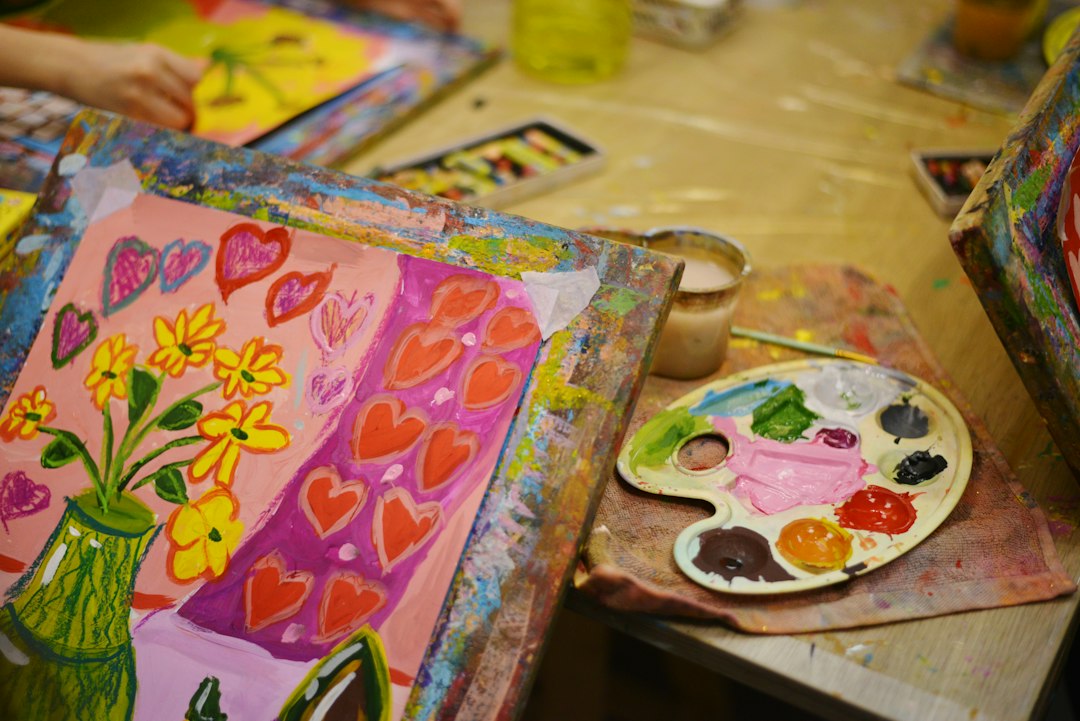
21. A Garden Painted on Paper
Design a garden filled with flowers that do not exist in nature. Some might have striped petals, glow in the dark, or produce music when it rains.
22. A Shadow Drawing
Trace the shadow of a suitable toy and turn the outline into something unexpected. Use a safe light source and never direct bright lights toward anyone’s eyes.
23. A Personalized Storybook
Create a short book with a cover, title, illustrations, and a story. An adult can write down the words while the child supplies the ideas and pictures.
24. A Color Hunt Turned Into Art
Choose a color and find safe objects that match it. Arrange the objects into a temporary picture or use them as inspiration for a drawing. Consider allergies and plant safety.
25. A Costume Designed by Its Future Owner
Invent an original costume such as a weather wizard or time-traveling gardener. Use comfortable materials and avoid masks or accessories that block vision or breathing.
26. An Animal Made From Handprints
With washable, child-safe paint, a handprint can become a bird, butterfly, or imaginary creature. Use products suitable for the child’s age and skin.
27. A Recycled-Material Fashion Show
Use clean paper, cardboard, and fabric scraps to design accessories or costumes. Avoid plastic bags, sharp fasteners, and anything that restricts movement or breathing.
28. A Painting That Changes With the Seasons
Create one tree drawing and revisit it throughout the year. Add spring blossoms, summer leaves, autumn colors, and winter snow.
29. A Collaborative Family Masterpiece
Spread a large sheet of paper on a protected surface and invite everyone to contribute. Agree on simple rules, such as asking before drawing over another person’s work.
30. The Artwork That Makes Sense Only to Its Creator
Sometimes a picture looks like a jumble of lines and colors to adults, while the child knows that the green circle is a planet and the purple marks are thunder. Instead of asking what it is supposed to be, try asking, “Can you tell me about your picture?”
Why Children’s Creativity Deserves Room to Grow
Art gives children opportunities to make choices, experiment with materials, express ideas, and learn how to respond when something does not turn out as expected. Adults can help by providing safe materials, allowing time, and showing interest in the process rather than judging every result.
The Best Art Gallery Might Be Your Refrigerator
A child’s artwork can be funny, messy, surprising, or mysterious. Display a few favorites, photograph projects that are difficult to keep, or create a small rotating gallery at home.
What is the funniest, strangest, or most imaginative thing a child in your family has ever created?
Leave a Reply