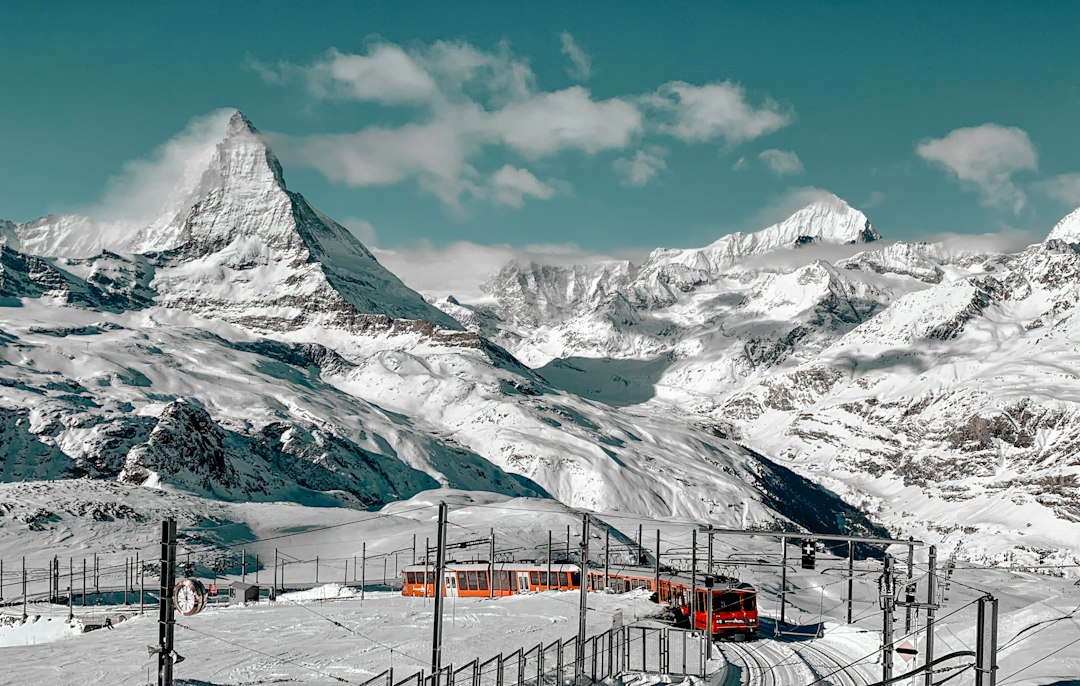
Travelling by train lets families enjoy the journey instead of managing airport queues, security and transfers. With a little planning, an Interrail trip can combine big-city highlights, lakes, mountains and seaside stops without changing hotels every night.
How to plan a family rail trip
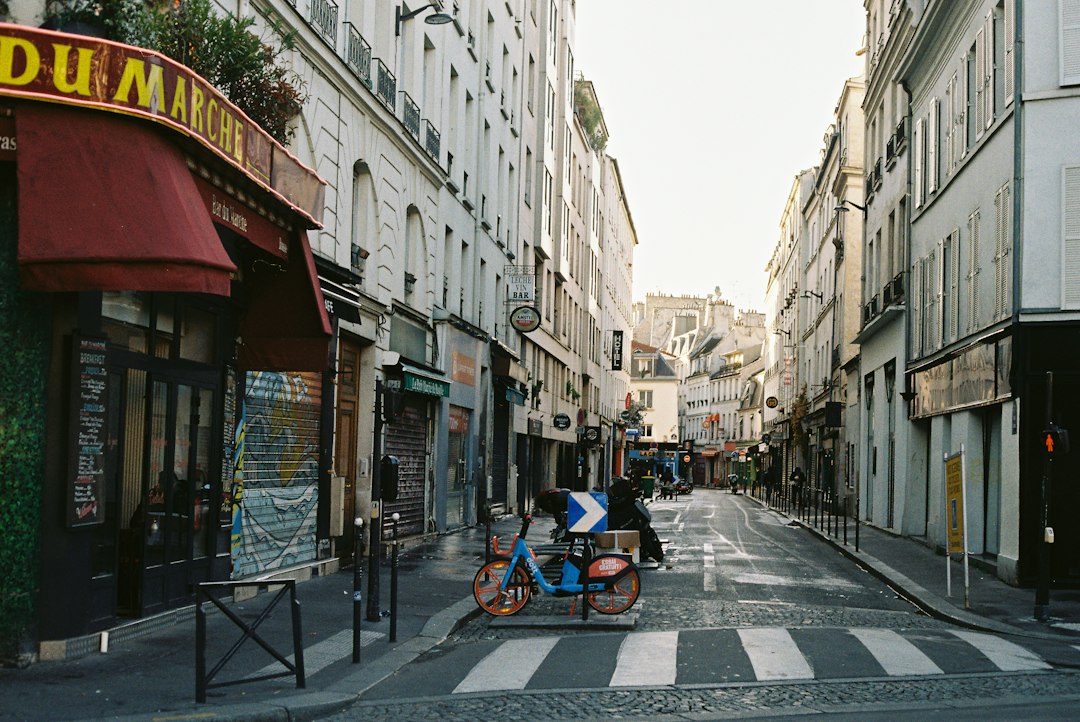
Keep the route simple: two to four bases over one or two weeks is often more relaxing than a new city every day. Check whether reservations are compulsory on your chosen trains, and compare the pass cost with point-to-point tickets before buying. Children’s pass rules and discounts depend on age and current offer terms, so verify them directly with Interrail.
Route 1: Amsterdam – Cologne – Rhine Valley
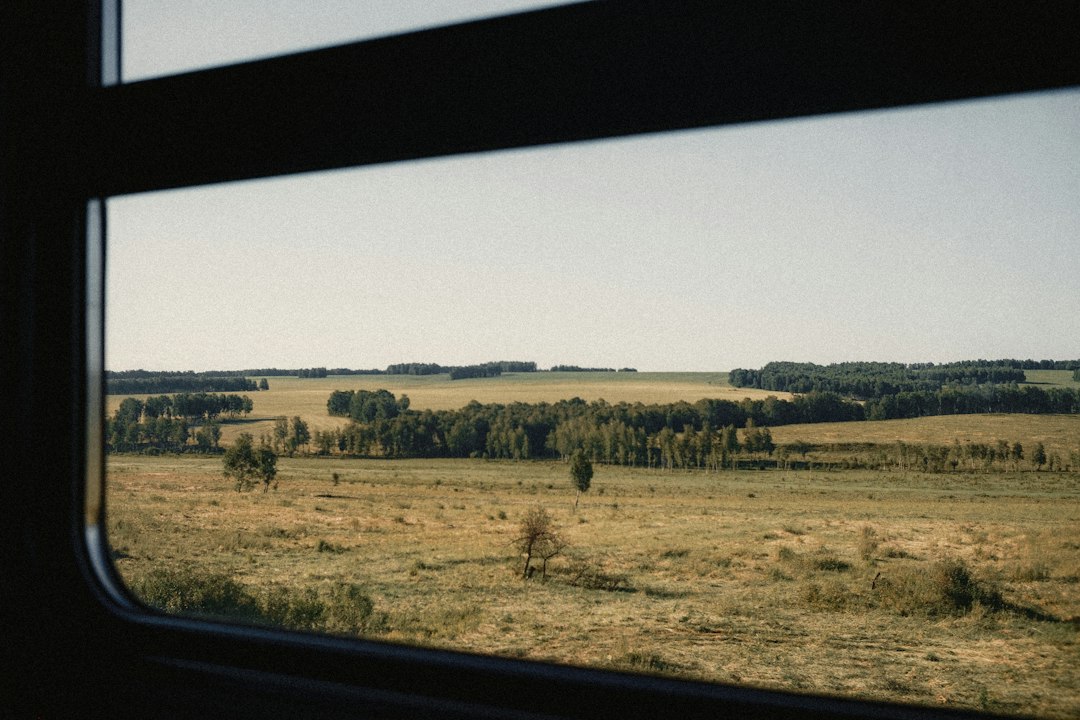
Suggested length: 6–8 days. Begin with canals, museums and parks in Amsterdam, continue to Cologne for its cathedral and riverside walks, then spend a few days near the Rhine for castles and boat trips. It is a good first route because the stops are relatively close together and the scenery changes quickly.
Route 2: Munich – Salzburg – Vienna
Suggested length: 7–9 days. Munich offers parks and museums, Salzburg brings a compact old town and mountain views, and Vienna adds palaces, playgrounds and excellent public transport. This route works well for families who want culture without long travel days.
Route 3: Zurich – Lucerne – Milan
Suggested length: 6–8 days. Enjoy lakefront walks and mountain excursions around Lucerne before heading south through dramatic Alpine scenery toward Milan. Check the specific train route and reservation requirements; not every scenic service is covered in the same way by every pass.
Route 4: Paris – Strasbourg – Basel
Suggested length: 6–8 days. Start with a few days in Paris, slow down in Strasbourg’s canals and half-timbered streets, then finish in Basel with museums and riverside paths. This route mixes famous sights with smaller-city breaks.
Route 5: Copenhagen – Hamburg – Berlin
Suggested length: 7–9 days. Pair Copenhagen’s waterfront and parks with Hamburg’s harbor and Berlin’s history, museums and playgrounds. Check cross-border schedules and any required reservations, especially during school holidays.
Family train travel checklist
- Book seats together where reservations are available or required.
- Choose trains with manageable departure times and avoid very tight connections.
- Pack snacks, refillable water bottles, cards or small games, and headphones.
- Use one main suitcase per adult if possible; stairs and platforms can be busy.
- Build in a rest day after two or three travel days.
- Check luggage rules, accessibility and station elevator information.
Is an Interrail pass worth it for families?
It depends on the route, train type, booking fees and how far ahead you buy tickets. Make a sample itinerary and price the same journeys individually before committing. A pass offers flexibility, but compulsory reservations can add cost and reduce spontaneity on popular routes.
Frequently asked questions
How many hours should children travel by train in one day?
There is no universal limit, but shorter travel legs and a planned break usually make the trip easier. Try to keep the longest journey to a day when you have no major activity booked afterward.
Do children need their own Interrail pass?
Eligibility for child passes and free travel depends on age and current Interrail rules. Confirm the current terms before booking.
Should we reserve seats?
For popular routes, holiday periods and family groups who want to sit together, reservations are often worth considering and may be compulsory.
For easier city stops, see our guide to stroller-friendly European cities.
Four family-friendly Interrail itineraries in more detail
Route 1: Amsterdam, Cologne and the Rhine Valley — 6 to 8 days
Best for: first-time family rail travellers, canal-side walks, castles and a manageable mix of city and countryside.
- Days 1–3: Amsterdam. Keep the first day light after arrival: take a canal-side walk, explore a neighbourhood and leave room for an early night. On the next days, choose one major activity at a time—such as a science museum, a boat trip or a large park—and balance it with playground stops. Reserve timed-entry attractions in advance when needed.
- Days 4–5: Cologne. Visit the cathedral area, walk along the Rhine and take a relaxed break in a park. Cologne works well as a short city stop rather than a packed checklist. Check the opening times of museums and family attractions before travelling.
- Days 6–8: Rhine Valley. Base yourselves in one riverside town and explore nearby villages, viewpoints or castles. Boat services and seasonal attractions may run on limited schedules, so check dates before building the day around them. If your family prefers less packing, use the Rhine Valley as a day trip from one base.
Make it easier: Amsterdam and Cologne are popular destinations, so book accommodation early for school holidays. The Rhine Valley section is more enjoyable when you avoid trying to visit several castles in one day.
Route 2: Munich, Salzburg and Vienna — 7 to 9 days
Best for: city parks, music and history, with Alpine scenery along the way.
- Days 1–3: Munich. Give yourselves time for a large park, a market or pedestrian-friendly central streets. Choose one museum or indoor attraction as a weather-proof option. Families with younger children may prefer a relaxed afternoon over adding another distant sight.
- Days 4–5: Salzburg. Explore the compact historic centre, gardens and riverfront at a gentle pace. The city is a good place to slow down between larger destinations. For mountain excursions, check the weather and operating schedules before setting out.
- Days 6–8 or 9: Vienna. Mix grand architecture with green spaces, markets and a child-friendly museum or music-related activity. Vienna has plenty to see, so group activities by neighbourhood rather than crossing the city repeatedly.
Make it easier: This route combines three distinct city experiences without requiring a new hotel every night. If you have only a week, consider two nights in Salzburg and shorten one city stay rather than rushing all three.
Route 3: Zurich, Lucerne and the Swiss Alps — 5 to 8 days
Best for: families who want mountain scenery, lakes and memorable train journeys.
- Days 1–2: Zurich. Use the first day to settle in, walk beside the lake and explore the old town. Keep a flexible plan because Switzerland can be an expensive place to add unplanned activities.
- Days 3–4: Lucerne. Enjoy the lakefront, bridges and compact centre. A boat ride or mountain excursion can be a highlight, but check seasonal timetables, weather and any separate ticket costs before committing.
- Days 5–7 or 8: Choose one mountain or lake region as a base. Avoid changing accommodation every day. Pick excursions that match your children’s ages, walking ability and the forecast; some mountain lifts and services operate seasonally.
Important Swiss budget note: Not every mountain railway, cable car or excursion is necessarily included in a rail pass. Verify each operator’s current pass benefits and calculate the extra cost before you go.
Route 4: Paris, Strasbourg and the Alsace region — 5 to 7 days
Best for: families who want a short trip with a big-city start, storybook towns and regional food.
- Days 1–3: Paris. Choose a small number of priorities, such as a landmark, a boat ride or a museum, and leave time for parks and neighbourhood bakeries. Book timed-entry attractions where required, and avoid scheduling several cross-city journeys on the same day.
- Days 4–5: Strasbourg. Explore the historic centre and canals on foot, with breaks for snacks and play. It makes a calmer base after busy Paris and is well suited to a flexible itinerary.
- Days 6–7: Alsace villages or an extra night in Strasbourg. If you visit nearby villages, check regional train and bus connections in advance; not every small village is served by frequent rail services. Families who prefer fewer transfers can simply stay longer in Strasbourg.
Make it easier: This itinerary is a good choice for a shorter school break. Check the specific train you plan to take between cities, because reservation requirements and journey times vary by service.
How to choose the right route for your family
- Travelling with toddlers: choose fewer bases, short train legs and accommodation within easy reach of the station. A lift, a nearby supermarket and a place to nap can matter more than ticking off every attraction.
- Travelling with primary-school children: combine a headline attraction with hands-on activities, playgrounds, parks or a boat ride. Give children a role, such as choosing one activity or tracking the route on a map.
- Travelling with teenagers: include time for independent interests, street food, photography, sports or a museum they choose themselves. Agree on meeting points and practical phone arrangements before splitting up.
- Travelling with a stroller: check station step-free access, lifts and the accommodation route from the platform. Older stations and historic streets may have stairs or uneven surfaces, even in otherwise accessible cities.
- Travelling in winter: allow daylight and weather flexibility, pack layers and confirm seasonal attraction schedules. Mountain areas can have very different conditions from the cities on the same itinerary.
How to budget for an Interrail family trip
A rail pass is not automatically the cheapest option for every family. Compare the total cost of passes with advance point-to-point tickets for the exact dates and routes you intend to travel. Include seat reservations, local public transport, accommodation, meals, luggage storage and any mountain excursions or attractions that are not covered.
Before buying, check the current Interrail rules for children’s eligibility, pass validity, travel days and reservations. Some high-speed and international trains require a separate reservation fee, and popular departures can sell out. A pass gives flexibility on eligible trains, but it does not mean every seat is automatically reserved.
Train-day tips that make travelling with kids easier
- Book seats together when reservations are available or compulsory, and check the carriage and seat details before boarding.
- Keep snacks, refillable water bottles, wipes, a light layer and one small activity in a day bag rather than in the main suitcase.
- Arrive early enough to find the platform without rushing, especially at large stations or when changing trains.
- Allow a generous connection time when travelling with children, luggage or a stroller. A slightly longer connection is often less stressful than a sprint across a station.
- Download tickets, maps and accommodation details for offline access, and save the railway operator’s app or timetable page.
- Plan a low-key activity after a long journey. Avoid booking a timed attraction immediately after a connection-heavy travel day.
- Pack light enough for your family to manage the luggage yourselves on stairs, platforms and short walks to accommodation.
Example: a relaxed 10-day family rail holiday
If you have ten days, avoid trying to combine every route in this guide. Choose one region and give it room to breathe. For example: three nights in Amsterdam, two in Cologne and four in one Rhine Valley base, with the final day reserved for the onward journey. Alternatively, spend three nights in Munich, two in Salzburg and four in Vienna. These are sample pacing ideas rather than fixed timetables; check actual connections and seasonal services before booking.
Before you book: final checklist
- Confirm the exact train routes, travel times and whether reservations are required.
- Compare pass and individual-ticket prices for every traveller.
- Check current child-pass rules and reservation fees on the official Interrail website.
- Choose accommodation with a practical route to the station and enough room for your family.
- Check opening dates, weather, seasonal services and accessibility for key activities.
- Leave at least a little unplanned time each day for playgrounds, snacks, rest and spontaneous discoveries.
The best family Interrail trip is rarely the one with the most countries. It is the one where the journey itself feels like part of the holiday—and everyone has enough time to enjoy it.
Planning your first family train adventure? Start with one region, choose two or three comfortable bases, and let the scenery between stops become part of the memory.
Leave a Reply