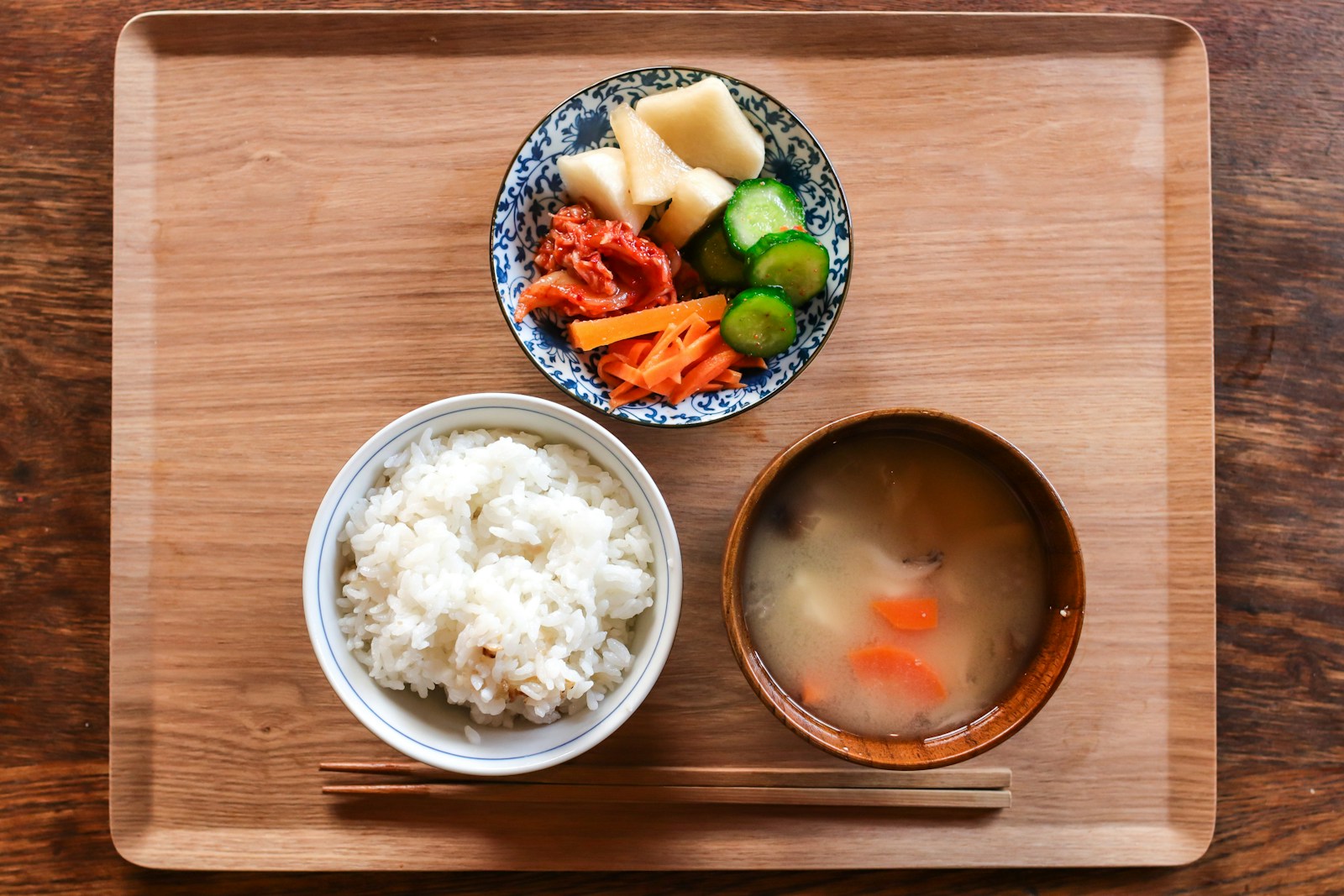
Japanese school lunches are about more than filling hungry stomachs. In many Japanese schools, school lunch—known as kyūshoku—is also an opportunity for children to learn about food, nutrition, responsibility and eating together.
School lunch systems vary by school and region, but meals commonly feature rice or bread, a main dish, vegetables, soup and milk. In some schools, children help serve meals and tidy up afterward. You don’t need a Japanese kitchen or specialist ingredients to bring some of these ideas into your home.
1. Japanese-Style Salmon and Rice Bowl
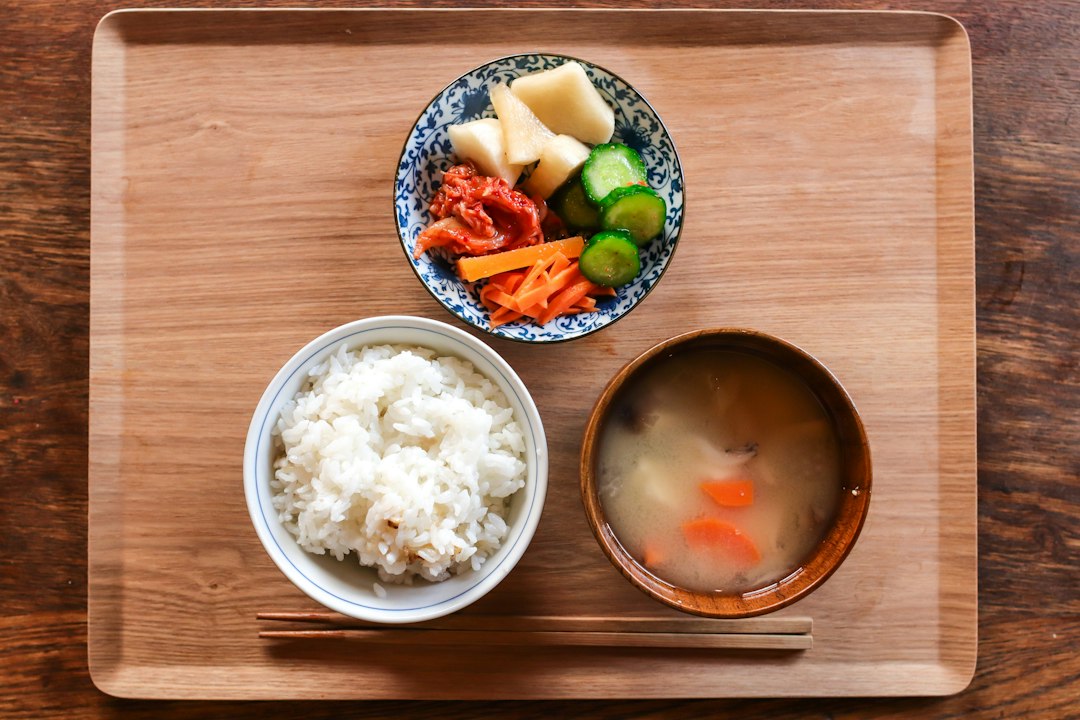
Prep: 10 minutes. Cook: 15–20 minutes.
Ingredients
- 1 cup uncooked rice
- 2 salmon fillets, carefully checked for bones
- 1 teaspoon neutral cooking oil
- 1 small carrot
- 1 small cucumber
- Low-sodium soy sauce and lemon, optional
Method
- Rinse and cook the rice according to the package instructions.
- Cook the salmon thoroughly and check carefully for bones.
- Slice the carrot and cucumber into age-appropriate pieces; cook the carrot if softer vegetables are preferred.
- Divide rice between bowls and add salmon and vegetables.
- Serve sauce separately so everyone can season their own portion.
Kid-friendly twist: Let children arrange the vegetables into colorful sections rather than mixing everything together. For young children, flake salmon carefully, remove every bone and adapt the texture and size to their developmental stage.
2. Tamagoyaki-Inspired Egg Rolls
Tamagoyaki is a Japanese rolled omelette often served at breakfast, in lunchboxes and as part of a larger meal. This home version uses a simple pan and no special equipment.
Ingredients
- 3 eggs
- 1 teaspoon water
- A little neutral oil
- Optional: finely chopped, cooked spinach
Method
- Beat the eggs with water.
- Lightly oil a non-stick pan and cook over low to medium heat.
- Pour in a thin layer of egg. When nearly set, roll it toward one side.
- Add another thin layer, let it run underneath the roll, and roll again.
- Repeat until the mixture is used. Cook thoroughly, cool slightly and slice.
Traditional versions may include sugar, soy sauce or dashi. This simple recipe keeps seasoning optional. For young children, ensure the egg is fully cooked and consider any known egg allergy.
3. Miso Soup with Tofu and Vegetables
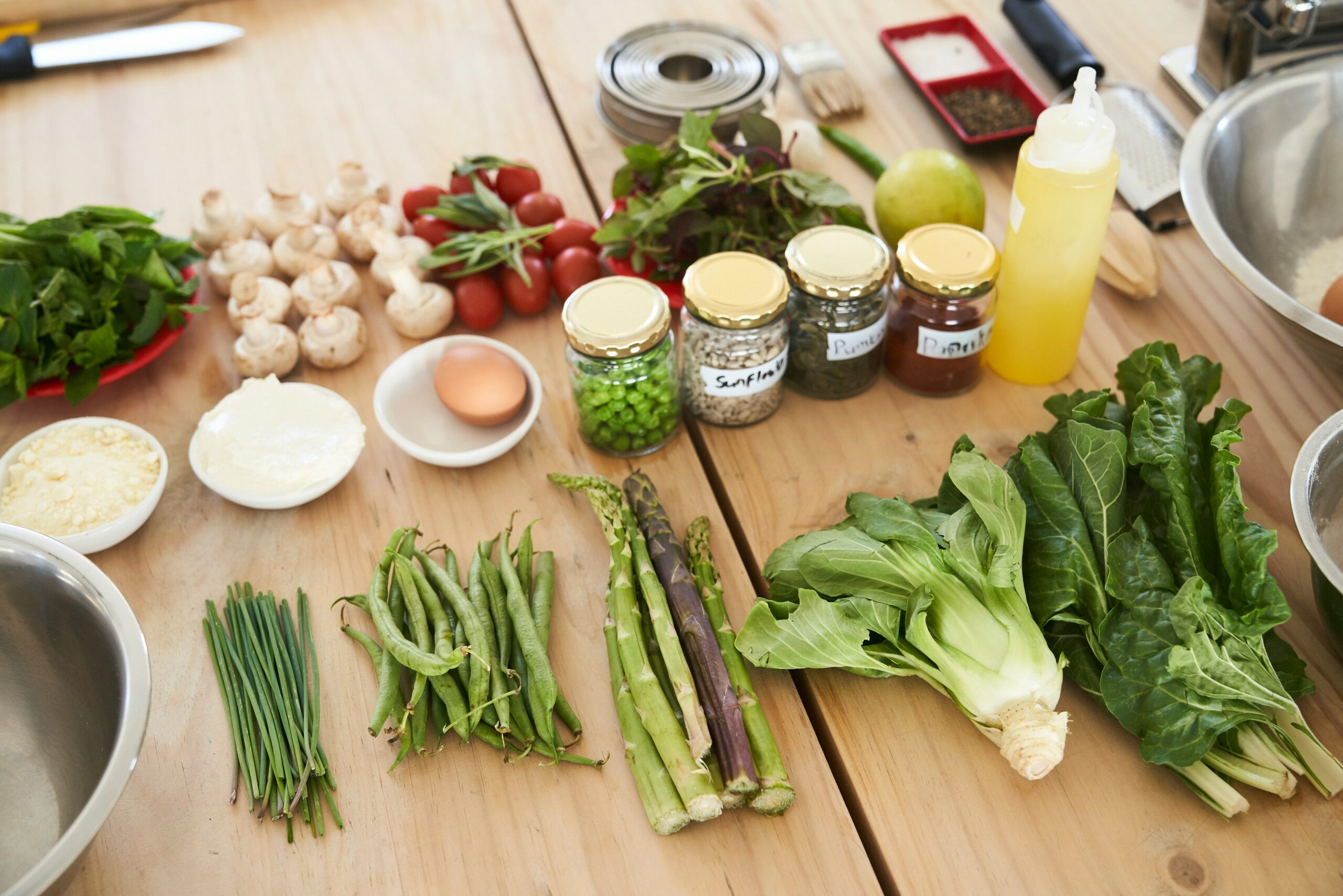
Ingredients
- 3 cups water
- 150 g soft or firm tofu
- 1 small carrot, thinly sliced
- A small handful of spinach
- 1–2 teaspoons miso paste, adjusted to taste
Method
- Simmer the carrot in water until tender.
- Add tofu and spinach.
- Mix miso paste with a little warm liquid in a separate bowl.
- Stir it into the soup and heat gently without vigorously boiling.
Miso can be high in sodium, so use a modest amount and adjust to your family’s needs. For younger children, check the temperature and cut ingredients appropriately.
4. Japanese-Inspired Potato and Vegetable Salad
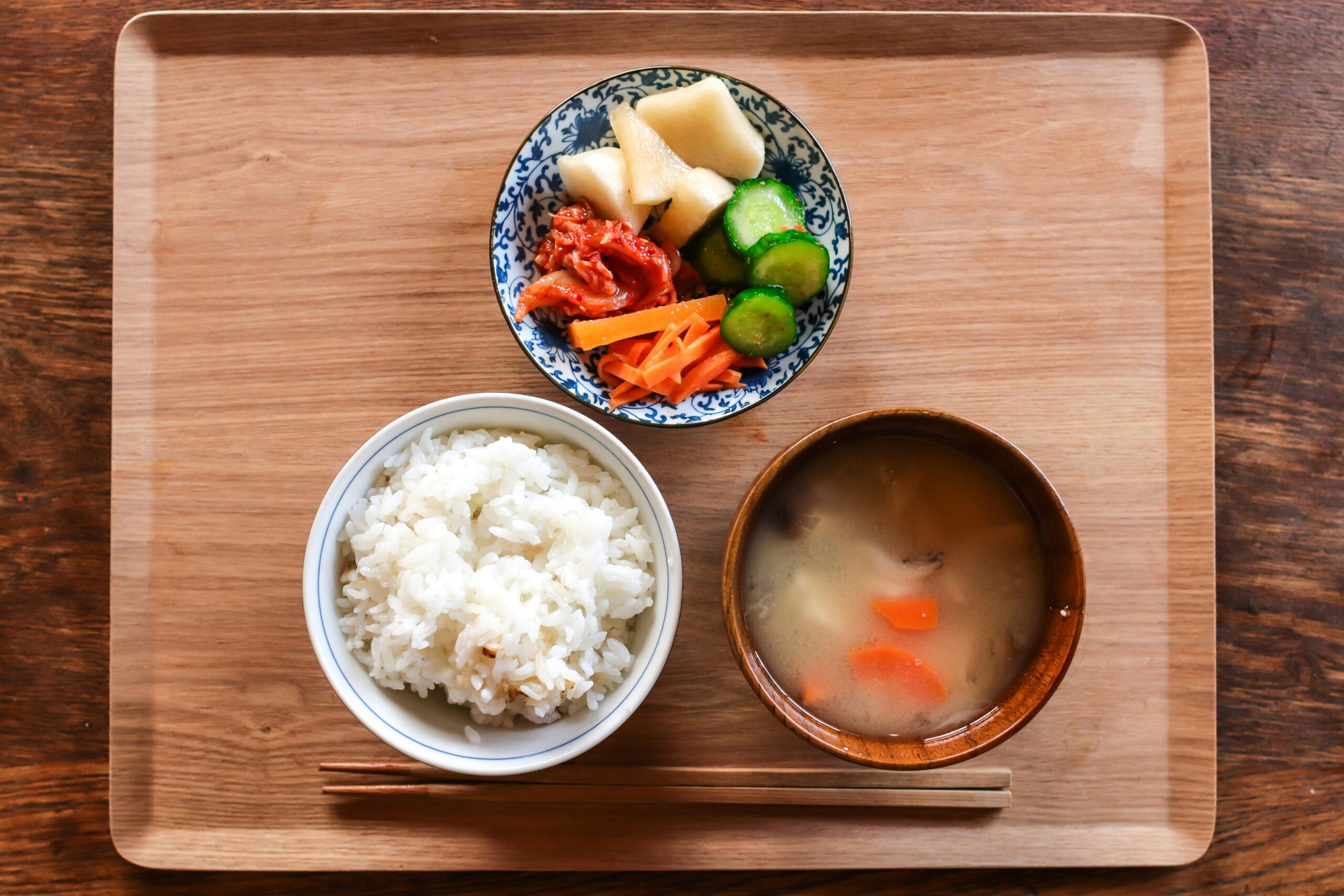
Ingredients
- 2 medium potatoes
- 1 small carrot
- A handful of peas
- 2 tablespoons mayonnaise
- A little plain yoghurt, optional
Method
- Peel and boil potatoes until tender.
- Cook carrot and peas until soft.
- Mash potatoes roughly and stir in vegetables and mayonnaise.
- Add yoghurt if you prefer a lighter texture.
- Cool promptly and refrigerate leftovers.
Keep some vegetables aside before mixing. Children who dislike mixed textures can choose their own combination. Adapt textures and portions for age and ability.
5. Onigiri: Japanese Rice Balls
Onigiri are rice balls shaped by hand or in a mould and filled with a variety of ingredients. They’re useful portable food and fun for children to help prepare.
Ingredients
- 2 cups cooked Japanese short-grain rice
- Optional fillings: cooked salmon flakes or finely chopped cooked vegetables
- Nori seaweed, optional
Method
- Let freshly cooked rice cool enough to handle safely while remaining suitable for shaping.
- With clean, slightly damp hands, shape a small amount into a ball or triangle.
- Add a little suitable filling if desired and close the rice around it.
- Add a small piece of nori if wanted and serve promptly.
Handle rice safely: cool leftovers promptly, refrigerate according to food-safety guidance and avoid leaving cooked rice at room temperature for extended periods. For toddlers, use manageable portions and avoid choking hazards.
How to Build a Japanese-Inspired School Lunch
- One staple, such as rice or bread.
- One protein, such as cooked egg, fish or tofu.
- One or two vegetables.
- Optional soup or fruit.
- Water or another age-appropriate drink.
Use ingredients your family already enjoys and introduce unfamiliar foods without pressure. The aim is not to reproduce a school menu perfectly, but to offer variety and make mealtimes an opportunity to explore different ingredients.
Frequently Asked Questions
What do Japanese children eat at school?
Menus vary, but many include a staple such as rice or bread, a main dish, vegetables, soup and milk. Schools may also use meals to teach food culture and eating habits.
Are Japanese school lunches healthy?
Many school meal programmes aim to provide balanced meals and nutrition education. Exact composition depends on the menu, school and individual dietary requirements.
Can I prepare Japanese lunches without special ingredients?
Yes. Rice, eggs, carrots, potatoes, spinach, tofu and salmon are useful starting points. Miso paste and Japanese short-grain rice can add authenticity but aren’t essential for every recipe.
Can toddlers eat these recipes?
Many ingredients can be adapted, but portion size, texture, sodium content and choking risks matter. Modify recipes for your child’s age and developmental stage.
Explore more on WorldWithKids: link this article to family meal planning, easy lunchbox ideas, world cuisines for children and screen-free kitchen activities.
Leave a Reply