
Paris and Berlin are both excellent bases for a family city break, yet travelling with a stroller can feel very different. The key is to distinguish between a network that is extensive and a route that is genuinely step-free.
Paris: beautiful, but station access varies

The Paris Métro is dense and convenient, but many older stations have stairs and no elevator. A stroller may need to be carried, which is difficult with a child and bags. RER and newer transit facilities can be more accessible, but access varies by station.
Paris stroller tips
- Check the official RATP accessibility information before choosing a route.
- Prefer buses or accessible tram lines when they make sense for your journey.
- Avoid peak commuting periods when vehicles and platforms are crowded.
- Use a compact stroller if you expect to board buses or navigate busy cafés.
- Keep a carrier as a backup for stairs and older Metro stations.
Berlin: easier on many routes, but not universally step-free
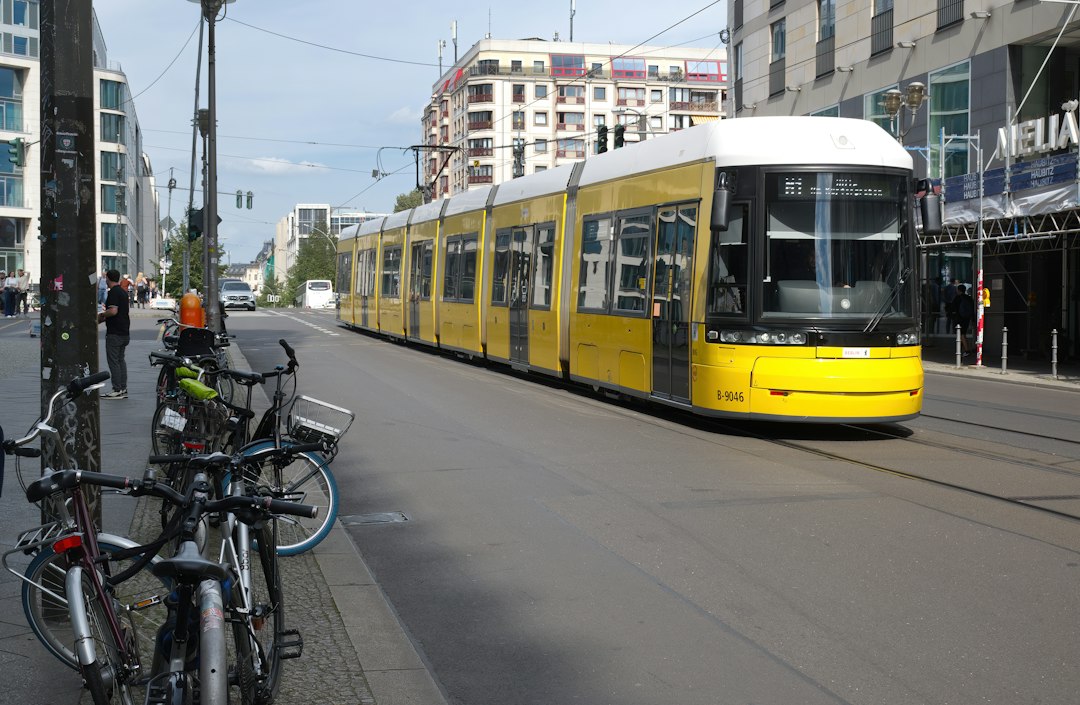
Berlin’s U-Bahn, S-Bahn, trams and buses give families several ways to reach major sights. Many stations have elevators, but not every entrance or interchange is step-free, and lifts can occasionally be out of service. Check current station information before setting off.
Berlin stroller tips
- Use the BVG journey planner and accessibility information to select step-free connections.
- On buses and trams, use the designated stroller area and secure the stroller where required.
- Allow extra time for large interchanges and long station corridors.
- Check service notices for elevator outages and planned disruptions.
Paris vs. Berlin at a glance
Paris
Station access: Many older Métro stations have stairs and limited step-free access.
Alternatives: Consider buses, trams and selected RER routes after checking the exact stations.
Plan ahead: Map accessible stations before leaving. A compact stroller or baby carrier can help where there are stairs.
Berlin
Station access: Many stations have lifts, but not every entrance or connection is step-free and lifts can be out of service.
Alternatives: Buses, trams, U-Bahn and S-Bahn offer route choices.
Plan ahead: Check current lift status and choose an accessible connection. A compact stroller with good wheels helps on longer walks.


Tickets, boarding and etiquette
Ticket rules, stroller space and boarding arrangements can change by operator and vehicle. Check official transport guidance for current conditions, especially if travelling with a double stroller. Keep doors clear, fold the stroller if staff request it and avoid blocking wheelchair spaces.
Which city is easier?
Plan by individual journey rather than choosing a hotel solely because it is near a metro station. Check whether the hotel entrance, station entrance, platform and exit are all step-free; an accessible train does not help if the interchange has stairs. In Paris, buses and selected RER or tram routes may be more practical than some older Métro stations. In Berlin, verify elevator status and allow extra time for large interchanges. If you are travelling with a double stroller, check the operator’s current guidance on boarding and space, and consider avoiding the busiest commuting periods. Rules and access can change, so confirm details shortly before travel.
Berlin is often simpler for families who can build a route around accessible stations, while Paris can require more careful route selection because of the older Métro infrastructure. Neither city is uniformly step-free, so verify the exact stations rather than assuming the whole network is accessible.
Frequently asked questions
Can I bring a stroller on the Paris Métro?
Strollers are generally used on the network, but stairs and crowded platforms can make some journeys impractical. Check the route and consider buses or accessible alternatives.
Are all Berlin U-Bahn stations accessible?
No. Accessibility varies by station and entrance, and lift outages can affect a route.
Should I bring a baby carrier too?
Yes, if your child is comfortable in one. It can help when an elevator is unavailable or a station has stairs. Keep your planned route flexible and check the operator’s live service notices on the day. If you are travelling with luggage as well as a stroller, choose fewer transfers where possible and allow time to use a different entrance or surface route. Always follow staff instructions and keep emergency exits and wheelchair spaces clear.
See our wider list of stroller-friendly cities in Europe for more destination ideas.
Leave a Reply