Exploring Europe with a baby or toddler can be wonderful, but steep streets, cobblestones and crowded public transport can turn a simple outing into a workout. The best stroller-friendly cities combine smooth walking routes, reliable transit, accessible attractions and plenty of places to pause.
What makes a city stroller-friendly?
Look for wide pavements, curb cuts, elevators at major transit stations, parks near central neighborhoods, and attractions that welcome families. Even in accessible cities, historic centers may have cobbles or stairs, so plan flexible routes and check station access before you travel.
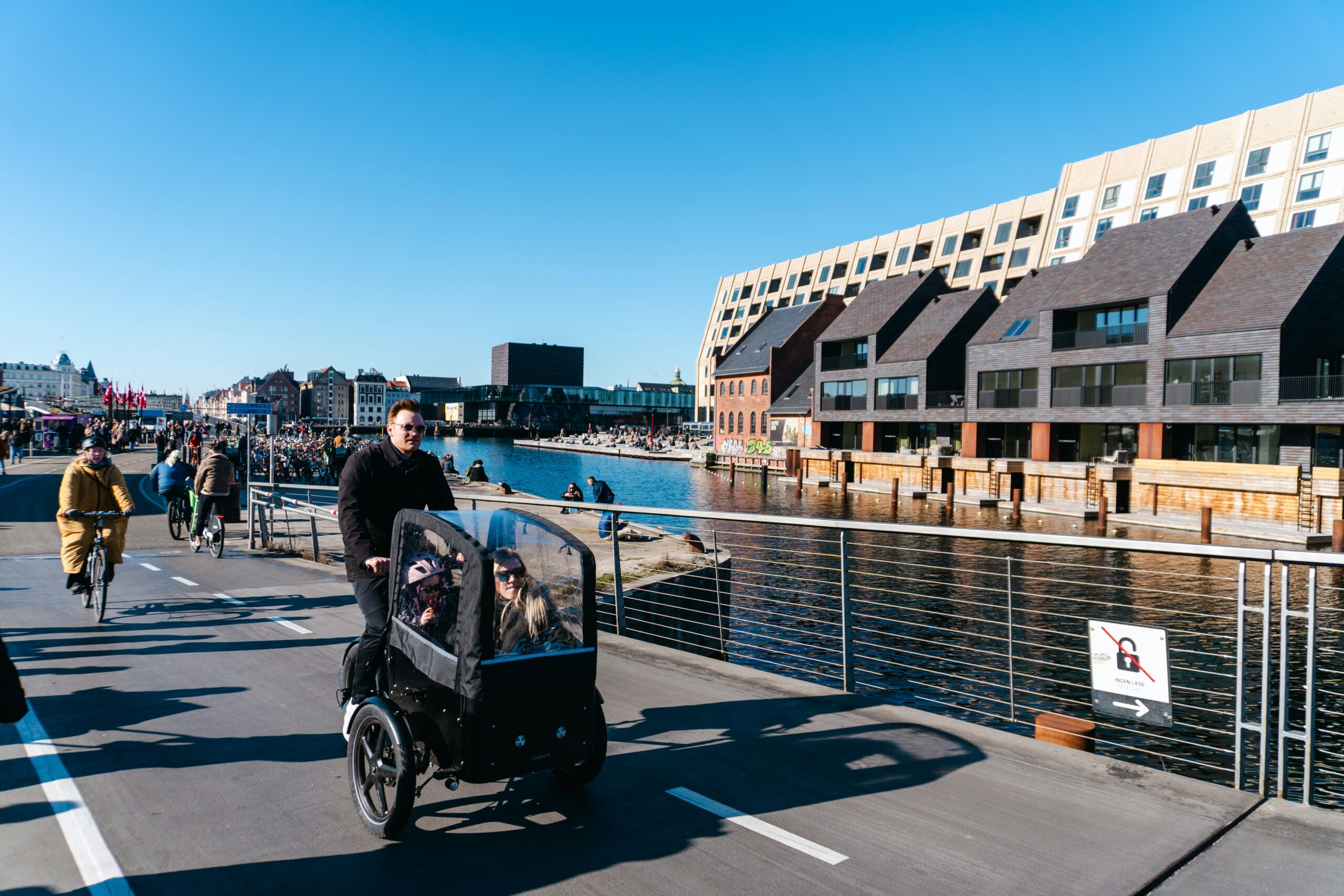
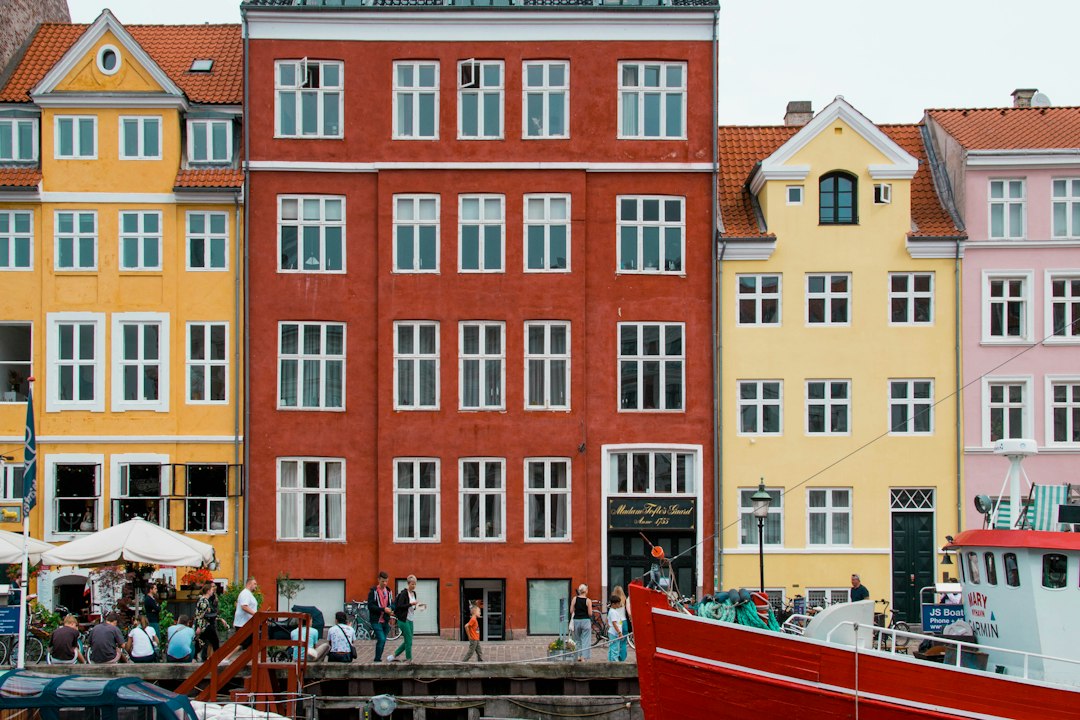
Copenhagen, Denmark

Copenhagen is a strong choice for families who want to walk or cycle at a relaxed pace. Pavements are generally generous, parks are easy to reach, and family facilities are common. Nyhavn is picturesque but can be busy; visit early and explore the quieter waterfront paths afterward.

Amsterdam, Netherlands
Amsterdam’s compact center makes short outings easy, and tram routes connect many neighborhoods. Watch for cycle lanes before crossing and avoid narrow canal-side pavements at peak times. A lightweight stroller helps on busy trams and in smaller cafés.
Vienna, Austria
Vienna pairs broad boulevards with excellent public transport and spacious parks. The Ringstrasse area is good for sightseeing in manageable stretches, while Schönbrunn’s grounds offer room to move. Check elevator availability at individual U-Bahn stations when planning a step-free route.
Berlin, Germany
Berlin has large parks, family-friendly museums and an extensive transit network. Distances can be longer than they look on a map, so group activities by neighborhood. Some older stations have stairs or limited elevator access; verify the route in advance.
Lisbon, Portugal
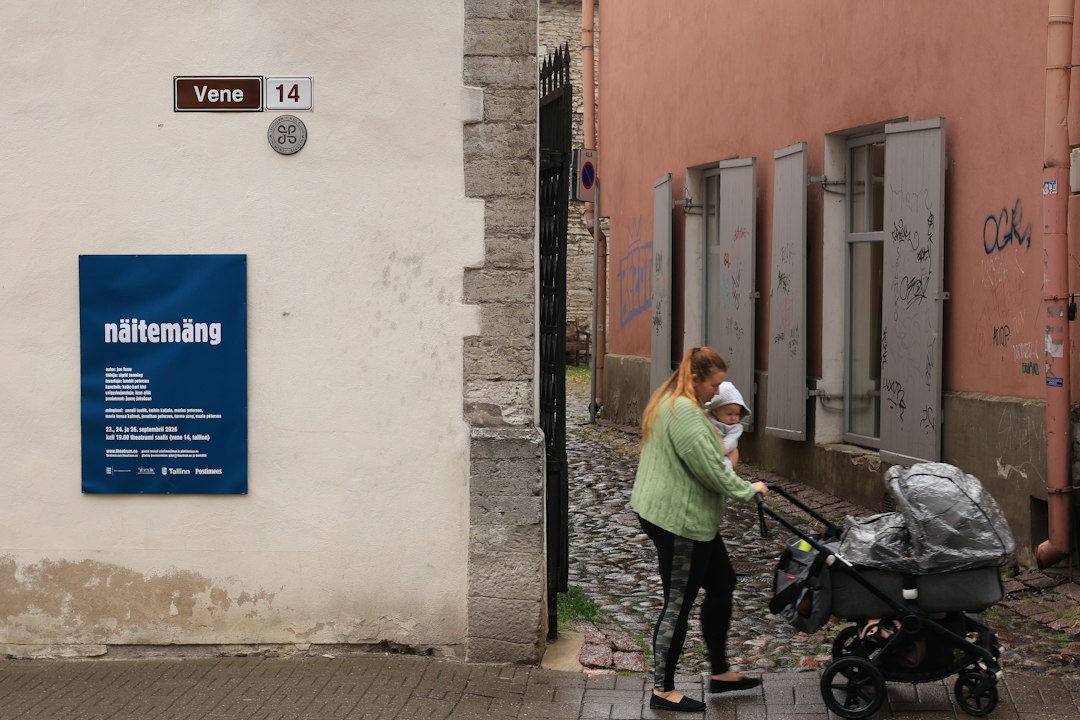
Lisbon is beautiful but challenging for strollers because of steep hills and patterned cobblestones. Stay near flatter areas such as Baixa or the waterfront, use transit selectively, and consider a compact stroller with sturdy wheels. Save the steepest viewpoints for a carrier or a taxi ride.
Barcelona, Spain
Barcelona’s Eixample district has broad sidewalks and a regular street grid, making it practical for families. The seafront promenade is good for a stroller walk. In the Gothic Quarter, narrow lanes and uneven paving are easier to manage with a compact model.
Using a stroller on public transport
Most major European networks allow strollers, but the practical experience depends on the vehicle, station layout and crowding. Before travelling, check the operator’s current accessibility map and lift status, and plan a step-free route from the entrance to the platform and exit. On buses and trams, use the designated stroller area where available, keep doors and wheelchair spaces clear, and follow staff instructions. Avoid peak commuting times when possible. If lifts are unavailable or a route has stairs, a lightweight stroller or baby carrier can make the journey easier.
For a city-by-city example, see our guide to stroller rules on public transport in Paris and Berlin.
Practical tips before you go
- Choose accommodation close to a transit stop and a supermarket.
- Check elevators and step-free access on the official transit website.
- Bring a rain cover, sunshade and a small lock for brief stops.
- Plan one major activity per half-day and leave room for naps.
- For cobbled or hilly areas, consider a baby carrier as a backup.
Which city should you choose?
Before booking, test your planned route using the transport operator’s own journey planner and accessibility notices. A station may have a lift at one entrance but stairs at another, and temporary lift closures can change the easiest route. If step-free access is essential, save a second route and identify a nearby taxi or bus option. These small checks are more reliable than assuming that a city’s general accessibility reputation applies to every journey.
For an easy first trip, consider Copenhagen or Vienna. Amsterdam and Berlin work well for transit-led itineraries. Lisbon rewards families who plan around its hills, while Barcelona offers a useful mix of beach walks and urban sightseeing.
Frequently asked questions
Can I take a stroller on European public transport?
Usually yes, but space and boarding rules vary by city and vehicle. Avoid rush hour where possible and check local operator guidance.
Is a travel stroller enough?
Often, especially in compact cities. If you expect cobblestones or uneven paths, prioritize wheel quality and suspension over the smallest possible fold.
How many activities should we plan each day?
One main attraction plus a park, café or playground is a realistic starting point with young children.
For more practical planning, read our guide to stroller rules on public transport in Paris and Berlin and our family train-trip ideas in Europe by train with kids.
Leave a Reply